
Australian Native Flower Seeds
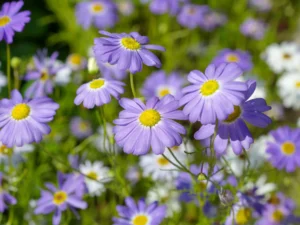
Native flowering plants include colourful annuals, short-lived perennials and long-lived species suitable for garden beds, borders and naturalistic plantings.
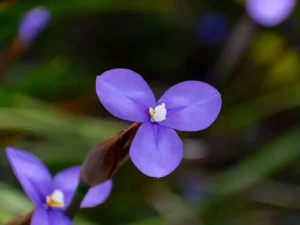
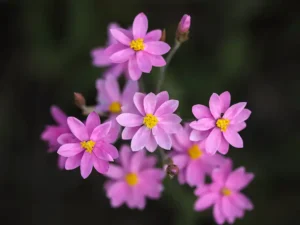
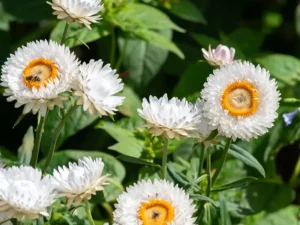
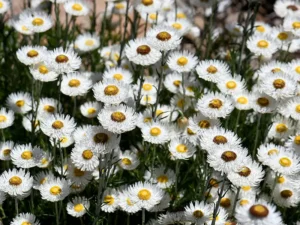
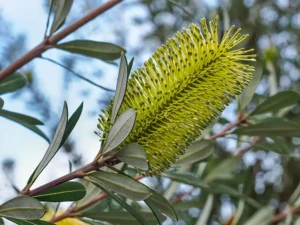
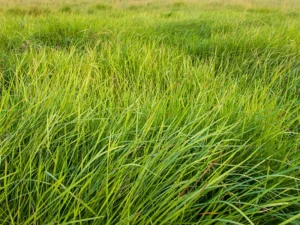
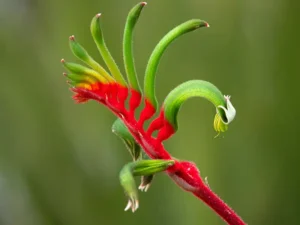


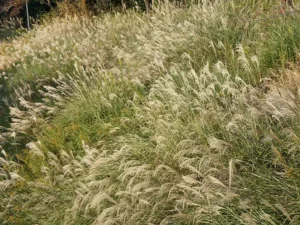


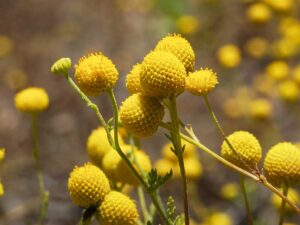
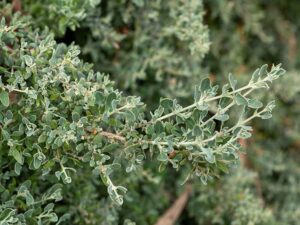
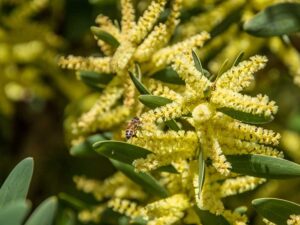


Australian native seed buying guide
Growing Australian native plants from seed provides access to a diverse range of wildflowers, grasses, groundcovers, shrubs and trees. Native seeds can be used in home gardens, water-wise landscapes, habitat plantings, erosion-control projects and larger revegetation programs.
Seedmart supplies Australian native seeds for home gardeners, schools, community groups, landscapers, Landcare projects, councils and restoration contractors. The range includes decorative flowering species, hardy native grasses, low-growing plants, shrubs and tree species in packet and selected bulk quantities.
The right native seed depends on the intended use, local climate, soil, rainfall, available space and the establishment requirements of each species. For revegetation and ecological restoration, seed provenance and project specifications may also be important.
Choose from native wildflowers, grasses, groundcovers, shrubs and trees that may be difficult to obtain as established plants.
Appropriately selected native plants can provide shelter, pollen, nectar or seed for insects, birds and other wildlife.
Species suited to the local site may tolerate regional heat, rainfall patterns and soil conditions once established.
Native grasses, groundcovers and other suitable species can help protect exposed soil as vegetation develops.
Seed can be an economical option for establishing many plants across larger landscapes and revegetation sites.
Choose packets for gardens and trials or larger quantities for selected landscaping, Landcare and restoration projects.
Australian native plants vary enormously in size, life cycle, growth rate and site requirements. Select species according to the purpose of the planting rather than choosing only by flower colour or appearance.
| Growing Goal | Suitable Plant Groups | Important Considerations |
|---|---|---|
| Home native garden | Wildflowers, compact shrubs, groundcovers and ornamental grasses | Consider mature size, flowering season, soil drainage and available garden space. |
| Pollinator planting | Flowering daisies, everlasting flowers and other nectar- or pollen-producing species | Use a range of flowering periods and plant forms rather than relying on one species. |
| Bird-friendly garden | Flowering shrubs, seed-producing grasses and structurally diverse plants | Food value varies by species; shelter and planting density are also important. |
| Water-wise landscaping | Species naturally suited to seasonal dryness and the local soil type | Native does not automatically mean drought-tolerant. Establishment watering is usually required. |
| Erosion control | Native grasses, groundcovers and plants with fibrous or spreading root systems | Species selection depends on slope, soil stability, rainfall and the cause of erosion. |
| Revegetation | Site-appropriate grasses, herbs, shrubs and trees | Provenance, local reference vegetation, weed risk and project specifications may apply. |
| Large landscape areas | Native seed mixes or selected complementary species | Assess sowing rate, seed purity, preparation, establishment method and long-term maintenance. |
| Containers and courtyards | Compact wildflowers, grasses and smaller shrubs | Select plants with manageable root systems and provide suitable drainage and pot depth. |
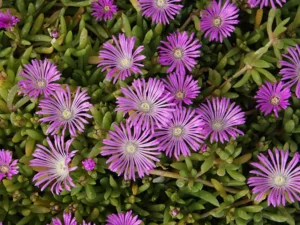
Native flowering plants include colourful annuals, short-lived perennials and long-lived species suitable for garden beds, borders and naturalistic plantings.
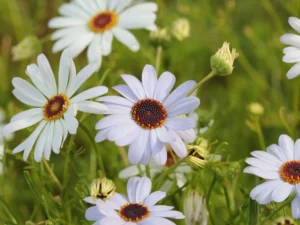
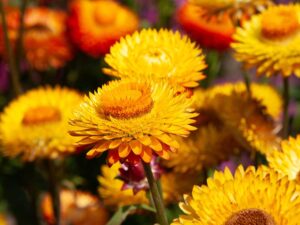
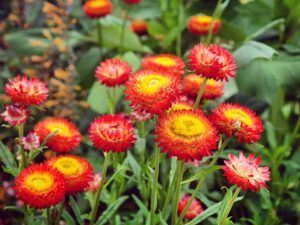
Australian daisies and everlasting flowers are valued for seasonal colour and may be used in garden displays, floral production and habitat plantings.
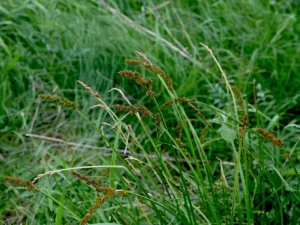
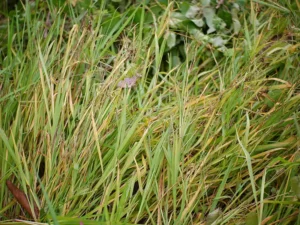
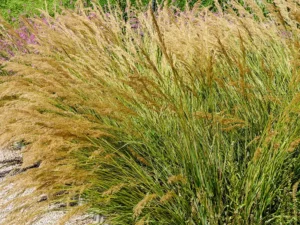
Native grasses can provide groundcover, texture, habitat and soil protection. Species vary in height, growth habit, rainfall preference and grazing tolerance.
Low-growing native plants can be useful around garden edges, beneath taller plants and across suitable open areas where spreading cover is required.
Native shrubs provide structure and may produce flowers, foliage, shelter or wildlife resources. Always consider mature height and width before planting.
Tree species require adequate long-term space and may need specific germination treatments. Consider roots, canopy size, fire risk and proximity to buildings.
A diverse planting of locally suitable flowering species, grasses and shrubs can support a broader range of insects and wildlife than a single-species display.
Seed intended for ecological restoration should be selected according to the site, project objectives, reference ecosystem and any provenance requirements.
Collections provide a convenient way to trial several native species in a home, school or community garden.
Native seed purchased for an ornamental garden is not necessarily appropriate for a bush regeneration or ecological restoration project. Restoration work generally requires closer attention to provenance, local vegetation communities and project approvals.
| Native Garden Planting | Revegetation and Restoration |
|---|---|
| Species are commonly selected for appearance, size, flowering, habitat value and suitability to the garden. | Species are selected according to the target ecosystem, site conditions and project objectives. |
| Seed may originate from a different region if the species is suitable and permitted for garden use. | Local or defined provenance may be required to preserve ecological and genetic integrity. |
| Gardeners can modify soil, irrigation and maintenance to suit the plants. | Plants generally need to establish within the existing environmental conditions of the site. |
| A limited number of ornamental species may be sufficient. | A representative mix of grasses, herbs, shrubs and trees may be required. |
| Small packets and manual sowing are usually practical. | Seed quantities, purity, sowing rates, equipment and site preparation require detailed planning. |
Do not assume that every Australian native species is suitable for every Australian location. Before undertaking restoration work, confirm the accepted species list, provenance requirements, permits and project specifications with the relevant land manager, ecologist, council or Traditional Owners.
Seed provenance refers to the geographic origin of the parent plants from which seed was collected. Plants of the same species can develop regional differences in response to climate, rainfall, soil and other environmental pressures.
For ordinary garden use, provenance may be less restrictive, although local forms can still offer ecological and regional value.
Landcare and community projects may specify local, regional or otherwise approved provenance depending on the planting objectives.
Formal restoration projects may require documented collection zones, traceability and compliance with an approved restoration plan.
Seedmart does not represent all listed native seed as local-provenance seed for every region. Contact us before ordering for a provenance-sensitive project, and confirm that the available seed lot meets the project’s requirements.
Australian native species use a wide range of natural dormancy mechanisms. Some seeds germinate readily after sowing, while others remain dormant until exposed to particular environmental conditions.
| Seed Characteristic | Possible Requirement | General Examples |
|---|---|---|
| Hard seed coat | Scarification, abrasion or carefully controlled hot-water treatment | Some wattles and hard-seeded legumes |
| Smoke-responsive seed | Smoke water, smoked vermiculite or another suitable smoke treatment | Some species from fire-adapted plant communities |
| Temperature-related dormancy | A period of warm or cool conditions before germination | Requirements vary substantially between species and regions |
| Light-sensitive seed | Surface sowing or only a very light covering | Some fine-seeded wildflowers and grasses |
| Fresh-seed sensitivity | Sowing within a limited period after harvest | Some fleshy-fruited or short-lived native seed |
| Irregular dormancy | Extended germination time under stable conditions | Some native seed may emerge gradually rather than all at once |
Do not apply a pre-treatment unless it is recommended for that species. Excessive heat, deep scarification or inappropriate chemical treatment can permanently damage seed.
Follow the instructions supplied for the individual species. Germination requirements differ too widely for one sowing method to suit all Australian native seeds.
| Direct Seeding | Raising Seedlings |
|---|---|
| Seed is sown directly into the prepared planting site. | Seed is germinated in trays, tubes or containers before planting out. |
| Can be economical for larger areas and suitable robust species. | Provides closer control over moisture, temperature and early protection. |
| Requires effective weed control and good seed-to-soil contact. | Can improve efficient use of scarce, valuable or difficult-to-germinate seed. |
| Seed may be exposed to ants, birds, rodents, wind, erosion and irregular rainfall. | Requires nursery space, labour, potting medium and transplanting. |
| Establishment can be uneven across variable site conditions. | Plants can be assessed and positioned individually during planting. |
| Suitable sowing rates depend on seed purity, germination and project objectives. | Final plant density is controlled through planting layout and spacing. |
Site preparation is one of the strongest influences on native seed establishment. Simply spreading seed over existing weeds or compacted ground rarely produces a reliable result.
Reduce competing weeds before sowing. Fast-growing weeds can consume moisture, light and nutrients before slower native seedlings establish.
Consider texture, drainage, compaction, salinity, pH and previous land use when selecting species and preparing the site.
Create suitable soil contact without burying fine seed too deeply. The correct preparation depends on seed size and sowing equipment.
Slopes and exposed soil may require stabilisation, mulch, jute matting or staged establishment to prevent seed loss.
Time sowing around reliable seasonal rainfall or provide irrigation where feasible during germination and early establishment.
Continue weed control, monitor plant density and protect the site from grazing, mowing and other disturbance while plants establish.
Smaller packs are suitable for home gardens, school projects, propagation trials and customers learning how a species performs locally.
Larger quantities are available for selected species and may suit landscaping, habitat plantings, Landcare work and revegetation projects.
Bulk seed requirements should be calculated from viable seed, purity, germination, target density and sowing area—not weight alone. Seed count and germination behaviour vary greatly between native grasses, wildflowers, shrubs and trees.
Use species appropriate to the site’s vegetation community, soil, rainfall, hydrology and long-term management objectives.
Confirm whether local, regional, climate-adjusted or another defined provenance is required before purchasing seed.
Ask what the supplied quantity represents and whether purity, germination, viability or seed count information is available.
Calculate each species separately where possible. A uniform kilograms-per-hectare rate is rarely appropriate across very different seed types.
Match site preparation and sowing to seasonal rainfall, temperature, weed cycles and the biological requirements of the selected species.
Confirm requirements with the landholder, project ecologist, relevant authority and Traditional Owners where applicable.
Trial unfamiliar species and methods before committing an entire site. Native seed establishment can vary with provenance, seed lot, season, soil preparation, weed pressure and rainfall.
Some germinate readily, while others have dormancy mechanisms requiring scarification, smoke treatment, temperature conditioning or extended time. Check the requirements of each species before sowing.
The best time depends on the species, region and seasonal rainfall. Many species are sown when temperatures and moisture are likely to support germination, but there is no single planting season suitable for all Australian natives.
No. Smoke treatment benefits some fire-responsive species but may be unnecessary for others. Use it only where it is recommended.
Scarification weakens a hard seed coat so water can enter. Methods may include abrasion, nicking or hot-water treatment, depending on the species. Excessive treatment can kill the seed.
Possible causes include natural dormancy, incorrect pre-treatment, unsuitable temperature, sowing too deeply, drying out, waterlogging, old seed or simply insufficient time.
Yes. Many species can be germinated in pots, trays or forestry tubes. Select containers and growing media appropriate to the seed size, root system and expected time before planting out.
No. Australia contains rainforests, wetlands, alpine areas, coastal environments and arid regions. Water requirements vary widely, and even drought-adapted plants need moisture during establishment.
Appropriate flowering, seed-producing and shelter plants can support wildlife, but the benefit depends on species, planting diversity, flowering periods and the habitat needs of local animals.
No. Revegetation species should be selected according to the site, target ecosystem and project requirements. Provenance restrictions or approved species lists may apply.
Local-provenance seed is collected from parent plants within a defined area relevant to the project site. The acceptable collection area depends on the species, landscape and restoration plan.
The quantity depends on species, seed count, purity, germination, sowing method, target plant density and site area. Large projects should use species-specific calculations rather than relying only on total seed weight.
Results are usually poor where established grass and weeds remain highly competitive. Effective site preparation and seed-to-soil contact are generally required.
Seed longevity varies greatly by species and storage conditions. Some hard-coated seeds remain viable for years, while others decline rapidly and are best sown fresh.
Unless species-specific guidance says otherwise, keep seed dry, cool and protected from heat, moisture, pests and direct sunlight. Some short-lived species may have specialised storage requirements.
Bulk quantities are available for selected species. Availability, minimum quantities, provenance and lead times can vary, particularly for native species with seasonal or limited harvests.
Australian native seeds for gardens and landscapes
Seedmart supplies Australian native flower, grass, groundcover, shrub and tree seeds for gardens, habitat plantings, landscaping and selected revegetation applications. Choose packets for propagation and smaller plantings or enquire about larger quantities for suitable projects.
Review the individual product page for current pack sizes, germination guidance and species-specific information. For restoration or provenance-sensitive work, confirm project requirements before ordering.