
Common Wallaby Grass Seeds
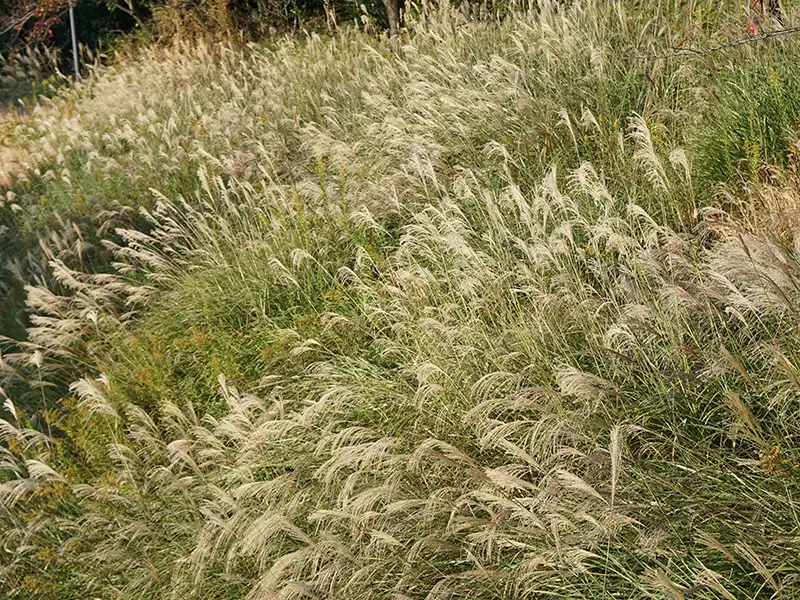
Grow a hardy Australian native perennial grass suited to naturalistic gardens, grassland restoration and suitable revegetation projects. Common Wallaby Grass (Rytidosperma caespitosum) forms leafy tussocks with upright flowering stems and soft, fluffy seed heads as they mature.
This widespread native grass occurs in a variety of Australian habitats. Its tufted growth provides texture in landscape plantings, while established plants can tolerate dry conditions. As a cool-season grass, it is particularly useful where locally appropriate perennial ground cover is required.
Common Wallaby Grass Seed Details
| Botanical name | Rytidosperma caespitosum |
|---|---|
| Former botanical names | Austrodanthonia caespitosa, Danthonia caespitosa |
| Common names | Common Wallaby Grass, Ringed Wallaby Grass, White Top |
| Family | Poaceae |
| Plant type | Australian native cool-season perennial grass |
| Growth habit | Tufted tussocks with narrow leaves and upright flowering stems |
| Approximate height | Flowering stems can reach approximately 0.9–1 m; size varies with site and growing conditions |
| Foliage | Narrow green leaves that may roll inward during dry conditions |
| Flowers and seed heads | Green to purplish spikelets becoming straw-coloured, with a fluffy appearance as seed heads mature |
| Flowering period | Spring and summer, and in response to rainfall |
| Position | Full sun in an open planting position |
| Soil | Adaptable to varied soils, including dry, low-fertility sites; provide suitable drainage and establishment moisture |
| Seeds per gram | To be confirmed for the supplied seed lot and grade |
| Uses | Native gardens, meadow-style plantings, suitable native pastures, grassland restoration and grassy woodland revegetation |
Why Grow Common Wallaby Grass?
- Australian native perennial grass with a natural tussock habit.
- Attractive seed heads add movement and seasonal texture.
- Suitable for sunny native gardens and meadow-style landscapes.
- Established plants tolerate dry conditions.
- Useful in locally appropriate grassland and woodland restoration.
- Can contribute perennial ground cover to suitable native pasture systems.
How to Grow Common Wallaby Grass from Seed
Common Wallaby Grass is best established in cooler conditions with reliable moisture. Seed age, preparation and dormancy can influence germination, so follow any instructions supplied for your seed lot.
- Prepare the growing medium. Use clean, free-draining seed-raising mix in trays, tubes or small pots. For direct sowing, prepare a firm, weed-free seedbed.
- Sow shallowly. Spread seed evenly and cover lightly with approximately 2–3 mm of fine mix or soil. Avoid deep burial.
- Water gently. Use a fine spray to settle the seed without washing it away.
- Maintain moisture. Keep the sowing surface moist during germination while allowing excess water to drain.
- Provide mild conditions. Germination temperatures of approximately 15–25°C are recommended in TreeProject nursery guidance. Shelter trays from excessive heat and drying winds.
- Allow time for emergence. Seedlings may emerge in approximately 2–3 weeks under suitable conditions, with slower emergence possible during winter or from dormant seed.
- Establish seedlings gradually. Harden nursery-grown plants before transplanting. Maintain follow-up watering and weed control while their roots develop.
Common Wallaby Grass for Landscaping
Common Wallaby Grass brings a soft, natural appearance to sunny garden beds and open landscapes. Plant it in groups among locally suitable native wildflowers, or use repeated tussocks to create texture along informal paths and planting edges.
Allow room for flowering stems to develop above the foliage. Its clumping habit suits naturalistic planting, where individual tussocks and seasonal seed heads are part of the design.
Common Wallaby Grass for Revegetation and Native Pastures
Common Wallaby Grass can be incorporated into suitable grassland and grassy woodland revegetation projects. Combine it with species appropriate to the site rather than relying on a single grass to recreate a diverse native community.
It is also recognised as a useful native pasture grass. Establishment success depends on seed quality, preparation of the seedbed and control of competing vegetation.
For restoration projects, confirm local occurrence and provenance requirements. Base sowing rates on the supplied seed grade, purity and germination results, as fluffy florets and cleaned seed can differ substantially.
Flowers and Foliage
Plants form tussocks of narrow leaves beneath upright flowering stems. The flower spikelets are green to purplish before becoming straw-coloured, and mature seed heads develop the fluffy appearance characteristic of wallaby grasses.
Flowering occurs during spring and summer and can also follow rainfall. Timing and plant size vary with location and seasonal conditions.
Where to Grow Common Wallaby Grass
- Sunny Australian native gardens.
- Naturalistic and meadow-style landscapes.
- Locally appropriate grassland restoration sites.
- Suitable grassy woodland revegetation projects.
- Native pasture plantings suited to the species.
- Open sites requiring perennial tussock vegetation.
When to Sow Common Wallaby Grass Seeds in Australia
TreeProject recommends autumn to early spring in its nursery guidance. The following table provides general planning guidance across climates. Choose mild conditions with reliable moisture and assess local suitability before planting.
| Climate Zone | Suitable Sowing Period | Growing Notes |
|---|---|---|
| Cool | Autumn or early spring; winter under protected conditions | Allow for slower winter emergence and protect trays from severe weather. |
| Temperate | Autumn to early spring | Use the cooler establishment period and maintain surface moisture. |
| Subtropical | Autumn to winter, where locally suitable | Avoid excessive heat and check suitability of the supplied provenance. |
| Tropical | Cooler periods under controlled nursery conditions, where appropriate | Confirm planting suitability; warm, humid lowland conditions may be unsuitable. |
| Arid / Semi-arid | Cooler periods with dependable rainfall or irrigation | Use suitable provenance and maintain moisture through germination and establishment. |
Tips for Growing Common Wallaby Grass Successfully
- Prepare a weed-free seedbed or clean propagation medium.
- Sow shallowly and avoid burying seed deeply.
- Choose mild conditions rather than peak summer heat.
- Keep the sowing surface moist during emergence.
- Follow seed-lot advice where dormancy is present.
- Control competing weeds while seedlings establish.
- Protect new plantings from grazing during establishment.
- Match seed provenance and species selection to restoration requirements.
Frequently Asked Questions
What is Common Wallaby Grass?
Common Wallaby Grass is an Australian native perennial grass botanically known as Rytidosperma caespitosum. It was previously known as Austrodanthonia caespitosa.
Is Common Wallaby Grass a true grass?
Yes. It belongs to the grass family, Poaceae.
When should I sow Common Wallaby Grass?
Autumn to early spring is the recommended nursery sowing period in TreeProject guidance. Adjust timing to local temperatures and available moisture.
Does the seed need pretreatment?
Requirements vary with seed age and dormancy. Some lots germinate readily, while fresh seed may benefit from after-ripening or specialist smoke-treatment advice. Follow the instructions supplied with your seed.
How long does germination take?
TreeProject reports approximately 2–3 weeks under suitable conditions, extending to around eight weeks in winter. Dormancy and seed quality can affect emergence.
Is it drought tolerant?
Established plants can tolerate dry conditions. Seeds and young seedlings still need reliable moisture while establishing.
Can I use it for revegetation?
Yes, where the species is appropriate to the local vegetation community and project requirements. Confirm provenance and seed quality before sowing.
How many seeds are there per gram?
The count needs to be confirmed for the supplied seed lot and grade. Fluffy florets and cleaned seed should not be assigned the same count without supplier data.
Grow Common Wallaby Grass from Seed
With its natural tussock form and distinctive seed heads, Common Wallaby Grass is a useful choice for sunny native landscapes and locally appropriate revegetation plantings.
Sow shallowly during mild conditions, maintain moisture through germination and control competing weeds while plants establish.
Reviews
There are no reviews yet.