


Parris Island and Little Gem
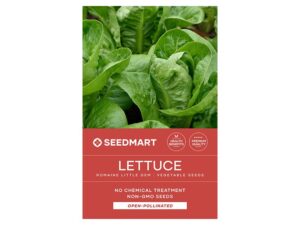
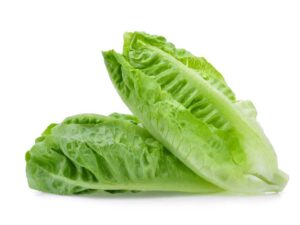
Cos lettuce forms upright leaves with firm ribs and a crisp texture. Little Gem produces a smaller, more compact cos-style head.




Lettuce seed buying and growing guide
Lettuce is a fast-growing leafy vegetable that can be harvested as tender baby leaves, individual mature leaves or complete heads. Varieties differ considerably in leaf shape, colour, texture, head formation, heat tolerance and preferred harvest stage.
Seedmart supplies lettuce seeds in Australia for backyard gardeners, container growers, cafés, restaurants, market gardeners and commercial vegetable producers. The range includes cos, butterhead, oakleaf, loose-leaf, multileaf and mixed salad varieties suited to different growing systems and market requirements.
The best lettuce seed will depend on your local climate, planting season, available space, preferred leaf texture and whether you want baby leaf, cut-and-come-again production or complete lettuce heads.
Many lettuce varieties can provide baby leaves within several weeks of sowing.
Loose-leaf and oakleaf varieties can be picked gradually while the central growth continues.
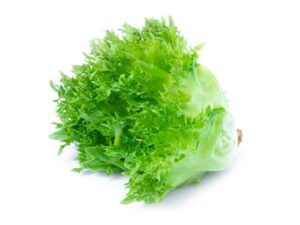
Choose from crisp upright leaves, tender butterhead foliage, frilled leaves and red or green salad types.
Grow lettuce in vegetable beds, raised gardens, window boxes, pots or protected cropping systems.
Harvest baby leaves, mature outer leaves, compact hearts or complete heads.
Choose smaller quantities for household sowing or larger packs for frequent and commercial production.
Lettuce varieties should be selected by growth habit, leaf texture, harvest method and planting season. Head-forming lettuces need more space and time, while loose-leaf types are particularly useful for rapid and repeated harvesting.
| Growing Goal | Recommended Variety or Type | Why Choose It? |
|---|---|---|
| Crisp upright leaves | Parris Island Cos or Little Gem | Produce upright leaves and compact hearts suited to salads, wraps and sandwiches. |
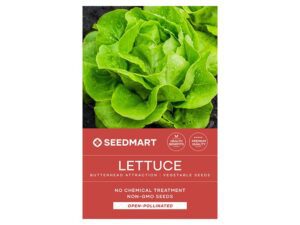
| Soft, tender heads | Buttercrunch | Forms tender butterhead-style leaves with a mild flavour and softer texture. |
| Cut-and-come-again harvests | Salad Bowl, Oakleaf and Grand Rapids | Loose growth allows individual outer leaves to be picked while plants continue developing. |
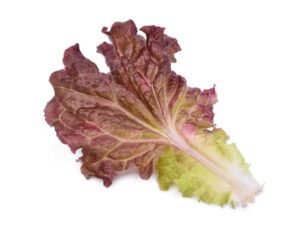
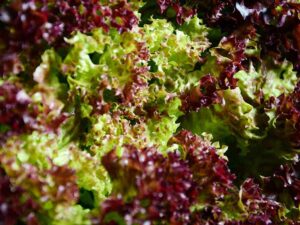
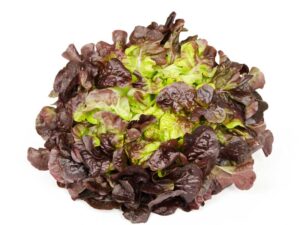
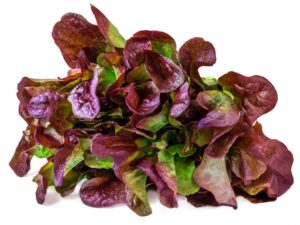
| Red leaf colour | Lolla Rossa, Red Oakleaf or Salad Bowl Red | Add burgundy and red tones to salad mixes, garden beds and market displays. |
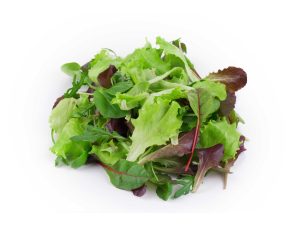
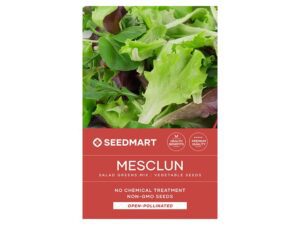
| Mixed salad production | Mixed Lettuce or Mesclun Salad Greens Mix | Provide variation in colour, texture and growth habit from a single sowing. |
| Compact lettuce hearts | Little Gem | Produces small upright heads that suit limited garden space and individual servings. |
| Baby-leaf production | Loose-leaf, oakleaf, multileaf and mixed varieties | Can be grown at closer spacing and harvested before complete heads develop. |
| Bulk vegetable production | Varieties available in larger seed quantities | Bulk packs may provide better value where substantial plant numbers are required. |
Cos lettuce forms upright leaves with firm ribs and a crisp texture. Little Gem produces a smaller, more compact cos-style head.
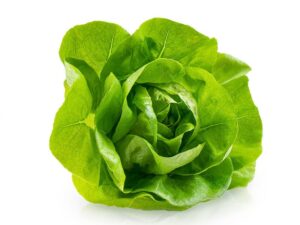
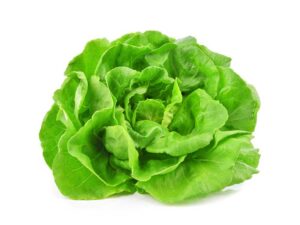
Butterhead lettuce produces soft, rounded leaves and a tender central head with a mild flavour.
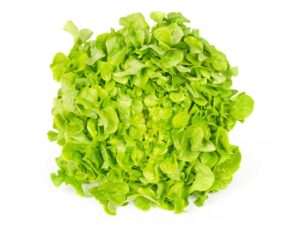
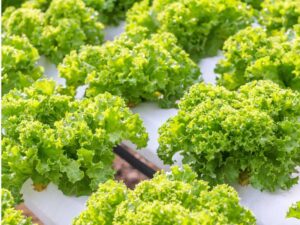
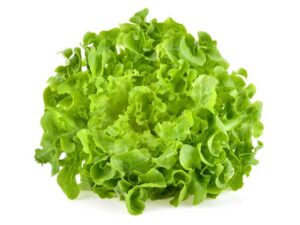
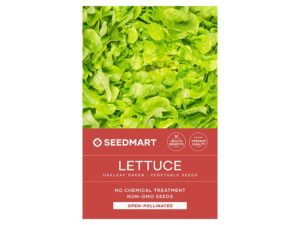
Oakleaf lettuce develops deeply lobed leaves and is particularly useful for repeated outer-leaf harvesting.
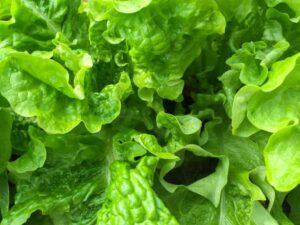
Loose-leaf varieties develop open plants rather than firm heads and provide fast, flexible harvests.
Lolla Rossa produces finely curled red leaves that add texture and colour to mixed salads.
Mixed seed combines several leafy types for varied colours, leaf shapes and harvest characteristics.
Cos and romaine are common names for the same general type of upright lettuce. In Australia, the name cos lettuce is more widely used, while North American seed catalogues and recipes commonly use the term romaine lettuce.
Searching for romaine lettuce seeds? In Australia, these are generally sold as cos lettuce seeds. Parris Island Cos and Little Gem are examples of upright cos-style lettuces.
| Loose-Leaf Lettuce | Heading Lettuce |
|---|---|
| Produces an open arrangement of leaves rather than a tightly enclosed head. | Develops a defined heart or head as the plant matures. |
| Can be harvested progressively by removing outer leaves. | Often harvested as a complete plant or compact heart. |
| Generally provides an earlier first harvest. | Usually requires more time and wider spacing. |
| Includes Salad Bowl, Oakleaf and Grand Rapids types. | Includes cos and butterhead lettuces such as Little Gem and Buttercrunch. |
| Particularly suitable for baby-leaf and cut-and-come-again production. | Suited to customers wanting complete, uniform lettuce heads. |
Lettuce grows most reliably during cool to mild weather. High temperatures can reduce germination, increase bitterness and encourage plants to bolt before a useful crop is harvested.
| Australian Climate | General Sowing Approach | Important Considerations |
|---|---|---|
| Tropical | Sow during the coolest and least humid part of the year. | Use heat-tolerant loose-leaf types and provide airflow, shade and careful irrigation. |
| Subtropical | Sow mainly from autumn through spring. | Summer production is more difficult and may require heat-tolerant varieties and afternoon shade. |
| Temperate | Sow through autumn, winter and spring, with careful summer production possible. | Use successive sowings and avoid exposing germinating seed to severe heat. |
| Cool temperate | Sow from spring through autumn and use protected growing during severe winter weather. | Growth may slow during frost, short days and very cold soil conditions. |
| Protected production | Sow throughout a longer period where temperature, irrigation, light and airflow can be managed. | Monitor humidity and prevent heat build-up inside protected structures. |
These planting periods are general guides. Local elevation, frost, seasonal weather and variety selection can alter the most suitable sowing time.
Yes. Lettuce is commonly grown through autumn and winter in many Australian regions. Cool conditions can produce crisp, tender leaves and delay premature flowering.
Growth becomes slower during short days, severe frost or prolonged cold. Use a sunny position, maintain drainage and protect tender seedlings where necessary.
Lettuce can grow during summer, but hot soil and high daytime or nighttime temperatures can reduce germination and accelerate bolting.
Lettuce seed generally germinates best under cool to mild conditions. Excessive heat can reduce or delay emergence.
Lettuce seed is small and should be covered only lightly with fine seed-raising mix or soil.
Keep the surface consistently moist without allowing the growing medium to become waterlogged.
Provide bright light promptly after germination to encourage compact green seedlings.
How long do lettuce seeds take to germinate? Lettuce commonly begins germinating within approximately 3–10 days under suitable conditions. Hot, dry or saturated growing media can delay or reduce emergence.
Do not bury lettuce seed deeply. Deep sowing, hot growing media and surface drying are common causes of poor emergence.
Lettuce can be direct-sown into prepared soil or raised in trays before transplanting. Both methods can be effective when moisture, pests and spacing are managed carefully.
| Direct Sowing | Raising Seedlings |
|---|---|
| Seed is planted where the crop will mature. | Seed is started in trays, cells or small pots. |
| Reduces transplant disturbance. | Provides more control over germination and early seedling care. |
| Requires careful thinning after emergence. | Allows plants to be set at the final required spacing. |
| Young seedlings require protection from drying, snails and slugs. | Seedlings can be protected until they are large enough to transplant. |
| Useful for baby-leaf rows and successive sowings. | Useful for heading varieties and planned commercial plantings. |
Lettuce spacing depends on the mature size of the variety and whether the crop is intended for baby leaves, repeated loose-leaf picking or complete heads.
| Growing Goal | General Spacing | Considerations |
|---|---|---|
| Baby leaf | Approximately 2–8 cm apart or densely sown in rows | Harvest before plants reach mature size. |
| Loose-leaf lettuce | Approximately 15–25 cm apart | Provides room for repeated outer-leaf harvesting. |
| Compact heads | Approximately 20–25 cm apart | Suitable for smaller types such as Little Gem. |
| Full-sized heads | Approximately 25–35 cm apart | Provides room for head formation and airflow. |
| Commercial rows | Depends on variety, machinery and market specification | Allow sufficient access for cultivation, inspection and harvest. |
Follow the product-specific directions where a variety requires different spacing.
Lettuce is well suited to pots because it has a relatively compact root system and can be harvested before plants become large.
Potted lettuce can dry quickly and requires consistent moisture to maintain tender growth.
Can lettuce grow in pots? Yes. Loose-leaf, oakleaf, butterhead and compact cos lettuces are particularly suitable for substantial, free-draining containers.
Lettuce generally grows well in full sun during cool weather. Approximately four to six hours of direct sunlight can support strong leaf development.
During warm conditions, morning sun with light afternoon shade may reduce heat stress and premature bolting. Deep shade can produce weak, elongated plants.
Growing time varies with variety, temperature, spacing and the stage at which the crop is harvested.
| Harvest Stage | Indicative Period | General Characteristics |
|---|---|---|
| Seed germination | Approximately 3–10 days | Rapid emergence under cool to mild, evenly moist conditions. |
| Baby leaf | Approximately 25–35 days | Tender leaves harvested before plants reach full size. |
| Loose-leaf harvest | Approximately 35–55 days | Outer leaves can be removed while the centre continues growing. |
| Compact heads | Approximately 45–65 days | Small cos or butterhead-style hearts suited to complete harvesting. |
| Full-sized heads | Approximately 55–80 days | Timing depends strongly on variety, season and temperature. |
These periods are general guides rather than guaranteed maturity dates. Check individual product pages for variety-specific information.
Lettuce can be harvested as baby leaves, mature outer leaves or complete plants. The best method depends on the variety and intended use.
| Harvest Method | Suitable Lettuce | How to Harvest |
|---|---|---|
| Baby-leaf cutting | Loose-leaf, oakleaf, multileaf and mixed lettuce | Cut young leaves above the growing point using clean scissors. |
| Outer-leaf picking | Salad Bowl, Oakleaf, Grand Rapids and similar open types | Remove the oldest usable outside leaves and leave the centre intact. |
| Complete-head harvest | Cos, Little Gem and Buttercrunch | Cut the stem close to soil level once the head reaches the required size. |
| Whole young plant | Closely spaced mini lettuces | Cut or lift the complete plant where regrowth is not required. |
Harvest lettuce while the leaves are crisp, fresh and appropriate for their intended use. Do not wait for plants to become excessively large, bitter or elongated.
Loose-leaf lettuce can continue growing when individual outer leaves are removed and the central growing point remains intact. This is commonly described as cut-and-come-again harvesting.
Baby-leaf crops cut above their growing points may produce a second flush, although the regrowth can be less uniform than the first harvest. Complete heads cut below the crown generally provide little useful regrowth.
Harvest from the outside in. Remove mature outer leaves while leaving the small central leaves and crown undamaged.
Bolting occurs when lettuce shifts from leaf production to flowering and develops an elongated central stem. It is a natural stage of plant maturity but reduces the quality of a leaf crop.
| Cause | Effect | Management Approach |
|---|---|---|
| High temperatures | Rapid flower-stem development and stronger flavour. | Plant during cooler weather and use afternoon shade where appropriate. |
| Long days | Mature plants are encouraged to enter flowering growth. | Choose seasonal varieties and harvest promptly. |
| Moisture stress | Plants may become tough or bolt prematurely. | Maintain more consistent soil moisture. |
| Plant maturity | Older plants naturally progress towards flowering. | Make successive sowings rather than retaining plants indefinitely. |
| Root restriction | Stress can reduce growth and encourage early maturity. | Provide adequate spacing and container size. |
Lettuce can develop a stronger or bitter flavour when plants are exposed to heat, drought, maturity or the beginning of flowering.
The seedbed may be too hot, too dry, saturated or covered too deeply.
Long, pale stems generally indicate insufficient light after germination.
Young lettuce plants are highly vulnerable to feeding during cool, damp weather.
Aphids can gather within curled leaves and compact hearts where they are difficult to detect.
Brown leaf margins can be associated with rapid growth, heat and irregular calcium movement within the plant.
Heat, long days, maturity and moisture stress can trigger flowering before the crop is fully harvested.
Heat, drought and overmaturity commonly produce stronger flavour and coarser texture.
Leaves touching wet soil, overcrowding and poor airflow can contribute to decay around the base.
Lettuce can be grown indoors where plants receive sufficient light, suitable temperatures, airflow and root space. Loose-leaf and baby-leaf varieties are generally easier to manage indoors than full-sized heading lettuces.
Lettuce can share garden space with crops that have compatible seasonal and moisture requirements. Its relatively compact root system and short growing period make it useful between slower-maturing vegetables.
| Planting Option | General Compatibility | Considerations |
|---|---|---|
| Radish | Both are fast-growing cool-season crops | Harvest radishes promptly so their leaves do not shade young lettuce. |
| Carrots | Carrots use deeper soil while lettuce occupies the surface | Keep rows clearly marked and avoid disturbing carrot seedlings during lettuce harvest. |
| Onions and spring onions | Upright growth uses relatively little horizontal space | Maintain sufficient moisture for all crops. |
| Peas | Share cool-season planting periods | Position pea supports so they provide only light rather than deep shade. |
| Broccoli and cabbage | Lettuce can use space between young brassica plants | Harvest lettuce before the brassicas develop a broad canopy. |
| Herbs and flowers | Can increase garden diversity and attract beneficial insects | Select plants suited to similar watering and seasonal conditions. |
Mixed lettuce seed combines several lettuce varieties, while mesclun may contain lettuce together with other salad greens. The exact composition should be checked on the individual product page.
| Mixed Lettuce | Mesclun Salad Mix |
|---|---|
| Generally combines several lettuce varieties. | May combine lettuce with rocket, mustard, endive or other salad greens. |
| Provides variation in lettuce colour and leaf shape. | Can provide a broader range of flavours and textures. |
| Often suitable for baby-leaf or loose-leaf harvesting. | Frequently grown as a mixed baby-leaf crop. |
| Crop growth may still vary between varieties. | Different species may germinate and mature at different rates. |
Check the mix composition before ordering. Ingredients, proportions and availability may change between products and seed lots.
Smaller quantities suit gardeners growing several varieties, making successive sowings or producing a household supply of fresh leaves.
Larger quantities may suit growers producing baby leaf, mature heads, transplants or repeated seasonal crops.
Compare commercial value by more than seed price. Germination, crop uniformity, saleable head percentage, leaf yield, harvest labour and shelf life all influence the real value of a lettuce crop.
Commercial lettuce production requires careful variety selection, seasonal planning and harvest scheduling. Germination, plant uniformity, head specification, crop density, field losses and market requirements all influence production efficiency.
Even emergence helps create uniform plantings and predictable harvest schedules.
Baby leaf, loose-leaf bunches, compact hearts and full heads require different spacing and management.
Select varieties according to temperature, day length and the intended production window.
Harvest timing, leaf dryness, rapid cooling and careful handling affect shelf life and market presentation.
Australian lettuce seed availability can vary. Commercial growers should confirm current stock, pack size, treatment status and required quantity before finalising sowing schedules.
Sow lettuce seed shallowly in moist, fine seed-raising mix or prepared garden soil. Maintain cool to mild conditions, keep the surface consistently moist and provide bright light after germination. Thin or transplant seedlings to the spacing required for baby leaves, loose-leaf plants or complete heads.
Lettuce seeds commonly germinate within approximately 3–10 days under cool to mild, evenly moist conditions. Hot soil can delay or substantially reduce emergence.
Cover lettuce seed with only approximately 3–5 mm of fine soil or seed-raising mix. Avoid deep planting.
Yes. Lettuce can be direct-sown into a fine, prepared seedbed. Keep the surface moist and thin seedlings after emergence to provide the required spacing.
Lettuce is generally planted for cool to mild conditions. In subtropical areas, sow mainly from autumn through spring. In temperate and cool climates, sowing can continue through a longer part of the year where severe heat or frost is avoided.
Yes. Lettuce is well suited to winter production in many Australian climates, although growth slows during severe cold and short days.
Yes, but heat can reduce germination and cause bolting. Choose suitable loose-leaf varieties, provide afternoon shade and maintain consistent moisture.
Lettuce generally grows well in full sun during cool weather. Light afternoon shade can improve leaf quality and reduce heat stress during warmer conditions.
Yes. Use a container with effective drainage and premium potting mix. Loose-leaf, oakleaf, butterhead and compact cos varieties are particularly suitable for pots.
Baby-leaf crops can be grown closely, while loose-leaf plants generally require approximately 15–25 cm and full-sized heads around 25–35 cm. Follow variety-specific directions where provided.
Baby leaves may be ready within approximately 25–35 days, loose-leaf crops in around 35–55 days and full heads in approximately 55–80 days, depending on variety and conditions.
Harvest loose-leaf lettuce by removing the oldest outer leaves while leaving the central growth intact. Heading lettuce can be cut at the base once the head reaches the required size.
Loose-leaf lettuce continues growing when outer leaves are harvested and the central crown remains intact. Complete heads cut below the growing point generally provide little useful regrowth.
Cut-and-come-again describes lettuce harvested gradually rather than as a complete head. Outer leaves or baby growth are cut while sufficient central growth remains for another harvest.
Bolting is commonly triggered by heat, long days, plant maturity or moisture stress. Plant during cooler weather, maintain consistent moisture and harvest promptly.
Heat, drought, maturity and the beginning of flowering can produce stronger or bitter leaves. Harvest young growth and maintain steady moisture.
Yes. Cos and romaine are regional names for the same general upright lettuce type. Cos is the name more commonly used in Australia.
Butterhead lettuce forms a loose to moderately compact head of soft, rounded leaves. Buttercrunch is a well-known butterhead-style variety.
Oakleaf lettuce produces deeply lobed leaves resembling the shape of oak foliage. It is available in green and red forms and suits repeated outer-leaf harvesting.
Not always. Mixed lettuce generally combines several lettuce varieties, while mesclun may also include rocket, mustard, endive or other salad greens.
Yes. Indoor lettuce requires bright light, cool to mild temperatures, consistent moisture and good airflow. Baby-leaf and loose-leaf varieties are usually easier to manage indoors than large heading types.
Seed can be saved from suitable open-pollinated varieties. Allow selected plants to bolt, flower and produce mature dry seed. Lettuce can cross-pollinate at low levels, so separation is advisable where varietal purity is important.
Lettuce seed for Australian growers
Seedmart supplies lettuce seed for backyard gardens, container growing, cafés, restaurants, market gardens and larger vegetable production. The range includes cos, butterhead, oakleaf, loose-leaf and mixed varieties, with larger quantities available on selected lines.
Review the individual product pages for current availability, pack options, leaf characteristics and variety-specific growing information before ordering.