

Pasture Grasses
Rhodes grass and suitable panic grasses can establish grazing pasture in appropriate environments. Persistence and feed production depend on variety, fertility, rainfall and grazing management.
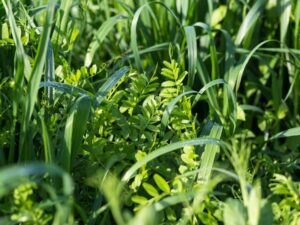


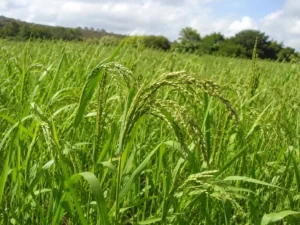
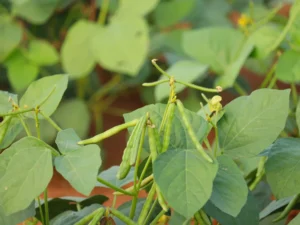
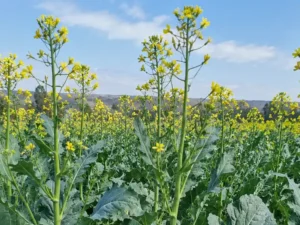
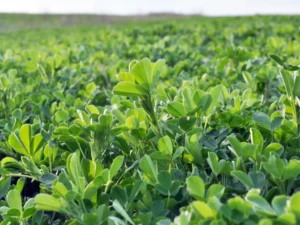
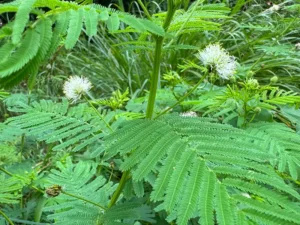
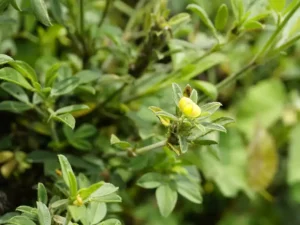

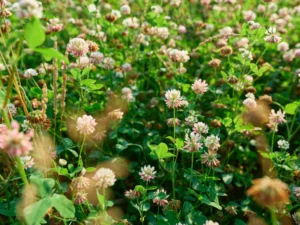
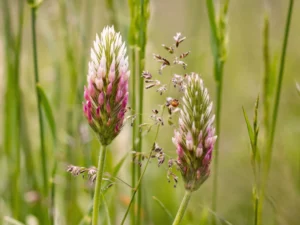


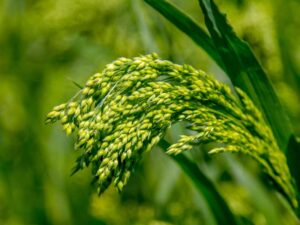

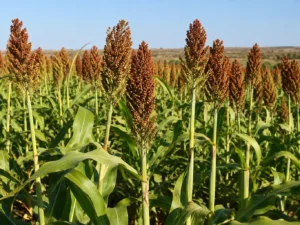
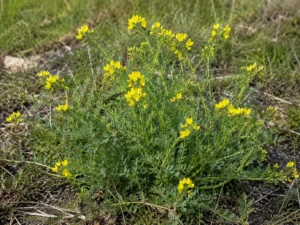








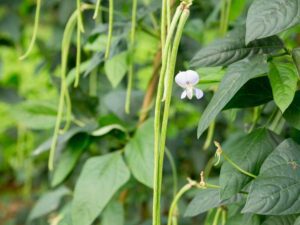
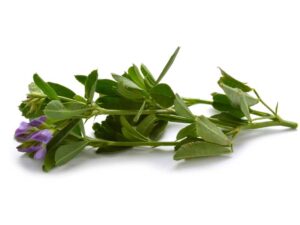




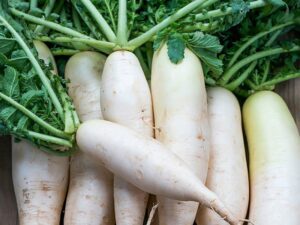
Australian pasture and cover crop growing guide
Different seeds serve different purposes. Pasture grasses and legumes establish grazing areas for livestock; forage crops produce feed for grazing, hay or silage; cover crops protect soil between plantings; and green manure crops are grown to return plant material to the soil.
Many species can serve more than one purpose, depending on their variety and management. Choose seeds according to your climate, soil, rainfall, intended use and whether the crop will be grazed, harvested, maintained or terminated.
Suitable pasture and forage species provide grazing or conserved feed when managed for the relevant livestock.
Roots and crop residues contribute organic material to soil over time.
Compatible legumes can fix nitrogen when effective rhizobia are present and growing conditions are suitable.
Well-established, vigorous plant cover can reduce the light and space available to weeds.
Living roots and ground cover help protect exposed soil from wind and rainfall.
Fibrous roots and taproots can support soil aggregation and create channels as they decay.
Living roots and plant residues provide resources for soil organisms.
Seasonal crops and mixtures can add plant diversity between horticultural or field crops.
These terms describe how crops are used, not necessarily separate botanical groups. For example, a cereal may be grown for grazing, soil cover or biomass, but management and livestock safety requirements differ.
| Use | Main Objective | Typical Management |
|---|---|---|
| Pasture | Establish grazing vegetation, often for repeated use. | Manage establishment, grazing pressure and recovery; select species suited to the animals and location. |
| Forage | Produce feed for grazing, hay, silage or cut-and-carry. | Harvest or graze at appropriate growth stages, observing species-specific feeding precautions. |
| Cover Crop | Protect soil, compete with weeds and maintain living roots. | Grow between cash crops or in inter-rows; mow, graze or terminate where appropriate. |
| Green Manure | Return biomass and nutrients to soil before the next crop. | Terminate and leave residues on the surface or incorporate them shallowly. |
Start with the intended result, then check climate, sowing window, rainfall, soil conditions and management requirements.
| Your Main Objective | Possible Crops | Key Considerations |
|---|---|---|
| Establish grazing pasture | Rhodes grass, panic grasses and suitable pasture legumes | Choose locally adapted species and varieties; consider persistence, grazing tolerance and livestock suitability. |
| Produce seasonal forage | Forage sorghum, oats, forage millet and selected legumes | Feed value, grazing stage, regrowth and animal safety vary by species and conditions. |
| Fix nitrogen | Clovers, vetches, cowpeas, medics and other legumes | Effective rhizobia, suitable soil conditions and appropriate inoculation may be required. |
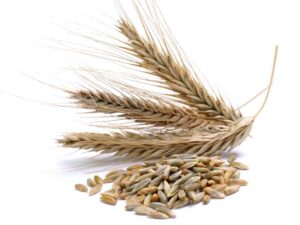
| Build biomass | Oats, cereal rye, millet and sunn hemp | Choose by season and moisture; plan how tall or fibrous growth will be managed. |
| Suppress weeds | Buckwheat, cereals and vigorous cover crop mixes | Good establishment and adequate plant density are essential. |
| Improve compacted topsoil | Tillage radish, forage radish and mixed-root cover crops | Roots may improve biological channels but will not reliably correct severe compaction alone. |
| Protect bare soil | Seasonally suitable cereals, grasses, legumes and mixes | Match establishment speed and ground cover to erosion risk and rainfall. |
| Support beneficial insects | Phacelia, buckwheat and flowering clovers | Flowering requires suitable growing conditions and time before termination. |
Rhodes grass and suitable panic grasses can establish grazing pasture in appropriate environments. Persistence and feed production depend on variety, fertility, rainfall and grazing management.
Oats, forage sorghum and some millets can produce seasonal feed or biomass. Check animal safety guidance, including risks associated with some sorghums under stress or after frost.
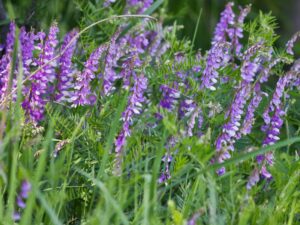
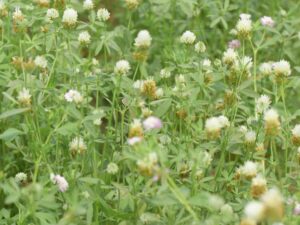
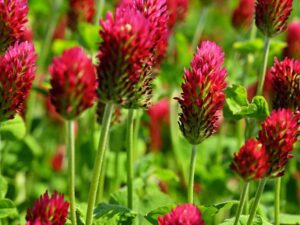
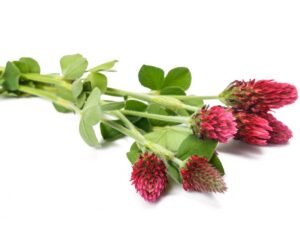
Clovers, vetches, cowpeas, medics, stylo and other legumes may contribute nitrogen and, where suitable, feed. Legume species differ in inoculation, grazing and climate requirements.
Tillage radish, buckwheat, phacelia and selected brassicas offer different root, cover and flowering characteristics. Select them for the specific soil or rotation objective.
Useful when one objective, growing season or management method is the priority.
Can combine complementary growth habits and functions when species are compatible.
Sowing windows differ substantially across Australia. Soil temperature, seasonal rainfall and the time available before grazing, harvest or termination are more useful guides than the calendar alone.
| Season | General Options | Typical Use |
|---|---|---|
| Autumn | Oats, cereal rye, vetches, field peas and locally suited cool-season pasture species | Cool-season forage, winter cover and soil improvement. |
| Winter | Cold-tolerant cereals and legumes where soil and climate permit establishment | Maintain cover and produce cool-season growth. |
| Spring | Cool-season species or warm-season crops once soil is sufficiently warm | Seasonal transitions, forage and preparation for summer. |
| Summer | Cowpea, sunn hemp, suitable millets, forage sorghum and warm-season pasture grasses | Warm-season cover, biomass or forage with adequate moisture. |
These are broad seasonal examples, not fixed sowing dates. Check the individual product page and local agronomic advice before sowing.
| Climate | Possible Options | Points to Consider |
|---|---|---|
| Tropical | Locally adapted tropical pasture grasses and legumes, cowpea and warm-season covers | Plan around rainfall, drainage and establishment before dry periods. |
| Subtropical | Rhodes grass, suitable panic grasses, summer legumes and seasonal cover crop mixes | Warm- and cool-season options suit different planting windows. |
| Temperate | Oats, rye, vetches, field peas, clovers and locally suited pasture mixes | Match frost tolerance and moisture needs to the growing season. |
| Cool | Cold-tolerant cereals, legumes and pasture species | Low soil temperatures can slow germination and establishment. |
| Arid or Low Rainfall | Locally adapted species selected for available moisture | Conserve soil moisture and avoid planting a cover crop that compromises the following crop. |
| Crop Use | Management Approach |
|---|---|
| Pasture | Allow establishment before first grazing. Manage stocking pressure, rest periods and ground cover to support persistence. |
| Forage | Graze or harvest at suitable growth stages. Observe species-specific feed quality and livestock safety guidance. |
| Cover Crop | Maintain cover for the intended period, then mow, slash, roll or terminate as appropriate. Prevent unwanted seed set. |
| Green Manure | Often terminate before mature seed forms, commonly around budding to early flowering where appropriate. Leave residues as mulch or incorporate shallowly. |
After terminating green manure, allow residues to begin decomposing before sowing a sensitive following crop. Approximately two to four weeks is a general starting point for many incorporated green manures, not a universal rule. High-carbon residues, dry or cold conditions and some allelopathic crops can require longer intervals.
Select adapted pasture grasses and legumes for the livestock class, local conditions and intended grazing system. Consider persistence, feed availability and weed control.
Choose seasonal forage crops for grazing or conserved feed, and plan sowing, harvest and animal safety around the species and conditions.
Inter-row cover crops can reduce exposed soil and provide habitat for beneficial insects. Manage competition for water and nutrients.
Use green manure and cover crops within rotations to provide biomass, protect soil and manage fallow periods.
Choose manageable, seasonally appropriate green manure species for short growing windows and terminate before the next planting.
Choose species suited to site conditions and project specifications. Check local weed risk, provenance and whether introduced pasture species are appropriate for the site.
Pasture seeds are selected primarily to establish grazing vegetation. Cover crop seeds are selected to protect and improve soil between plantings. Some species can perform both roles, but not every cover crop is suitable for grazing.
Some can, but suitability depends on the species, variety, growth stage and animal. Check feeding hazards, any chemical treatments and local veterinary or agronomic guidance before grazing.
Selection depends on location, soil, rainfall, livestock, management and whether permanent or short-term pasture is required. Locally adapted grasses and compatible pasture legumes may be appropriate.
Suitable legumes such as clovers, vetches, cowpeas and medics can fix atmospheric nitrogen when effective rhizobia are present. Inoculation may be necessary for successful nodulation.
No. Depending on the crop and system, residues may be left as surface mulch, lightly incorporated or otherwise managed. Termination must be effective to prevent unwanted regrowth.
Buckwheat, suitable millets and cowpeas can establish quickly in warm conditions when moisture and soil temperatures are suitable. The best choice depends on your region and intended use.
There is no universal rate. Rates vary by species, seed size, seed quality, coating, establishment method and intended use. Refer to the product-specific sowing guidance.
Fibrous grasses and deep-rooted species can support soil aggregation and biological channels over time. Severe compaction, drainage problems or sodicity may also require other management measures.
Green manure can contribute organic matter and nutrient cycling, while suitable legumes may add nitrogen. It does not necessarily correct phosphorus, potassium or other nutrient deficiencies. Soil testing remains useful.
Sometimes, but suitability depends on the rehabilitation objective and site requirements. Introduced pasture species may be inappropriate in native vegetation restoration or environmentally sensitive sites.
Small packs and bulk quantities
Seedmart supplies seed for grazing pastures, forage production, soil improvement, seasonal cover cropping and selected rehabilitation applications.
Available pack sizes vary by product, with bulk quantities offered across many varieties. Check each product page for sowing rates, seasonal suitability and management requirements.