


Spinach and Corn Salad
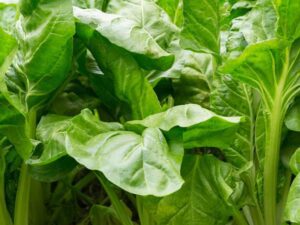
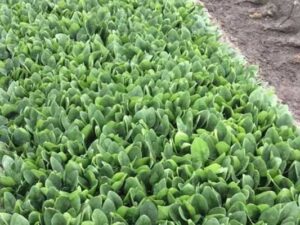
These tender greens have a relatively mild flavour and can be used in salads, sandwiches and a wide range of cooked dishes.













Leafy green seed buying guide
Leafy greens are vegetables grown primarily for their edible leaves, stems and young shoots. They range from tender salad crops and mild spinach varieties to robust silverbeet, kale, mustard greens and other vegetables commonly used in cooked dishes.
Seedmart supplies leafy green seeds for home gardeners, market gardeners, restaurants and commercial growers throughout Australia. The range includes quick-growing baby leaf crops, productive cut-and-come-again vegetables and mature bunching varieties available in packet and bulk quantities.
The best leafy green seed will depend on your climate, planting season, available space, preferred flavour and whether the crop will be harvested as baby leaf or allowed to reach maturity.
Many leafy vegetables can be harvested young, making them suitable for gardeners and growers seeking relatively short crop cycles.
Silverbeet, kale, rocket and several other varieties can provide multiple harvests when outer leaves are picked carefully.
Many leafy greens grow well in raised beds and containers where sufficient light, soil depth and moisture are provided.
Choose from mild, sweet, peppery, mustard-like, earthy and pleasantly bitter varieties in green, red and purple tones.
Use freshly harvested leaves in salads, sandwiches, stir-fries, soups, pasta, curries and other cooked dishes.
Select smaller packs for home growing or larger quantities for frequent sowing, market gardens and commercial production.
Some leafy vegetables are selected for tender baby leaves, while others are grown for mature bunches, repeated picking, colour or distinctive flavour.
| Growing Goal | Recommended Varieties | Why Choose Them? |
|---|---|---|
| Easy for beginners | Silverbeet, kale, rocket and mizuna | Reliable crops that can produce useful harvests under suitable seasonal conditions. |
| Baby leaf production | Baby spinach, mizuna, rocket, mustard greens and lettuce mixes | Suitable for harvesting while leaves are young, tender and compact. |
| Repeated harvests | Silverbeet, kale, rocket and perpetual spinach | Outer leaves can be harvested progressively while the central growing point remains intact. |
| Mild flavour | Spinach, silverbeet, corn salad and selected lettuce mixes | Versatile leaves suited to salads, sandwiches and mild cooked dishes. |
| Peppery or spicy flavour | Rocket, wild rocket, mizuna and mustard greens | Add noticeable flavour to salads, mixed leaves, stir-fries and garnishes. |
| Cooking greens | Silverbeet, kale, spinach, spigariello and broccoli raab | Substantial leaves and stems suited to steaming, sautéing, soups and braised dishes. |
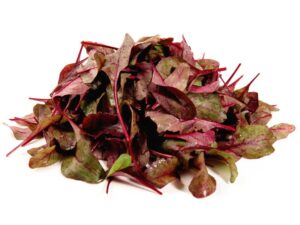
| Colourful leaves | Ruby red silverbeet, red mustard, purple mizuna and Bull’s Blood beetroot | Provide red, burgundy and purple tones for mixed leaves and specialty produce. |
| Market garden production | Spinach, silverbeet, rocket, kale, mustard greens and salad mixes | Recognisable crops suitable for repeated sowing, bunching or baby leaf production. |
These tender greens have a relatively mild flavour and can be used in salads, sandwiches and a wide range of cooked dishes.
Silverbeet and beetroot leaves provide substantial texture and a mild earthy character that suits cooking.
Rocket adds fresh peppery flavour to salads, pizzas, sandwiches, pasta and mixed leaf products.
These varieties range from mildly peppery to strongly mustard-like, depending on the variety, growing conditions and harvest stage.
These substantial cooking greens develop firm leaves with distinctive brassica flavour.
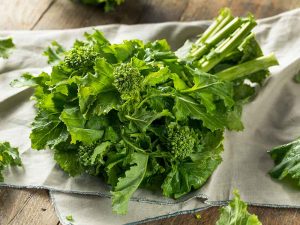
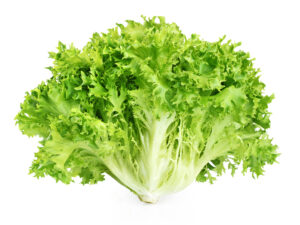
Endive and broccoli raab provide a more pronounced flavour suited to mixed salads, sautéed vegetables and traditional cooked dishes.
The same vegetable may be harvested at different stages depending on the preferred flavour, texture, yield and market.
| Harvest Type | Suitable Examples | General Characteristics |
|---|---|---|
| Baby leaf | Spinach, rocket, mizuna, mustard greens, kale and salad mixes | Harvested young for tender leaves, compact size and relatively short production cycles. |
| Cut-and-come-again | Rocket, mizuna, silverbeet and selected lettuce mixes | Leaves are cut above the growing point so the plant can produce additional growth. |
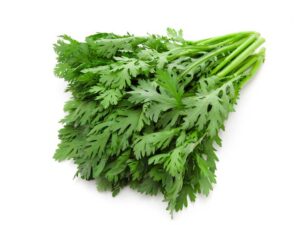
| Mature bunching | Silverbeet, kale, spinach, broccoli raab and edible chrysanthemum | Plants are allowed to develop larger leaves and stems before being picked or cut. |
| Individual outer leaves | Silverbeet, perpetual spinach and kale | Outer leaves are harvested progressively while younger central growth remains on the plant. |
| Mixed salad leaves | Mesclun, mixed lettuce, rocket, mizuna and mustard greens | Different varieties may be combined to provide contrasting colours, flavours and leaf shapes. |
Many leafy vegetables perform best during mild conditions, but the category also includes crops suited to warmer periods.
| Growing Group | Examples | General Growing Conditions |
|---|---|---|
| Cool-season tender greens | Spinach, corn salad and lettuce mixes | Generally produce their best leaf quality during cool to mild conditions. |
| Cool-season brassica greens | Kale, mizuna, mustard greens, broccoli raab and spigariello | Prefer mild growing weather, although tolerance varies between varieties. |
| Broad-season productive greens | Silverbeet and perpetual spinach | Adaptable crops that can remain productive across an extended period when local conditions are suitable. |
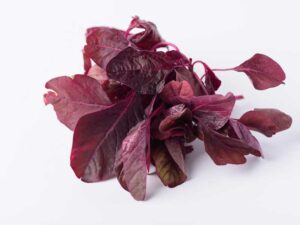
| Warm-season leafy crops | Amaranth | Prefers warm soil and air temperatures and can provide leafy harvests during hotter weather. |
| Specialty seasonal greens | Edible chrysanthemum and endive | Planting time should be matched carefully to local temperatures and the variety’s growing requirements. |
Planting times vary across Australia’s tropical, subtropical, temperate and cool-climate regions. Check the individual product description for more specific sowing information.
Spinach, kale, rocket, mizuna, mustard greens, endive and corn salad generally perform well during the milder parts of the year.
Many cool-season leafy vegetables are best planted during the mildest part of the year. Warm-season amaranth can be used when conditions become too hot for spinach and other cool-loving greens.
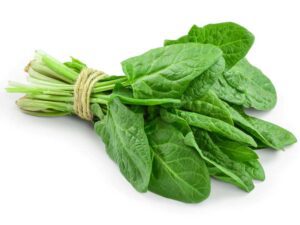
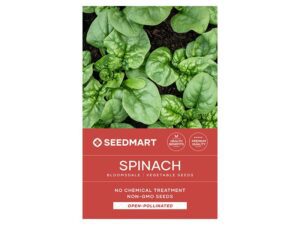
Spinach produces tender leaves suited to salads, cooking and baby leaf production. It generally performs best in cool to mild conditions.
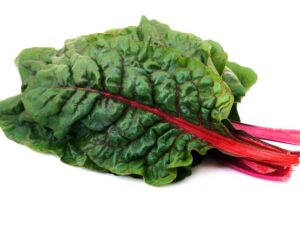
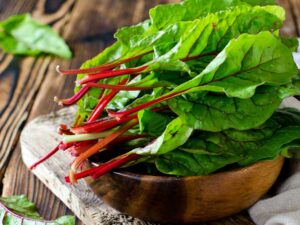
Silverbeet is a productive leafy vegetable with substantial leaves and edible stems. Green and coloured-stemmed varieties are available.
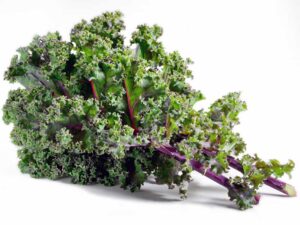
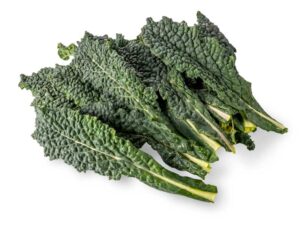
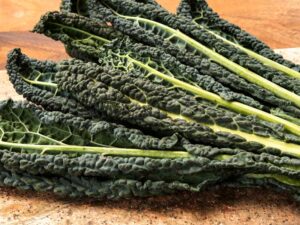
Kale develops robust leaves that may be picked young or allowed to mature. Varieties differ in leaf shape, colour and texture.
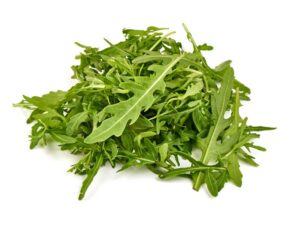
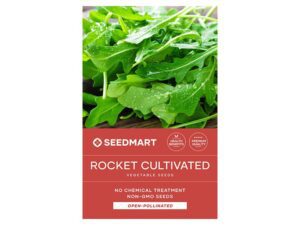
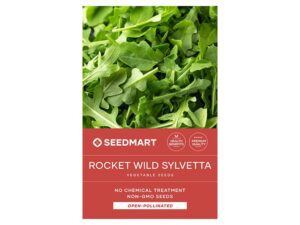
Cultivated rocket grows quickly and produces broad peppery leaves, while wild rocket generally develops narrower leaves and a stronger flavour.
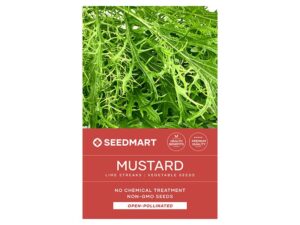
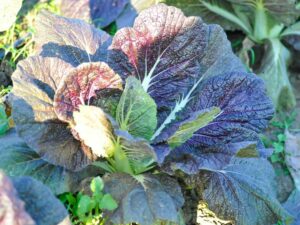
Mustard greens are grown for colourful leaves and distinctive spicy flavour. Young leaves may be used fresh, while mature leaves are often cooked.
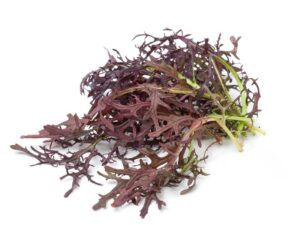
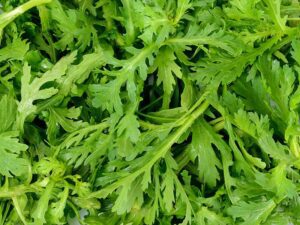
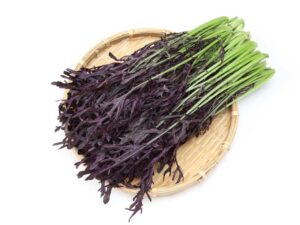
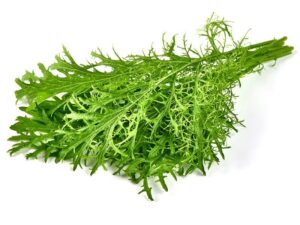
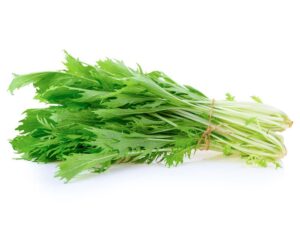
Mizuna produces finely divided leaves with a mild mustard flavour. It is suitable for salads, stir-fries and repeated young-leaf harvesting.
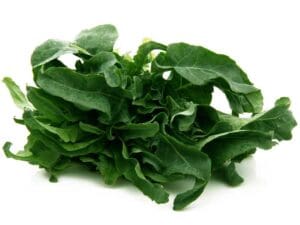
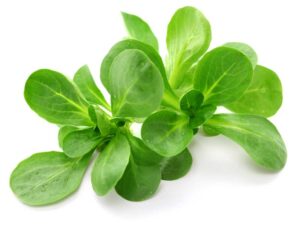
Endive provides crisp leaves with a pleasantly bitter character, while corn salad produces tender rosettes with a mild flavour.
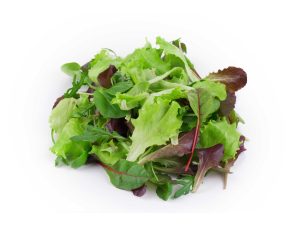
Mesclun and mixed lettuce blends combine several leaf forms, colours and flavours in a single sowing.
Many leafy vegetables are well suited to compact gardens because they can be planted more closely than large fruiting crops and harvested before reaching full maturity.
Spinach, rocket, mizuna, mustard greens, corn salad and mixed salad leaves can be grown in containers with sufficient drainage and suitable potting media.
Raised beds provide room for larger silverbeet, kale and mature spinach plants while also supporting successive rows of baby leaf vegetables.
Smaller seed quantities are suitable for household gardens, raised beds, containers and growers trialling new varieties.
Bulk leafy green seed can be more economical for growers producing repeated crops, bunches, mixed leaves or baby leaf vegetables.
Commercial leafy green production requires more than choosing the lowest-cost seed. Crop uniformity, seasonal suitability, harvest method, shelf life and customer demand all affect the value of the finished crop.
Even emergence helps produce consistent baby leaf crops and makes mature bunching vegetables easier to manage.
Consider whether the crop will be cut mechanically, hand-picked as outer leaves, sold in bunches or harvested as a mixed baby leaf product.
A variety that performs well in winter may bolt rapidly or develop poor leaf quality during warm conditions.
Select varieties according to the requirements of local households, grocers, restaurants, farmers markets and other buyers.
Silverbeet, kale, rocket and mizuna are useful starting points when planted during suitable conditions. The easiest variety will depend on your local climate, season and available growing space.
Rocket, mizuna, mustard greens and many mixed salad leaves can produce relatively fast young-leaf harvests. Crops grown to full size require more time than those harvested as baby leaves.
Most spinach, kale, rocket, mizuna, mustard greens, endive and corn salad varieties prefer cool to mild growing conditions. Warm-season amaranth should be planted when temperatures are consistently warm. Check the individual product page for regional guidance.
Yes. Many leafy greens grow well in pots, troughs and raised planters. Use a suitable growing medium, provide adequate drainage and select a container deep enough for the mature size of the crop.
Cut-and-come-again harvesting involves removing leaves above the central growing point so the plant can produce another flush of growth. Rocket, mizuna and some salad mixes are commonly grown using this method.
True spinach and silverbeet are different crops. Spinach generally produces smaller, softer leaves and prefers cooler conditions. Silverbeet develops larger leaves with substantial edible stems and often remains productive over a longer period.
Many can. Silverbeet, perpetual spinach and kale may be harvested by removing the oldest outer leaves while leaving the central growth intact. Harvesting method varies by crop.
Plant cool-season varieties during suitable mild weather, maintain steady moisture and avoid unnecessary root disturbance. Heat, long days, drought stress and overcrowding can encourage premature flowering.
Leafy greens can be grown indoors where they receive sufficient light, airflow and growing space. Indoor conditions must still support healthy root growth and prevent excessive moisture around the leaves.
The quantity depends on seed size, growing area, planting density and harvest stage. Baby leaf crops are generally sown more densely than vegetables grown to full maturity. Check each product page and conduct a small trial before large commercial sowings.
Yes. Young beetroot leaves can be harvested for mixed leaf production, although removing too many leaves from plants intended for root production may reduce root development.
Product specifications can vary between varieties and seed lots. Review the individual product page for information about variety type, seed treatment, germination and other relevant specifications before ordering.
Leafy green seeds for Australian growers
Seedmart supplies leafy green seed for household gardens, raised beds, restaurants, market gardens and commercial production. The range includes spinach, silverbeet, kale, rocket, mustard greens, mizuna, salad mixes and specialty leafy vegetables.
Review the individual product pages for available pack sizes, sowing guidance, planting seasons and variety-specific information before ordering.