
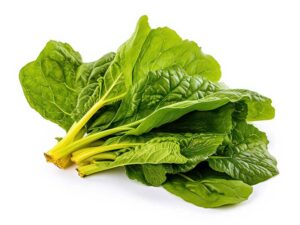
Golden Acre
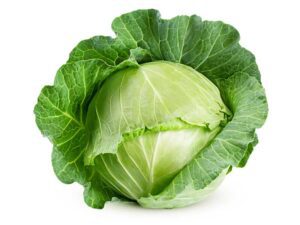
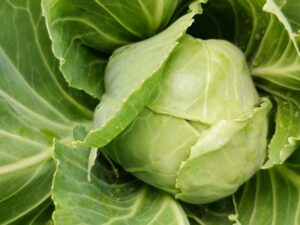
Golden Acre produces relatively compact round green heads and is commonly selected for early crops, smaller gardens and succession planting.


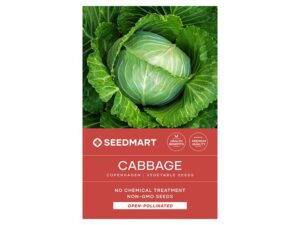
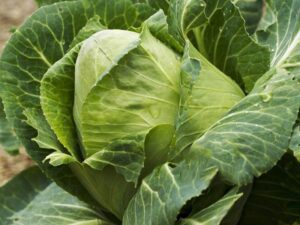
Cabbage seed buying and growing guide
Cabbage is a cool-season brassica grown for its tightly formed heads of overlapping leaves. Varieties differ in head size, shape, colour, maturity, flavour, seasonal performance and suitability for fresh eating, cooking, fermenting, storage or commercial production.
Seedmart supplies cabbage seeds for home gardeners, market gardeners and commercial vegetable growers throughout Australia. Choose from compact green cabbage, traditional round-headed varieties, red cabbage, conical sugarloaf types, Chinese cabbage and specialty leafy forms.
The best cabbage seed will depend on your climate, available growing space, planting season, preferred head size and intended culinary or commercial use.
Well-grown cabbage develops substantial heads suitable for fresh eating, cooking, fermenting and preserving.
Choose faster compact varieties or larger types requiring a longer growing period.
Mini and compact cabbages suit smaller beds, while larger varieties are useful for field and market production.
Grow traditional green cabbage or select red cabbage for contrasting colour in gardens, salads and market displays.
Use cabbage fresh, steamed, braised, roasted, stir-fried, pickled or fermented.
Choose smaller packs for home gardens or larger quantities for repeated and commercial planting.
Some cabbage varieties are selected for early harvests and compact heads, while others are grown for larger yields, colour, storage, fresh eating or specialty production.
| Growing Goal | Recommended Varieties | Why Choose Them? |
|---|---|---|
| Compact gardens | Mini Cabbage and Golden Acre | Smaller plants and heads are easier to fit into raised beds and limited growing spaces. |
| Early harvests | Golden Acre and Mini Cabbage | Compact varieties generally mature sooner than large main-season cabbage. |
| Traditional green heads | Copenhagen Market and Golden Acre | Produce familiar rounded green cabbage heads for general household and market use. |
| Red cabbage | Red Acre | Develops compact red-purple heads for salads, cooking, pickling and colourful market presentation. |
| Sweet tender leaves | Charleston Wakefield Sugarloaf | Produces conical heads with tender leaves and a mild, sweet flavour. |
| Asian cooking | Chinese Cabbage | Forms elongated or upright heads with crisp ribs and tender leaves suited to stir-fries and fermenting. |
| Market garden production | Copenhagen Market, Golden Acre and Red Acre | Recognisable varieties suited to scheduled plantings, fresh sales and vegetable boxes. |
| Specialty leafy production | Ethiopian Cabbage | Grown primarily for edible leaves rather than a conventional dense cabbage head. |
Golden Acre produces relatively compact round green heads and is commonly selected for early crops, smaller gardens and succession planting.
Copenhagen Market develops larger rounded green heads suitable for home gardens, market production and general culinary use.
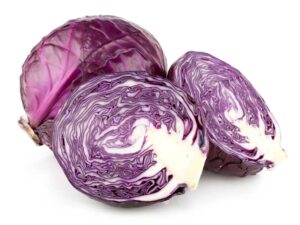
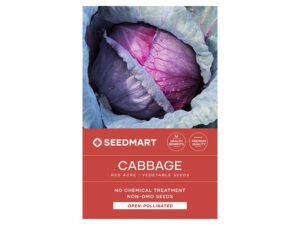
Red Acre forms compact red-purple heads that add colour to fresh salads, cooked dishes, pickles and market displays.
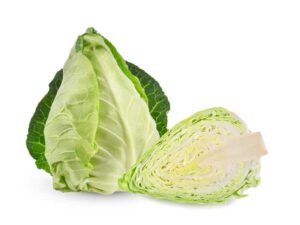
Sugarloaf cabbage produces pointed or conical green heads with relatively tender leaves and mild flavour.
Mini cabbage is useful for compact garden plantings, smaller household portions and growers seeking reduced head size.
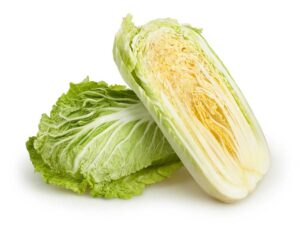
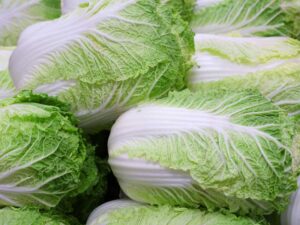
Chinese cabbage produces crisp ribs and tender leaves in an upright or elongated head distinctly different from round European cabbage.
Head colour and shape influence garden space, culinary use, harvest presentation and customer preference.
| Cabbage Type | General Characteristics | Suitable Uses |
|---|---|---|
| Round green cabbage | Firm, layered green heads with broad culinary versatility. | Slaws, soups, braised dishes, roasting, fermenting and general cooking. |
| Red cabbage | Dense red-purple heads with crisp leaves and strong visual colour. | Fresh salads, pickling, braising, roasting and colourful vegetable mixes. |
| Sugarloaf cabbage | Pointed or conical heads with relatively tender, mild leaves. | Fresh eating, steaming, stir-fries and cooked vegetable dishes. |
| Mini cabbage | Smaller plants and heads requiring less space than large main-season varieties. | Small households, compact gardens, raised beds and individual retail heads. |
| Chinese cabbage | Upright heads with crisp white ribs and lighter, tender leaves. | Stir-fries, soups, dumplings, salads, pickling and fermentation. |
| Leaf cabbage | Produces edible foliage without necessarily forming a dense round head. | Repeated leaf harvests, cooked greens and specialty vegetable production. |
Cabbage generally performs best during cool to mild weather. It requires fertile soil, consistent moisture and enough space for the leaves to expand and form a firm central head.
Plant cabbage so head development occurs during cool or mild conditions rather than prolonged extreme heat.
Cabbage is a relatively heavy-feeding vegetable and performs best in improved soil with adequate organic matter and balanced fertility.
Steady watering supports even growth and firm head formation. Severe moisture fluctuations can reduce quality.
Monitor seedlings and developing heads for caterpillars, aphids, slugs, snails and other common brassica pests.
The best planting time depends on local temperatures and the maturity of the variety. In warm regions, cabbage is usually grown through the coolest part of the year. Cooler districts have a broader planting window.
| Climate Zone | General Sowing Period | Growing Notes |
|---|---|---|
| Cool | August to March | Sow from late winter through summer, allowing plants to establish before severe cold or late-season heat. |
| Temperate | January to September | Late summer, autumn and winter plantings are generally reliable, with spring crops possible in mild districts. |
| Subtropical | February to August | Grow through autumn and winter so heads mature before hot and humid conditions return. |
| Tropical | April to July | Plant only during the coolest dry-season period and select locally suitable varieties. |
| Arid | February to May and August to October | Avoid midsummer heat and maintain reliable irrigation throughout head development. |
These planting periods are general guides. Local frost dates, elevation, rainfall, seasonal temperatures and extreme weather should also be considered.
Regional planting periods should be adjusted according to local heat, frost and rainfall patterns.
| Location | General Planting Guide | Key Considerations |
|---|---|---|
| Brisbane and South East Queensland | February to August | Concentrate planting through autumn and winter so heads mature before summer heat and humidity. |
| Sydney and coastal New South Wales | January to September | Late summer through winter is generally reliable, with spring planting possible in cooler coastal districts. |
| Inland New South Wales | February to May and August to October | Avoid severe frost during establishment and extreme summer temperatures during heading. |
| Melbourne and Victoria | January to September | Autumn and winter crops are reliable, while spring and summer planting depends on local heat and irrigation. |
| Adelaide and South Australia | February to August | Grow through cooler conditions and provide consistent irrigation during dry periods. |
| Perth and south-west Western Australia | February to August | Autumn and winter generally provide the most favourable conditions for firm heads. |
| Tasmania | August to March | Use the longer cool growing season while allowing for severe local frost and slow winter growth. |
| Darwin and tropical northern Australia | April to July | Grow only during the coolest dry-season conditions and monitor closely for heat stress. |
Cabbage may be sown into seedling trays, punnets or a protected seedbed before transplanting, or direct-sown where local conditions are favourable. Raising seedlings separately provides greater control over spacing and early pest protection.
Plant cabbage seeds approximately 5–10 mm deep. The seed should be covered lightly but not buried deeply.
Cabbage seed planted too deeply may germinate slowly or fail to emerge. Seed left completely exposed can dry out or move during watering.
Use a fine, clean seed-raising mix and maintain even moisture.
Direct sow into prepared, weed-free soil when temperatures and pest pressure are suitable.
Cabbage seeds commonly germinate within approximately 5–10 days under suitable conditions. Emergence may be slower when the growing medium is cold, dry, saturated or compacted.
Cool to mild temperatures generally support reliable germination. Extreme heat can reduce seedling quality.
Maintain even moisture without leaving the seed-raising medium continually saturated.
Shallow sowing allows the small seedlings to reach the surface without exhausting their stored energy.
Provide bright light once seedlings appear to prevent weak, elongated growth.
Cabbage seedlings are commonly transplanted once they have developed several true leaves and a firm root system that holds the growing medium together.
Harden seedlings gradually for approximately one week before planting outdoors. Reduce protection progressively rather than moving soft seedlings directly from sheltered conditions into full sun and wind.
Plant seedlings into moist soil and water immediately after transplanting. Keep the growing point above soil level while firming the soil gently around the roots.
Spacing depends on the expected mature head size. Compact cabbage can be planted more closely, while large storage or market varieties require substantially more room.
| Cabbage Type | Approximate Plant Spacing | Approximate Row Spacing |
|---|---|---|
| Mini cabbage | 25–35 cm | 40–50 cm |
| Compact early cabbage | 35–45 cm | 45–60 cm |
| Medium round cabbage | 45–55 cm | 60–75 cm |
| Large cabbage | 55–70 cm | 70–90 cm |
| Sugarloaf cabbage | 40–50 cm | 55–70 cm |
| Chinese cabbage | 30–45 cm | 45–60 cm |
Cabbage commonly requires approximately 60–120 days from sowing to harvest. The actual growing period depends on variety, temperature, transplant age, soil fertility, spacing and the desired head size.
| Cabbage Group | Typical Period | General Characteristics |
|---|---|---|
| Mini and early cabbage | Approximately 60–75 days | Compact varieties selected for relatively fast head development. |
| Mid-season cabbage | Approximately 75–95 days | Balanced head size and maturity for general home and market production. |
| Large or late cabbage | Approximately 90–120 days | Larger plants requiring more growing space and a longer cool-season window. |
| Chinese cabbage | Approximately 60–90 days | Fast-growing upright heads that require steady conditions to avoid bolting. |
| Leaf cabbage | Varies by harvest stage | Young leaves may be harvested before plants reach full maturity. |
Days to maturity are approximate and may be measured from sowing or transplanting depending on the seed supplier. Review the individual product page for variety-specific guidance.
Cabbage can be grown in pots, but each plant requires substantial soil volume, consistent watering and enough space for the outer leaves to expand.
Compact and mini varieties are generally more suitable for containers than large main-season cabbage.
Use one sufficiently large container per mature cabbage plant.
Potted cabbage requires closer moisture and fertility management than plants grown in open soil.
Cabbage performs best in full sun, particularly during the cool growing season. Light partial shade may be tolerated, but prolonged shade can produce loose heads, elongated growth and slower maturity.
In hot climates, brief afternoon shade may reduce heat stress. However, cabbage should still receive several hours of direct or strong filtered light each day.
Cabbage is usually considered a cool-season crop, but seasonal suitability depends on climate and variety.
| Season | Suitability | Management Considerations |
|---|---|---|
| Summer | Possible in cool regions but difficult in hot and humid climates. | Select heat-tolerant varieties, maintain moisture and provide airflow. |
| Autumn | One of the most reliable planting periods across much of Australia. | Establish plants while soil remains warm and allow heads to mature in cooler weather. |
| Winter | Excellent in mild regions, although growth slows in severe cold. | Protect young seedlings from heavy frost and avoid waterlogged soil. |
| Spring | Suitable in temperate and cool districts. | Choose an appropriate maturity period so heads form before extreme summer heat. |
Cabbage requires consistent moisture and fertile soil to produce substantial, firm heads. Uneven growth can lead to loose heads, premature stress or splitting.
Water deeply enough to moisten the active root zone. Avoid frequent shallow watering that encourages roots to remain near the surface.
Mulching around established plants can reduce moisture loss, moderate soil temperature and limit weed competition. Keep mulch away from the central stem to reduce prolonged dampness.
Cabbage generally benefits from:
Cabbage and related brassicas are commonly attacked by cabbage white butterfly caterpillars, cabbage moth larvae, aphids, slugs and snails.
Inspect plants regularly, particularly the undersides of leaves and the central growing point. Small caterpillars are easier to control before they damage the developing head.
Fine insect netting can prevent adult moths and butterflies from laying eggs on the plants when installed correctly.
Check leaves for eggs, small holes, caterpillars and fresh droppings several times each week.
Hand-pick visible caterpillars and damaged leaves where practical in home and small-scale gardens.
Where treatment is necessary, select a product legally registered for the pest and crop and follow all label directions.
Protect young seedlings during damp weather and remove hiding places near the crop.
Avoid repeatedly planting cabbage and related brassicas in the same bed where practical.
Heat, insufficient light, overcrowding, nutrient imbalance or interrupted growth can prevent firm heading.
Restricted spacing, low fertility, water stress and root-bound seedlings can limit mature head size.
Mature heads can split after rapid water uptake following dry conditions or when left in the ground too long.
Temperature stress or over-mature seedlings may cause some cabbage plants to bolt before forming usable heads.
Older outer leaves naturally decline, but widespread yellowing may indicate moisture, nutrient, root or disease problems.
Irregular holes are commonly caused by caterpillars, slugs, snails or other chewing pests.
Harvest cabbage once the head has reached the expected size and feels firm when pressed gently. A mature head should resist pressure rather than feeling loose or hollow.
Use a clean, sharp knife to cut the stem below the head. Remove heavily damaged outer leaves but retain clean wrapper leaves where they protect the head during handling.
Signs that cabbage is ready to harvest include:
Some cabbage plants may produce several small secondary heads or leafy shoots from buds remaining on the stem after the main head is removed.
To encourage regrowth, cut the main head above the lowest healthy leaves and leave the stem and root system in place. Secondary heads will generally be much smaller than the original cabbage.
Regrowth depends on variety, temperature, plant health, remaining leaf area and the length of the growing season. It should be considered a possible bonus rather than a guaranteed second full-sized crop.
Cabbage is suitable for a broad range of fresh, cooked and fermented dishes.
Finely slice green, red or sugarloaf cabbage for slaws, salads, wraps and fresh garnishes.
Steam or boil cabbage briefly to soften the leaves while retaining texture.
Use shredded cabbage in stir-fries with other vegetables, noodles, meat or tofu.
Roasting develops browned edges and a mild sweetness in green and red cabbage.
Suitable cabbage varieties may be shredded and fermented using an appropriate food-safe method.
Cook cabbage slowly with stock, spices, onions, apples or other vegetables.
Cabbage may be included in mixed vegetable beds with crops that have compatible seasonal, watering and spacing requirements.
Potential neighbouring crops include:
Other brassicas such as broccoli, cauliflower and kale have similar growing requirements, but planting them together can concentrate pest and disease pressure. Crop rotation remains important.
Avoid allowing vigorous tomatoes, pumpkins or climbing crops to shade cabbage heavily or compete for root space.
Smaller seed quantities are suitable for household gardens, raised beds, containers and growers comparing several cabbage types.
Bulk cabbage seed can be more economical for growers producing scheduled crops for markets, retailers, vegetable boxes and processing.
Commercial cabbage production requires varieties suited to the planting season, head specification, market demand and available harvest window.
Even maturity and consistent head size simplify harvesting, packing and market presentation.
Select varieties that match labour availability and the required delivery schedule.
Large heads may maximise weight, while smaller heads can better suit modern households and individual retail sales.
A variety suited to winter production may perform poorly when temperatures rise.
Commercial plantings require early monitoring and an integrated approach to caterpillars, aphids and soil-borne problems.
Select green, red, conical, mini or Chinese cabbage according to established customer requirements.
Cabbage is relatively straightforward when planted in the correct season, provided with fertile soil and watered consistently. Caterpillar protection, spacing and transplant timing require particular attention.
Sow cabbage seed approximately 5–10 mm deep in trays or prepared soil. Keep the medium evenly moist, provide strong light after emergence and transplant seedlings once they have several true leaves.
Cabbage generally performs best through cool to mild conditions. Temperate growers commonly plant from late summer through winter, while tropical and subtropical growers should concentrate on the coolest months.
In South East Queensland, cabbage is generally planted from late summer through winter. Tropical Queensland growers should use the coolest part of the dry season.
Cabbage can generally be planted around Melbourne from late summer through winter, with additional spring planting possible where varieties can mature before hot weather.
Plant cabbage seeds approximately 5–10 mm deep. Cover them lightly and keep the seed-raising medium consistently moist.
Cabbage seeds commonly germinate within approximately 5–10 days. Cold, dry, waterlogged or compacted conditions may delay emergence.
Cabbage seed does not require direct light during germination and should be covered lightly. Seedlings require bright light immediately after emergence to develop strong, compact growth.
Soaking is generally unnecessary. Cabbage seeds germinate readily when sown into a consistently moist, free-draining seed-raising medium.
Yes. Cabbage is commonly raised in trays and transplanted after developing several true leaves. Harden seedlings gradually and avoid allowing them to become severely root-bound.
Compact cabbage may be spaced approximately 30–45 cm apart, while larger varieties may require 50–70 cm. Check the mature size of the individual variety.
Most cabbage varieties require approximately 60–120 days from sowing to harvest. Compact early cabbage matures sooner than large or late-season varieties.
Yes. Compact and mini cabbage are best suited to containers. Use one plant per large pot with at least approximately 30–40 cm of soil depth and adequate drainage.
Cabbage tolerates light partial shade but develops the firmest heads in full sun. Prolonged shade can slow growth and produce loose heads.
Summer cabbage is possible in cool districts, but prolonged heat can reduce head quality and cause bolting or loose growth. Warm-region growers should concentrate on autumn and winter production.
Yes. Winter is an important cabbage-growing season in mild Australian climates. Growth slows in severe cold, and young seedlings may require frost protection.
Common causes include heat, insufficient sunlight, overcrowding, low fertility, root-bound seedlings, water stress or a variety planted outside its suitable season.
Small heads can result from close spacing, poor soil fertility, insufficient water, root damage, pest pressure or planting a naturally compact variety.
Splitting commonly occurs when mature plants absorb a large amount of water after dry conditions or when heads are left unharvested after reaching maturity.
The head should have reached a suitable size and feel firm when pressed gently. Harvest before the head begins splitting or the plant starts flowering.
Some plants produce several small secondary heads after the main head is removed. Leave the stem, roots and lower healthy leaves in place to encourage regrowth.
A small number of clean outer leaves can be harvested, but removing too many leaves may reduce the plant’s ability to form a substantial head.
Use fine insect netting, inspect leaves regularly, remove eggs and caterpillars where practical and use only pest-control products legally registered for cabbage according to their label directions.
Cabbage may share beds with onions, lettuce, beetroot, carrots and other compatible cool-season vegetables where adequate spacing is maintained. Avoid heavy shading and rotate brassica crops.
They have similar seasonal and soil requirements, but growing them together can concentrate caterpillars and brassica diseases. Provide enough spacing and maintain crop rotation.
They generally prefer different seasonal conditions. Large tomato plants can shade cabbage and compete for space, so separate beds or different seasonal plantings are usually more practical.
Seed may be saved from suitable open-pollinated varieties. Cabbage is generally biennial and can cross-pollinate with compatible brassicas, so isolation and a long growing period are required.
No. Cabbage varieties may be open-pollinated or hybrid, and seed treatment can vary between products and seed lots. Check the individual product specifications before ordering.
Cabbage seeds for Australian growers
Seedmart supplies cabbage seed for household vegetable gardens, raised beds, market gardens and commercial production. Choose from compact green cabbage, traditional round heads, red cabbage, sugarloaf varieties, Chinese cabbage and specialty leafy types.
Review the individual product pages for available pack sizes, expected head type, planting guidance and variety-specific growing information before ordering.