
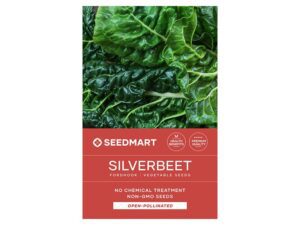
Fordhook Silverbeet
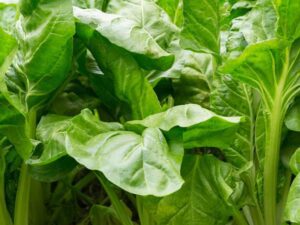
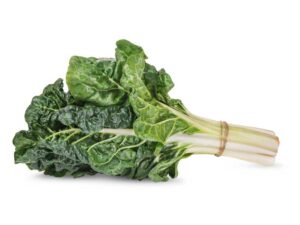
Classic silverbeet produces broad green leaves and pale, substantial stems suited to mature harvesting.




Silverbeet and Swiss chard seed buying guide
Silverbeet is a productive leafy vegetable grown for its broad leaves, substantial stems and ability to provide repeated harvests. Varieties differ in plant size, stem colour, leaf texture, growth habit and suitability for baby-leaf or mature bunch production.
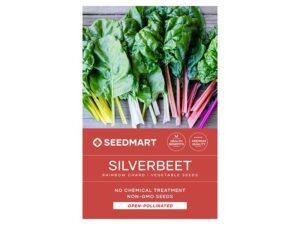
Seedmart supplies silverbeet and Swiss chard seeds in Australia for backyard gardeners, container growers, cafés, restaurants, market gardeners and commercial vegetable producers. The range includes classic white-stemmed silverbeet, compact Barese, Perpetual Silverbeet and coloured chard varieties with red, pink, yellow and mixed stems.
The best silverbeet seed will depend on your available space, preferred stem colour, harvest stage, planting season and whether the crop is intended for household use, baby-leaf production, mature bunches or regular commercial harvesting.
Pick mature outer leaves while leaving the central growing point to continue producing.
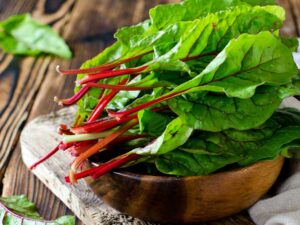
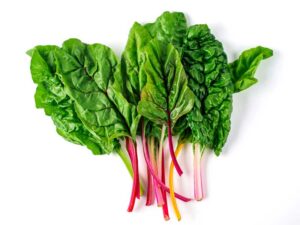
Choose classic white, golden yellow, pink, red, magenta or mixed rainbow stems.
Both the leafy blades and substantial stalks can be harvested and prepared separately.
Grow silverbeet in vegetable beds, raised gardens, large pots or organised production rows.
Harvest young leaves for salads and mixes or allow plants to develop substantial mature foliage.
Choose smaller packs for household growing or larger quantities for frequent and commercial production.
Silverbeet and chard varieties should be selected according to plant size, leaf texture, stem colour and intended harvest method. Compact plants suit limited spaces, while vigorous mature varieties are useful where repeated leaf production is the priority.
| Growing Goal | Variety or Type to Consider | Why Choose It? |
|---|---|---|
| Traditional mature silverbeet | Fordhook | Produces broad green leaves and substantial pale stems for repeated mature-leaf harvesting. |
| Compact plants | Barese | Forms a more compact plant suited to smaller gardens, closer plantings and container production. |
| Fine-stemmed leafy growth | Perpetual Silverbeet | Produces abundant leafy growth with narrower stems and is useful for frequent picking. |
| Mixed stem colours | Rainbow Chard | Provides a mixture of yellow, orange, pink, red and pale stems for colourful gardens and bunches. |
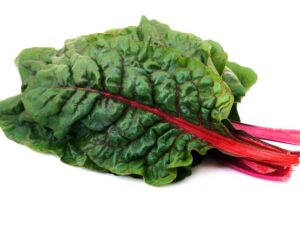
| Red stems and veins | Ruby Red or Magenta Sunset | Adds strong red or magenta colour to baby-leaf mixes, mature bunches and market displays. |
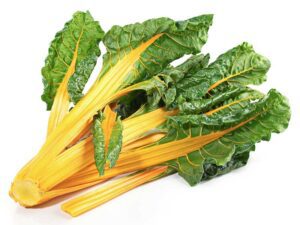
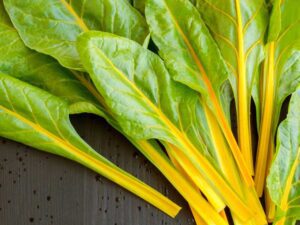
| Golden yellow stems | Golden Sunrise | Produces contrasting yellow stems and green leaves for ornamental and fresh-market use. |
| Baby-leaf production | Rainbow, Ruby Red and other coloured chard | Young leaves and coloured stems add visual contrast to mixed-leaf crops. |
| Bulk mature-leaf production | Vigorous varieties available in larger quantities | Suitable for growers scheduling repeated bunch or loose-leaf harvests. |
Classic silverbeet produces broad green leaves and pale, substantial stems suited to mature harvesting.
Barese forms a compact plant with broad leaves and pale stems, making it useful where growing space is limited.
Perpetual Silverbeet produces fine-stemmed leafy growth and is commonly selected for frequent leaf picking.
Rainbow mixtures combine several stem colours for varied household harvests and colourful market bunches.
Red and magenta-stemmed varieties provide strong colour contrast in gardens, baby-leaf crops and mature bunches.
Golden-stemmed chard combines bright yellow stalks with green leaves for a distinctive fresh-market appearance.
Silverbeet and Swiss chard are common regional names for closely related leafy forms of Beta vulgaris. In Australia and New Zealand, the term silverbeet is widely used, while overseas catalogues commonly use Swiss chard or simply chard.
The word silverbeet is sometimes associated particularly with broad green leaves and pale stems, while chard is often used for coloured-stemmed varieties. Botanically and horticulturally, however, they belong to the same general vegetable group.
Searching for Swiss chard seeds? In Australia, Swiss chard and silverbeet seeds are usually sold together. Select the individual variety according to stem colour, leaf type and mature plant size.
No. Silverbeet and true spinach are different vegetables, although they are often used in similar dishes.
| Silverbeet or Chard | True Spinach |
|---|---|
| Usually classified as Beta vulgaris var. cicla or a related leaf-beet group. | Usually classified as Spinacia oleracea. |
| Produces substantial leaves and often thick, edible stems. | Produces softer leaves with relatively fine stems. |
| Can tolerate a relatively broad range of seasonal conditions. | Generally performs best during distinctly cool conditions. |
| Established plants can provide repeated mature-leaf harvests. | Often grown as a shorter cool-season leaf crop. |
| Includes white, yellow, pink, red and rainbow-stemmed varieties. | Usually grown primarily for green leaves. |
Perpetual Silverbeet is sometimes called perpetual spinach. Despite that common name, it belongs to the leaf-beet and chard group rather than true spinach.
Silverbeet can be grown through a relatively long part of the year, but the most reliable planting period depends on local heat, frost, humidity and rainfall. Mild conditions generally support steady leaf production and tender growth.
| Australian Climate | General Sowing Approach | Important Considerations |
|---|---|---|
| Tropical | Sow during the cooler and less humid part of the year. | Provide airflow, drainage and protection from prolonged heat and heavy rain. |
| Subtropical | Sow mainly from late summer through autumn, winter and spring. | Summer crops may require afternoon shade and close moisture management. |
| Temperate | Sow through autumn and spring, with winter and summer production possible under suitable conditions. | Protect young seedlings from severe frost and mature plants from prolonged heat. |
| Cool temperate | Sow from spring through early autumn or raise seedlings under protection. | Established plants tolerate cool conditions, but growth slows during severe winter weather. |
| Protected production | Sow over a longer period where temperature, light, moisture and airflow can be controlled. | Avoid excessive humidity and poor ventilation around dense foliage. |
These planting periods are general guides. Local elevation, frost dates, seasonal weather and variety selection can alter the best sowing time.
Yes. Silverbeet is commonly grown through autumn and winter in many Australian regions. Established plants tolerate cool conditions and can continue producing leaves where severe frost is limited.
Growth becomes slower during short days, cold soil and repeated heavy frost. Use a sunny position, maintain drainage and avoid leaving the root zone permanently saturated.
Silverbeet can grow during summer, but high temperatures and moisture stress can reduce leaf tenderness and encourage premature flowering.
Silverbeet seed germinates under cool to mild conditions and usually establishes without heated propagation.
Keep the growing medium evenly moist without leaving it permanently saturated.
Sow seed approximately 10–15 mm deep in fine, free-draining soil or seed-raising mix.
What appears to be one silverbeet seed may contain more than one embryo and can produce several seedlings.
How long do silverbeet seeds take to germinate? Silverbeet commonly begins germinating within approximately 5–14 days under suitable conditions.
Commercial silverbeet seed is often a corky seed cluster rather than a single smooth botanical seed. One cluster can contain more than one embryo, resulting in two or more seedlings emerging close together.
Where full-sized plants are required, thin the cluster to the strongest seedling or separate young plants carefully. Dense clusters can be retained temporarily where the crop will be harvested as baby leaf.
Multiple seedlings do not necessarily indicate oversowing. They may have emerged from a single naturally clustered silverbeet seed.
Silverbeet can be direct-sown into prepared soil or started in trays before transplanting. Both methods are useful, depending on local pests, weather and the level of spacing control required.
| Direct Sowing | Raising Seedlings |
|---|---|
| Seed is planted where the crop will mature. | Seed is started in cells, trays or small pots. |
| Reduces transplant disturbance. | Provides more control over germination and early growth. |
| Seedling clusters require thinning after emergence. | The strongest seedlings can be selected before planting out. |
| Young plants require protection from snails, slugs and drying. | Seedlings can be protected during their most vulnerable stage. |
| Useful for garden rows and baby-leaf plantings. | Useful for planned mature-plant spacing and commercial transplants. |
Spacing depends on whether the crop is intended for baby leaves, compact plants or full-sized repeated harvesting.
| Growing Goal | General Spacing | Considerations |
|---|---|---|
| Baby leaf | Approximately 5–15 cm apart or densely sown in rows | Harvest plants before they reach mature size. |
| Compact varieties | Approximately 20–30 cm apart | Suitable for Barese and plants maintained by regular picking. |
| Full-sized plants | Approximately 30–45 cm apart | Provides room for broad leaves, airflow and harvesting access. |
| Large vigorous plants | Approximately 40–50 cm apart | Use wider spacing where varieties develop substantial mature foliage. |
| Commercial rows | Depends on equipment and harvest specification | Allow access for cultivation, crop protection and repeated picking. |
Follow the individual product information where a variety requires different spacing.
Silverbeet grows well in containers where each mature plant has adequate root space, drainage and sunlight.
Potted silverbeet requires regular watering and feeding because the limited volume of potting mix dries and loses nutrients quickly.
Can silverbeet grow in pots? Yes. Barese, Perpetual Silverbeet and regularly harvested coloured chard can perform well in substantial, free-draining containers.
Silverbeet generally grows best in full sun during cool to mild weather. Approximately five to six hours of direct sunlight supports vigorous leaf production.
Light afternoon shade can reduce heat stress during warm conditions. Deep shade may produce elongated stems, smaller leaves and weaker plants.
Growing time varies with variety, temperature, spacing and the stage at which the crop is harvested.
| Harvest Stage | Indicative Period | General Characteristics |
|---|---|---|
| Seed germination | Approximately 5–14 days | Emergence from moist soil under cool to mild conditions. |
| Microgreen stage | Approximately 10–18 days | Young coloured stems and seed leaves harvested from trays. |
| Baby leaves | Approximately 25–40 days | Tender young foliage for salads and mixed-leaf production. |
| First mature leaves | Approximately 50–70 days | Substantial leaves and stems suitable for repeated harvesting. |
| Established repeated harvest | Several months under suitable conditions | Outer leaves are removed while central growth continues. |
These periods are broad guides rather than guaranteed maturity dates. Review individual product pages for variety-specific information.
Silverbeet can be harvested as baby leaves, mature outer leaves or complete young plants. Repeated outer-leaf harvesting usually provides the longest productive period.
| Harvest Stage | What to Harvest | Method |
|---|---|---|
| Microgreens | Young stems and seed leaves | Cut above the growing medium with clean scissors. |
| Baby leaf | Young tender leaves and fine stems | Cut individual leaves or densely planted rows. |
| Mature plants | Large outside leaves and stems | Cut or twist leaves close to the base without damaging the crown. |
| Whole young plants | Leaves, stems and crown | Lift or cut the complete plant where regrowth is not required. |
| Commercial bunches | Uniform mature leaves with clean stems | Harvest selected outside leaves and grade according to the required specification. |
Harvest leaves once they reach the size and tenderness required for their intended use. Younger leaves are generally softer, while mature foliage provides greater yield and more substantial stems.
Silverbeet continues producing when mature outer leaves are removed and the central crown remains intact. This allows an established plant to provide repeated harvests over an extended period.
Cutting through the complete crown or removing every developing leaf can severely restrict regrowth. Baby-leaf crops may produce a second flush where they are cut above the growing point, although regrowth may be less uniform.
Harvest from the outside in. Remove the oldest usable leaves while protecting the smaller central foliage and growing point.
Yes. Silverbeet and chard stems are edible, although they are firmer and generally require more cooking time than the leafy blades.
The leaves and stems can be separated during preparation so the stalks are cooked first. Stem thickness, tenderness and colour vary between varieties and harvest stages.
Do not judge the entire harvest by the leaf alone. Coloured and white stems are an important usable part of mature silverbeet and can contribute substantially to saleable bunch weight.
Silverbeet and chard can be grown as microgreens, particularly where coloured stems are wanted. They generally require more time than fast brassica microgreens such as radish, broccoli and mustard.
| Silverbeet Microgreens | Baby and Mature Silverbeet |
|---|---|
| Grown densely in shallow trays. | Grown with greater root space and wider spacing. |
| Usually harvested after approximately 10–18 days. | Harvested after several weeks or longer. |
| Cut once above the growing medium. | Outer leaves may be harvested repeatedly. |
| Selected for stem colour and young leaf appearance. | Develops the full leaf size, texture and stem characteristics of the variety. |
| Suitable for garnishes and premium mixed trays. | Suitable for household use, bunches and mature-leaf production. |
Growing chard at the seedling stage? Browse Seedmart’s microgreen seeds range for chard and other crops suited to tray production.
Silverbeet is naturally biennial and may flower after exposure to cool conditions followed by increasing warmth and day length. Heat, plant maturity and environmental stress can also encourage flower-stem development.
Once a plant begins producing a tall seed stalk, new leaf quality and yield usually decline. Remove flowering plants unless they are being retained for seed production.
| Possible Cause | Effect | Management Approach |
|---|---|---|
| Plant maturity | Older plants naturally progress towards flowering. | Replace ageing plants with a new sowing. |
| Cold followed by warmth | The plant may complete its biennial flowering cycle. | Time sowing so young plants avoid severe temperature stress. |
| Heat stress | Leaf quality declines and flowering may accelerate. | Provide consistent moisture and limited afternoon shade. |
| Drought or root restriction | Stress can reduce leaf growth and encourage maturity. | Maintain moisture and provide adequate root space. |
The seedbed may be too dry, saturated, compacted or exposed to unsuitable temperatures.
A silverbeet seed cluster can naturally produce more than one seedling and may require thinning.
Long, pale stems generally indicate insufficient light after emergence.
Larvae can tunnel between leaf surfaces and produce pale, irregular patches.
Chewing insects may create holes in young and mature leaves.
Young plants and tender stems are vulnerable during cool, damp conditions.
Older foliage naturally declines, but widespread yellowing may indicate nutrient shortage, waterlogging or root stress.
Plant age, temperature changes, heat and moisture stress can encourage bolting.
Silverbeet can share garden space with vegetables that have compatible seasonal, sunlight and moisture requirements. Companion planting does not eliminate pests or replace suitable spacing.
| Planting Option | General Compatibility | Considerations |
|---|---|---|
| Lettuce | Shares cool to mild growing conditions | Harvest lettuce before mature silverbeet heavily shades it. |
| Onions and spring onions | Upright foliage occupies limited horizontal space | Maintain sufficient moisture and avoid root disturbance. |
| Radish | Fast crop that can mature between young silverbeet plants | Harvest promptly before the silverbeet canopy expands. |
| Peas | Can share cool-season planting periods | Position supports so climbing peas do not create deep shade. |
| Herbs and flowers | Can increase garden diversity | Select plants suited to similar irrigation and seasonal conditions. |
| Beetroot | Closely related and has similar broad requirements | Related crops may share pests and diseases, so rotate plantings where practical. |
Smaller quantities suit gardeners growing several plants, comparing stem colours or making successive household sowings.
Larger quantities may suit growers producing baby leaf, mature bunches, transplants or repeated seasonal crops.
Compare commercial value by more than seed price. Germination, seedling clusters, leaf yield, stem weight, harvest labour, grading and shelf life all influence the real value of a silverbeet crop.
Commercial silverbeet production requires careful variety selection, plant-density planning and harvest management. Leaf size, stem colour, bunch weight, repeated picking requirements and market demand all affect production efficiency.
Seed clusters can produce several seedlings and may require additional thinning or transplant management.
Baby leaf, loose mature leaves and complete bunches require different spacing and picking methods.
Rainbow mixtures provide variation, while single-colour varieties may suit markets requiring uniform bunches.
Harvest timing, leaf dryness, cooling and careful handling affect appearance and shelf life.
Australian silverbeet seed availability can vary. Commercial growers should confirm current stock, pack size, seed treatment and required quantity before finalising sowing schedules.
Silverbeet is a leafy form of Beta vulgaris grown for its broad leaves and edible stems. It is closely related to beetroot but does not normally produce the enlarged storage root associated with beetroot varieties.
Silverbeet and Swiss chard are regional names for the same general group of leaf-beet vegetables. Silverbeet is the term more commonly used in Australia.
No. Silverbeet and true spinach are botanically different vegetables. They can be used similarly in cooking, but silverbeet generally has larger leaves and more substantial stems.
Sow silverbeet seed clusters approximately 10–15 mm deep in moist, free-draining soil or seed-raising mix. Provide bright light after germination, thin multiple seedlings and maintain consistent moisture as plants develop.
Silverbeet commonly germinates within approximately 5–14 days under cool to mild, evenly moist conditions.
Silverbeet seed is often a natural cluster containing several embryos. One cluster can therefore produce more than one seedling.
Sow silverbeet seeds approximately 10–15 mm deep and cover them lightly with fine soil or seed-raising mix.
Yes. Sow into prepared soil, maintain consistent moisture and thin clustered seedlings after emergence to provide the required final spacing.
Silverbeet can be planted over a long period. In subtropical regions, sow mainly from late summer through spring. In temperate and cool regions, sow from spring through autumn while avoiding severe frost and prolonged heat.
Yes. Established silverbeet tolerates cool conditions and can be grown through winter in many Australian regions, although growth slows during severe cold.
Yes, but prolonged heat and drought can reduce leaf quality and encourage flowering. Provide consistent moisture and limited afternoon shade where necessary.
Silverbeet generally grows best in full sun during mild weather. Light afternoon shade can help during hot conditions.
Yes. Use a substantial container with effective drainage and premium vegetable potting mix. Compact varieties and regularly harvested plants are particularly suitable.
Compact plants may be spaced approximately 20–30 cm apart, while large mature plants generally require around 30–45 cm or more.
Baby leaves may be ready within approximately 25–40 days, while mature leaves commonly require around 50–70 days. Established plants can continue producing for several months.
Remove the oldest outside leaves close to the base while leaving the central crown and younger developing leaves intact.
Harvest once leaves reach the size and tenderness required. Young leaves suit salads and baby-leaf mixes, while mature leaves provide larger blades and substantial stems.
Yes. Silverbeet continues producing when outer leaves are harvested and the central growing point remains undamaged.
Yes. Silverbeet stems are edible and can be prepared separately because they usually require more cooking time than the leafy blades.
Yes. Young silverbeet and chard leaves can be harvested before the stems become thick and are suitable for baby-leaf mixes.
Yes. Coloured chard is used as a slower-growing microgreen crop and is valued for its red, pink, yellow and mixed stem colours.
Silverbeet may flower because of plant maturity, cold followed by warming conditions, heat or environmental stress. Leaf quality usually declines after a flower stalk develops.
No. It is sometimes called perpetual spinach, but it belongs to the leaf-beet and chard group rather than true spinach.
Rainbow chard is generally a mixture of several coloured-stemmed chard types. Individual plants can therefore differ in stem colour and appearance.
Seed can be saved from suitable open-pollinated varieties. Silverbeet is biennial and generally flowers after exposure to cool conditions. It can cross with compatible beetroot and chard varieties, so isolation is required where varietal purity is important.
Silverbeet and chard seed for Australian growers
Seedmart supplies silverbeet and Swiss chard seed for backyard gardens, container growing, baby-leaf production, cafés, restaurants, market gardens and larger vegetable crops. The range includes classic white-stemmed silverbeet and colourful red, pink, yellow and rainbow varieties, with larger quantities available on selected lines.
Review the individual product pages for current availability, pack options, stem colour, mature plant characteristics and variety-specific growing information before ordering.