
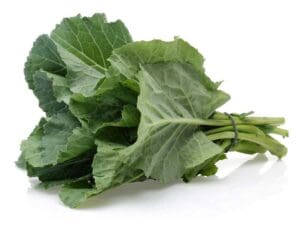

Large Edible Leaves
Broad foliage can be harvested young or allowed to develop for cooked dishes and bunching.
Collard seed buying and growing guide
Georgia Southern collards are hardy, productive leafy vegetables grown for their large blue-green leaves, mild cabbage flavour and long harvest period. Unlike heading cabbage, collard plants form an open rosette and continue producing leaves from the central growing point.
Seedmart supplies Georgia Southern collard seeds for home gardens, raised beds, large containers, market gardens and specialty leafy-green production throughout Australia. This traditional heirloom is botanically classified within the Brassica oleracea Acephala Group and is closely related to kale, cabbage, broccoli and cauliflower.
Harvest young leaves for a tender texture or allow the foliage to become larger for steaming, sautéing, soups, stews and slow-cooked dishes. Removing the lower outer leaves while leaving the centre intact allows the plant to continue producing fresh growth.
Pick the larger outside leaves progressively while younger foliage continues developing from the centre.
Georgia Southern tolerates cold conditions, and light frost can improve the sweetness of mature leaves.
Collards tolerate a broader temperature range than many tender salad greens when supplied with adequate moisture.
Use collard leaves in sautés, soups, stews, curries, braised dishes, wraps and mixed cooked greens.
Individual plants can grow in substantial containers with fertile mix, good drainage and regular watering.
Choose smaller quantities for household growing or larger packs for repeated and market-garden sowings.
Collard greens are loose-leaf brassicas grown for broad edible foliage. They belong to the same species as cabbage, kale, broccoli, cauliflower and Brussels sprouts but have been selected for a different plant form and harvest method.
Collards do not form a tight cabbage head. Instead, their leaves develop around an upright central stalk in an open rosette.
Collard plants generally produce:
Broad foliage can be harvested young or allowed to develop for cooked dishes and bunching.
New leaves continue forming from the central crown rather than closing into a dense head.
Established plants gradually develop a visible stem as lower leaves are removed.
Collards tolerate cool conditions and light frost better than many tender leafy vegetables.
The name collard greens is increasingly recognised in Australia, particularly through American, African, Caribbean and Southern United States cooking.
They may also be described as:
There is no exact Australian vegetable with a different local name that is botanically identical to collards. Kale, cabbage, silverbeet and spinach can sometimes be substituted in recipes, but they are separate crops with different flavours and textures.
Georgia Southern is a traditional open-pollinated collard variety known for its broad, slightly ruffled blue-green leaves and mild cabbage flavour.
The plant develops a loose, open rosette rather than a cabbage head. When grown to maturity, it can reach approximately 70–100 cm high, depending on spacing, soil fertility, season and harvest method.
Georgia Southern is suitable for:
Collards and kale are closely related non-heading brassicas, but they generally differ in leaf form, texture and culinary use.
| Collard Greens | Kale |
|---|---|
| Usually produce broad, relatively flat or softly ruffled leaves. | May produce curly, frilled, flat, narrow or heavily blistered leaves. |
| Develop an open rosette around an upright central stem. | Growth habit varies from compact rosettes to tall upright plants. |
| Generally have a mild cabbage-like flavour. | Flavour varies from mild and sweet to earthy or strongly brassica-like. |
| Mature leaves are commonly braised or slow cooked. | Young and mature leaves are used in salads, chips, soups, sautés and smoothies. |
| Broad leaves can be used as cooked or blanched wraps. | Curled varieties are less suitable for forming large wraps. |
| Georgia Southern produces large blue-green leaves. | Popular types include curly kale, Tuscan kale and Red Russian kale. |
Collards and kale are not the same vegetable variety, but they belong to the same species, Brassica oleracea, and are both placed within the broad Acephala or non-heading group.
They share many growing requirements:
Their leaves differ enough in shape and texture that gardeners and cooks generally treat them as separate vegetables.
Collards and heading cabbage belong to the same species but have distinctly different plant forms.
| Collard Greens | Heading Cabbage |
|---|---|
| Produces an open rosette of individual leaves. | Produces leaves that fold into a dense central head. |
| Leaves can be harvested progressively over an extended period. | The complete head is generally harvested once. |
| Develops a visible upright stem as lower leaves are picked. | Maintains a shorter stem beneath the developing head. |
| Useful where repeated leafy-green harvests are required. | Useful where uniform solid heads are required. |
| Broad leaves have a mild cabbage flavour. | Leaf texture and flavour vary with cabbage type and head maturity. |
Collards, spinach and silverbeet are all leafy vegetables but belong to different botanical groups.
| Collard Greens | English Spinach | Silverbeet |
|---|---|---|
| Brassica oleracea | Spinacia oleracea | Beta vulgaris |
| Broad, firm blue-green leaves | Soft, tender green leaves | Large leaves with substantial stalks |
| Generally cooked, especially when mature | Young leaves commonly eaten raw or cooked | Leaves and stalks generally cooked |
| Tolerates cool conditions and light frost | Prefers cool weather but bolts readily in heat | Tolerates a relatively broad growing season |
| Harvested progressively from an upright plant | Harvested as baby leaf, outer leaves or whole rosettes | Outer leaves picked from a substantial rosette |
Collard greens have a mild cabbage-like flavour with earthy, slightly sweet and gently bitter notes. Their flavour and texture vary according to leaf age, season and preparation.
Small leaves have thinner stems and require less cooking than fully mature foliage.
Larger leaves develop a firmer texture and more pronounced cabbage flavour.
Cool conditions can reduce some bitterness and improve the sweetness of mature leaves.
Slow cooking produces tender foliage that absorbs stock, herbs, spices and seasoning.
Young sliced leaves can be cooked quickly while retaining some texture.
Finely sliced young leaves can be used raw, although they are more substantial than lettuce or baby spinach.
Yes. Young, tender collard leaves can be eaten raw when washed thoroughly and sliced finely.
Raw collards have a firmer texture than lettuce, rocket or baby spinach. Removing the central rib and massaging finely sliced leaves with dressing can make them easier to use in salads and slaws.
Mature leaves are more commonly cooked because heat softens their fibres and reduces their volume.
Raw collards can be used in:
Georgia Southern collards grow best in full sun, fertile free-draining soil and consistent moisture. They are generally treated as cool-season vegetables, although established plants can tolerate some warmth when adequately watered.
Plan crops so most leaf production occurs through autumn, winter or mild spring conditions.
Collards are substantial leafy plants and perform best in soil containing suitable organic matter and balanced fertility.
Consistent watering supports broad tender leaves and reduces stress-related toughness.
Remove the oldest usable outer leaves while retaining the central growing point.
Collards are generally sown for cool-season production. The ideal planting window varies between tropical northern Australia and cool southern regions.
| Climate Zone | General Sowing Period | Growing Notes |
|---|---|---|
| Cool | February to April and August to October | Use autumn and spring planting windows while avoiding severe establishment frost. |
| Temperate | February to May and August to October | Autumn crops can produce through winter, with spring sowing possible before summer heat. |
| Subtropical | February to August | Grow through autumn, winter and early spring for the best leaf quality. |
| Tropical | March to July | Plant during the coolest part of the dry season. |
| Arid | March to August | Provide reliable irrigation and protection from severe drying winds. |
These planting periods are general guides. Local frost, elevation, rainfall, summer heat and irrigation availability should also be considered.
| Location | General Planting Guide | Key Considerations |
|---|---|---|
| Brisbane and South East Queensland | February to August | Autumn and winter generally produce the best balance of vigorous growth and tender leaves. |
| Sydney and coastal New South Wales | February to May and August to October | Plant through autumn or early spring and maintain airflow during humid weather. |
| Inland New South Wales | February to April and August to September | Allow seedlings to establish before severe frost or summer heat. |
| Melbourne and Victoria | February to May and August to October | Collards can grow through cool conditions where soil remains well drained. |
| Canberra and cool inland districts | February to April and August to October | Use autumn and spring windows and protect small seedlings during severe frost. |
| Adelaide and South Australia | March to August | Maintain soil moisture through dry autumn and spring conditions. |
| Perth and south-west Western Australia | March to August | Autumn and winter generally provide favourable temperatures and seasonal rainfall. |
| Tasmania | February to April and September to November | Use well-drained soil and allow additional time for growth during cold weather. |
| Darwin and tropical northern Australia | March to July | Grow during the cooler dry-season period with reliable irrigation. |
Georgia Southern collards can be direct-sown into garden beds or raised in seedling trays before transplanting.
Plant Georgia Southern collard seeds approximately 6 mm deep and cover them lightly with fine soil or seed-raising mix.
Sow into a finely prepared garden bed or production row.
Raise plants in cells where controlled spacing or transplanting is preferred.
Georgia Southern collard seeds commonly germinate within approximately 7–10 days under suitable conditions.
Mild soil temperatures support faster and more uniform emergence.
Keep the seedbed evenly moist without leaving it continually saturated.
Deeply planted seed may emerge slowly or fail to reach the surface.
Strong light after emergence prevents weak, elongated seedlings.
Yes. Collards transplant readily when seedlings are young and healthy.
Raise seedlings until they have developed several true leaves, then harden them gradually before planting into the garden.
When transplanting:
Spacing depends on whether collards are being grown for baby leaves, young whole plants or mature repeated harvesting.
| Harvest Goal | Approximate Spacing | General Result |
|---|---|---|
| Baby leaf | Approximately 5–10 cm or densely sown rows | Small tender leaves for early cutting. |
| Young whole plants | Approximately 15–25 cm | Compact plants harvested before reaching full size. |
| Mature Georgia Southern plants | Approximately 25–30 cm minimum | Productive upright plants with repeated outer-leaf harvests. |
| Large individual plants | Approximately 45–60 cm | Greater leaf size, airflow and harvest access. |
| Row spacing | Approximately 60–90 cm | Allows access for weeding, feeding, inspection and harvesting. |
Georgia Southern collards commonly reach approximately 70–100 cm high when allowed to mature.
The apparent height increases as lower leaves are removed and the central stalk becomes exposed.
Plant height is influenced by:
Tall established plants in windy locations may benefit from protection or light support.
Yes. Georgia Southern collards can be grown in large pots, tubs and raised containers.
Use one substantial container for each mature plant.
Potted collards require regular moisture and nutrition.
Collards generally perform best in full sun, particularly during cool weather.
Provide approximately six or more hours of direct sunlight for strong growth and broad leaves.
Light partial shade can be useful in warm climates or during hot afternoons. Heavy shade may cause:
Consistent moisture supports tender leaves and steady production.
Water deeply enough to moisten the active root zone. Avoid repeated shallow watering and prolonged saturation.
Georgia Southern collards generally benefit from:
Georgia Southern collards commonly reach mature harvest approximately 60–75 days after sowing under suitable conditions. Young leaves can be harvested earlier.
| Harvest Stage | Typical Period | General Characteristics |
|---|---|---|
| Baby leaf | Approximately 25–35 days | Small tender foliage for salads, mixed leaves and quick cooking. |
| Young plants | Approximately 35–50 days | Compact plants with tender leaves and relatively fine stems. |
| Mature outer leaves | Approximately 60–75 days | Large blue-green leaves suitable for repeated picking and cooking. |
| Extended harvesting | Continues while the plant remains healthy | Outer leaves are removed as fresh central foliage develops. |
Growing time varies with temperature, soil fertility, plant spacing, water, transplanting and preferred leaf size.
Collards can be harvested as soon as the leaves reach the desired size.
Young leaves are more tender and require less cooking. Mature leaves provide greater harvest weight but have firmer ribs and a more substantial texture.
Harvest when:
Begin with the lowest mature leaves and work upwards.
Hold the leaf stalk near the main stem and cut it cleanly with a knife or secateurs. Avoid tearing or damaging the central crown.
For continued production:
Yes. Georgia Southern can be grown at closer spacing and harvested while the leaves are young.
Baby collards have a softer texture and milder flavour than fully mature foliage.
For baby-leaf production:
Baby leaf is harvested earlier than mature bunching collards and may be used in mixed salads or lightly cooked dishes.
Large collard leaves should be washed thoroughly because soil, insects and debris can collect around the ribs and leaf surfaces.
Collards can be cooked quickly when young or braised for longer periods when mature.
Cook sliced leaves gently with stock, onion, garlic, spices or smoked ingredients until tender.
Cook tender sliced foliage with oil, garlic, chilli or lemon until softened.
Steam young or mature leaves until they reach the preferred tenderness.
Add chopped collards to bean soups, vegetable soups, broths and slow-cooked meals.
Cut leaves into narrow strips and cook quickly with aromatics and other vegetables.
Use large leaves as wraps after removing the thick rib and softening them briefly.
Cooking time depends on leaf age, slicing size and the desired texture.
| Cooking Method | General Cooking Period | Suitable Leaves |
|---|---|---|
| Sautéing | Several minutes until wilted and tender | Young leaves or very finely sliced mature leaves |
| Steaming | Approximately 5–15 minutes | Young to medium leaves |
| Boiling | Approximately 10–20 minutes | Sliced mature leaves |
| Braising | Approximately 30–60 minutes or longer | Large mature leaves requiring a soft texture |
| Soup or stew | Added according to the total cooking time | Mature chopped foliage |
Cooking periods are general guides. Test the leaves during preparation and cook until the preferred tenderness is reached.
Young leaves and cool-season crops are generally milder than old or heat-stressed foliage.
To balance stronger collard flavour:
Light frost can also improve the sweetness of leaves remaining on healthy plants.
Yes. Collard greens can be frozen for later cooked use.
For best results:
Frozen collards are best used in soups, stews, braised dishes and other cooked meals rather than raw salads.
Cool collard leaves promptly after harvesting.
For household storage:
Whole unwashed leaves generally store better than heavily cut or bruised foliage.
Yes, provided the central growing point and enough healthy stem remain intact.
Individual outer-leaf harvesting is the most reliable method for extended regrowth.
Young plants may also regrow after being cut above the lowest healthy leaves, although complete removal at soil level can kill or severely weaken the plant.
Continued regrowth depends on:
Collards are botanically biennial brassicas but are usually grown as annual vegetables.
During the first season, they produce edible leaves. After sufficient cold exposure, surviving plants may produce flowers and seed during the following season.
In mild climates, established collards can remain productive for an extended period. However, leaf quality generally declines once flowering begins.
Georgia Southern is not the same as perennial tree collards, which have a different growth habit and propagation system.
Yes. Collards can develop a tall flowering stem after exposure to the environmental conditions that trigger reproduction.
Bolting can be encouraged by:
Older plants naturally progress towards flowering.
A period of low temperature can prepare biennial brassicas to flower.
Warmer conditions and increasing day length support flower-stem development.
Severe drought, root restriction and other stresses can shorten productive leaf growth.
Leaves remain edible during early flowering, but they generally become smaller, firmer and more strongly flavoured.
Deep sowing, drying seedbeds, waterlogging and unsuitable temperatures can reduce emergence.
Flea beetles and small chewing insects can damage young foliage.
Cabbage moth and cabbage white butterfly caterpillars commonly feed on brassica leaves.
Natural ageing, drought, waterlogging, nutrient stress or disease may cause yellowing.
Cold soil, poor fertility, root restriction and crowding can limit leaf development.
Plant age, heat, drought and delayed harvesting can reduce tenderness.
Collards belong to the brassica family and can attract cabbage white butterflies, cabbage moths and other leaf-feeding caterpillars.
Management options include:
Install netting before adult insects lay eggs on the crop and secure the edges so pests cannot enter underneath.
Collards can share cool-season gardens with crops that have compatible light, moisture and spacing requirements.
Potential neighbouring crops include:
Allow enough space so mature collard leaves do not heavily shade smaller crops.
Yes. Georgia Southern is open pollinated and can produce seed for saving when plants are allowed to flower and mature.
Collards are biennial and may require a cool period before flowering.
To save seed:
Yes. Collards, kale, cabbage, broccoli, cauliflower, Brussels sprouts and several other vegetables belong to compatible forms of Brassica oleracea.
They can cross-pollinate when flowering at the same time.
Crossing does not change the leaves being harvested from the current crop. It affects the genetic characteristics of seed produced by those plants.
Growers saving Georgia Southern true to type should isolate flowering plants from compatible Brassica oleracea crops or use a controlled seed-production method.
Smaller quantities suit household gardens, raised beds and container growers trialling collards for the first time.
Larger seed quantities can support scheduled bunching, baby-leaf and mature-leaf plantings.
Commercial collard production requires a defined leaf size, bunch specification, planting density and harvest system.
Consistent colour, size and texture improve bunch presentation and grading efficiency.
Baby leaf, whole young plants and mature outer leaves require different spacing and schedules.
Over-mature foliage increases trimming requirements and may reduce customer acceptance.
Cosmetic caterpillar and flea-beetle damage can substantially reduce saleable yield.
Cool harvested foliage promptly and protect leaves from wilting, crushing and excess moisture.
Use the names Georgia Southern collards, collard greens and non-heading cabbage where they help customers identify the crop.
Collard greens are non-heading brassicas grown for their broad edible leaves. They are closely related to kale and cabbage.
Collard leaves are the large edible blue-green leaves produced by a collard plant. They can be harvested young or allowed to mature for cooking.
They are generally called collard greens or collards in Australia. They may also be described as non-heading or loose-leaf cabbage.
Fresh collards can be difficult to find in ordinary supermarkets, but they may be available through specialty grocers and growers. Seed allows gardeners to produce their own supply.
Georgia Southern is a traditional open-pollinated collard producing large, slightly ruffled blue-green leaves in a loose upright rosette.
No. They are closely related forms of Brassica oleracea, but they have different leaf shapes, textures and recognised varieties.
Collards and cabbage belong to the same species, but collards remain open and leafy while cabbage forms a dense head.
No. Collards are brassicas, while true spinach is Spinacia oleracea.
No. Silverbeet is a form of Beta vulgaris with large leaves and substantial stalks. Collards are non-heading brassicas.
Collards have a mild cabbage-like flavour with earthy, slightly sweet and gently bitter notes.
Mature or heat-stressed leaves can develop some bitterness. Young foliage and leaves grown through cool conditions are generally milder.
Yes. Young leaves can be washed, finely sliced and used in salads, slaws, wraps and smoothies.
Sow the seed approximately 6 mm deep in fertile, free-draining soil. Maintain moisture, thin or transplant the seedlings and protect them from brassica pests.
Collards are generally planted from late summer through winter. Cool-climate growers can also sow during spring.
Around Brisbane, Georgia Southern collards are generally best planted from February to August for autumn, winter and early spring production.
Plant Georgia Southern collard seeds approximately 6 mm deep and cover them lightly.
Georgia Southern collard seeds commonly germinate within approximately 7–10 days under suitable conditions.
Yes. Transplant seedlings after several true leaves develop and before they become root-bound.
The current Georgia Southern product recommends approximately 25–30 cm between plants. Wider spacing can produce larger individual plants and improve harvest access.
Mature plants commonly reach approximately 70–100 cm, depending on growing conditions and harvest duration.
Georgia Southern commonly reaches mature harvest in approximately 60–75 days, although young leaves can be picked earlier.
Yes. Use one large container per mature plant with fertile potting mix, strong drainage and regular watering.
Collards generally produce best in full sun but can tolerate light partial shade, particularly in warm climates.
Georgia Southern tolerates cold conditions and light frost. Cool weather can improve the sweetness of mature leaves.
Yes. Pick the larger outer leaves while leaving the central growing point intact.
Cut the lowest mature leaves close to the stem and leave the young central foliage undamaged.
Yes. Sow more densely and harvest the foliage while the leaves and ribs remain small and tender.
Wash the leaves thoroughly, remove the thick central rib where required and slice the foliage into strips or pieces.
Collards can be steamed, sautéed, boiled, stir-fried, added to soups or slowly braised until tender.
Young sliced leaves may cook within several minutes. Large mature leaves may require 30–60 minutes of braising for a very soft texture.
Use younger leaves, remove thick ribs and balance the flavour with salt, acidity, aromatics or longer cooking.
Yes. Wash, trim, blanch, cool and drain the leaves before freezing them in suitable portions.
Cool the leaves promptly and refrigerate them in a suitable produce bag or container while protecting them from crushing and excess moisture.
Yes, where the central growing point and sufficient healthy foliage remain intact.
Collards are botanically biennial but are usually grown as annual leafy vegetables.
Yes. Mature plants can produce flower stems after cold exposure and as temperatures and day length increase.
Flea beetles, cabbage moth caterpillars, cabbage white butterfly larvae, slugs and snails can damage collard foliage.
Lower leaves may yellow naturally, while widespread yellowing can result from drought, waterlogging, nutrient stress, root problems or disease.
Collards can share beds with onions, leeks, beetroot, carrots, lettuce, radish, peas and selected herbs or flowers where adequate spacing is maintained.
Yes. Georgia Southern is open pollinated. Allow selected plants to flower and produce fully mature dry seed pods.
Yes. Compatible Brassica oleracea crops can cross when flowering together, affecting the characteristics of saved seed.
The current product is identified as having no chemical treatment. Check the product specifications before each order because seed lots can change.
Yes. The current product is identified as an open-pollinated heirloom variety.
The current product specification lists approximately 300 seeds per gram.
The current product page states that this seed is not shipped to Tasmania because of quarantine restrictions.
Georgia Southern collard seeds for Australian growers
Seedmart supplies Georgia Southern collard seed for household gardens, raised beds, large containers, market gardens and specialty leafy-green production. Grow this traditional Brassica oleracea heirloom for broad blue-green leaves, repeated outer-leaf harvesting and dependable cool-season production.
Review the product page for current pack sizes, seed treatment, specifications, quarantine restrictions and ordering information before purchasing.