
Cool to Mild Temperatures
Kale seed germinates readily under cool to mild conditions and does not require the high temperatures needed by chillies or eggplants.

Kale seed buying and growing guide
Kale is a cool-season leafy vegetable grown for its edible leaves rather than a central cabbage head. Varieties can differ considerably in leaf shape, colour, texture, plant size, cold tolerance and preferred harvest stage.
Seedmart supplies kale seeds in Australia for backyard gardeners, container growers, market gardeners and commercial vegetable producers. The range includes traditional curly kale, tender Red Russian kale and dark, textured Tuscan kale.
The best kale seed will depend on whether you want baby leaves or mature plants, your local growing season, preferred leaf texture and whether the crop is intended for household use, fresh-market sales or larger vegetable production.
Kale performs well in cool to mild conditions and can tolerate light frost once established.
Pick mature outer leaves while leaving the central growing point to continue producing.
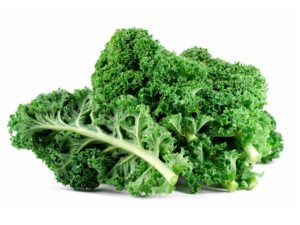
Choose from frilled curly leaves, tender divided leaves and dark, heavily textured Tuscan types.
Grow kale in vegetable beds, raised gardens, larger pots or organised market-garden rows.
Harvest young leaves for tender salads or grow plants longer for substantial cooking greens.
Choose smaller packs for household planting or larger quantities for frequent and commercial production.
Kale varieties differ in leaf texture, colour, growth habit and eating quality. Selecting the right type can make harvesting easier and produce leaves better suited to the intended market or kitchen use.
| Growing Goal | Recommended Variety or Type | Why Choose It? |
|---|---|---|
| Traditional curly leaves | Vates Blue Scotch Curled Kale | Produces compact, tightly curled blue-green leaves suitable for mature bunches and repeated picking. |
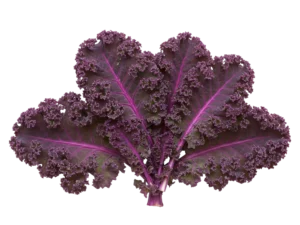
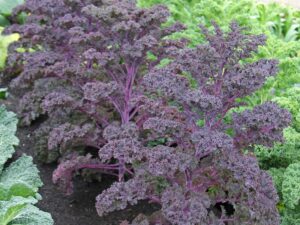
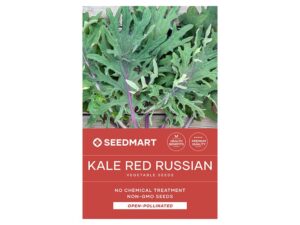
| Tender baby leaves | Red Russian Kale | Develops soft, divided leaves with coloured stems and is widely used for baby-leaf production. |
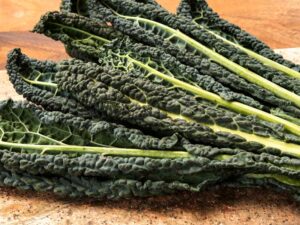
| Dark textured leaves | Nero di Toscana | Produces long, dark, heavily textured leaves suited to soups, braising and Italian-style dishes. |
| Container growing | Compact curly kale or regularly harvested young plants | Can be maintained at a manageable size when grown in a large pot and harvested consistently. |
| Repeated mature-leaf harvests | Curly kale or Tuscan kale | Established plants can continue producing central growth while outer leaves are removed. |
| Baby-leaf production | Red Russian and other tender-leaved varieties | Young leaves have a softer texture and can be harvested at closer spacing. |
| Bulk vegetable production | Varieties available in larger seed quantities | Bulk packs may provide better value where substantial plant numbers are required. |
| Kale Type | Leaf Characteristics | Typical Uses | Growing Considerations |
|---|---|---|---|
| Curly Kale | Dense, deeply frilled blue-green leaves | Cooking, kale chips, soups, mature bunches and garnishes | Compact leaves can conceal caterpillars and aphids, so plants require regular inspection. |
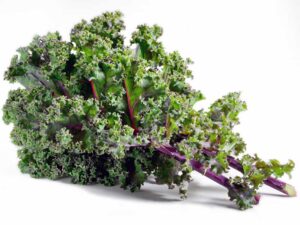
| Red Russian Kale | Flat to lightly divided green leaves with purple-red stems | Baby leaf, salads, light cooking and mixed leafy-green production | Tender leaves are particularly suited to harvesting while young. |
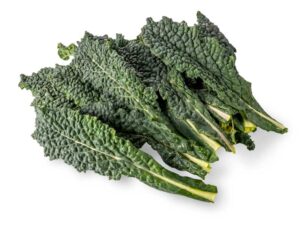
| Tuscan Kale | Long, narrow, dark leaves with a blistered or savoyed surface | Soups, braising, stir-fries and traditional Italian cooking | Plants can become tall and require sufficient spacing for repeated mature-leaf harvests. |
Tuscan kale has several common names. Nero di Toscana may also be described as Lacinato kale, dinosaur kale, cavolo nero or black cabbage.
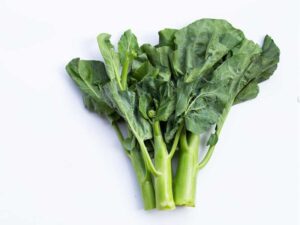
Chinese broccoli, commonly called Kailaan or Gai Lan, is closely related to kale but is grown as a different vegetable crop. Kale is mainly harvested for its leaves, while Kailaan is generally grown for its tender stems, leaves and developing flower shoots.
| Kale | Chinese Broccoli or Kailaan |
|---|---|
| Usually classified as Brassica oleracea var. acephala. | Usually classified as Brassica oleracea var. alboglabra. |
| Primarily grown for repeated harvesting of leaves. | Primarily grown for tender stems, leaves and flower shoots. |
| Includes curly, Red Russian and Tuscan types. | Produces smooth blue-green leaves and thick edible stems. |
| Commonly used in salads, soups, baking and braised dishes. | Frequently used in stir-fries and steamed Asian dishes. |
Looking specifically for Kailaan? Review the Chinese Broccoli Kailaan product separately, as its harvest method and crop characteristics differ from ordinary kale.
Kale grows most reliably during cool to mild weather. It can tolerate colder conditions than many fruiting vegetables, but severe heat can produce tougher leaves, stronger flavour and premature flowering.
| Australian Climate | General Sowing Approach | Important Considerations |
|---|---|---|
| Tropical | Sow during the coolest and least humid part of the year. | Use good airflow and protect plants from prolonged heat, heavy rain and intense pest pressure. |
| Subtropical | Sow mainly from late summer through autumn and winter. | Time the main crop to mature outside the hottest months. |
| Temperate | Sow from late summer through spring, depending on frost and summer temperatures. | Autumn and winter crops commonly provide the best leaf quality. |
| Cool temperate | Sow from spring through early autumn, with protected winter production possible. | Established plants tolerate cold, but germination and young growth may slow during severe weather. |
| Arid and inland | Sow during the cooler parts of the year. | Maintain reliable irrigation and protect plants from hot, drying winds. |
These planting periods are general guides. Local elevation, frost, seasonal weather and variety selection can alter the most suitable sowing time.
Yes. Kale is widely grown as an autumn and winter vegetable in many Australian regions. Established plants tolerate cool conditions and light frost better than warm-season crops such as capsicum, eggplant and cucumber.
Growth becomes slower during short days and severe cold, so winter crops may take longer to reach harvest size. Good sunlight, drainage and adequate nutrition remain important.
Kale can grow in summer where temperatures remain mild, but prolonged heat can reduce leaf tenderness and encourage plants to bolt or become stressed.
Kale seed germinates readily under cool to mild conditions and does not require the high temperatures needed by chillies or eggplants.
Keep the seed-raising mix consistently moist without leaving it saturated.
Sow approximately 5–10 mm deep or follow the directions supplied for the individual variety.
Provide bright light promptly after germination to encourage compact, sturdy seedlings.
How long do kale seeds take to germinate? Kale commonly begins germinating within approximately 4–10 days under suitable conditions. Cold, saturated or dry growing media can delay emergence.
Kale can be direct-sown into prepared garden soil or raised first in trays and transplanted. Direct sowing reduces root disturbance, while transplanting provides greater control over spacing and seedling establishment.
| Direct Sowing | Raising Seedlings |
|---|---|
| Sow seed where the plants will mature. | Start seed in trays, cells or small pots. |
| Requires careful protection from pests and drying. | Young plants can be protected and monitored more closely. |
| Seedlings may need thinning after emergence. | Plants can be placed at the final required spacing. |
| Useful where soil conditions are already suitable. | Useful where outdoor conditions remain hot, wet or otherwise unsuitable. |
Kale spacing depends on whether the crop is being grown for baby leaves, medium-sized bunches or large mature plants.
| Growing Goal | General Spacing | Considerations |
|---|---|---|
| Baby leaf | Approximately 5–15 cm apart or densely sown in rows | Harvest plants while the leaves remain young and tender. |
| Medium plants | Approximately 25–35 cm apart | Suitable for regular picking before plants reach maximum size. |
| Full-sized plants | Approximately 40–60 cm apart | Provides room for broad leaves, airflow and repeated harvest access. |
| Commercial rows | Depends on machinery and harvest system | Allow sufficient access for cultivation, crop protection and picking. |
Follow the individual product information where a variety requires different spacing.
Kale can be grown successfully in pots where each plant has adequate root space, drainage and sunlight.
Potted kale requires closer watering and nutrient management than plants growing in open soil.
Can kale grow in pots? Yes. Compact curly varieties and regularly harvested plants perform particularly well in substantial, free-draining containers.
Kale generally grows best in full sun during cool weather. Approximately six hours of direct sunlight supports strong leaf growth and compact plants.
In hot regions or during warm seasonal conditions, light afternoon shade can help reduce heat stress and maintain leaf quality. Deep shade may cause thin, weak growth.
Growing time varies with variety, planting season, temperature, spacing and the stage at which the leaves are harvested.
| Harvest Stage | Indicative Period | General Characteristics |
|---|---|---|
| Seed germination | Approximately 4–10 days | Rapid emergence under moist, cool to mild conditions. |
| Microgreens | Approximately 7–14 days | Harvested shortly after the seed leaves open. |
| Baby leaves | Approximately 25–40 days | Tender young foliage suitable for salads and mixed-leaf production. |
| First mature leaves | Approximately 50–70 days | Substantial leaves suitable for bunching and repeated harvest. |
| Established repeated harvest | Several months under suitable conditions | Outer leaves are removed while the central growing point continues developing. |
These periods are general guides and can vary substantially with climate and variety.
Kale can be harvested as microgreens, baby leaves, whole young plants or mature outer leaves. The harvest method should match the intended crop stage.
| Harvest Stage | What to Harvest | Method |
|---|---|---|
| Microgreens | Seed leaves and early true leaves | Cut above the growing medium with clean scissors. |
| Baby leaf | Young tender leaves | Cut individual leaves or harvest densely planted rows. |
| Mature kale | Large outer leaves | Remove leaves from the lower part of the plant while leaving the centre intact. |
| Whole young plants | Leaves, stems and growing point | Cut or pull the complete plant where regrowth is not required. |
Pick leaves once they reach the size and tenderness required for their intended use. Younger leaves are generally softer, while mature leaves provide greater yield and a more substantial texture.
Kale continues producing when individual outer leaves are harvested and the central growing point remains undamaged. This makes established kale suitable for repeated picking over several weeks or months.
If the entire crown is cut away, regrowth may be weak or may not occur. Baby-leaf crops cut above their growing points can sometimes produce a second flush, but the result is often less even than the first harvest.
Harvest from the outside in. Remove the oldest usable leaves while leaving the younger central leaves and growing point intact.
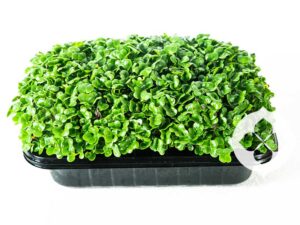
Kale is well suited to microgreen production and is commonly harvested shortly after germination. Young kale microgreens have fine stems, open seed leaves and a mild brassica flavour.
| Kale Microgreens | Baby and Mature Kale |
|---|---|
| Grown densely in shallow trays. | Grown with more root space and wider spacing. |
| Usually harvested within approximately 7–14 days. | Usually harvested after several weeks or months. |
| Cut above the growing medium. | Outer leaves can be picked repeatedly. |
| Fine texture and mild flavour. | More substantial leaves and stronger varietal characteristics. |
| Suitable for tray production and garnishes. | Suitable for salads, bunching and cooked dishes. |
Growing kale at the seedling stage? Browse Seedmart’s microgreen seeds range for kale and other crops intended for tray production.
Kale can share garden space with crops that have compatible seasonal, light and moisture requirements. Companion planting does not eliminate pests, but thoughtful spacing and crop diversity can make the garden easier to manage.
| Planting Option | General Compatibility | Considerations |
|---|---|---|
| Lettuce and leafy greens | Similar preference for cool growing conditions | Avoid overcrowding and maintain airflow around mature kale plants. |
| Onions and spring onions | Upright growth uses relatively little horizontal space | Do not allow onions to compete heavily with young kale for moisture. |
| Peas | Can share cool-season planting periods | Position supports so climbing peas do not shade kale excessively. |
| Herbs and flowers | May increase crop diversity and attract beneficial insects | Select species suited to the same season and watering regime. |
| Other brassicas | Have similar soil and seasonal requirements | They also share caterpillars, aphids and diseases, increasing concentrated pest pressure. |
Avoid concentrating every brassica in one permanent bed. Rotate kale, broccoli, cabbage, cauliflower, Brussels sprouts and related crops where practical to reduce persistent pest and disease pressure.
The growing medium may be too dry, saturated, compacted or exposed to unsuitable temperatures.
Long, pale stems generally indicate insufficient light after germination.
Cabbage moth and cabbage white butterfly caterpillars can rapidly skeletonise kale leaves.
Aphids may gather within curled leaves, along stems and around tender central growth.
Young plants are particularly vulnerable during cool, damp conditions.
Heat, drought, plant age and delayed harvesting can produce coarser leaves.
Heat, increasing day length, maturity and environmental stress can trigger bolting.
Older lower leaves naturally decline, but widespread yellowing may indicate poor nutrition, waterlogging or root problems.
Smaller quantities suit gardeners growing several plants, comparing different leaf types or producing a household supply of baby and mature kale.
Larger quantities may suit growers producing baby leaf, mature bunches, transplants or repeated seasonal crops.
Compare commercial value by more than seed price. Germination, plant uniformity, leaf yield, harvest labour, shelf life and market preference all influence the usable value of a kale crop.
Commercial kale production requires careful variety selection and harvest planning. Seedling uniformity, leaf specification, crop density, repeated picking requirements and market demand all affect production efficiency.
Even emergence helps create uniform plantings and simplifies crop scheduling.
Baby leaf, mature bunching and processing crops require different spacing and harvest methods.
Select varieties by leaf colour, texture, stem thickness and intended market.
Commercial plantings require regular monitoring for caterpillars, aphids and brassica diseases.
Australian kale seed availability can vary. Commercial growers should confirm current stock, pack size and required quantity before finalising planting schedules.
Sow kale seeds approximately 5–10 mm deep in moist, free-draining seed-raising mix or prepared garden soil. Provide bright light after germination, transplant or thin seedlings to the required spacing and maintain consistent moisture during active leaf growth.
Kale seeds commonly germinate within approximately 4–10 days under cool to mild, evenly moist conditions.
Sow kale seeds approximately 5–10 mm deep and cover them lightly with fine soil or seed-raising mix.
Yes. Kale may be direct-sown into prepared soil where moisture and pest protection can be maintained. Thin the seedlings after emergence to provide the required final spacing.
Kale is generally planted for cool-season production. In subtropical and warm-temperate areas, sow mainly from late summer through autumn. In cooler climates, it can also be planted through spring and early summer where heat is limited.
Yes. Kale is well suited to autumn and winter production in many Australian regions and established plants can tolerate light frost.
Kale can grow during mild summers, but severe heat may reduce leaf quality and encourage bolting. In warm regions, autumn and winter production is generally more reliable.
Kale generally grows best in full sun during cool weather. Light afternoon shade may be helpful during warmer conditions.
Yes. Grow mature plants individually in substantial containers with good drainage, or sow several plants more closely where they will be harvested as baby leaves.
Space full-sized plants approximately 40–60 cm apart. Baby-leaf crops can be grown much more closely because they are harvested before reaching mature size.
Kale microgreens may be ready in approximately 7–14 days, baby leaves in around 25–40 days and mature leaves in approximately 50–70 days, depending on variety and conditions.
Pick the oldest usable outer leaves first and leave the central growing point intact. Use clean hands, scissors or a knife and avoid stripping every leaf from the plant at once.
Kale continues growing when outer leaves are harvested and the central crown remains intact. Cutting away the entire growing point can substantially reduce or prevent regrowth.
Yes. Kale is a popular microgreen crop and is commonly harvested within approximately 7–14 days after sowing.
Tuscan kale is a dark, long-leaved variety group that includes Nero di Toscana. It is also called Lacinato kale, dinosaur kale, cavolo nero or black cabbage.
No. Red Russian kale generally has flat to lightly divided leaves with purple-red stems rather than the dense frilling associated with traditional curly kale.
No. Kale and broccoli are different cultivated forms of Brassica oleracea. Kale is selected mainly for leaves, while broccoli is selected for its branching flower head and stems.
No. Chinese broccoli or Kailaan is closely related to kale but is grown mainly for its thick tender stems, leaves and flower shoots.
Kale can share garden space with cool-season crops such as lettuce, onions, spring onions and peas where spacing, sunlight and moisture remain adequate. Avoid concentrating too many brassicas in one permanent bed because they share pests and diseases.
Kale flowers when it reaches reproductive maturity or experiences conditions that trigger bolting. Heat, increasing day length, plant age and stress can accelerate flowering.
Seed can be saved from suitable open-pollinated varieties. Kale is biennial and normally flowers after exposure to cool conditions. It crosses readily with compatible brassicas, so isolation is required to maintain the variety accurately.
Kale seed for Australian growers
Seedmart supplies kale seed for backyard gardens, container growing, baby-leaf crops, market gardens and larger vegetable production. The range includes curly, Red Russian and Tuscan kale, with larger quantities available on selected varieties.
Review the individual product pages for current availability, pack options, leaf characteristics and variety-specific growing information before ordering.