
Consistent Warmth
Eggplant seed germinates most reliably in warm seed-raising mix. Cold conditions can substantially delay or prevent emergence.


Eggplant seed buying and growing guide
Eggplant is a warm-season vegetable grown for its smooth-skinned fruit and soft, substantial flesh. Also known as aubergine or brinjal, eggplant varieties can differ significantly in fruit shape, colour, size, maturity time, plant habit and intended kitchen use.
Seedmart supplies eggplant seeds in Australia for backyard gardeners, container growers, market gardeners and commercial vegetable producers. The range includes familiar large-fruited purple eggplants, long slender varieties and compact round types suited to different cuisines and growing systems.
The best eggplant seed will depend on your climate, available space, preferred fruit shape, intended use and whether you are growing in garden beds, large pots, protected cropping systems or commercial rows.
Eggplants thrive during warm weather and can continue producing fruit over an extended growing period.
Choose from large oval fruit, slender Asian types and compact round eggplants.
Eggplant fruit may be purple, violet, green, white, striped or another colour, depending on the variety.
Grow eggplants in vegetable beds, raised gardens, greenhouses or suitably sized pots.
Use eggplant for roasting, grilling, curries, stir-fries, sauces, dips and stuffed dishes.
Choose smaller quantities for home gardens or larger packs on selected varieties for frequent production.
Eggplant varieties should be selected by fruit type, growing period and intended use rather than appearance alone. Large-fruited varieties generally need stronger plant support, while slender and round eggplants may suit different harvesting and market requirements.
| Growing Goal | Recommended Type | Why Choose It? |
|---|---|---|
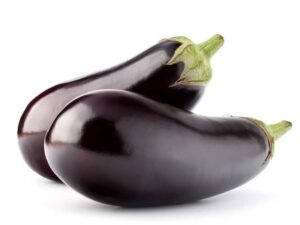
| Traditional large fruit | Black Beauty | Produces broad, dark-purple fruit suited to roasting, baking, grilling and stuffed dishes. |
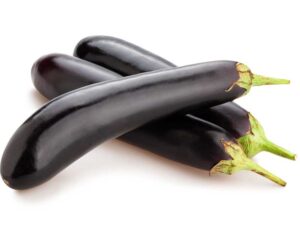
| Long, slender fruit | Early Long Purple | Produces elongated fruit with a high skin-to-flesh ratio suited to slicing, grilling and stir-fries. |
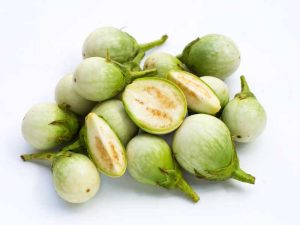
| Compact round fruit | Thai Round | Produces small rounded fruit suited to curries, stir-fries and Southeast Asian cooking. |
| Container growing | Compact or moderately sized plants | Can perform well in large pots where sunlight, moisture, nutrition and support are carefully managed. |
| Market-garden production | Uniform varieties suited to the target market | Consistent fruit size, colour and harvest stage can simplify picking and presentation. |
| Frequent or bulk planting | Varieties available in larger quantities | Bulk packs may offer better value where substantial seedling numbers are required. |
| Variety | Fruit Type | Typical Uses | Growing Considerations |
|---|---|---|---|
| Black Beauty | Large, broad and dark purple | Roasting, grilling, baking, dips and stuffed eggplant | Large fruit can make branches heavy, so staking or caging may be beneficial. |
| Early Long Purple | Long, slender and purple | Stir-fries, grilling, slicing and curries | Regular harvesting encourages continued production of tender fruit. |
| Thai Round | Small, rounded fruit | Thai curries, stir-fries and specialist fresh markets | Fruit is generally harvested while firm and at the characteristic size of the variety. |
Check the individual product page before ordering. Availability, pack size, fruit characteristics and variety-specific sowing information may differ between seed lots.
Eggplant, aubergine and brinjal are common names for cultivated forms of Solanum melongena. The preferred name varies between countries and culinary traditions.
The name most commonly used in Australia and North America.
Aubergine is widely used in Britain and Europe, while brinjal is common across India and parts of Asia and Africa.
Searching for aubergine seeds or brinjal seeds? These names generally refer to the same vegetable sold in Australia as eggplant.
Botanically, eggplant is a fruit because it develops from a flower and contains seeds. In gardening and cooking, however, it is normally grouped with vegetables because it is grown and prepared as a savoury crop.
Eggplant belongs to the Solanaceae family, together with tomatoes, capsicums, chillies and potatoes.
Eggplants require consistently warm conditions, a long growing season and protection from frost. The correct planting time depends on local climate, nighttime temperatures and whether controlled heat can be provided during germination.
| Australian Climate | General Sowing Approach | Important Considerations |
|---|---|---|
| Tropical | Sow during warm conditions while avoiding the most stressful periods of extreme heat, humidity or prolonged rain. | Maintain drainage, airflow and regular pest monitoring. |
| Subtropical | Start seed from late winter into spring, with further sowings possible through the warmer season. | Provide protected propagation where nights remain cool. |
| Temperate | Start seed indoors or under protection before spring, then transplant after frost risk has passed. | An early protected start allows more time for flowering and fruit development. |
| Cool temperate | Sow in a heated greenhouse, propagator or indoor seed-raising system. | Select an early variety and a warm, sheltered outdoor position. |
| Arid and inland | Sow once frost danger has declined and reliable warmth is available. | Protect plants from severe heat, drying winds and irregular soil moisture. |
These periods are general guides. Local elevation, frost dates, seasonal conditions and protected growing systems can alter the best sowing time.
Eggplant seed germinates most reliably in warm seed-raising mix. Cold conditions can substantially delay or prevent emergence.
Keep the growing medium evenly moist without allowing it to become waterlogged.
Sow approximately 5 mm deep or follow any variety-specific directions supplied with the seed.
Young seedlings need bright light to develop sturdy stems and compact growth.
How long do eggplant seeds take to germinate? Eggplant commonly begins germinating within approximately 7–14 days under warm, consistent conditions. Cooler or fluctuating temperatures can extend the germination period.
Do not sow eggplant seed into cold, saturated soil. Insufficient warmth and excessive moisture are common causes of slow or unsuccessful germination.
Eggplants can be grown successfully in containers when each plant has sufficient root space, drainage, sunlight and nutrition.
Potted eggplants dry out and exhaust nutrients more quickly than plants growing in garden soil.
Can eggplant grow in pots? Yes. A large, stable and free-draining container is preferable because restricted roots and inconsistent moisture can limit flowering and fruit size.
Eggplants develop broad leaves and branching growth. Adequate spacing improves access to light, airflow and the developing fruit.
| Growing Method | General Spacing | Considerations |
|---|---|---|
| Compact varieties | Approximately 45–50 cm apart | Suitable where plants remain moderately sized and airflow is adequate. |
| Large or vigorous varieties | Approximately 60–75 cm apart | Wider spacing accommodates broad plants and large fruit. |
| Commercial rows | Spacing depends on machinery, access and production system | Allow sufficient room for harvesting, crop inspection and airflow. |
| Containers | Generally one plant per large pot | Multiple plants in one small container compete for water and nutrients. |
Follow the information supplied for the individual variety where it differs from these general spacing guides.
The time from sowing to harvest depends on variety, temperature, transplant size, sunlight and whether plants experience stress. Eggplants need a longer growing period than fast leafy vegetables.
| Growth Stage | Indicative Period | Important Factors |
|---|---|---|
| Seed germination | Approximately 7–14 days | Growing-medium temperature, moisture and seed condition. |
| Seedling development | Approximately 6–10 weeks | Light, warmth, nutrition and container size. |
| Transplant to first harvest | Often approximately 10–16 weeks | Variety, fruit size, temperature, pollination and plant health. |
| Total seed-to-harvest period | Commonly approximately 4–6 months | Planting season and the length of the protected seedling stage. |
These periods are general guides rather than guaranteed maturity dates. Review each product page for variety-specific information.
Eggplants produce star-shaped flowers that are commonly purple or violet, although flower colour can vary. Each successfully pollinated flower may develop into a fruit.
Warm temperatures, strong sunlight and balanced nutrition support healthy flowering.
Eggplant flowers are generally self-fertile, but wind, insects or gentle plant movement can assist pollen transfer.
Temperature extremes, water stress and excessive nitrogen can reduce the number of flowers that develop into fruit.
Consistent moisture and healthy leaf growth help the plant expand and support developing fruit.
Some flower drop is normal, but repeated loss of flowers can indicate environmental or cultural stress.
| Possible Cause | Effect on the Plant | Management Approach |
|---|---|---|
| Cold conditions | Slow pollen development and weak fruit set. | Delay outdoor planting and provide protected warmth where necessary. |
| Extreme heat | Flowers may dry or abort before fruit develops. | Maintain moisture and provide limited afternoon protection during severe conditions. |
| Irregular watering | Moisture stress can cause flowers and young fruit to drop. | Water deeply and maintain more consistent soil moisture. |
| Excess nitrogen | Plants produce vigorous foliage with limited flowering or fruiting. | Use balanced nutrition rather than repeated high-nitrogen feeding. |
| Limited pollination | Flowers open but fail to form fruit. | Encourage pollinating insects or gently shake flowering plants. |
Eggplants are generally harvested before the fruit becomes fully mature and seedy. Fruit is usually at its best while the skin remains glossy, the flesh is firm and the variety has reached a useful size.
| Fruit Condition | What It Means | Recommended Action |
|---|---|---|
| Glossy, firm skin | The fruit is actively developing and generally at a tender eating stage. | Harvest once it reaches the expected size for the variety. |
| Slight indentation springs back | The fruit is firm but no longer extremely hard. | Usually suitable for harvesting. |
| Dull or bronzed skin | The fruit may be becoming overmature. | Harvest promptly and assess internal seed development. |
| Hard seeds and coarse flesh | The fruit has remained on the plant beyond the preferred culinary stage. | Use for seed saving only where the variety is suitable and the fruit is fully mature. |
Cut fruit from the plant using clean scissors or secateurs. Leave a short section of stem attached and avoid pulling the fruit, as eggplant stems and branches can tear.
Eggplant stems and calyxes can be prickly. Wear gloves where necessary and support heavy fruit while cutting.
Eggplant is usually harvested at botanical immaturity, before the seeds harden. The ideal harvest size therefore depends on the variety rather than on a single universal measurement.
Do not wait for every eggplant to become very large. Fruit left too long can develop dull skin, harder seeds, coarse flesh and reduced eating quality.
Regular harvesting can help the plant direct resources towards new flowers and developing fruit rather than maintaining overmature eggplants.
Pick usable fruit promptly and continue providing consistent moisture and nutrition. The length of continued production depends on plant health, temperature and the remaining growing season.
Not every eggplant requires support, but staking or caging can be valuable for vigorous plants and large-fruited varieties.
Eggplants generally do not require heavy pruning. Removing damaged, diseased or ground-touching growth can improve plant structure and airflow.
Commercial or protected-cropping systems may use more structured pruning and training methods, but severe pruning is not usually necessary for ordinary garden production.
Pruning does not automatically increase yield. Variety, root health, light, temperature, water, nutrition and pollination usually have a greater effect on production.
The growing mix may be too cold, too wet, too dry or compacted. Maintain warmth, moisture and drainage.
Elongated seedlings generally need stronger, more even light.
Cold nights, extreme heat, water stress and excess nitrogen can interfere with fruit set.
Limited pollen movement, temperature extremes or poor plant health may prevent successful fruit development.
Flea beetles and other chewing insects can damage young eggplant foliage. Inspect both sides of the leaves regularly.
Inspect plants for mites, aphids, whitefly, moisture stress and nutrient imbalance.
Overmaturity, heat stress and irregular moisture can reduce fruit quality.
Fruit exposed to intense sunlight after leaf loss may develop pale or damaged patches.
Eggplants, tomatoes, capsicums and chillies have broadly similar temperature, sunlight and soil requirements and can be grown in the same general garden area.
Because they all belong to the Solanaceae family, they also share several pests and diseases. Avoid overcrowding, inspect plants regularly and rotate these crops between garden beds where practical.
Do not repeatedly grow related crops in the same soil. Crop rotation can help reduce the build-up of soil-borne pests and diseases affecting eggplants, tomatoes, chillies, capsicums and potatoes.
Smaller quantities suit gardeners growing several plants, trialling a new fruit type or combining different eggplant shapes in one garden.
Larger seed quantities may suit growers producing substantial transplant numbers or supplying fresh vegetable markets.
Compare commercial value by more than seed price. Germination, plant vigour, fruit number, fruit size, harvest labour, grading and market demand all affect crop profitability.
Commercial eggplant production requires careful variety selection, transplant scheduling and market planning. Seedling uniformity, fruit specification, harvest frequency, labour and pack-out percentage all influence the usable crop.
Even emergence helps create consistent transplant batches and simplifies crop establishment.
Select varieties by fruit shape, colour, size, skin quality and intended market.
Regular picking is required to maintain tender fruit and encourage continued production.
Confirm whether customers require large purple fruit, slender Asian eggplants or specialist round types.
Australian eggplant seed availability can vary. Commercial growers should confirm current stock, pack size and lead time before finalising propagation schedules.
Sow eggplant seeds approximately 5 mm deep in moist, free-draining seed-raising mix. Maintain consistent warmth, keep the mix evenly moist and provide strong light after germination. Harden seedlings gradually and transplant them after frost risk has passed and outdoor conditions are reliably warm.
Eggplant seeds commonly germinate within approximately 7–14 days under warm, consistent conditions. Cooler temperatures may result in substantially slower and less even emergence.
A growing-medium temperature of approximately 22–30°C is generally suitable. A heat mat or propagator may improve results in cooler conditions.
Sow eggplant seeds approximately 5 mm deep and cover them lightly with fine seed-raising mix. Avoid planting the seed deeply into cold or compacted soil.
In temperate and cool regions, begin eggplant seed under protection before spring and transplant after frost danger has passed. In subtropical and tropical climates, sow during reliably warm conditions while avoiding periods of severe heat, cold or prolonged heavy rain.
Eggplants generally perform best with approximately six to eight hours of direct sunlight. Some protection from severe afternoon heat may be helpful in very hot climates.
Yes. Grow one plant in a large, free-draining container filled with premium vegetable potting mix. Container-grown plants require regular watering, feeding and support.
Space eggplants approximately 45–75 cm apart, depending on the mature size of the variety and the growing system.
Eggplant commonly requires approximately four to six months from sowing to first harvest. Timing varies with variety, temperature, transplant size and seasonal conditions.
Pick eggplant once the fruit reaches the expected size for the variety while the skin remains glossy and the flesh is firm. Do not wait for the skin to become dull and the seeds to harden.
A harvest-ready eggplant generally has smooth, glossy skin and firm flesh. A light thumb impression should recover rather than leaving a deep permanent mark.
Regularly removing usable fruit can help the plant direct energy towards new flowers and developing eggplants rather than maintaining overmature fruit.
Support is useful for large-fruited varieties, heavily laden plants and exposed sites. Install stakes or cages while the plants are young to avoid damaging established roots.
Heavy pruning is not normally required. Remove damaged, diseased or ground-touching growth and lightly shape plants where improved airflow or support is needed.
Flower drop may be caused by cold nights, extreme heat, irregular watering, excess nitrogen or unsuccessful pollination. Maintain more consistent conditions and balanced plant nutrition.
Flowers may fail to set fruit because of unsuitable temperatures, limited pollen movement, moisture stress or poor plant health. Gentle movement of the flowering branches can assist pollen transfer in protected growing environments.
Eggplant is botanically a fruit because it develops from a flower and contains seeds. It is generally treated as a vegetable in cooking and horticultural retail.
Yes. These are regional names for cultivated forms of Solanum melongena. Eggplant is the name most commonly used in Australia.
Yes. Eggplants and tomatoes have similar growing requirements. Because they share pests and diseases, provide sufficient spacing and rotate related crops between garden beds where practical.
Seed can be saved from fully mature fruit of suitable open-pollinated varieties. Eggplants can cross-pollinate, and seed collected from hybrid plants will not necessarily reproduce the parent variety accurately.
Eggplant seed for Australian growers
Seedmart supplies eggplant seed for backyard gardens, container growing, market gardens and commercial vegetable production. The range includes large traditional fruit, long slender eggplants and compact round varieties, with larger quantities available on selected lines.
Review the individual product pages for current availability, pack options, fruit characteristics and variety-specific growing information before ordering.