
Red Grass Bothriochloa macra Seeds
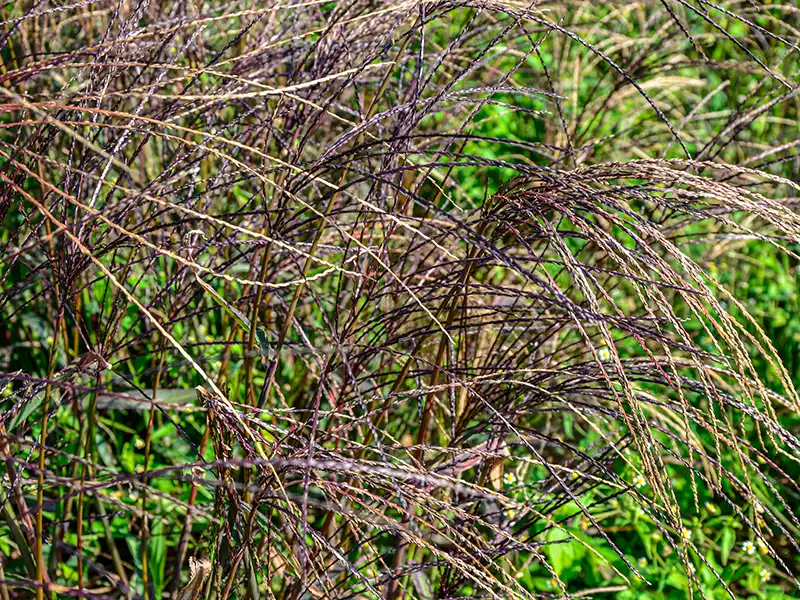
Grow a hardy Australian native perennial grass suited to sunny landscapes, naturalistic gardens and suitable revegetation plantings. Red Grass (Bothriochloa macra) forms low-growing leafy tussocks with slender, reddish-purple flowering stems that rise above the foliage during the warmer months.
This warm-season grass occurs naturally in New South Wales, Queensland, Victoria and South Australia. Its drought tolerance once established and persistent perennial growth make it useful for locally appropriate grassland, woodland and soil-conservation plantings.
Red Grass Seed Details
| Botanical name | Bothriochloa macra |
|---|---|
| Common names | Red Grass, Red-leg Grass |
| Family | Poaceae |
| Plant type | Australian native warm-season perennial grass |
| Growth habit | Low-growing tussocks with spreading foliage and upright flowering stems |
| Approximate height | Up to approximately 1 m when flowering; foliage remains lower |
| Foliage | Narrow, sparsely hairy leaves; green to brownish, sometimes developing reddish or purplish tones |
| Flowers and seed heads | Slender reddish-purple stems carrying narrow, hairy flowering branches and awned seed |
| Flowering period | Mainly summer to early autumn; timing varies with location and conditions |
| Position | Full sun; can tolerate part shade |
| Soil | Varied soil types; loam and clay soils with access to moisture are particularly important in drier areas |
| Seeds per gram | Approximately 592–714; varies with seed lot and preparation |
| Uses | Native gardens, naturalistic landscapes, suitable native pastures, grassland revegetation and soil-conservation plantings |
Why Grow Red Grass?
- Australian native perennial grass with a low-growing tussock habit.
- Reddish flowering stems add seasonal colour and texture.
- Useful for sunny, naturalistic landscape plantings.
- Tolerates drought once established in suitable conditions.
- Provides warm-season growth in mixed native grass plantings.
- Suitable for locally appropriate revegetation and soil-conservation projects.
How to Grow Red Grass from Seed
Red Grass needs warm conditions and reliable moisture for establishment. Germination can vary with seed age and dormancy, so follow any instructions supplied for your seed lot.
- Prepare the growing medium. Use clean, free-draining seed-raising mix in trays or tubes. For direct sowing, prepare a firm, weed-free seedbed.
- Sow shallowly. Press seed into the surface and cover only lightly with fine mix or soil. Avoid deep burial.
- Water gently. Use a fine spray to settle the seed without washing it away.
- Maintain moisture. Keep the sowing surface consistently moist during emergence, while allowing excess water to drain.
- Provide warmth. Aim for propagation temperatures around 25–30°C. Shelter containers from excessive heat and drying winds.
- Allow time for germination. TreeProject reports emergence in approximately 2–4 weeks under suitable conditions. Dormant seed or cooler temperatures can delay results.
- Establish seedlings gradually. Harden nursery-grown plants before transplanting and provide follow-up watering while roots develop.
Red Grass for Landscaping
Red Grass suits informal planting where low leafy tussocks and taller seasonal flowering stems are part of the design. Grow it in groups among locally suitable native grasses and wildflowers, allowing space for its natural form.
Its appearance changes through the seasons. Warm weather encourages active growth, while frost can brown the foliage and reduce growth during winter.
Red Grass for Revegetation and Soil Conservation
Red Grass can contribute persistent vegetation to suitable native pasture and revegetation sites. It has recognised soil-conservation value, including in appropriate waterway and summer pasture settings.
Combine it with other species suited to the planting site. Successful establishment requires adequate moisture and control of competing weeds, even where mature plants tolerate drought.
For ecological restoration, confirm local occurrence, vegetation-community suitability and seed provenance. Determine project sowing rates from seed purity and germination results rather than seed weight alone.
Flowers and Foliage
The foliage forms a relatively low tussock beneath slender flowering stems. These stems often develop reddish-purple tones, giving the species its common name.
The flowering branches carry hairy spikelets and awned seed. Flowering is mainly associated with summer and early autumn, although timing depends on climate and seasonal moisture.
Where to Grow Red Grass
- Sunny Australian native gardens.
- Naturalistic and meadow-style landscapes.
- Locally appropriate grassland and woodland revegetation.
- Suitable native pasture systems.
- Soil-conservation plantings matched to site conditions.
- Mixed native grass plantings requiring warm-season growth.
When to Sow Red Grass Seeds in Australia
These are general planning guides rather than fixed sowing dates. Choose warm conditions with reliable moisture, and allow seedlings time to establish before cold weather.
| Climate Zone | Suitable Sowing Period | Growing Notes |
|---|---|---|
| Cool | Late spring to early summer, where locally suitable | Wait for warm conditions and protect young seedlings from frost. |
| Temperate | Spring to early summer; early autumn where warmth persists | Maintain moisture and avoid late sowing before winter frosts. |
| Subtropical | Spring to early autumn with reliable moisture | Protect trays from excessive heat and prevent the seedbed from drying. |
| Tropical | Warm periods with managed moisture, where suitable | Confirm species and provenance suitability; shelter seed from heavy rain. |
| Arid / Semi-arid | Warm periods with dependable rainfall or irrigation | Assess soil moisture availability and arrange follow-up establishment watering. |
Tips for Growing Red Grass Successfully
- Use clean propagation mix or a prepared, weed-free seedbed.
- Sow shallowly and maintain good seed-to-soil contact.
- Provide warm conditions for germination.
- Maintain moisture while seedlings emerge.
- Follow lot-specific advice on dormancy and pretreatment.
- Avoid late sowing where young plants will encounter frost.
- Control competing weeds during establishment.
- Use locally suitable provenance for restoration projects.
Frequently Asked Questions
What is Red Grass?
Red Grass is an Australian native perennial grass botanically known as Bothriochloa macra. It is also called Red-leg Grass.
Is the foliage always red?
No. Leaves can be green or brownish, with reddish or purplish tones developing seasonally. The slender flowering stems are often reddish-purple.
Is Red Grass a warm-season grass?
Yes. It grows most actively during warmer weather, and growth slows in cold conditions.
Does Red Grass need seed treatment?
Some seed lots germinate without treatment, while fresh seed may benefit from after-ripening. Smoke treatment may improve results. Follow supplier instructions for the supplied lot.
Is Red Grass drought tolerant?
Established plants tolerate drought in suitable sites. Seeds and young seedlings still require reliable moisture.
Does it stay green through winter?
Not necessarily. Frost can brown the foliage, and winter growth is limited in colder climates.
Can Red Grass be used for revegetation?
Yes, where it is appropriate to the local vegetation community and project requirements. Confirm provenance and site suitability before sowing.
How many seeds are there per gram?
Approximately 592–714 seeds per gram is a supplier guide. Counts vary with seed lot and preparation.
Grow Red Grass from Seed
Red Grass brings seasonal texture and warm-season growth to sunny native landscapes. It is also useful in suitable revegetation projects where a persistent native perennial grass is required.
Sow shallowly into a prepared growing medium, provide warmth and reliable moisture, and support seedlings with weed control and follow-up watering during establishment.
Reviews
There are no reviews yet.