
Dwarf and Bush Beans
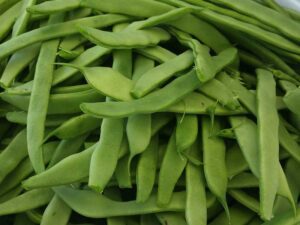
Dwarf beans form relatively compact plants and are useful where space is limited or trellising is not practical. They often produce a concentrated harvest.


Bean seed buying guide
Beans include a diverse group of productive vegetables grown for tender pods, fresh shelling beans, mature dried beans or edible young seeds. Varieties differ substantially in plant size, climbing habit, preferred season, pod shape, colour and culinary use.
Seedmart supplies bean seeds for home gardens, market gardens and commercial vegetable production throughout Australia. The range includes compact dwarf beans, vigorous climbing beans, broad beans, runner beans, snake beans and specialty varieties suited to different climates and growing systems.
The best bean variety will depend on your climate, planting season, available space, preferred harvest type and whether you want compact plants or productive climbing vines.
Healthy bean plants can produce repeated harvests of fresh pods when picked regularly.
Climbing, runner and snake beans can use trellises and other supports to make efficient use of garden space.
Compact bush beans are suitable for garden beds, raised planters and larger containers.
Regular harvesting encourages many pod-producing varieties to continue flowering and setting new beans.
Grow beans for tender green pods, fresh shelling beans, dried beans, soups, salads and cooked vegetable dishes.
Choose smaller quantities for household gardens or larger packs for repeated sowing and commercial production.
Some beans are selected for compact growth and early harvests, while others are grown for extended production, unusual pods, shelling beans or dry seed.
| Growing Goal | Recommended Bean Type | Why Choose It? |
|---|---|---|
| Compact plants | Dwarf or bush beans | Form self-supporting plants that generally do not require a tall trellis. |
| Vertical production | Climbing and pole beans | Use upright supports efficiently and can provide an extended harvest period. |
| Cool-season production | Broad beans | Prefer cool to mild conditions and are commonly planted through autumn and winter in suitable regions. |
| Hot-weather production | Snake beans and selected warm-season beans | Perform best in warm conditions when ordinary French beans may be less productive. |
| Fresh green pods | Dwarf, climbing and runner beans | Harvested while pods are young, tender and before the seeds become fully developed. |
| Fresh shelling beans | Selected shelling varieties | Pods are allowed to fill before the fresh seeds are removed and cooked. |
| Dry bean production | Drying and shelling varieties | Plants are allowed to mature until the pods and seeds are dry enough for storage. |
| Market garden production | Uniform dwarf or climbing varieties | Suitable for scheduled sowing, repeated picking and fresh vegetable sales. |
Dwarf beans form relatively compact plants and are useful where space is limited or trellising is not practical. They often produce a concentrated harvest.
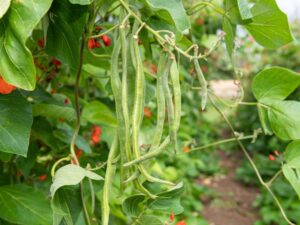
Climbing beans produce vigorous vines that require a trellis, frame, fence or other strong support. They can provide an extended picking period.
Broad beans are upright cool-season legumes grown for their large fresh seeds. They differ in growth habit and seasonal requirements from ordinary French beans.
Snake beans are heat-loving climbing legumes that produce long, slender pods during warm and humid conditions.
Runner beans produce strong climbing plants and attractive flowers. They perform best where temperatures and local conditions suit the variety.
These varieties are allowed to develop mature seeds for fresh shelling or complete drying and longer-term storage.
Dwarf and climbing beans are grown in similar soil conditions, but their plant habit, support requirements and harvest pattern differ.
| Dwarf Beans | Climbing Beans |
|---|---|
| Develop compact, bushy plants. | Produce long vines that require sturdy support. |
| Generally suitable for garden beds, raised planters and large containers. | Well suited to trellises, fences, arches and vertical garden structures. |
| Often produce a concentrated harvest over a shorter period. | Can provide a longer harvest when pods are picked regularly. |
| Useful where low plant height or easier access is important. | Make efficient use of limited ground space by growing vertically. |
| Successive sowings can extend production. | A smaller number of established vines may remain productive for longer. |
Most common beans prefer warm conditions, but broad beans are a distinct cool-season crop.
| Bean Group | Examples | General Growing Conditions |
|---|---|---|
| Warm-season dwarf beans | French, green, yellow and specialty bush beans | Plant after frost risk has passed and the soil has warmed sufficiently. |
| Warm-season climbing beans | Pole beans and climbing French beans | Require warm soil, full sun and strong support before vigorous growth begins. |
| Hot-climate climbing beans | Snake beans | Prefer consistently warm to hot weather and may be slow or unproductive in cool conditions. |
| Cool-season beans | Broad beans | Generally planted during autumn or winter in mild climates and grown through cool conditions. |
| Climate-sensitive climbers | Runner beans | Often perform best in mild conditions and may produce poorly during extreme heat. |
Planting times vary across Australia’s tropical, subtropical, temperate, cool and arid regions. Check individual product descriptions before sowing.
Dwarf and climbing beans are generally planted after frost risk has passed and the soil begins to warm. Broad beans provide a separate cool-season option.
Warm regions can support an extended growing season, although ordinary French beans may perform poorly during the hottest and most humid periods.
Bean varieties may be harvested at several stages. The correct harvest stage depends on whether the pods, fresh seeds or mature dry beans are required.
Harvest pods while they are young, crisp and before the developing seeds create large bulges along the pod.
Allow pods to fill fully, then remove the developed but still soft seeds for cooking.
Leave pods on the plants until they become dry and brittle, then shell and dry the mature beans thoroughly before storage.
Harvest broad beans when the pods are full and the seeds have reached the preferred size and tenderness.
Pod colour, shape and texture vary between varieties and can influence presentation, harvest timing and culinary use.
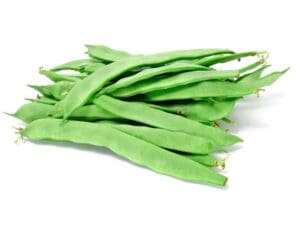
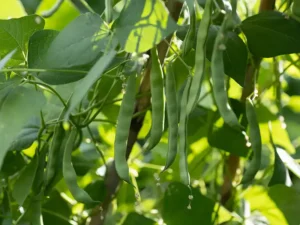
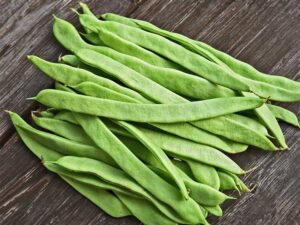
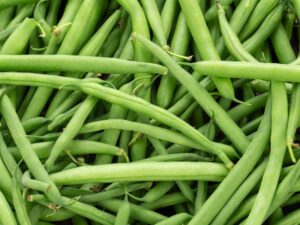
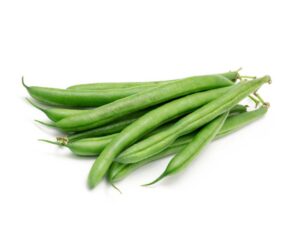
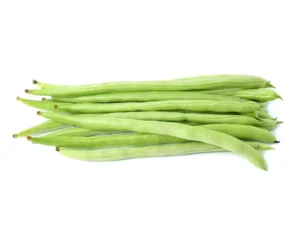
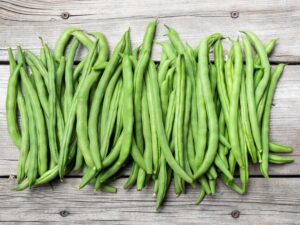
Green-podded beans are versatile varieties used for steaming, boiling, stir-frying, roasting and fresh vegetable dishes.
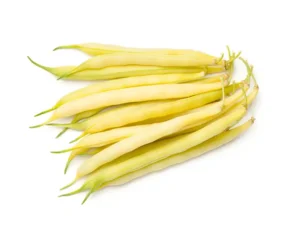
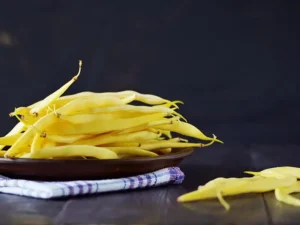
Yellow or wax beans provide bright pod colour and may be prepared in the same way as tender green beans.
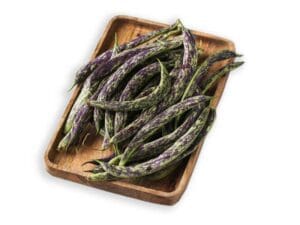
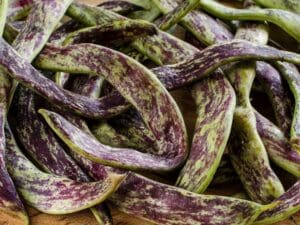
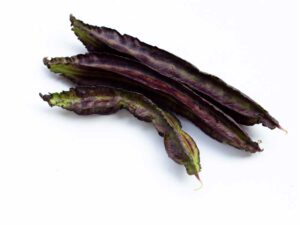
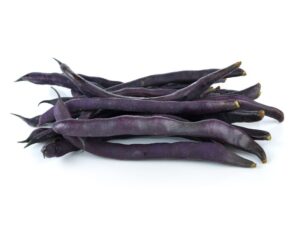
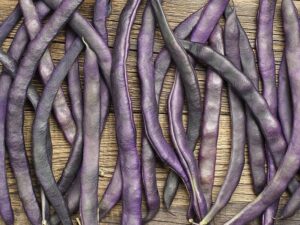
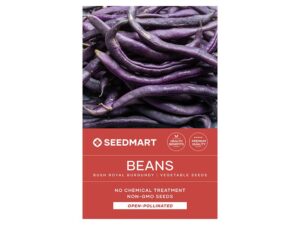
Purple beans provide strong garden and market-display colour, although many varieties become green when cooked.
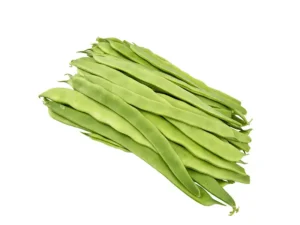
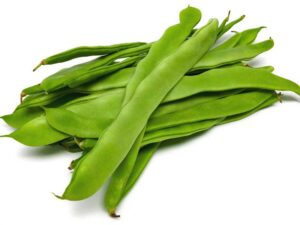
Flat beans produce broader pods that may remain tender at a larger size, depending on the variety.
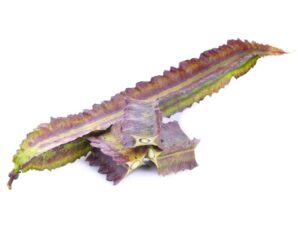
Snake beans produce exceptionally long, slender pods that are best harvested before the seeds become coarse.
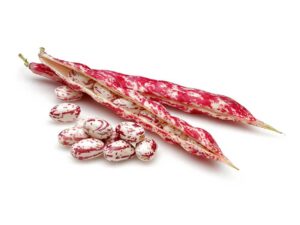
Shelling varieties are selected for the edible seeds rather than for tender whole pods.
Climbing, runner and snake beans require adequate support. Install the structure before sowing or while seedlings are still small to avoid damaging established roots.
Strong vertical structures allow climbing beans to grow naturally and keep developing pods visible and accessible.
Guide young vines towards the support as they begin to extend. Avoid weak structures that may collapse under the combined weight of foliage, pods and wind.
Smaller quantities are suitable for household vegetable gardens, raised beds and growers trialling different pod colours or growth habits.
Bulk bean seed can be more economical for growers making repeated sowings or producing beans for fresh vegetable markets.
Commercial bean production requires varieties suited to the planting season, harvest system, target market and available labour.
Consistent emergence and flowering help produce a more uniform harvest and simplify picking schedules.
Dwarf beans may provide a concentrated crop, while climbing varieties often require repeated hand harvesting.
Straightness, colour, fibre, tenderness, length and shelf life can affect market acceptance and saleable yield.
Select green, yellow, purple, flat, long or shelling beans according to established customer demand.
Dwarf French beans are useful starting varieties because they form compact plants and generally do not require trellising. The easiest variety will depend on the local climate and planting season.
Dwarf beans form compact, self-supporting plants and often provide a concentrated harvest. Climbing beans produce long vines that need support and may continue producing over a longer picking period.
Most dwarf, climbing and snake beans are warm-season crops planted after frost risk has passed. Broad beans are different and are generally planted through the cooler part of the year.
Soaking is usually unnecessary and may increase the risk of seed damage or rotting if the soil is cold or excessively wet. Sow dry seed into suitably warm, moderately moist soil unless the product instructions specify otherwise.
Yes. Dwarf beans can grow in large containers with adequate depth, drainage and sunlight. Climbing beans require larger containers and a strong support structure.
No. Dwarf or bush beans generally support themselves. Climbing, runner and snake beans require a trellis, frame, fence or another sturdy vertical support.
Common causes include cold soil, excessive moisture, poor drainage, deep sowing, damaged seed or soil pests. Beans are particularly vulnerable to rotting before emergence in cold and saturated conditions.
Harvest time varies considerably between varieties. Many dwarf beans produce pods sooner than climbing beans, while broad beans, runner beans and dry shelling varieties may require longer growing periods.
Tender pod varieties should be checked and picked regularly, often every few days during peak production. Leaving mature pods on the plant can slow the development of additional flowers and pods.
Poor pod set may result from excessive heat, cold conditions, moisture stress, inadequate pollinator activity in varieties that benefit from insects, excessive nitrogen or unsuitable seasonal conditions.
Seed may be saved from suitable open-pollinated varieties, provided plants are healthy and unwanted cross-pollination is managed. Seed collected from F1 hybrids will not reliably reproduce the original variety.
No. Broad beans are a cool-season crop grown primarily for their large edible seeds. Green beans are usually warm-season varieties harvested while the entire pod is young and tender.
Snake beans are climbing legumes, but they are a different crop from common climbing French beans. They prefer hotter conditions and produce much longer pods.
Beans are legumes capable of forming relationships with nitrogen-fixing bacteria. The amount of nitrogen retained in the soil depends on nodulation, crop management and whether plant material is removed or returned to the soil. Vegetable bean crops should not be treated as a substitute for appropriate soil testing and fertility management.
No. Mature dry beans should be prepared and cooked using an appropriate method before consumption. Some bean species contain naturally occurring compounds that are reduced through correct soaking and thorough cooking.
Bean seeds for Australian growers
Seedmart supplies bean seeds for household vegetable gardens, raised beds, market gardens and commercial production. Choose from compact dwarf beans, productive climbing varieties, broad beans, runner beans, snake beans and specialty beans for fresh pods, shelling or drying.
Review the individual product pages for available pack sizes, growth habit, planting season, trellis requirements and variety-specific sowing information before ordering.