
Cherry Tomatoes
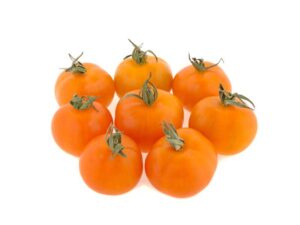
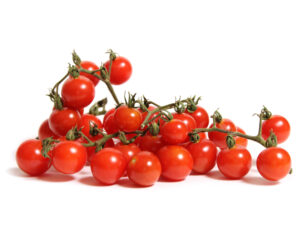
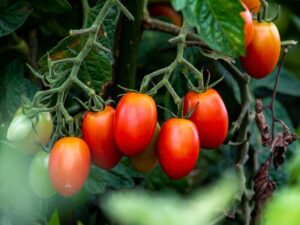
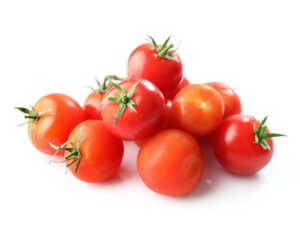
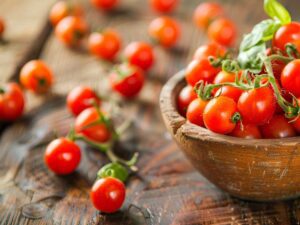
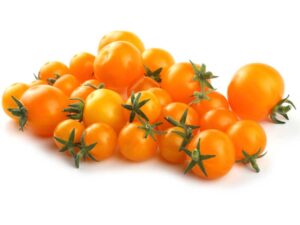
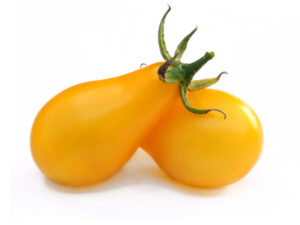
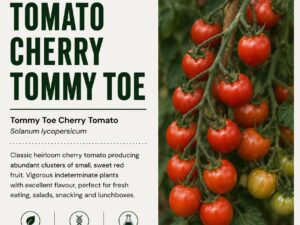
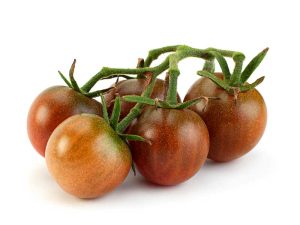
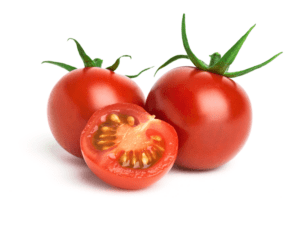
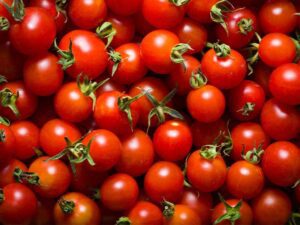
Cherry tomatoes produce small, sweet fruit in round, cocktail, pear-shaped and coloured forms. They are suited to snacking, salads and repeated harvests.

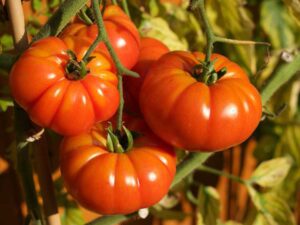
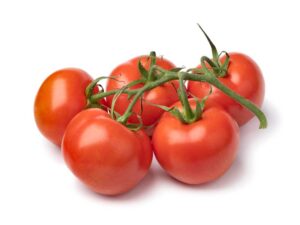
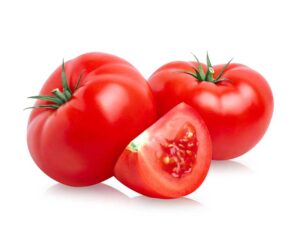
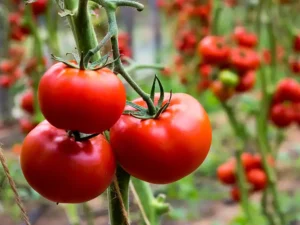
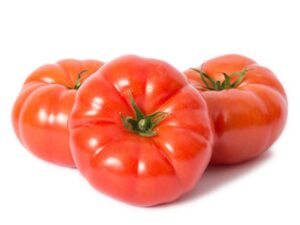
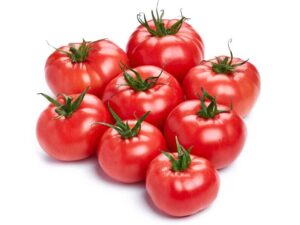
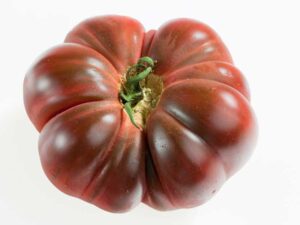
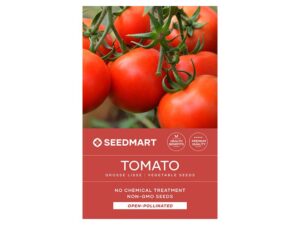

Tomato seed buying and growing guide
Tomatoes are productive warm-season vegetables grown in an extensive range of fruit sizes, shapes, colours and flavours. Varieties differ in plant height, growth habit, maturity, fruit texture, seed content, yield, disease response and suitability for fresh eating, sauces, preserving, containers or commercial production.
Seedmart supplies tomato seeds for home gardeners, market gardeners and commercial vegetable growers throughout Australia. Choose cherry tomatoes for sweet bite-sized fruit, Roma and paste tomatoes for sauces, beefsteak and Oxheart varieties for substantial slicing fruit, or compact tomatoes for pots, balconies and smaller gardens.
The best tomato seed will depend on your climate, available growing space, preferred fruit size, support system, harvest period and intended culinary or commercial use.
Healthy tomato plants can produce repeated harvests throughout a long warm growing season.
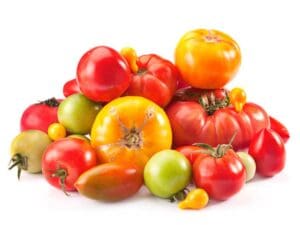
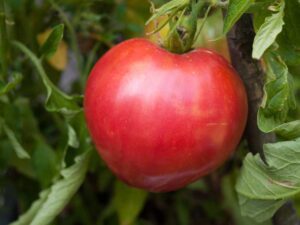
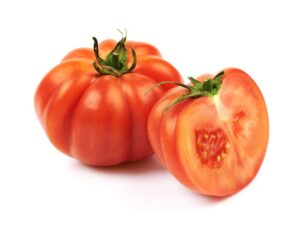
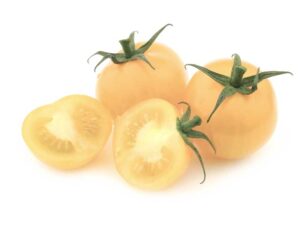
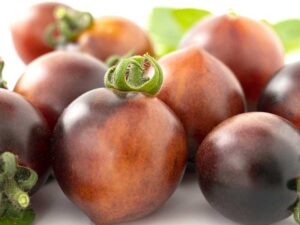
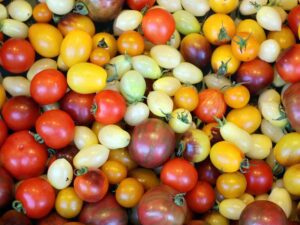
Choose red, pink, yellow, orange, brown, white, green-striped, round, pear-shaped and ribbed fruit.
Compact and dwarf tomatoes can be grown in large pots, raised planters and small urban gardens.
Use tomatoes in salads, sandwiches, sauces, soups, roasting, preserving and cooked dishes.
Indeterminate tomatoes continue flowering and producing fruit while conditions remain suitable.
Choose smaller packs for household gardens or larger quantities for repeated and commercial plantings.
Some tomatoes are selected for sweetness and fresh eating, while others are grown for large slicing fruit, sauces, preserving, compact plants or distinctive heirloom flavour.
| Growing Goal | Recommended Varieties or Types | Why Choose Them? |
|---|---|---|
| Large slicing tomatoes | Beefsteak, Mortgage Lifter, German Johnson and Oxheart Red | Produce substantial fruit suited to sandwiches, burgers, salads and fresh slices. |
| Tomato sauces and paste | San Marzano, Roma and Amish Paste | Develop meaty fruit with useful flesh-to-seed ratios for sauces, passata, paste and preserving. |
| Sweet cherry tomatoes | Sweetie, Tommy Toe, Cherry Gold, Yellow Pear and other cherry varieties | Produce small fruit suited to snacks, salads, lunchboxes and repeated picking. |
| Traditional Australian garden tomatoes | Grosse Lisse, Moneymaker, KY1 and Burwood Prize | Recognisable general-purpose varieties suited to slicing, salads and household production. |
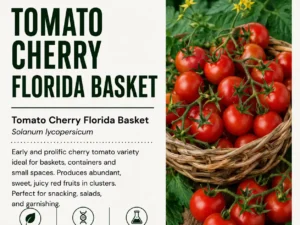
| Containers and hanging baskets | Florida Basket and other compact varieties | More manageable growth suits large pots, balconies and limited garden space. |
| Rich heirloom flavour | Paul Robeson, Mortgage Lifter, German Johnson and Costoluto Genovese | Selected for distinctive flavour, fruit shape, colour and traditional garden appeal. |
| Colourful mixed harvests | Cherry Rainbow, Heirloom Rainbow Mix, Green Zebra, Pink Ping Pong and coloured cherry types | Add contrasting colours, shapes and flavours to salads, produce boxes and market displays. |
| Warm and humid conditions | Tropic and locally proven varieties | Varieties selected for warmer regions can provide greater reliability under challenging summer conditions. |
| Market garden production | Variety selected for fruit specification and customer demand | Cherry, slicing, paste and specialty tomatoes serve different retail, restaurant and wholesale markets. |
Cherry tomatoes produce small, sweet fruit in round, cocktail, pear-shaped and coloured forms. They are suited to snacking, salads and repeated harvests.
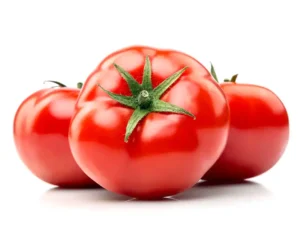
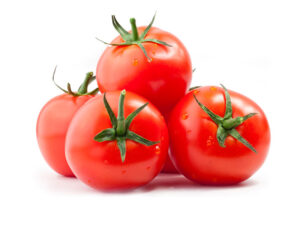
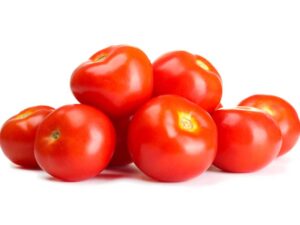
General-purpose slicing tomatoes produce medium fruit suited to sandwiches, salads, roasting and everyday cooking.
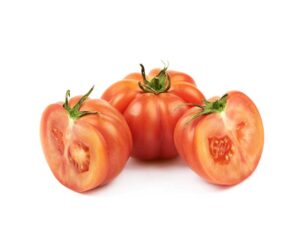
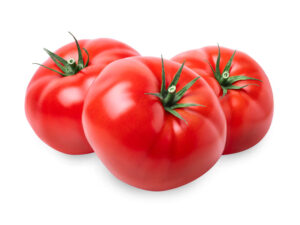
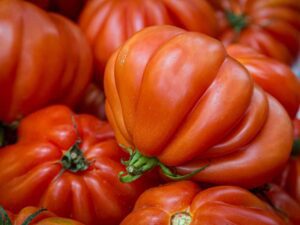
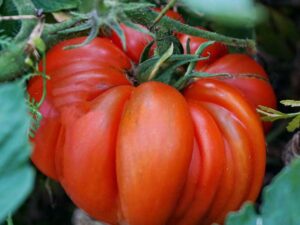
Beefsteak, Mortgage Lifter and similar varieties develop substantial fruit with broad slices and rich flesh.
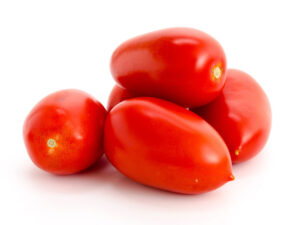
Paste varieties produce firm, meaty fruit suited to sauces, passata, preserving and drying.
Heirloom varieties are valued for distinctive flavour, colour, history and the ability to save seed where adequate isolation is maintained.
Compact plants can suit large pots, balconies, hanging baskets and smaller gardens.
Tomato groups differ in fruit size, texture and preferred culinary use.
| Tomato Type | General Characteristics | Suitable Uses |
|---|---|---|
| Cherry tomatoes | Small fruit, commonly produced in clusters with high sweetness and frequent harvests. | Snacks, salads, lunchboxes, roasting and garnishes. |
| Cocktail tomatoes | Larger than most cherries but smaller than standard slicing tomatoes. | Salads, fresh eating, roasting and retail punnets. |
| Slicing tomatoes | Medium round fruit with balanced flesh, juice and seed content. | Sandwiches, burgers, salads, roasting and general cooking. |
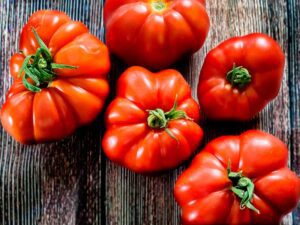
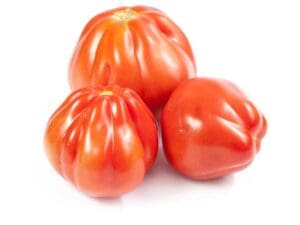
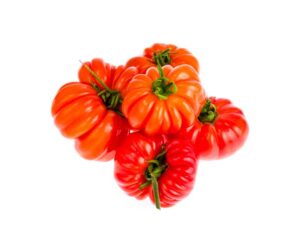
| Beefsteak tomatoes | Large, often irregular or ribbed fruit with substantial flesh and broad slices. | Burgers, sandwiches, fresh slicing and specialty market sales. |
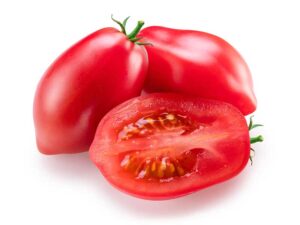
| Oxheart tomatoes | Large heart-shaped fruit with fleshy interiors and relatively few seed cavities. | Slicing, sauces, fresh eating and preserving. |
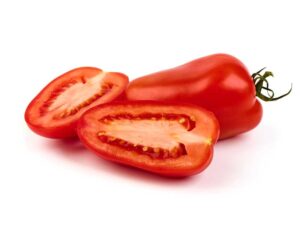
| Roma and paste tomatoes | Elongated or plum-shaped fruit with firm flesh and comparatively lower moisture. | Sauces, passata, paste, preserving, roasting and drying. |
Roma and San Marzano are both paste-type tomatoes, but they are not necessarily identical varieties.
| Roma Tomatoes | San Marzano Tomatoes |
|---|---|
| A broad and widely recognised plum or paste tomato type. | A named traditional Italian paste tomato variety or strain. |
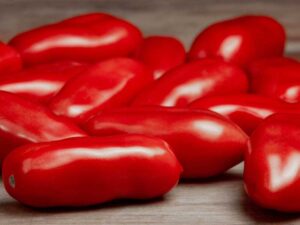
| Fruit is generally oval or plum shaped. | Fruit is generally longer and more cylindrical. |
| Selected for firm flesh and reduced moisture. | Valued for meaty flesh and traditional sauce use. |
| May have determinate or semi-determinate growth depending on the strain. | Growth habit should be checked on the specific product page. |
| Suitable for sauce, roasting and preserving. | Particularly associated with passata, pasta sauce and Italian cooking. |
Heirloom, open-pollinated and hybrid tomatoes are produced through different breeding and seed-maintenance systems.
| Open-Pollinated and Heirloom Tomatoes | F1 Hybrid Tomatoes |
|---|---|
| Can generally produce true-to-type seed where crossing is prevented. | Produced by crossing selected parent lines to create a first-generation hybrid. |
| Often valued for distinctive flavour, history, shape and colour. | Often selected for uniformity, disease packages, yield or specific commercial traits. |
| May display greater variation between individual plants. | Usually produces a more uniform first-generation crop. |
| Suitable for growers interested in seed saving. | Saved seed does not reliably reproduce the original hybrid. |
| Includes many traditional garden varieties. | Includes both household and commercial varieties. |
Tomato growth habit affects plant height, staking, pruning, harvest timing and suitability for containers.
| Determinate Tomatoes | Indeterminate Tomatoes |
|---|---|
| Grow to a comparatively defined height. | Continue extending and flowering while conditions remain suitable. |
| Often produce a more concentrated harvest. | Generally produce over a longer harvest period. |
| Usually require less intensive pruning. | Can benefit from regular training and selective pruning. |
| Commonly suited to containers, field production and processing. | Commonly suited to trellises, tall stakes and extended household picking. |
| Fruit may mature across a shorter period. | Fruit develops progressively along continued vine growth. |
| Support may still be required when carrying a heavy crop. | Strong support is generally essential. |
A tomato is the edible fruit of Solanum lycopersicum, a plant in the nightshade family. The crop is related to capsicum, chilli, eggplant and potato.
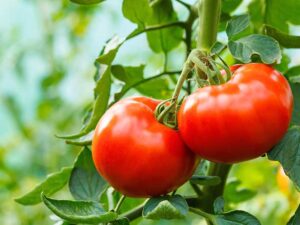
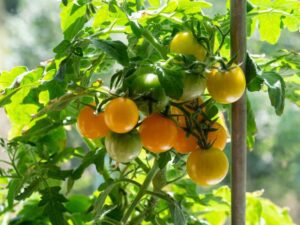
Tomato plants produce clusters of yellow flowers followed by green fruit that develops its mature colour according to variety.
Tomatoes may be classified according to:
Cherry, cocktail, standard slicing, beefsteak and large-fruited types.
Round, flattened, ribbed, pear-shaped, plum, cylindrical and heart-shaped fruit.
Determinate, semi-determinate, indeterminate, dwarf and compact plants.
Fresh eating, sauces, preserving, drying, roasting and specialty market production.
Botanically, a tomato is a fruit because it develops from a flower and contains seeds.
In cooking, tomatoes are generally treated as vegetables because they are used predominantly in savoury salads, sauces, soups and main dishes.
Both descriptions are therefore correct within their own contexts:
| Botanical Classification | Culinary Classification |
|---|---|
| A fruit developing from the flower ovary. | A vegetable used primarily in savoury dishes. |
| Contains seeds within fleshy chambers. | Prepared with herbs, salt, sauces, meat, grains and vegetables. |
| Comparable botanically with capsicum, eggplant and cucumber fruit. | Grouped commercially with other fresh vegetables. |
Tomatoes are warm-season plants requiring full sun, fertile free-draining soil, reliable moisture and protection from frost.
Provide at least six to eight hours of direct sunlight for strong flowering and fruit development.
Tomatoes require balanced nutrition and free drainage throughout their long production period.
Place stakes, cages or trellises before plants become large and difficult to handle.
Consistent watering supports steady fruit growth and reduces stress-related crop problems.
Tomatoes are planted during frost-free conditions. The best sowing and transplanting period varies from tropical northern Australia to cool southern districts.
| Climate Zone | General Sowing Period | Growing Notes |
|---|---|---|
| Cool | August to December under protection or after frost | Raise seedlings before the final frost and transplant once soil and night temperatures have warmed. |
| Temperate | August to January | Start seedlings in late winter or spring and plant outdoors after frost risk has passed. |
| Subtropical | July to February | Spring and autumn crops can avoid the most difficult combinations of heat, humidity and heavy rain. |
| Tropical | February to August | Dry-season production commonly provides improved flowering, disease management and fruit quality. |
| Arid | August to February | Provide dependable irrigation and protect flowers and fruit from extreme heat and drying winds. |
These planting periods are general guides. Local frost dates, elevation, humidity, rainfall, night temperatures and summer heat should also be considered.
Regional planting periods should be adjusted according to frost, summer heat and humidity.
| Location | General Planting Guide | Key Considerations |
|---|---|---|
| Brisbane and South East Queensland | July to February | Late winter and spring plantings can establish before peak summer humidity, while autumn crops may perform well in frost-free areas. |
| Sydney and coastal New South Wales | August to January | Plant after cool soil begins warming and maintain airflow during humid weather. |
| Inland New South Wales | September to December | Wait until frost risk has passed and allow sufficient time for fruit to mature before autumn cooling. |
| Melbourne and Victoria | September to December | Raise seedlings before planting outdoors, but delay transplanting until frost risk has passed and nights are warmer. |
| Canberra and cool inland districts | October to December | Use protected seedling production and plant into the warmest available frost-free period. |
| Adelaide and South Australia | August to December | Provide deep watering, mulch and protection from severe dry heat. |
| Perth and south-west Western Australia | August to December | Spring planting allows establishment before the hottest part of summer. |
| Tasmania | October to December | Select earlier varieties and use warm, sheltered positions or protected growing systems. |
| Darwin and tropical northern Australia | February to July | Dry-season production generally reduces waterlogging, severe humidity and disease pressure. |
Tomatoes are commonly raised in seedling trays or individual cells before being transplanted into garden beds, pots or commercial rows.
Plant tomato seeds approximately 5 mm deep. Cover them lightly with fine seed-raising mix.
Use a clean, free-draining seed-raising medium.
Sow one or two seeds per cell and retain the strongest seedling.
Tomato seeds commonly germinate within approximately 5–12 days under warm conditions.
Warm growing medium generally supports faster and more uniform emergence.
Keep the medium evenly moist without continually saturating it.
Shallow planting allows seedlings to reach the surface readily.
Provide strong light immediately after emergence to develop compact plants.
Tomato seed does not require strong light before germination, but seedlings require bright light immediately after emerging.
Cover the seed lightly and maintain suitable warmth. Once the first shoots appear, remove covers that restrict light and provide strong, even illumination.
Poor light can cause seedlings to:
Tomato seedlings can form additional roots along buried sections of healthy stem.
Long seedlings may be planted deeper than they grew in the pot, provided the lower leaves are removed and the soil is free draining.
Do not bury diseased or damaged stem tissue. In cold, wet or heavy soil, excessive deep planting can delay root growth.
For very long seedlings, the stem can be placed at a shallow angle in a trench with the upper growth positioned above the soil.
Spacing depends on plant habit, pruning system, support method and airflow.
| Tomato Type | Approximate Plant Spacing | General Guidance |
|---|---|---|
| Compact or dwarf tomatoes | Approximately 30–50 cm | Suitable for pots, raised beds and compact garden layouts. |
| Determinate tomatoes | Approximately 45–75 cm | Allow enough room for branching and a concentrated fruit load. |
| Staked indeterminate tomatoes | Approximately 45–75 cm | Closer spacing is possible where plants are trained and pruned vertically. |
| Caged or unpruned indeterminate tomatoes | Approximately 75–120 cm | Wider spacing supports branching, airflow and harvest access. |
| Commercial rows | Adjusted to variety and production system | Row spacing should allow irrigation, crop management and harvest equipment. |
Tomatoes can grow successfully in containers where sufficient soil volume, sunlight, drainage, nutrition and support are provided.
Compact varieties are easiest to manage, although indeterminate tomatoes can also grow in large pots with strong staking.
Use one suitably sized container for each tomato plant.
Potted tomatoes require closer water and nutrient management.
Compact, dwarf, bush and basket tomatoes are generally the most manageable choices for containers.
| Growing Situation | Suitable Tomato Habit | General Guidance |
|---|---|---|
| Hanging basket | Trailing or basket tomato | Use varieties specifically selected for short, cascading growth and smaller fruit. |
| Balcony pot | Dwarf or compact determinate tomato | Choose a stable container and provide several hours of direct sunlight. |
| Large patio container | Determinate or supported indeterminate tomato | Use a substantial pot with a cage, stake or trellis. |
| Raised bed | Compact, determinate or trained indeterminate tomato | Select plant spacing according to the pruning and support system. |
| Small courtyard | Vertical indeterminate or compact bush tomato | Use vertical support to reduce the amount of horizontal space required. |
Tomatoes generally perform best with at least six to eight hours of direct sunlight each day.
Insufficient light can result in:
In severe Australian summer heat, temporary afternoon protection can reduce sunscald and plant stress. Heavy shade throughout the day is generally unsuitable.
Install stakes, cages or trellises before plants become heavily branched and laden with fruit.
Suitable tomato supports include:
Suitable for vertically trained indeterminate plants with regular tying and pruning.
Support branching determinate and indeterminate plants with less intensive tying.
Useful for rows of indeterminate tomatoes and commercial training systems.
Commonly used under protected structures and for vertically trained plants.
Provides multiple attachment points and supports heavy branches.
Can support garden tomatoes where the structure is strong and accessible.
Tie stems loosely using soft material. Check ties as stems expand and avoid constricting the plant.
Tomato height depends primarily on variety and growth habit.
| Growth Habit | Typical Height | General Characteristics |
|---|---|---|
| Basket and miniature tomatoes | Approximately 20–50 cm | Compact or trailing plants producing small fruit. |
| Dwarf and patio tomatoes | Approximately 40–100 cm | Suitable for pots, raised beds and limited spaces. |
| Determinate tomatoes | Approximately 60–150 cm | Develop a defined bush-like size and concentrated crop. |
| Indeterminate tomatoes | Approximately 150–300 cm or more | Continue growing and require tall stakes, cages or trellises. |
Pruning requirements depend on growth habit.
Indeterminate tomatoes may be pruned to one or several main stems to improve vertical control, airflow and harvest access.
Determinate tomatoes generally require little pruning because their flowering points occur across a finite branching structure.
Suitable pruning can include:
Avoid removing excessive healthy foliage, as leaves support fruit development and protect tomatoes from sunburn.
Tomato suckers are side shoots developing from the angle between a leaf and the main stem.
On indeterminate tomatoes, selected suckers may be removed to maintain one or several main leaders.
On determinate tomatoes, widespread sucker removal can reduce flowering branches and total yield.
Small suckers can be pinched or cut cleanly. Large shoots should be removed cautiously because they may already carry flowers and fruit.
A simple vertical-pruning system involves maintaining one to three principal stems.
Tomatoes require consistent moisture through vegetative growth, flowering and fruit expansion.
Water deeply into the root zone rather than applying frequent shallow moisture. Allow the upper soil surface to begin drying without permitting severe plant wilt.
Mulching can help:
Tomatoes require balanced nutrition rather than excessive nitrogen.
High nitrogen can produce vigorous dark green foliage with delayed flowering or reduced fruit production.
Nutritional requirements vary with soil, container size and production intensity. Important considerations include:
Use fertilisers according to their labels and avoid applying concentrated products directly against roots or stems.
Tomato flowers are generally self-fertile. Pollen is released within each flower and can reach the receptive floral structures through movement and vibration.
Wind, bees and physical movement can assist pollination.
Poor fruit set can result from:
Under protected conditions, gently vibrating flower clusters can assist pollen release where natural airflow and insect activity are limited.
Flower drop occurs when blossoms fail to set fruit or plants cannot support continued development.
High temperatures can reduce pollen viability and fruit set.
Low temperatures can delay pollen release and flower development.
Dry or waterlogged roots can cause flowers to abort.
Strong leafy growth may occur at the expense of flowers and fruit.
Moist pollen may not release effectively within the flower.
Shaded plants may lack sufficient energy to support fruit development.
Tomatoes commonly require approximately 60–100 days from transplanting to begin producing ripe fruit. Seed-raised crops require additional time for germination and seedling development.
| Tomato Group | Typical Period from Transplanting | General Characteristics |
|---|---|---|
| Early cherry tomatoes | Approximately 50–70 days | Small fruit commonly ripens earlier than large slicing types. |
| Compact and determinate tomatoes | Approximately 55–80 days | Often produce a relatively concentrated early or mid-season crop. |
| Standard slicing tomatoes | Approximately 65–85 days | Medium fruit for general fresh and cooking use. |
| Roma and paste tomatoes | Approximately 70–90 days | Firm fruit intended for sauce, preserving and processing. |
| Large beefsteak and heirloom tomatoes | Approximately 75–100 days or more | Substantial fruit commonly requires a longer ripening period. |
Maturity varies with variety, temperature, sunlight, transplant age, plant health, fruit load and growing method.
Tomatoes commonly require approximately 40–60 days from successful pollination to fully ripe fruit.
Cherry tomatoes may ripen more quickly, while large beefsteak fruit can require longer.
Fruit development includes:
Temperature strongly affects ripening speed. Very cool or extremely hot conditions can delay normal colour development.
Tomatoes can be harvested at different stages depending on variety, transport requirements, weather and intended use.
| Harvest Stage | General Appearance | Suitable Use |
|---|---|---|
| Mature green | Fruit has reached full size but has not begun changing colour. | Late-season harvesting before frost or protected ripening. |
| Breaker stage | First visible change from green to the mature colour. | Transport, protection from pests and indoor finishing. |
| Partly ripe | Fruit has developed substantial colour but remains relatively firm. | Handling, short storage and general household use. |
| Fully ripe | Fruit has developed mature colour, flavour and slight softness. | Immediate fresh eating, cooking and processing. |
A tomato is generally ready when it has developed the expected mature colour and has begun softening slightly.
Signs include:
Green Zebra, white, yellow, brown and other specialty tomatoes should not be judged according to red-tomato colour.
Yes. Tomatoes harvested after reaching the mature-green or breaker stage can continue ripening after picking.
Place sound fruit in a dry location at moderate room temperature. Avoid sealing wet tomatoes in poorly ventilated containers.
Do not refrigerate unripe tomatoes unless necessary to prevent deterioration, as low temperatures can affect flavour and texture.
Fruit harvested before physiological maturity may remain hard, fail to colour evenly or develop poor flavour.
Storage depends on ripeness and intended use.
Use broad, fleshy slices in sandwiches, burgers, salads and fresh platters.
Small sweet fruit suits lunchboxes, salads, roasting and fresh snacks.
Firm flesh and lower moisture make paste types useful for passata, sauces and preserving.
Roasting concentrates flavour and softens flesh for meals, sauces and preserves.
Use contrasting fruit colours and shapes in fresh salads and market displays.
Select sound fully ripe fruit and use an appropriate tested preservation method.
Tomatoes can share growing areas with crops that have compatible light, moisture and spacing requirements.
Potential neighbouring crops include:
Companion planting does not replace suitable spacing, crop rotation, nutrition, pest management or disease control.
Repeated tomato planting can increase the buildup of soil-borne diseases, pests and nutrient imbalances.
Where practical, rotate tomatoes with unrelated crops and avoid immediately following tomatoes with capsicum, chilli, eggplant or potato, which belong to the same plant family.
Container growers should replace or appropriately refresh growing media rather than repeatedly using depleted or diseased potting mix.
Dark sunken tissue forms at the blossom end, commonly associated with disrupted calcium movement and irregular moisture.
Rapid water uptake after dry conditions can split developing or ripe tomatoes.
Temperature extremes, humidity, water stress and excessive nitrogen can reduce fruit set.
Old foliage, nutrient imbalance, root stress, disease and water problems can cause yellowing.
Heat, wind, pruning, water stress, herbicide exposure, pests or disease may cause curled foliage.
Exposed fruit can develop pale damaged areas during intense sunlight and heat.
Tomato cracking commonly occurs when fruit absorbs water rapidly after the soil has been dry.
Cracks may form around the stem or extend vertically down the fruit.
Reduce the risk by:
Blossom-end rot appears as a dark, sunken area at the end of the tomato opposite the stem.
It is associated with insufficient calcium reaching the developing fruit, commonly because of irregular moisture, root damage, salinity or excessively rapid growth rather than simply a lack of calcium in the soil.
Management includes:
The lowest leaves naturally age and may yellow as the plant develops.
Widespread or rapid yellowing can result from:
Assess the distribution and progression of symptoms rather than diagnosing from one yellow leaf.
Seed may be saved from suitable open-pollinated tomato varieties.
Tomatoes are predominantly self-pollinating, but crossing can still occur where several varieties grow nearby.
Tomatoes generally self-pollinate before or around flower opening, so crossing rates are lower than in many insect-pollinated vegetables.
Cross-pollination can still occur through flower structure and insect activity.
Growers saving seed true to type can:
Smaller quantities are suitable for household gardens, containers and growers trialling several tomato types.
Larger seed quantities can be more economical for scheduled fresh-market, restaurant and processing production.
Commercial tomato production requires varieties suited to the target market, harvest system, production environment and fruit specification.
Determinate and indeterminate varieties require different spacing, support, pruning and harvest systems.
Consistent size, shape, colour and firmness simplify grading, packing and retail presentation.
Cherry, slicing, paste, beefsteak and specialty tomatoes serve distinct customers and price points.
Varieties differ in tolerance or resistance to soil-borne, foliar and viral diseases.
Fruit size, cluster arrangement, plant height and harvest frequency affect picking costs.
Firmness, cracking resistance, shelf life and harvest maturity affect saleable yield.
A tomato is botanically a fruit because it develops from a flower and contains seeds. It is treated as a vegetable in cooking.
Common groups include cherry, cocktail, slicing, beefsteak, Oxheart, Roma, paste, heirloom, dwarf and compact tomatoes.
Both are paste tomatoes. Roma describes a widely grown plum type, while San Marzano is a named traditional Italian variety or strain.
Cherry tomatoes are generally smaller. Cocktail tomatoes are larger than most cherries but smaller than standard slicing tomatoes.
A beefsteak tomato is a large, fleshy slicing type producing broad fruit suited to burgers, sandwiches and fresh slices.
Oxheart tomatoes produce large heart-shaped fruit with fleshy interiors and relatively small seed cavities.
An heirloom tomato is generally a traditional open-pollinated variety maintained for its flavour, history, colour, shape or regional importance.
Determinate tomatoes reach a comparatively defined size and produce a concentrated crop. Indeterminate tomatoes continue growing and fruiting while conditions remain suitable.
Sow tomato seed approximately 5 mm deep in a warm seed-raising medium. Provide strong light after germination and transplant after frost risk has passed.
Tomatoes are generally planted after frost risk has passed. Temperate growers commonly plant through spring, while tropical growers often favour the dry season.
Around Brisbane, tomatoes can generally be planted from late winter through summer, with spring and autumn often avoiding the most severe humidity and heat.
Tomatoes are generally planted around Melbourne from September to December, once frost risk has passed and nights have become warmer.
Around Sydney, tomato seedlings are generally planted from late winter or spring through early summer, depending on local frost and soil temperature.
Plant tomato seeds approximately 5 mm deep and cover them lightly with fine seed-raising mix.
Tomato seed commonly germinates within approximately 5–12 days under warm conditions.
No strong light is required before germination, but seedlings need bright light immediately after emerging.
Yes. Healthy tomato stems can form additional roots when buried, making deeper planting useful for long seedlings.
Compact tomatoes may be spaced approximately 30–50 cm apart. Large caged or unpruned plants can require 75–120 cm or more.
Use one plant per large container, provide full sun, fertile potting mix, consistent moisture, regular feeding and a strong support.
Compact varieties may use approximately 20–30 litres, while vigorous indeterminate tomatoes generally benefit from 40–60 litres or more.
Compact, dwarf, patio, basket and determinate tomatoes are generally easiest to manage in containers.
Yes. Tomatoes generally require at least six to eight hours of direct sunlight for strong flowering, fruit growth and flavour.
Compact tomatoes may remain below one metre, while indeterminate varieties can reach two to three metres or more.
Most tomatoes benefit from stakes, cages or trellises. Even determinate plants may require support when carrying a heavy crop.
Install a strong stake beside the plant and secure the main stem loosely with soft ties as it grows.
Indeterminate tomatoes can benefit from selective pruning. Determinate tomatoes generally require only limited removal of damaged or crowded foliage.
Suckers are side shoots growing from the angle between a tomato leaf and the main stem.
Selected suckers may be removed from trained indeterminate plants. Extensive removal from determinate tomatoes can reduce the crop.
Water often enough to maintain consistent root-zone moisture. Frequency varies with soil, weather, plant size and container volume.
Temperature extremes, high humidity, water stress, excessive nitrogen and poor light can cause tomato flowers to drop.
Tomatoes are self-fertile, but wind and bee vibration can improve pollen release and fruit set.
Most tomatoes begin producing ripe fruit approximately 60–100 days after transplanting, depending on variety and growing conditions.
Tomatoes commonly require approximately 40–60 days from successful pollination to ripe fruit.
Harvest once the fruit has reached its expected mature colour and has begun softening slightly.
Yes. Mature-green and partly coloured tomatoes can continue ripening after harvest.
Keep unripe tomatoes at room temperature and use fully ripe fruit promptly. Refrigerate only where necessary to slow deterioration.
Splitting commonly occurs when fruit absorbs water rapidly after the soil has been dry.
Blossom-end rot is associated with insufficient calcium reaching the developing fruit, commonly because of irregular moisture or root stress.
Possible causes include old foliage, waterlogging, drought, nutrient imbalance, root problems, pests or disease.
Tomatoes can share beds with basil, parsley, onions, spring onions, lettuce, radish and selected flowers where adequate spacing is maintained.
Repeated planting can increase soil-borne disease and pest pressure. Rotate tomatoes with unrelated crops where practical.
Yes, from suitable open-pollinated varieties. Fully ripen the fruit, clean the seed and dry it thoroughly before storage.
Tomatoes are predominantly self-pollinating, but some crossing can occur. Isolation or flower bagging improves seed purity.
Seed can form, but it will not reliably reproduce the original hybrid variety or its uniform characteristics.
Specifications can vary between products. Review each product page for open-pollinated or hybrid status, seed treatment and pack sizes.
Seed treatment can vary between products and seed lots. Check the individual product specifications before ordering or planting.
Tomato seeds for Australian growers
Seedmart supplies tomato seed for household gardens, pots, raised beds, market gardens and commercial vegetable production. Choose cherry, slicing, Roma, paste, beefsteak, Oxheart, heirloom and compact tomatoes according to your available space, preferred fruit and intended use.
Review the individual product pages for available pack sizes, plant habit, fruit characteristics, seed treatment and variety-specific planting information before ordering.