

MORINGA ‘Drumstick Tree’ Seeds
Botanical Name: Moringa oleifera
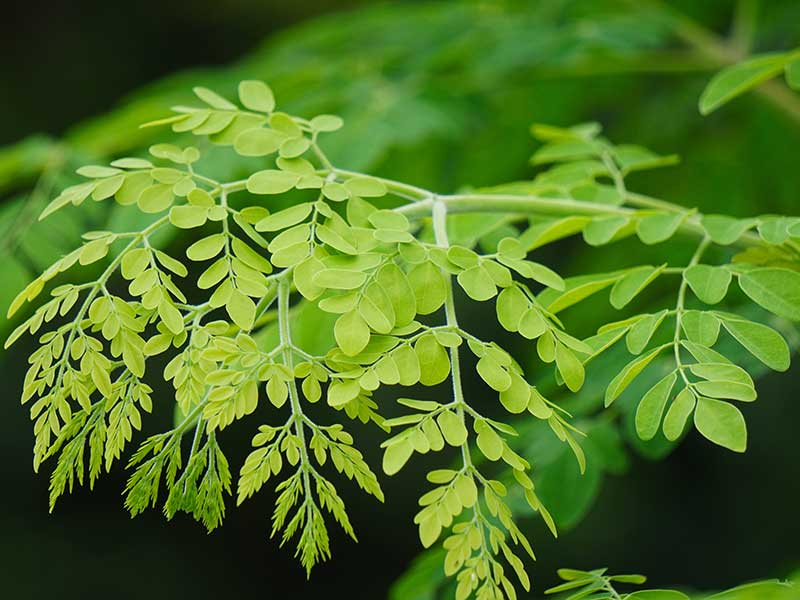
Moringa, commonly known as the Drumstick Tree, is a fast-growing, drought-tolerant tree valued for its attractive fern-like foliage and long, slender seed pods. Popular in warm-climate gardens throughout Australia, moringa is well suited to tropical and subtropical regions and can also be grown in pots in cooler areas. It makes an excellent feature tree, informal hedge, windbreak, or productive addition to edible landscapes and permaculture gardens.
- Fast-growing tropical tree with attractive fern-like foliage and ornamental appeal.
- Produces long, slender seed pods commonly known as “drumsticks”.
- Popular for warm-climate gardens, edible landscapes and permaculture systems.
- Excellent drought tolerance once established.
- Suitable as a feature tree, hedge, windbreak or regularly pruned garden specimen.
- Can reach 2–3 metres in its first year under ideal growing conditions.
- Regular pruning encourages bushier growth and easier harvesting and maintenance.
Plant Details
- Plant Type: Fast-growing perennial tree
- Mature Height: Approximately 4–10 metres
- Growth Habit: Upright, open and branching
- Foliage: Soft, finely divided, fern-like leaves
- Climate: Best suited to tropical, subtropical and warm temperate regions
How to Grow Moringa from Seed
- Germination: Usually 7–14 days in warm conditions
- Sowing Depth: Sow 1–2 cm deep
- Position: Full sun
- Sowing Method: Direct sow or raise seedlings in pots or seed trays for transplanting
- Soil: Well-drained sandy or loamy soil; avoid waterlogged conditions
- Spacing: Allow approximately 2–3 metres between trees
Growing Tips
- Plant in the warmest, sunniest position available.
- Protect young seedlings from strong winds and frost.
- Water regularly during establishment, then reduce watering once plants are established.
- Avoid heavy, poorly drained soils and prolonged waterlogging.
- Prune regularly to encourage a bushier habit and maintain a manageable height.
- In cooler climates, grow moringa in a large pot so it can be moved to a protected location during winter.
Harvest
Moringa is commonly grown for its attractive foliage, ornamental value and fast-growing habit. Regular pruning promotes dense growth and helps maintain an attractive, manageable tree shape. In suitable climates, plants produce abundant foliage and long, slender seed pods.
When to Plant Moringa Seeds in Your Climate
| Climate Zone | Best Planting Time | Growing Notes |
|---|---|---|
| Temperate | October–December | Plant once frost risk has passed and choose a warm, sheltered position. |
| Water deeply while plants establish. | ||
| Cool | November–January | Start indoors if needed and protect plants from frost and cold conditions. |
| Mulch to conserve soil moisture. |
Food Safety & Regulatory Notice: Seedmart supplies moringa seeds as seeds for planting and growing purposes. They are not sold as a ready-to-eat food, therapeutic product or sprouting seed for human consumption. Customers are responsible for determining the suitability of any harvested plant material for their intended use and for complying with applicable food safety and regulatory requirements in their jurisdiction.
Want to learn more about this remarkable tree? Read our
complete guide to Moringa,
including its characteristics, growing requirements, uses and care.
Reviews
There are no reviews yet.