
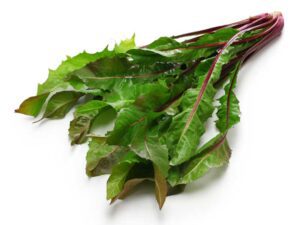
Leaf Chicory
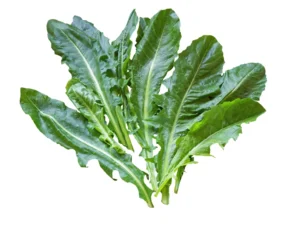
Grown for loose or upright leaves that may be eaten young, mature, fresh or cooked.


Chicory and endive seed buying guide
Chicory and endive are cool-season leafy vegetables belonging to the genus Cichorium. They are grown for their crisp leaves, distinctive texture and mild to pronounced bitterness, with different varieties suited to salads, cooking, baby leaf production and mature rosette harvesting.
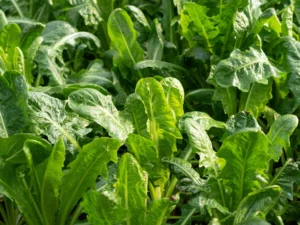
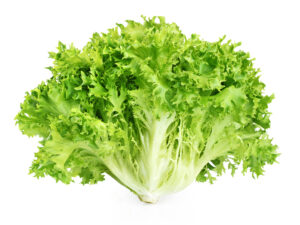
Seedmart supplies chicory and endive seeds for home gardeners, market gardeners and commercial leafy vegetable growers throughout Australia. Choose finely curled green endive for textured salad leaves or Italian chicory for upright green foliage with contrasting red stems.
The best variety will depend on the leaf shape, colour, flavour intensity, harvest stage and growing conditions you require.
Chicory and endive produce their best leaf quality during cool to mild growing conditions.
Choose finely curled, broad, upright or coloured-stemmed foliage for different salads and vegetable dishes.
Many plants can provide multiple leaf harvests when the growing point remains healthy.
Grow chicory and endive in pots, troughs and raised planters with adequate soil depth and drainage.
Use the leaves in salads, braised dishes, soups, sautés and mixed vegetable recipes.
Choose smaller packs for household gardens or larger quantities for repeated and commercial production.
Some varieties are selected for finely cut salad leaves, while others are grown for upright foliage, coloured stems, baby leaf production or repeated mature harvesting.
| Growing Goal | Recommended Type | Why Choose It? |
|---|---|---|
| Finely curled salad leaves | Green Curled Ruffec Endive | Produces deeply divided green leaves with a crisp texture and distinctive appearance. |
| Italian leafy chicory | Italiko Rosso Chicory | Develops upright green leaves with contrasting red stems for fresh or cooked use. |
| Baby leaf production | Chicory or endive | Young leaves can be harvested before plants reach full mature size. |
| Strong texture | Curled endive | Finely cut leaves add volume, texture and visual interest to mixed salads. |
| Colour contrast | Italiko Rosso | Red stems contrast with green leaves in fresh bunches and mixed-leaf products. |
| Repeated picking | Leaf chicory | Outer leaves may be harvested progressively while central growth remains intact. |
| Market garden production | Both types | Suitable for specialty salad mixes, fresh bunches and restaurant supply. |
| Container growing | Curled endive and leaf chicory | Both can be grown in adequately sized pots with reliable moisture and sunlight. |
Chicory is a group of leafy vegetables in the genus Cichorium. Depending on the variety, chicory may be grown for green leaves, red-stemmed foliage, dense coloured heads, edible roots or forced pale shoots.
Vegetable chicory generally develops a pleasantly bitter flavour that becomes stronger as the leaves mature or when plants experience heat and moisture stress.
The name chicory can refer to several distinct crops:
Grown for loose or upright leaves that may be eaten young, mature, fresh or cooked.
A heading or semi-heading chicory commonly producing red or burgundy leaves with contrasting pale ribs.
A specialised form of chicory grown through a two-stage forcing process to produce pale compact shoots.
Selected for enlarged roots that may be roasted and used in beverages or processed for other purposes.
Endive is a leafy vegetable generally classified as Cichorium endivia. It is cultivated for crisp green leaves with a fresh, mildly bitter flavour.
Two major endive forms are commonly recognised:
Curled endive develops finely divided leaves that form an open or semi-dense rosette.
Broadleaf forms, sometimes called escarole, produce wider and less divided leaves.
Chicory and endive are closely related but are not always the same crop. Both belong to the genus Cichorium, and common names are used inconsistently between countries, seed suppliers and culinary traditions.
| Chicory | Endive |
|---|---|
| Usually refers to plants within Cichorium intybus. | Usually refers to plants within Cichorium endivia. |
| Includes leaf chicory, radicchio, root chicory and Belgian endive types. | Includes curled endive and broadleaf escarole types. |
| Leaves may be upright, broad, red-stemmed or formed into coloured heads. | Leaves are commonly green and either finely curled or broad. |
| May be grown for leaves, heads, roots or forced shoots. | Primarily grown as a leafy salad and cooking vegetable. |
| Often has a firm texture and noticeable bitterness. | Usually crisp with mild to moderate bitterness. |
Radicchio is a type of cultivated chicory rather than an unrelated vegetable. It is generally grown for compact or semi-compact heads with red, burgundy or variegated leaves.
| Type | Typical Appearance | Common Use |
|---|---|---|
| Leaf chicory | Loose or upright green foliage, sometimes with red stems. | Salads, sautéing, soups and cooked greens. |
| Curled endive | Finely divided, frilled green leaves. | Salad mixes, garnishes and lightly cooked dishes. |
| Escarole | Broad green leaves forming a loose rosette. | Salads, soups, braising and sautéing. |
| Radicchio | Red or burgundy leaves, often with white ribs. | Salads, grilling, roasting and braising. |
| Belgian endive | Pale, tightly packed forced shoots. | Fresh appetisers, salads, baking and braising. |
Chicory has a fresh, earthy and characteristically bitter flavour. Young leaves are generally milder, while mature foliage may develop a stronger taste.
Flavour is influenced by:
Baby leaves are usually tender and mild, while mature leaves develop stronger texture and bitterness.
Cool weather generally supports milder leaf quality, while heat can intensify bitterness.
Consistent moisture promotes tender leaves, while drought stress can produce a stronger flavour.
Cooking can soften the leaves and moderate some of their bitterness.
Reducing light around the centre of some endive plants can produce paler, milder leaves.
Curled endive, leaf chicory and radicchio each provide a different balance of bitterness and texture.
Chicory and endive generally grow best through cool to mild conditions. They require fertile, free-draining soil, good sunlight and steady moisture for tender leaf production.
Plan sowing so the main leaf growth occurs before prolonged summer heat.
Incorporate suitable organic matter where required and remove competing weeds.
Consistent watering supports tender leaves and helps limit excessive bitterness.
Pick young leaves or allow plants to develop mature rosettes according to the intended use.
The best sowing period depends on the local climate. Chicory and endive are commonly planted from late summer through autumn, although cool-climate growers may have a broader window.
| Climate Zone | General Sowing Period | Growing Notes |
|---|---|---|
| Cool | August to March | Sow from late winter through summer, avoiding establishment during severe frost or extreme heat. |
| Temperate | February to October | Autumn and spring are generally reliable, with winter production possible in mild districts. |
| Subtropical | March to August | Grow through the cooler and less humid part of the year. |
| Tropical | April to July | Plant during the coolest dry-season conditions and provide reliable moisture. |
| Arid | March to May and August to October | Avoid extreme heat and maintain consistent irrigation. |
These planting periods are general guides. Local frost dates, elevation, rainfall, seasonal temperatures and extreme weather should also be considered.
Regional planting periods should be adjusted according to local heat, frost and rainfall patterns.
| Location | General Planting Guide | Key Considerations |
|---|---|---|
| Brisbane and South East Queensland | March to August | Grow through autumn and winter before hot, humid conditions return. |
| Sydney and coastal New South Wales | February to October | Autumn and spring are reliable, with winter sowing possible in mild coastal locations. |
| Inland New South Wales | March to May and August to October | Avoid severe frost during establishment and extreme summer heat. |
| Melbourne and Victoria | February to October | Cool-season planting supports tender growth and helps reduce excessive bitterness. |
| Adelaide and South Australia | March to September | Concentrate production through autumn, winter and early spring. |
| Perth and south-west Western Australia | March to September | Autumn through early spring generally provides favourable conditions. |
| Tasmania | August to March | Use the long cool growing season while accounting for severe frost and slower winter growth. |
| Darwin and tropical northern Australia | April to July | Grow only during the coolest part of the dry season. |
Chicory may be direct-sown into prepared soil or raised in seedling trays before transplanting. Direct sowing reduces root disturbance, while tray production provides greater control over early spacing and protection.
Endive can be direct-sown or raised in trays and transplanted while young. Curled varieties require sufficient space to form broad leafy rosettes.
Direct sow into shallow rows or sow individual seeds in cells. Keep the growing medium moist and provide bright light after emergence.
Thin or transplant the seedlings once they have several true leaves. Avoid allowing young plants to become severely root-bound, as interrupted growth may reduce final rosette size or encourage premature flowering.
Plant chicory and endive seeds approximately 5–10 mm deep. Cover the seed lightly with fine soil or seed-raising mix.
Use a clean, fine-textured seed-raising mix.
Sow into a prepared, weed-free bed.
Chicory and endive seeds commonly germinate within approximately 5–14 days under suitable conditions.
Cool to mild temperatures generally support reliable emergence and compact seedling growth.
Maintain even moisture without leaving the seedbed continually saturated.
Light covering protects the seed from drying while allowing easy emergence.
Provide strong light after germination to prevent weak, elongated seedlings.
Spacing depends on whether plants will be harvested as baby leaves or allowed to form mature rosettes.
| Harvest Type | Approximate Plant Spacing | General Result |
|---|---|---|
| Baby leaf | Closely sown | Dense planting for harvesting tender young leaves before mature rosettes form. |
| Small leaf plants | Approximately 15–20 cm | Produces compact plants for young whole-leaf harvesting. |
| Mature leaf chicory | Approximately 25–30 cm | Provides room for upright leaves and repeated outer-leaf picking. |
| Mature curled endive | Approximately 25–35 cm | Allows broad rosettes to develop without excessive crowding. |
| Row spacing | Approximately 30–45 cm | Provides access for weeding, watering and harvesting. |
Leaf chicory may be ready for young-leaf harvesting within approximately 30–45 days, while mature plants commonly require around 60–90 days.
| Harvest Stage | Typical Period | General Characteristics |
|---|---|---|
| Baby leaves | Approximately 25–40 days | Young, tender foliage with a generally milder flavour. |
| Young plants | Approximately 40–60 days | Useful leaf volume without full mature size. |
| Mature leaf chicory | Approximately 60–90 days | Larger leaves suited to repeated harvesting and cooking. |
| Root chicory | Usually longer | Requires a specific root variety and a production method different from ordinary leaf chicory. |
Endive can commonly be harvested as baby leaf within approximately 30–45 days. Mature curled rosettes generally require around 60–90 days, depending on variety and growing conditions.
Temperature, spacing, soil fertility, moisture and harvest size all influence maturity.
Chicory and endive can be grown successfully in pots, troughs and raised containers.
Choose a container that allows sufficient root depth and leaf spread.
Potted plants require regular moisture because containers dry more rapidly than garden soil.
Chicory performs best in full sun during cool weather but can tolerate light partial shade. Some afternoon protection may help maintain leaf quality as temperatures rise.
Deep shade may result in weak growth, reduced leaf production and loosely formed plants.
Leaf chicory may be harvested as individual outer leaves, young whole plants or a complete mature rosette.
Cut young leaves while they remain tender and mild.
Pick the largest outer leaves and leave the central growing point intact.
Cut mature rosettes near soil level when they reach the required size.
Healthy leaf chicory may produce additional growth after a moderate harvest.
Curled endive can be harvested by removing individual outer leaves or cutting the complete rosette.
Harvest during the cooler part of the day where possible. Leaves are generally most tender before the plant experiences prolonged heat or begins producing a flower stem.
Use clean equipment and cool the harvested leaves promptly to preserve crispness.
Yes. Many leaf chicory plants can provide repeated harvests when outer leaves are removed without damaging the central growing point.
Regrowth depends on:
Bitterness is a normal characteristic of chicory and endive, but growing and preparation methods influence its intensity.
Leaves grown during mild conditions are generally less harsh than those exposed to prolonged heat.
Avoid repeated drought stress, which can produce tougher and more bitter foliage.
Baby leaves are generally milder than mature leaves.
Some mature endive plants can be tied or covered briefly to produce paler inner leaves.
Sautéing, braising or blanching can soften mature leaves and moderate bitterness.
Pair bitter leaves with sweet, salty, creamy or acidic ingredients.
Chicory and endive can be used fresh or cooked, depending on leaf age and flavour intensity.
Combine young chicory or curled endive with milder lettuce, herbs and other salad greens.
Cook mature leaves briefly with olive oil, garlic or other vegetables.
Braising softens firm leaves and moderates their bitterness.
Add chopped chicory or endive to soups, broths and bean dishes.
Firm varieties can be grilled or roasted to develop a deeper flavour.
Use coloured stems and frilled leaves to add texture and visual contrast.
Heat, drought stress and over-mature leaves can intensify bitterness.
Temperature stress, plant maturity and seasonal change can cause plants to bolt.
Crowding, low fertility, insufficient light and root-bound seedlings can restrict growth.
Slugs, snails, caterpillars and leaf-chewing insects may damage young plants.
Poor airflow, overhead watering and prolonged wet conditions can damage dense foliage.
Insufficient light after germination can produce elongated, fragile growth.
Smaller seed quantities are suitable for household gardens, containers and growers trialling stronger-flavoured leafy vegetables.
Larger quantities can be more economical for growers producing baby leaf, specialty bunches and mature salad greens.
Commercial chicory and endive production requires varieties suited to the intended harvest stage, customer expectations and seasonal conditions.
Even emergence and consistent leaf shape improve the appearance of bunches and mixed-leaf products.
Select crops according to whether customers expect mild baby leaves or strongly flavoured mature foliage.
Baby leaf, outer-leaf picking and whole-rosette harvesting require different spacing and labour.
Plan crops so harvest occurs before heat causes coarse texture, excessive bitterness or bolting.
Cool harvested leaves promptly and protect them from moisture loss and physical damage.
Confirm demand for curled endive, Italian chicory, baby leaf and mature cooking greens before large sowings.
Chicory is a group of plants in the genus Cichorium. Vegetable types may be grown for loose leaves, coloured heads, edible roots or pale forced shoots.
The name chicory is commonly used in Australia, although individual types may also be sold as radicchio, Italian chicory, Belgian endive or leaf chicory.
Endive is a leafy vegetable generally belonging to Cichorium endivia. It includes finely curled types and broader-leaved forms commonly called escarole.
They are closely related but not always the same crop. Chicory usually refers to Cichorium intybus, while curled and broadleaf endive generally belong to Cichorium endivia.
Radicchio is a cultivated form of chicory, usually grown for red or burgundy leaves with contrasting pale ribs.
No. Belgian endive is a forced form of chicory produced from mature roots in darkness. Ordinary curled endive is grown directly as a leafy garden vegetable.
Chicory has a fresh, earthy and pleasantly bitter flavour. Young leaves are generally milder, while mature or heat-stressed foliage can taste stronger.
Sow chicory approximately 5–10 mm deep into prepared soil or seedling mix. Maintain even moisture, thin or transplant seedlings and grow them through cool to mild conditions.
Sow endive seed shallowly in trays or prepared soil. Keep the seedbed moist, provide strong light after emergence and space mature plants approximately 25–35 cm apart.
Chicory is generally planted from late summer through autumn in warm and temperate regions. Cool-climate growers can also sow through spring and suitable summer periods.
Plant chicory seeds approximately 5–10 mm deep and cover them lightly with fine soil.
Plant endive seeds approximately 5–10 mm deep. Avoid burying the fine seed deeply.
Chicory commonly germinates within approximately 5–14 days when moisture and temperature conditions are suitable.
Endive commonly germinates in approximately 5–14 days. Cold, dry or saturated growing media may delay emergence.
Baby leaves may be ready within approximately 25–40 days, while mature leaf chicory generally requires around 60–90 days.
Endive may be harvested young within approximately 30–45 days. Mature rosettes commonly require around 60–90 days.
Yes. Use a container with approximately 20–30 cm of soil depth, good drainage and sufficient room for the mature leaves.
Yes. Curled endive grows well in sufficiently large containers with fertile potting mix, full sun and consistent moisture.
Chicory tolerates light partial shade but generally produces the strongest growth in full sun during cool weather.
Harvest young leaves, pick mature outer foliage progressively or cut the complete rosette near soil level.
Remove individual outer leaves or cut the entire mature rosette near the base with clean equipment.
Yes. Leaf chicory can often regrow after moderate harvesting when the central crown and sufficient healthy foliage remain intact.
Bitterness increases with maturity, heat, drought stress and variety. Grow plants in cool conditions, water consistently and harvest leaves young for a milder flavour.
Yes. Young leaves may be used raw in salads and mixed greens. Stronger mature leaves are often cooked.
Yes. Curled endive is commonly used raw in salads, although mature leaves can also be cooked.
No. Leaf chicory is selected primarily for edible foliage, while root chicory varieties are grown for enlarged roots.
Coffee-style chicory is made from roasted roots of suitable root chicory varieties. Leaf chicory products are not necessarily selected for producing large processing roots.
Seed may be saved from suitable open-pollinated varieties. Plants must be allowed to flower and mature, and compatible varieties should be isolated to reduce unwanted cross-pollination.
Product specifications can vary between varieties and seed lots. Review the individual product page for information about seed treatment, variety type and germination before ordering.
Chicory and endive seeds for Australian growers
Seedmart supplies chicory and endive seed for household gardens, raised beds, containers, market gardens and commercial leafy vegetable production. Choose finely curled green endive or Italian leaf chicory for salads, cooking, baby leaf and specialty fresh-market use.
Review the individual product pages for available pack sizes, leaf characteristics, planting information and variety-specific growing guidance before ordering.