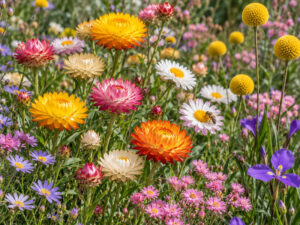
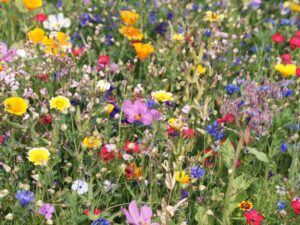
Seedmart supplies beneficial bee and insect pollinator seed mixes for home gardeners, market gardeners, landscapers and growers throughout Australia. Our range includes Winter and Summer Pollinator Green Manure Mixes, Native Australian Pollinator Mixes and a general-purpose Beneficial Insect and Bee Seed Mix. Pack sizes vary by blend, with options for garden beds, flowering borders and larger growing areas.
Pollinator seed mixes create flowering spaces that provide food for bees and other beneficial insects. Seasonal green manure blends combine flowering plants with useful soil cover and organic matter, while native mixes bring Australian wildflower colour to suitable gardens and landscapes. Whether you’re adding flowers beside vegetable beds, establishing a pollinator strip or growing a flowering cover crop between plantings, choose a mix suited to your climate, sowing season and growing goals.
$9.99–$79.99Price range: $9.99 through $79.99 AUD incl gstSelect options
This product has multiple variants. The options may be chosen on the product page
$9.99–$79.99Price range: $9.99 through $79.99 AUD incl gstSelect options
This product has multiple variants. The options may be chosen on the product page
$9.99–$74.99Price range: $9.99 through $74.99 AUD incl gstSelect options
This product has multiple variants. The options may be chosen on the product page
$9.99–$74.99Price range: $9.99 through $74.99 AUD incl gstSelect options
This product has multiple variants. The options may be chosen on the product page
Pollinator seed mix buying guide
Choose the Right Beneficial Bee & Insect Pollinator Seed Mix
A flowering planting can serve several purposes: seasonal colour, food for pollinators, habitat for beneficial insects and, with suitable green manure blends, soil cover between crops.
Seedmart’s range includes Winter and Summer Pollinator Green Manure Mixes, Native Australian Pollinator Mixes and a general-purpose Beneficial Insect and Bee Seed Mix.
Start with your planting goal, then consider your climate, available sunlight, soil moisture and the time you can leave the area growing. Check each product page for its ingredients, sowing instructions and coverage.
Why Grow a Pollinator Seed Mix?
✦
Flowers for Pollinators
Flowering plants provide pollen and nectar for visiting bees and other flower-feeding insects.
+
Beneficial Insect Habitat
Plant diversity and floral resources can support helpful insects as part of a broader garden or farm habitat.
↻
Useful Cover Between Crops
Seasonal green manure mixes occupy suitable fallow beds and produce plant material for soil management.
↓
Soil Cover and Organic Matter
Established green manure crops help cover exposed soil and provide biomass that can be managed as mulch or incorporated into the soil.
□
Seasonal Garden Colour
Flowering mixes add variety to borders, vegetable garden edges and dedicated pollinator beds.
✓
Options for Different Goals
Choose a seasonal cover crop, an Australian native flowering blend or a general bee and insect planting.
Pollinator Seed Mixes for Different Growing Goals
Growing Goal
Mix to Consider
What to Check
Cool-season flowering cover crop
Winter Pollinator Green Manure Mix
Local sowing conditions, frost suitability and the time available before your next crop.
Warm-season flowering cover crop
Summer Pollinator Green Manure Mix
Suitable soil warmth, establishment moisture and space for mature growth.
Australian native wildflower display
Native Australian Pollinator Mix
Included species, local climate suitability and any seed-treatment requirements.
Flowers beside vegetable beds
Beneficial Insect and Bee Seed Mix
Available sunlight, mature plant height and room to keep crop access clear.
Flowering strips in a market garden
Seasonal Pollinator Green Manure Mix or Beneficial Insect and Bee Seed Mix
Crop rotation, flowering time, maintenance access and management before seed set.
Seasonal colour in a native garden
Native Australian Pollinator Mix
Whether the blend complements your existing planting and suits the site’s soil and moisture.
Explore the Pollinator Seed Mix Range
Cool-season Green Manure
Winter Pollinator Mixes
Winter Pollinator Green Manure Mixes combine cool-season growing goals with flowering resources for insects. They suit planting windows where the included species can establish, grow and reach flowering.
Best for: Suitable cool-season fallow beds, vegetable rotations and flowering cover-crop strips.
Growing notes: Match sowing to your local climate. Allow enough growing time for flowering if pollinator support is a priority, and plan how the crop will be managed before the next planting.
Warm-season Green Manure
Summer Pollinator Mixes
Summer Pollinator Green Manure Mixes provide a warm-season option for growing cover, biomass and flowers in suitable conditions.
Best for: Warm-season gaps between crops, sunny growing areas and seasonal flowering strips.
Growing notes: Sow when conditions suit the included species and moisture is available. Check mature heights and growth habits before planting beside smaller vegetable crops.
Australian Native Flowers
Native Australian Pollinator Mixes
Native Australian Pollinator Mixes bring together Australian flowering species for suitable garden and landscape displays. Their appearance, flowering season and lifespan depend on the blend.
Best for: Native gardens, dedicated wildflower beds and suitable flowering landscape borders.
Growing notes: Follow the blend’s instructions rather than assuming all native seeds need the same treatment. Australian native species vary in their climate, soil and germination requirements.
General Bee & Insect Planting
Beneficial Insect and Bee Seed Mix
Our Beneficial Insect and Bee Seed Mix combines flowering herbs, flowers and green manure species for a varied planting beside productive gardens or in dedicated beds.
Best for: Vegetable garden borders, community gardens and general-purpose bee and beneficial insect plantings.
Growing notes: Choose a sunny, well-drained position and maintain moisture during establishment. Refer to the current product description for ingredients, sowing season and coverage.
Flowering Habitat or Green Manure?
Your main goal affects how you manage the planting. A green manure crop may be cut before flowering to fit a crop rotation, while a pollinator planting needs flowers to provide pollen and nectar.
Dedicated Pollinator Planting
Pollinator Green Manure Crop
Managed primarily for flowers and insect resources.
Managed for soil cover and biomass, with flowering as an additional benefit.
Often placed in borders, strips or separate garden beds.
Often grown in fallow beds or between productive crops.
Can remain flowering while adjacent crops are harvested.
Usually needs to be cut or incorporated before the next crop.
Maintenance depends on the blend’s annual and perennial species.
Management depends on the rotation, growth stage and risk of unwanted seed set.
Allow flowers to develop for pollinator benefits. If your next crop requires early removal of a green manure planting, consider a separate flowering border or leaving a manageable strip standing. Monitor seed development to limit unwanted self-sowing.
How to Establish a Pollinator Seed Mix
Choose the blend for your site.
Consider season, climate, sunlight, drainage and the purpose of the planting.
Prepare a clean seedbed.
Remove competing weeds and create suitable soil conditions before sowing.
Check the sowing instructions.
Seed size, sowing depth, rate and treatment requirements differ between blends.
Distribute seed evenly.
Gently remix the seed before sowing, as different seed sizes can separate during handling. Use the recommended rate for your area.
Maintain establishment moisture.
Water gently and keep the seed zone suitably moist without prolonged waterlogging.
Monitor developing plants.
Remove competing weeds and allow for uneven emergence and different growth rates within the mix.
Manage for your growing goal.
Allow suitable plants to flower, then manage cutting, seed set and any following crop according to the blend.
Pollinator Plantings for Market Gardens and Larger Areas
Plan the Planting Window
Leave enough time for establishment and flowering. A short gap between crops may provide cover without producing many flowers.
Keep Access Clear
Position flowering strips so mature plants do not obstruct paths, irrigation, harvesting or machinery.
Consider Crop Rotation
Check the plant families in a green manure mix against your vegetable rotation and existing pest or disease concerns.
Plan Follow-up Management
Decide how the planting will be watered, weeded and cut, and whether some self-seeding is acceptable.
Frequently Asked Questions
Which pollinator seed mix should I choose?
Choose a Winter or Summer Pollinator Green Manure Mix for a suitable seasonal cover crop. Choose a Native Australian Pollinator Mix for Australian wildflower colour, or the Beneficial Insect and Bee Seed Mix for a general flowering planting beside gardens and vegetable beds.
Are all pollinator mixes Australian native?
No. This category includes native Australian blends and other flowering mixes. Check the ingredients on the individual product page if you want an exclusively Australian native planting.
When should I sow pollinator seeds?
Sowing time depends on the blend and your local climate. Winter and summer mixes have different growing requirements, while native blends need timing suited to their included species. Follow the individual product instructions.
How much seed do I need?
Measure the planting area and use the coverage or sowing rate specified for your chosen mix. Rates differ between flowering blends and green manure crops, so one rate should not be applied across the category.
Will all plants germinate and flower together?
Not necessarily. Mixed species can emerge, grow and flower at different times. Weather, moisture and sowing conditions also affect the final display.
Can I scatter the seed over grass or thick mulch?
For more reliable establishment, prepare the soil first. Existing grass competes with seedlings, while thick mulch can prevent seeds from reaching the soil or emerging successfully.
Will a pollinator mix control garden pests?
Flowering habitat can support beneficial insects, including some that prey on garden pests. It does not guarantee pest control. Continue monitoring crops and use the planting as part of your wider garden management.
Do I need to let a green manure mix flower?
Flowering is needed to provide pollen and nectar. If the crop must be removed earlier for your rotation, a separate flowering strip can help provide insect resources without delaying the next crop.
Will the mix grow back each year?
That depends on the ingredients and conditions. Annual plants complete their life cycle in one season; some may self-seed. Perennial species may persist where conditions suit them. Check the blend rather than assuming permanent coverage.
Explore Our Beneficial Insect and Bee Seed Mix
Beneficial Insect and Bee Seed Mix A varied flowering blend for vegetable garden borders, dedicated pollinator beds and community gardens.
Flowering seed mixes for gardens and productive growing spaces
Grow Flowers with a Practical Purpose
Explore Seedmart’s beneficial bee and insect pollinator seed mixes for seasonal flowering, native wildflower displays and useful green manure cover crops.
Choose a blend suited to your planting season and site, then review the product page for ingredients, pack sizes, coverage and growing instructions.