


Broccoli, Kale and Cabbage
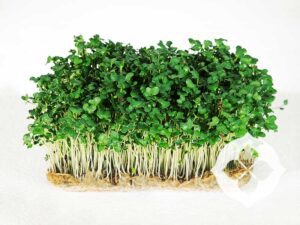
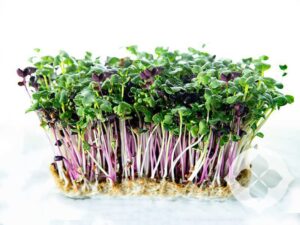
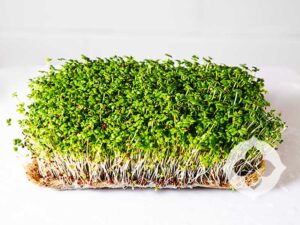
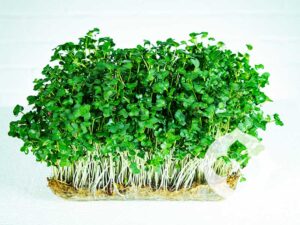
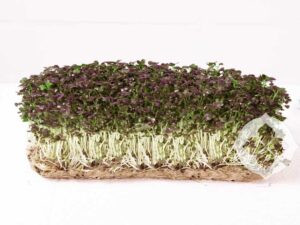
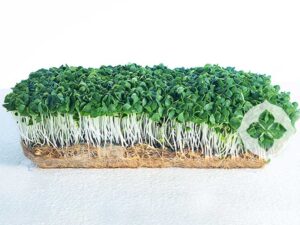
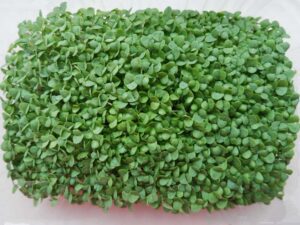
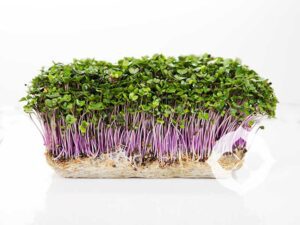
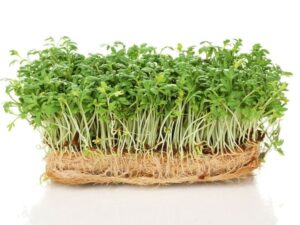
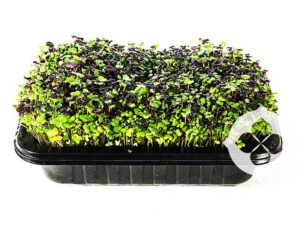
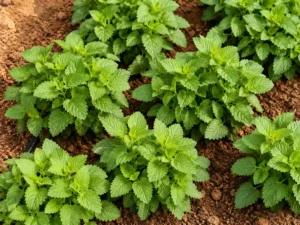
Mild brassica microgreens are versatile and easy to combine with other crops. They suit customers who prefer a fresh flavour without strong heat.















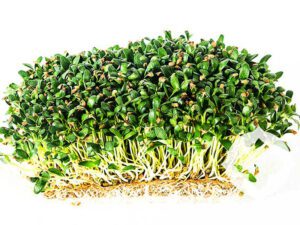

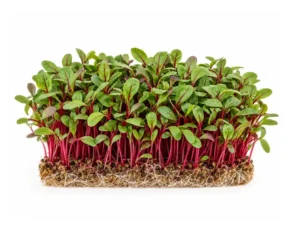

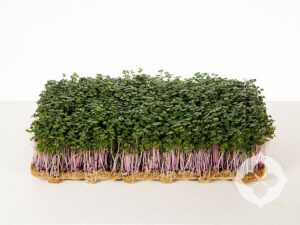


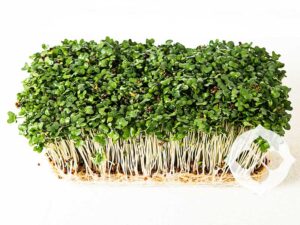

Microgreen seed buying guide
Microgreens are young edible plants grown in trays and harvested shortly after germination. They are valued for their fresh flavour, vibrant colour and fast growing time, with many varieties ready to harvest within 7 to 21 days.
Seedmart supplies microgreen seeds for home growers, chefs, cafés, restaurants, market gardeners and commercial producers throughout Australia. The range includes reliable varieties for everyday production as well as colourful and aromatic crops suited to premium microgreen mixes.
The best microgreen seed will depend on the flavour, colour, growing time, yield and level of difficulty you require.
Many varieties are ready to cut within one to three weeks of sowing.
Grow fresh greens in compact trays indoors, outdoors or under protected conditions.
Choose from mild, sweet, nutty, peppery, spicy, earthy and aromatic varieties.
Short crop cycles make microgreens suitable for regular home or commercial sowing.
Use freshly harvested microgreens in salads, wraps, sandwiches, garnishes and cooked dishes.
Choose smaller packs for home growing or larger quantities for frequent and commercial production.
Some microgreens are selected for speed and reliability, while others are grown for colour, texture, flavour or use in premium mixes.
| Growing Goal | Recommended Varieties | Why Choose Them? |
|---|---|---|
| Easy for beginners | Radish, broccoli, pea and sunflower | Reliable germination, vigorous early growth and straightforward harvesting. |
| Fast-growing crops | Radish, mustard, broccoli and kale | Useful when rapid crop turnover is a priority. |
| Mild flavour | Broccoli, kale, cabbage and kohlrabi | Gentle flavour suited to salads, sandwiches and mixed trays. |
| Sweet or nutty flavour | Pea shoots and sunflower | Larger shoots with substantial texture and broad customer appeal. |
| Peppery or spicy flavour | Radish, mustard and rocket | Add noticeable heat and flavour to salads and garnishes. |
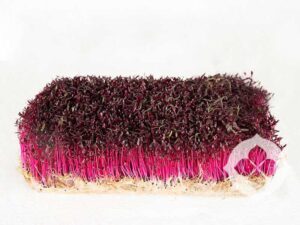
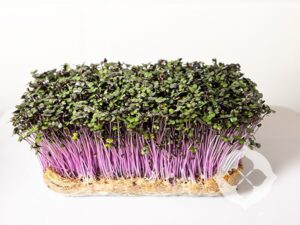
| Strong colour contrast | Beetroot, amaranth, red cabbage and purple kohlrabi | Useful for adding red, pink and purple tones to mixed trays and plated dishes. |
| Aromatic or premium varieties | Basil, coriander, dill and shiso | Distinctive flavour and appearance for chefs and specialist growers. |
| High-volume production | Pea, sunflower, radish and broccoli | Popular crops that can suit repeated tray production and larger seed quantities. |
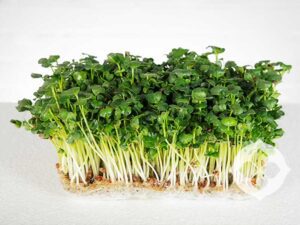
Mild brassica microgreens are versatile and easy to combine with other crops. They suit customers who prefer a fresh flavour without strong heat.
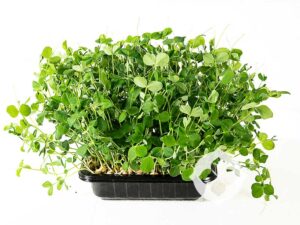
These larger microgreens provide substantial texture and a naturally sweet or nutty flavour.
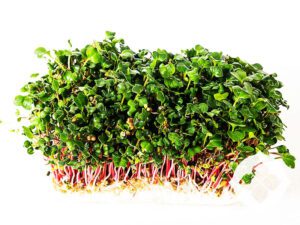
Peppery microgreens bring fresh heat and are popular in salads, sandwiches and restaurant garnishes.
Mustard microgreens develop a stronger flavour and are best used where a noticeable spicy character is wanted.
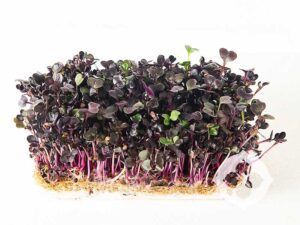
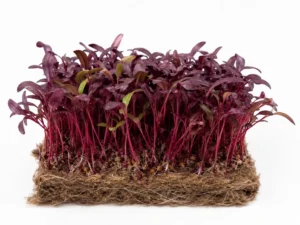
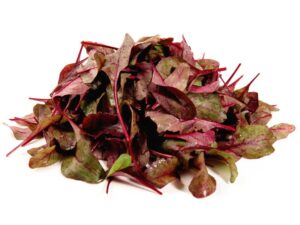
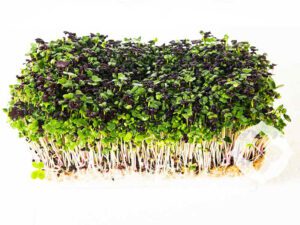
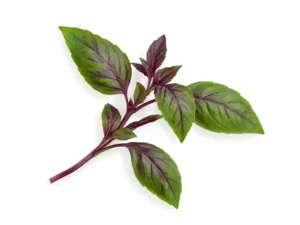
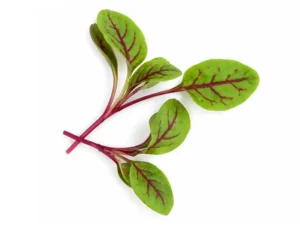
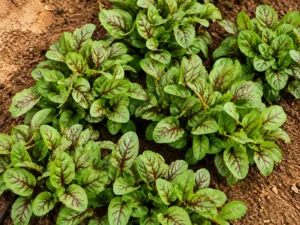
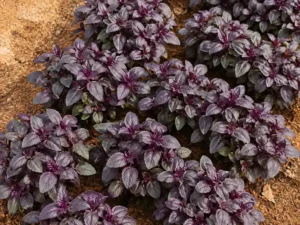
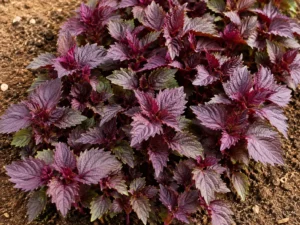
These varieties combine earthy flavour with attractive coloured stems and leaves.
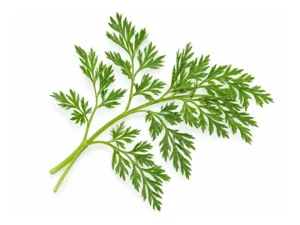
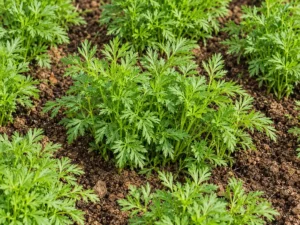
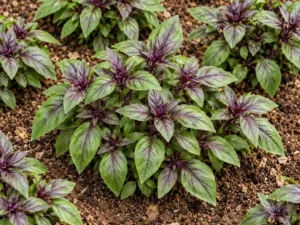
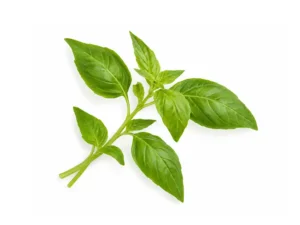
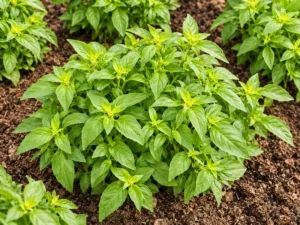
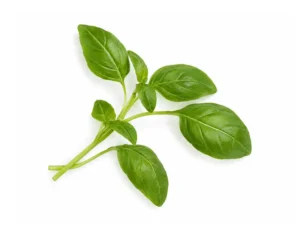
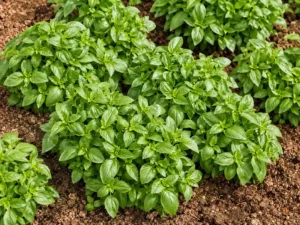
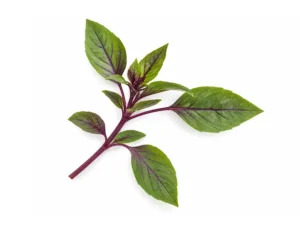
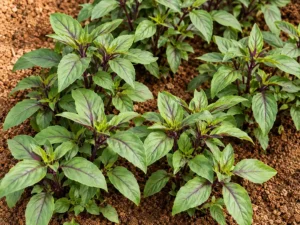
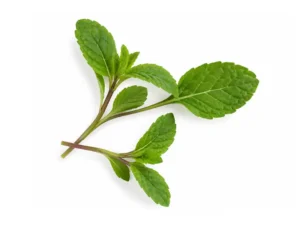
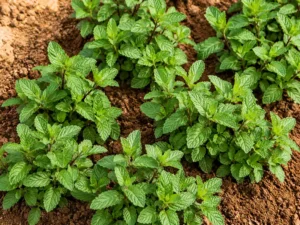
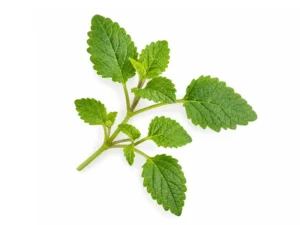
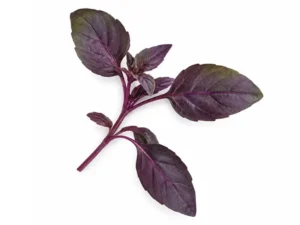
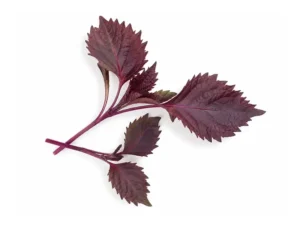
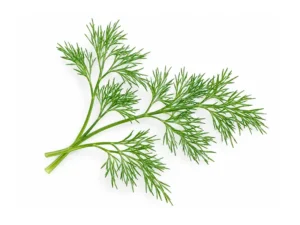
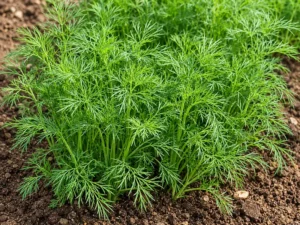
Aromatic herbs take longer to grow but provide distinctive flavour for premium mixes and plated dishes.
Harvest time varies with variety, temperature, light, growing medium and the stage at which the crop is cut. The following times are general guides only.
| Typical Harvest Period | Examples | General Characteristics |
|---|---|---|
| 5–8 days | Radish and some mustards | Fast establishment and rapid crop turnover under suitable conditions. |
| 7–12 days | Broccoli, kale, cabbage and kohlrabi | Reliable brassica crops suited to beginners and regular production. |
| 8–14 days | Sunflower | Substantial shoots with a nutty flavour and firm texture. |
| 10–18 days | Pea shoots, beetroot and chard | Larger crops or varieties that require more time to develop useful height and colour. |
| 14–28 days | Basil, coriander, dill and shiso | Slower-growing aromatic crops that often require more careful management. |
Growing time is influenced by local conditions and growing methods. Check individual product descriptions for more specific sowing and harvest information.
Microgreens and sprouts may be grown from some of the same seed varieties, but they are produced and harvested differently.
| Microgreens | Sprouts |
|---|---|
| Usually grown in trays using soil, coco coir, mats or another growing medium. | Usually grown without soil in jars, sprouters, bags or specialised equipment. |
| Harvested above the growing medium with the roots left behind. | The shoot, seed and root are generally consumed together. |
| Commonly harvested after the seed leaves have opened and the crop has developed colour. | Harvested shortly after germination while the shoot is still very young. |
| Usually grown for approximately 7 to 21 days, depending on the variety. | Usually grown for approximately 3 to 7 days, depending on the variety. |
| Require light during the later stages of growth. | Often grown largely without light until the final stage. |
Looking for seeds to grow in jars or sprouters? Browse our sprouting seeds range for varieties intended for edible sprout production.
Smaller quantities are suitable for customers trialling new varieties, growing occasional trays or producing microgreens for household use.
Bulk seed is generally more economical for growers producing trays regularly or supplying cafés, restaurants, retailers and farmers markets.
Compare value by the cost per kilogram, not only the pack price. Pack sizes, seed size and sowing rates vary significantly between crops. Large-seeded peas and sunflower require more seed per tray than fine-seeded brassicas.
Commercial microgreen production requires more than selecting the lowest-cost seed. Germination, seed size, tray density, crop uniformity, labour, growing time and usable harvested yield all affect the actual cost of production.
Even emergence makes trays easier to manage and helps produce a consistent crop at harvest.
A cheaper kilogram price does not always result in a cheaper tray if the crop requires a high sowing rate or produces inconsistent growth.
Fast crops can improve tray turnover, while slower premium crops may command higher prices but occupy growing space for longer.
Select crops based on what customers will purchase consistently rather than relying only on appearance or novelty.
Australian seed availability can vary. Some microgreen varieties are seasonal, imported in limited quantities or unavailable for extended periods. Commercial growers should consider reliable substitutes and avoid depending entirely on a single speciality crop.
Sowing rates vary substantially by variety. Follow the information supplied on the individual product page or conduct small production trials before committing to large commercial sowings.
Radish, broccoli, kale, peas and sunflower are popular starting points. Radish and brassicas generally establish quickly, while peas and sunflower produce larger shoots but require heavier sowing rates and additional preparation.
Radish and some mustard varieties are among the fastest-growing microgreens. Broccoli, kale, cabbage and kohlrabi also produce relatively quick and reliable crops under suitable conditions.
Many varieties are ready within 7 to 21 days. Fast brassicas and radishes may be harvested earlier, while crops such as basil, coriander and shiso generally require more time.
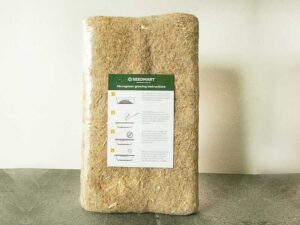
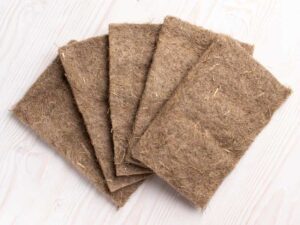
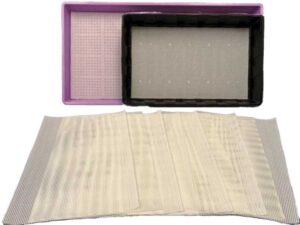
No. Microgreens may be grown in soil, coco coir, hemp mats and other suitable media. The best option depends on the crop, irrigation method, scale of production and preferred harvesting system.
Yes. Indoor production can provide greater control over light, temperature and watering. Good airflow, clean equipment and appropriate crop spacing remain important.
The quantity varies considerably by seed size and tray dimensions. Fine brassica seed requires far less weight per tray than peas or sunflower. Check each product page and test sowing rates under your own conditions.
Large seeds such as peas and sunflower are commonly soaked before sowing. Most small seeds, including broccoli, radish and mustard, are generally sown without soaking.
No. Microgreens are harvested at a very young stage, usually after the cotyledons open and around the development of the first true leaves. Baby leaf crops are grown longer and harvested after producing several developed leaves.
Microgreen seed for Australian growers
Seedmart supplies microgreen seed for household trays, restaurants, market gardeners and commercial production. Pack sizes vary by variety, with larger quantities available across many of the most widely grown crops.
Review the individual product pages for pack options, sowing guidance and variety-specific information before ordering.