
Greenfeast
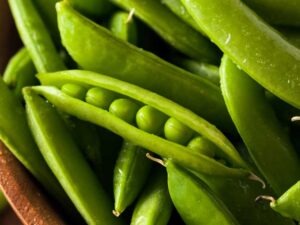
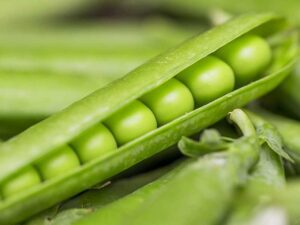
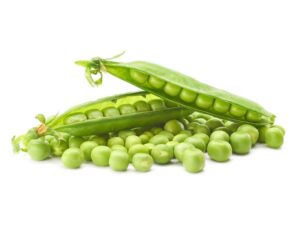
Greenfeast is a traditional shelling pea producing well-filled pods and sweet green peas for fresh use, cooking and freezing.





Pea seed buying and growing guide
Peas are fast-growing cool-season legumes cultivated for sweet shelled peas, crisp edible pods and tender young shoots. Varieties differ in pod type, plant height, maturity, sweetness, disease performance and suitability for fresh eating, cooking, freezing, containers or commercial production.
Seedmart supplies pea seeds for home gardeners, market gardeners and commercial vegetable growers throughout Australia. Choose shelling peas for tender peas removed from the pod, sugar snap peas for thick crunchy edible pods or snow peas for flat pods harvested before the seeds enlarge.
The best pea seed will depend on your climate, available growing space, preferred pod type, trellis height, harvest period and intended culinary or commercial use.
Many pea varieties establish rapidly and begin producing within approximately two to three months.
Climbing varieties use trellises, fences and netting to produce substantial crops in limited ground space.
Grow shelling peas, crunchy sugar snaps, flat snow peas or tender pea shoots.
Compact peas can grow successfully in containers, raised beds and smaller gardens.
Regular harvesting encourages plants to continue flowering and producing pods.
Choose smaller packs for household gardens or larger quantities for repeated and commercial sowing.
Some peas are grown for sweet shelled seeds, while others are selected for edible pods, compact growth, tall vines or extended harvests.
| Growing Goal | Recommended Varieties | Why Choose Them? |
|---|---|---|
| Traditional shelling peas | Greenfeast, Telephone and Massey Gem | Produce sweet peas that are removed from the mature green pods before cooking or freezing. |
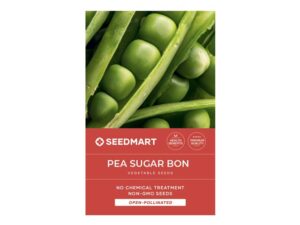
| Sugar snap peas | Cascadia and Sugar Bon | Develop thick, crisp edible pods with sweet peas forming inside. |
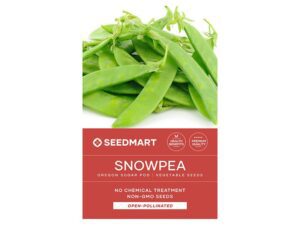
| Flat snow peas | Oregon Giant, Oregon Sugar Pod II, Mammoth Melting and Yakumo | Produce tender flat pods harvested before the internal peas enlarge substantially. |
| Dwarf garden plants | Massey Gem and Sugar Bon | Compact growth is easier to manage in raised beds, pots and small gardens. |
| Tall climbing peas | Telephone, Mammoth Melting and Yakumo | Use vertical space and can provide an extended picking period with adequate support. |
| Fresh salads and snacks | Cascadia, Sugar Bon and young snow peas | Edible pods can be harvested crisp and tender for fresh use. |
| Freezing | Greenfeast, Telephone and Massey Gem | Shelling peas are suitable for blanching and freezing using an appropriate method. |
| Market garden production | Variety selected for pod type and customer demand | Shelling, snap and snow peas serve distinct retail, restaurant and wholesale markets. |
The three main vegetable pea types are harvested and eaten differently.
| Pea Type | General Characteristics | How It Is Eaten |
|---|---|---|
| Shelling peas | Rounded pods containing sweet developed peas; pods are usually fibrous. | Open the pods and remove the peas for fresh eating, cooking or freezing. |
| Sugar snap peas | Thick, rounded edible pods with sweet peas developing inside. | Eat the complete pod raw or cooked while it remains crisp and tender. |
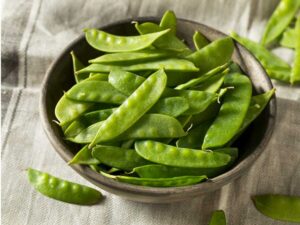
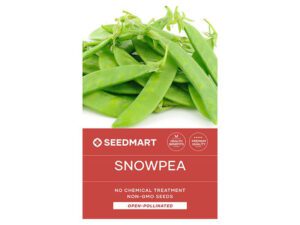
| Snow peas | Flat edible pods harvested before the internal peas become large. | Eat whole in salads, stir-fries, steaming and other quick-cooked dishes. |
| Pea shoots | Tender young stems, leaves and tendrils harvested before pod production. | Use fresh in salads and garnishes or cook briefly. |
Greenfeast is a traditional shelling pea producing well-filled pods and sweet green peas for fresh use, cooking and freezing.
Telephone develops tall climbing vines and substantial pods. It requires a strong trellis and sufficient vertical space.
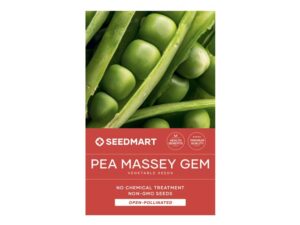
Massey Gem is a comparatively dwarf shelling pea suitable for smaller beds, containers and low supports.
Sugar snap varieties develop crisp, fleshy edible pods that are harvested as the peas begin filling.
These varieties produce broad flat pods suited to stir-fries, salads and repeated fresh harvesting.
Vigorous climbing snow peas produce tender pods on tall vines requiring substantial support.
Snow peas and sugar snap peas both have edible pods, but they differ in pod shape, texture and harvest stage.
| Snow Peas | Sugar Snap Peas |
|---|---|
| Pods remain broad and relatively flat. | Pods become rounded and plump as the peas enlarge. |
| Harvested before the internal seeds develop substantially. | Harvested after the peas begin filling the pod. |
| Thin, tender pod walls suited to quick cooking. | Thicker, crunchy and juicy pod walls. |
| Commonly used in stir-fries, salads and steaming. | Commonly eaten raw, sautéed, steamed or stir-fried. |
| May be called mangetout in some markets. | May be sold as snap peas or sugar snaps. |
Mangetout is a French term meaning “eat all” and is commonly used for peas with edible pods.
In Australia and other English-speaking markets, mangetout often refers specifically to flat snow peas. However, the term may also be applied more broadly to edible-podded peas, including some sugar snap varieties.
Check the product description rather than relying on the name alone. Flat pods indicate a snow-pea type, while thick rounded pods indicate a sugar snap.
Peas are cool-season legumes that perform best in full sun, free-draining soil and mild temperatures. They generally struggle during prolonged hot weather.
Plan sowings so flowering and pod development occur before sustained heat arrives.
Install netting, stakes or trellis before young tendrils begin searching for support.
Reliable water is particularly important during flowering and pod filling.
Regular picking maintains pod quality and encourages continued flowering.
The best planting time depends on local climate. Warm and subtropical regions generally grow peas through autumn and winter, while cool districts can also plant through spring.
| Climate Zone | General Sowing Period | Growing Notes |
|---|---|---|
| Cool | February to October | Sow from late summer through spring, avoiding waterlogged winter soil and severe flowering frost where possible. |
| Temperate | February to August | Autumn and winter are generally reliable, with early spring crops possible before heat arrives. |
| Subtropical | March to July | Plant through autumn and winter so pods develop during the coolest conditions. |
| Tropical | May to July | Grow during the coolest part of the dry season and select locally suitable varieties. |
| Arid | March to July | Maintain reliable irrigation and avoid hot, drying conditions during flowering. |
These sowing periods are general guides. Local frost, elevation, rainfall, soil temperature and the expected arrival of warm weather should also be considered.
Regional planting periods should be adjusted according to local winter temperatures, frost and spring heat.
| Location | General Planting Guide | Key Considerations |
|---|---|---|
| Brisbane and South East Queensland | March to July | Autumn and winter planting allows flowering and pod development before hot spring conditions. |
| Sydney and coastal New South Wales | February to August | Plant through autumn and winter, with early spring sowing possible in cooler coastal districts. |
| Inland New South Wales | February to August | Allow for frost during flowering and avoid crops maturing in late spring heat. |
| Melbourne and Victoria | February to September | Autumn, winter and early spring sowings are possible where drainage is adequate. |
| Canberra and cool inland districts | February to April and August to October | Avoid severe flowering frost while using the extended cool-season conditions. |
| Adelaide and South Australia | March to August | Plant through autumn and winter and maintain moisture during dry spring weather. |
| Perth and south-west Western Australia | March to August | Autumn and winter generally provide the most suitable temperatures and rainfall. |
| Tasmania | February to October | Peas can be planted across a broad cool-season window where soil drainage is suitable. |
| Darwin and tropical northern Australia | May to July | Use the coolest dry-season period and expect a shorter production window. |
Peas are generally direct-sown into the garden bed or container where they will mature. Their roots are relatively sensitive to unnecessary disturbance.
Plant pea seeds approximately 2–4 cm deep. Adjust the depth according to soil texture and surface moisture.
Use the shallower end of the range where the soil remains moist.
Slightly deeper planting can help maintain moisture.
Pea seeds commonly germinate within approximately 7–14 days. Emergence may be slower in cold soil or reduced where conditions are waterlogged.
Cool to mild soil supports germination, although very cold conditions slow emergence.
Continually saturated soil can cause swollen seed to rot before germination.
Keep the seedbed evenly moist without repeated heavy watering.
Birds, mice and other animals may remove seed before seedlings emerge.
Soaking pea seed is optional. Dry seed can be planted directly into moist, prepared soil.
A short soak may accelerate water uptake, but prolonged soaking can deprive the seed of oxygen or cause damage.
Where soaking is used:
Peas can form a beneficial relationship with compatible Rhizobium bacteria that produce nodules on the roots and fix atmospheric nitrogen.
An appropriate pea and vetch inoculant can be useful where:
Inoculant is not fertiliser and does not replace balanced soil management. Use a product specifically labelled for peas and follow its storage and application directions.
Spacing depends on plant height, branching habit, trellis type and whether the crop is grown in single or double rows.
| Pea Type | Approximate Plant Spacing | Approximate Row Spacing |
|---|---|---|
| Dwarf shelling peas | Approximately 5–8 cm | Approximately 40–60 cm |
| Climbing shelling peas | Approximately 5–10 cm | Approximately 60–90 cm |
| Snow peas | Approximately 5–10 cm | Approximately 60–90 cm |
| Sugar snap peas | Approximately 5–10 cm | Approximately 60–90 cm |
| Double rows beside a trellis | Approximately 5–8 cm within each row | Place one row on each side of the support |
Most snow peas produce climbing tendrils and perform best with a trellis, wire mesh, netting or another narrow support they can grip.
Suitable supports include:
Lightweight netting provides many small openings for tendrils to attach.
Rigid mesh supports vigorous vines and remains stable during repeated harvesting.
Vertical and horizontal strings can form an inexpensive seasonal support.
Fine twiggy branches provide natural attachment points for dwarf and medium peas.
Open fences can support peas where the gaps are narrow enough for tendrils.
A-frame or rectangular supports allow picking from both sides.
Install the support before or immediately after sowing. Mature vines become difficult to untangle and lift without damage.
Match the trellis height to the expected mature vine length.
| Pea Habit | Suggested Support Height | Suitable Examples |
|---|---|---|
| Dwarf peas | Approximately 40–80 cm | Massey Gem and compact sugar snaps |
| Medium peas | Approximately 100–150 cm | Many snow and sugar snap varieties |
| Tall climbing peas | Approximately 180–220 cm | Telephone, Mammoth Melting and vigorous Yakumo types |
Vines that exceed the trellis height can be directed sideways along the top support.
Pea height varies substantially by variety.
Dwarf peas may remain below approximately 60–90 cm. Medium varieties commonly reach around 100–150 cm, while vigorous climbing peas can grow approximately 180–250 cm or more under favourable conditions.
Check the expected habit before selecting a variety. A low support suitable for Massey Gem will not adequately hold Telephone or Mammoth Melting.
Yes. Dwarf and medium peas can grow successfully in pots, troughs and raised containers.
Choose a container with enough width for several plants and sufficient soil depth.
Potted peas require closer moisture management than garden-grown plants.
Peas perform best with full sun during cool weather. They can tolerate light partial shade, particularly in warmer districts.
Insufficient light can produce weak vines, reduced flowering and fewer pods. Heavy afternoon shade may also slow drying after rain and increase humidity around the foliage.
In warm climates, light afternoon protection can extend the harvest slightly as seasonal temperatures rise.
Peas require consistent moisture during establishment, flowering and pod filling.
Water deeply enough to moisten the root zone, but avoid keeping the soil saturated. Moisture stress during flowering can cause flowers and young pods to drop.
Peas generally benefit from:
Most vegetable peas begin producing harvestable pods within approximately 55–90 days from sowing.
| Pea Group | Typical Period | General Characteristics |
|---|---|---|
| Dwarf shelling peas | Approximately 55–70 days | Compact plants commonly selected for earlier concentrated harvests. |
| Climbing shelling peas | Approximately 70–90 days | Taller vines with a potentially longer flowering and harvest period. |
| Snow peas | Approximately 60–80 days | Pods are harvested flat before the internal peas develop fully. |
| Sugar snap peas | Approximately 60–80 days | Pods are harvested after they become crisp and rounded. |
| Pea shoots | Approximately 10–21 days | Young foliage harvested before plants begin pod production. |
Growing time varies with variety, soil temperature, sunlight, plant health, water and the stage at which pods are harvested.
Most garden peas are self-pollinating. Individual flowers generally fertilise themselves before or as they open.
Bees and other insects may visit the flowers, but a large pollinator population is not usually required for basic pod set.
Poor flowering or pod development can result from:
Harvest shelling peas once the pods are plump and well filled but remain fresh green and tender.
The peas inside should be full-sized and sweet. Pods left too long become pale, tough or wrinkled, and the peas become starchy.
Signs of readiness include:
Snow peas should be picked while the pods are broad, flat and tender.
Harvest before the internal peas enlarge substantially and cause the pod to become rounded. Over-mature snow peas develop tougher walls and stronger strings.
Check the plants every one to three days during peak production because pods can mature quickly.
Sugar snap peas are ready when the edible pods become rounded, crisp and well filled but remain tender.
The peas should be visible inside without the pod becoming tough, pale or fibrous.
Harvest slightly earlier for very tender pods or allow a little more filling for increased sweetness and crunch.
Hold the vine with one hand and remove the pod with the other. Do not pull sharply because pea stems are brittle and can break or detach from the trellis.
Use two hands or clean scissors where pod stems resist removal.
During peak harvest:
Yes. Tender pea shoots include the young stems, leaves and tendrils of edible pea varieties.
They may be used in:
Use seed intended for edible crop production. Chemically treated seed must not be used for pea shoots, sprouts or microgreens.
Heavy shoot harvesting will reduce or prevent later pod production because it removes the plant’s active growing points.
Yes. Young, clean snow peas and sugar snap peas can be eaten raw.
Remove the stem end and any noticeable string where required. Wash the pods thoroughly before serving.
Raw snow peas have a light crisp texture, while sugar snaps are thicker, juicier and generally sweeter.
Snow peas require minimal preparation.
Snow peas cook quickly and should generally remain bright and slightly crisp.
Cook whole or sliced pods briefly with vegetables, meat, tofu, garlic or ginger.
Steam lightly until the colour brightens and the pods soften slightly.
Cook briefly in boiling water, then cool rapidly to retain colour and texture.
Use young pods whole or cut into thin diagonal strips.
Sugar snap peas may be eaten raw or cooked briefly.
Suitable methods include:
Cook briefly over medium-high heat until bright and tender-crisp.
Add near the end of cooking to retain their sweetness and crunch.
Steam lightly and season without overcooking.
Roast briefly with oil and seasoning until lightly browned.
Fresh peas lose sweetness and moisture after harvest, so cool them promptly.
For household storage:
Yes. Shelling peas, snow peas and sugar snap peas can be frozen, although preparation differs by type.
Use fresh, tender produce and follow an appropriate recognised blanching and freezing method.
| Pea Type | Preparation | Frozen Use |
|---|---|---|
| Shelling peas | Remove peas from pods, blanch and cool. | Soups, side dishes, casseroles and cooked meals. |
| Snow peas | Trim, remove strings, blanch briefly and cool. | Stir-fries, soups and cooked vegetable dishes. |
| Sugar snap peas | Trim, blanch briefly and cool. | Sautéing, stir-fries and mixed vegetables. |
Peas can share beds with crops that prefer similar cool-season conditions.
Potential neighbouring crops include:
Avoid allowing vigorous companion crops to shade young pea vines or block harvest access to the trellis.
Peas and cucumbers can occupy the same general garden at different times, but their preferred seasons often differ. Peas favour cool conditions, while cucumbers require warmth.
Waterlogging, cold soil, deep sowing, rodents and birds can reduce emergence.
Heat, frost, drought stress and excessive nitrogen can reduce pod set.
Old foliage, root stress, waterlogging, nutrient imbalance or disease can cause yellowing.
Powdery mildew commonly develops as conditions warm or crops age.
Caterpillars, birds and other pests may feed on flowers, vines or developing peas.
Snow and snap peas become fibrous when left on the vine beyond the preferred harvest stage.
Smaller seed quantities are suitable for household gardens, raised beds, containers and growers comparing several pea types.
Bulk pea seed can be more economical for scheduled fresh-market, restaurant and processing production.
Commercial pea production requires varieties suited to the intended pod type, harvest system, customer specifications and local cool-season window.
Consistent length, colour, filling and tenderness simplify grading, packing and market presentation.
Dwarf and climbing varieties require different trellis systems, row spacing and harvest labour.
Snow and sugar snap peas may require picking several times each week during peak production.
Heat can end production quickly, making variety maturity and planting date commercially important.
Rapid cooling helps retain sweetness, crispness and fresh pod colour.
Confirm demand for shelling, snap, flat snow pea and specialty pod types before large sowings.
The principal types are shelling peas, sugar snap peas and snow peas. Shelling peas are removed from the pod, while snow and sugar snap pods are eaten whole.
Shelling peas produce fibrous pods containing sweet peas. Snow peas produce flat edible pods, while sugar snaps produce thick, rounded edible pods.
Mangetout commonly refers to flat edible-podded snow peas, although the term can also be used more broadly for edible-pod peas.
No. Snow peas are harvested while the pods remain flat. Sugar snap peas are allowed to become rounded and filled while the pods remain edible.
Direct sow pea seeds approximately 2–4 cm deep into free-draining soil during cool weather. Provide a trellis where required and maintain moisture during flowering.
Peas are generally planted from late summer through winter. Cool-climate growers can also sow into spring, while subtropical growers should concentrate on autumn and winter.
Plant snow peas during cool to mild weather. In much of temperate Australia, autumn and winter sowings are reliable.
Snow peas can generally be planted around Melbourne from late summer through winter and into early spring where conditions remain cool.
Around Sydney, snow peas are generally planted from late summer through winter, with early spring sowing possible in cooler locations.
Autumn and winter generally provide the best snow-pea growing conditions in Perth and south-west Western Australia.
Plant peas approximately 2–4 cm deep. Use shallower planting in heavy moist soil and slightly deeper sowing where the surface dries quickly.
Pea seeds commonly germinate within approximately 7–14 days. Very cold or saturated soil can delay or prevent emergence.
Soaking is optional. A short soak may accelerate water uptake, but good drainage and suitable soil moisture are more important.
Not always. A compatible pea inoculant may be useful where peas or related legumes have not previously grown and suitable rhizobia may be absent.
Most peas can be spaced approximately 5–10 cm apart. Row spacing and trellis arrangement depend on plant height and the growing system.
Use pea netting, wire mesh, string, twiggy branches, a fence or a garden trellis with narrow attachment points for the tendrils.
Medium snow peas may need approximately 1–1.5 metres of support, while tall varieties can require a trellis around 1.8–2.2 metres high.
Varieties range from compact plants below one metre to vigorous climbers reaching approximately two metres or more.
Yes. Use a container with approximately 25–35 cm of soil depth and provide support. Dwarf varieties are easiest to manage.
Peas generally produce best in full sun during cool weather. They can tolerate light partial shade, particularly in warmer districts.
Most vegetable peas produce harvestable pods approximately 55–90 days after sowing, depending on variety and growing conditions.
Many snow peas begin producing flat edible pods approximately 60–80 days after sowing.
Harvest when the pods are plump and well filled but remain fresh green. The peas should taste sweet rather than starchy.
Pick snow peas while the pods remain flat, tender and before the internal peas enlarge substantially.
Harvest when the pods become rounded, crisp and filled but remain tender and brightly coloured.
Inspect plants every one to three days during peak production. Frequent harvesting maintains pod quality and encourages continued flowering.
Yes. Young snow peas can be washed, trimmed and eaten raw in salads, snacks and fresh vegetable dishes.
Yes. Sugar snap peas are commonly eaten raw because their pods are sweet, crisp and juicy.
Wash the pods, trim the stem end and remove any firm string. Leave them whole or slice diagonally.
Cook them briefly by stir-frying, steaming or blanching. Overcooking can reduce their colour and crisp texture.
Sugar snaps can be sautéed, steamed, roasted or stir-fried briefly while retaining their crunch.
Yes. Trim and blanch fresh snow peas briefly, cool them rapidly and freeze them using an appropriate method.
Yes. Shell the peas, blanch them, cool rapidly and pack them into freezer-safe containers.
Yes. Tender shoots from edible pea varieties may be used in salads, stir-fries and garnishes. Do not use chemically treated seed for shoot production.
Heat, frost, water stress, excessive nitrogen, insufficient sunlight or pest damage can reduce pod set.
Possible causes include old foliage, waterlogging, drought, nutrient imbalance, root disease or natural crop decline.
They can share a garden, but they generally prefer different seasons. Peas favour cool weather, while cucumbers grow during warm conditions.
Yes, from suitable open-pollinated varieties. Allow selected pods to mature and dry fully on healthy plants before collecting the seed.
Peas are predominantly self-pollinating, so crossing is less common than in many vegetables. Some separation is still advisable when saving seed true to type.
Specifications can vary between varieties and seed lots. Review each individual product page for variety type, treatment status and available pack sizes before ordering.
Pea seeds for Australian growers
Seedmart supplies pea seed for household gardens, raised beds, containers, market gardens and commercial vegetable production. Choose traditional shelling peas, crisp sugar snap peas and tender snow peas in dwarf or climbing varieties.
Review the individual product pages for available pack sizes, plant height, pod type, seed treatment and variety-specific planting information before ordering.