

Bisset Creeping Bluegrass Seeds – Bothriochloa insculpta
Grow a persistent perennial pasture grass with creeping stems that help develop ground cover in suitable warm-climate paddocks. Bisset Creeping Bluegrass (Bothriochloa insculpta ‘Bisset’) combines leafy growth with stolons that root at the nodes and allow established plants to spread.
Bisset is a cultivated selection of an introduced species. It is used for grazing, hay and suitable soil-cover plantings in tropical and subtropical pasture systems.
Bisset Creeping Bluegrass Seed Details
| Botanical name | Bothriochloa insculpta |
|---|---|
| Common name | Creeping Bluegrass |
| Cultivar | Bisset |
| Family | Poaceae |
| Plant type | Introduced warm-season perennial pasture grass |
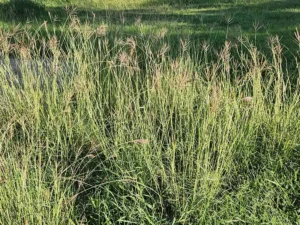
| Growth habit | Tufted and stoloniferous, with creeping stems that root at nodes |
| Approximate height | Commonly around 30–90 cm; flowering stems may grow taller |
| Foliage | Narrow, green to blue-green leaves |
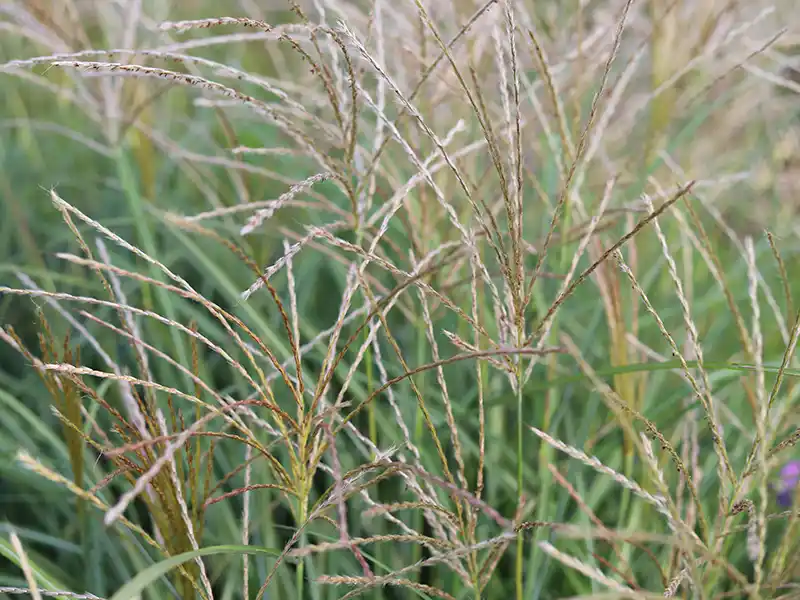
| Seed heads | Branched heads with green to purplish racemes |
| Position | Open, sunny pasture sites |
| Soil | Well-structured loams, clay loams and suitable clay soils of moderate fertility |
| Uses | Permanent pasture, grazing, hay and suitable ground-cover plantings |
Why Grow Bisset Creeping Bluegrass?
- Perennial growth for suitable permanent pasture systems.
- Rooting stolons help established stands develop ground cover.
- A grazing and hay option for appropriate warm-climate sites.
- Can be incorporated into a planned pasture mix.
How to Grow Bisset Creeping Bluegrass from Seed
Prepare a clean seedbed and choose a sowing window with reliable establishment moisture. Freshly harvested seed may have dormancy, so check current batch germination results.
- Control weeds. Reduce competing grasses and broadleaf weeds before sowing.
- Prepare the seedbed. Aim for a fine surface with good seed-to-soil contact and adequate moisture below it.
- Sow shallowly. Place seed on or near the surface and cover lightly, no deeper than approximately 1 cm.
- Check seed flow. Fluffy seed may require suitable equipment or a carrier to distribute it evenly.
- Maintain moisture. Follow-up rainfall or irrigation is needed as seedlings develop.
- Delay grazing. Allow plants to become firmly anchored and well established before introducing livestock.
Bisset Creeping Bluegrass for Pasture and Hay
Plan grazing to maintain leafy growth and provide recovery between grazing periods. Monitor pasture condition rather than relying on a fixed grazing calendar.
For hay, assess the crop before stems become coarse and forage quality declines. Match cutting decisions to growth stage and suitable drying weather.
Bisset Creeping Bluegrass for Ground Cover
The creeping habit can help fill spaces between established plants. For soil-cover projects, plan drainage, establishment protection and ongoing maintenance alongside species selection.
Use Bisset where introduced pasture grasses meet the planting brief. Select locally appropriate native species for ecological restoration projects requiring native vegetation.
Foliage and Seed Heads
Leafy shoots grow above spreading surface stems. Mature plants develop branched flower heads; Bisset is a late-flowering cultivar, with timing influenced by location and seasonal conditions.
Where to Grow Bisset Creeping Bluegrass
Assess soil structure, fertility, drainage and seasonal rainfall before sowing. Suitable uses may include:
- Permanent grazing paddocks.
- Managed mixed pastures.
- Hay-producing areas.
- Approved agricultural ground-cover projects.
When to Sow Bisset Creeping Bluegrass Seeds in Australia
These indicative periods are a starting point. Choose a locally suitable window with warm soil, follow-up moisture and sufficient growth before winter.
| Climate Zone | Sowing Guide | Growing Notes |
|---|---|---|
| Cool | Assess local suitability first | Short summers may limit establishment and production. |
| Temperate | Spring to early summer in suitable districts | Allow time for establishment before cold weather. |
| Subtropical | Spring or late summer | Match sowing to rainfall and avoid a rapidly drying seedbed. |
| Tropical | Early wet season | Avoid sowing immediately before scouring rain. |
| Arid / Semi-arid | Only where moisture is adequate | Confirm long-term suitability before sowing. |
Tips for Growing Bisset Creeping Bluegrass Successfully
- Check seed purity and germination before planning sowing rates.
- Avoid deep placement of the small seed.
- Monitor weeds and seedling moisture.
- Use soil testing to guide pasture nutrition.
- Inspect establishment before deciding when to graze.
Frequently Asked Questions
Is Bisset Creeping Bluegrass Australian native?
No. Bisset is a cultivar of the introduced species Bothriochloa insculpta.
How does Creeping Bluegrass spread?
Its stolons grow across the soil surface and root at nodes.
How much seed should I sow?
Base the rate on seed quality, coating, site conditions and the proportion included in a mix. Obtain a paddock-specific recommendation for larger sowings.
How quickly will it establish?
Establishment varies with seed condition, soil moisture and competition. Allow time for plants to develop before expecting full ground cover.
Grow Bisset Creeping Bluegrass from Seed
Prepare thoroughly, sow shallowly and protect young plants through establishment. Match ongoing grazing and maintenance to pasture growth and seasonal conditions.
Reviews
There are no reviews yet.