
Windmill Grass Seeds
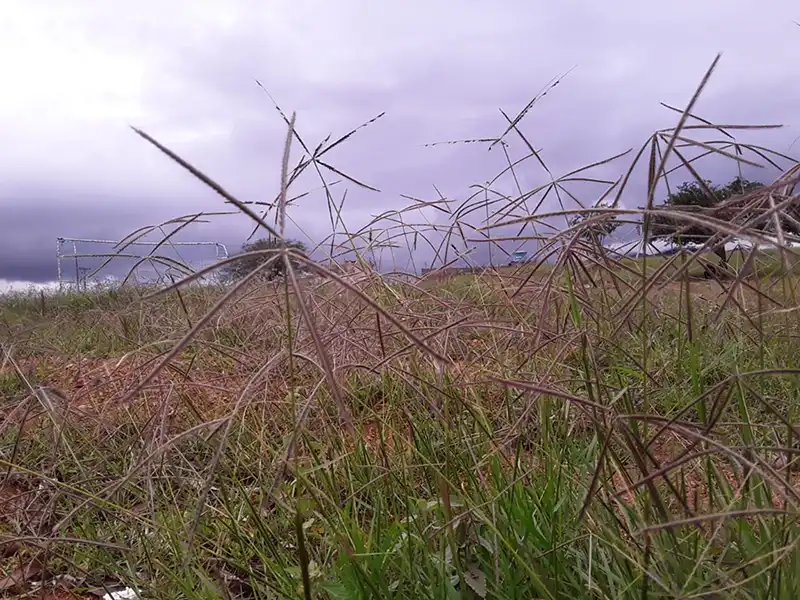
Grow an Australian native grass with distinctive windmill-shaped seed heads, suited to sunny gardens, naturalistic landscapes and suitable revegetation projects. Windmill Grass (Chloris truncata) forms low leafy tussocks with flowering stems carrying slender branches that radiate from a central point.
This warm-season species occurs across much of mainland Australia. Its ability to colonise open ground makes it useful in appropriate native grass plantings, particularly where seasonal growth and seed production can contribute to the establishment of vegetation cover.
Windmill Grass Seed Details
| Botanical name | Chloris truncata |
|---|---|
| Common name | Windmill Grass |
| Family | Poaceae |
| Plant type | Australian native warm-season, short-lived perennial grass; sometimes biennial |
| Growth habit | Low tussocks with a dense crown, sometimes producing short spreading stolons |
| Approximate height | Usually approximately 10–50 cm, depending on growing conditions |
| Foliage | Short, pale green to blue-green leaves with boat-shaped tips |
| Flowers and seed heads | Usually 6–9 slender spikes radiating horizontally; spikelets become black at maturity |
| Flowering period | In response to rainfall, commonly during the warmer months; timing varies locally |
| Position | Full sun |
| Soil | Adaptable to varied soils, including clay and sandy soils; provide suitable drainage and establishment moisture |
| Seeds per gram | Approximately 3,500 for standard-grade seed; varies with seed lot and preparation |
| Uses | Sunny native gardens, naturalistic landscapes, mixed grass plantings and locally appropriate revegetation |
Why Grow Windmill Grass?
- Distinctive windmill-shaped seed heads add seasonal interest.
- Low-growing foliage suits open, naturalistic landscapes.
- Australian native grass with warm-season growth.
- Adaptable to a range of suitable soil types.
- Moderately drought tolerant once established.
- Useful as a colonising species in locally appropriate revegetation plantings.
How to Grow Windmill Grass from Seed
Windmill Grass benefits from surface sowing, warm conditions and consistent moisture. TreeProject recommends late spring to summer sowing in its Victorian nursery guidance.
- Prepare the growing medium. Use clean, free-draining seed-raising mix in trays or tubes. For direct sowing, prepare a firm, weed-free surface.
- Surface sow. Spread seed evenly and press gently into contact with the medium. Light assists germination, so avoid deep burial.
- Apply a light protective layer. In propagation trays, a light scattering of fine gravel can help hold seed in place without heavily covering it.
- Water gently. Use a fine spray to avoid displacing the small seed.
- Maintain moisture and warmth. Keep the sowing surface moist with good drainage. TreeProject recommends approximately 20–25°C for germination.
- Allow time for emergence. Germination may occur in approximately 1–5 weeks under suitable conditions, although results vary between seed lots.
- Establish seedlings gradually. Harden nursery-grown seedlings before planting out. Provide follow-up watering and control competing weeds while roots develop.
Windmill Grass for Landscaping
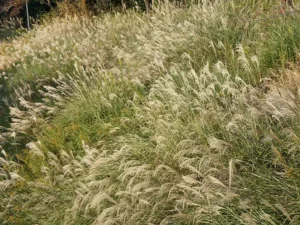
Windmill Grass provides a distinctive seasonal accent in sunny native gardens. Its radiating seed heads are particularly effective in informal groups where their shape can be seen against surrounding foliage.
Use it among other suitable native grasses and wildflowers to create a varied planting. Because individual plants can be short-lived, combine it with longer-lived species where lasting landscape structure is required.
Windmill Grass for Revegetation and Ground Cover
Windmill Grass can colonise open or disturbed ground following favourable rainfall. This makes it useful as one component of suitable revegetation mixes, alongside species selected for the site’s longer-term vegetation goals.
Its short-lived habit means ongoing cover may depend partly on recruitment from seed. Successful recruitment requires suitable moisture and opportunities for seedlings to establish.
For ecological restoration, confirm local occurrence, vegetation-community suitability and provenance requirements. Calculate project sowing rates using seed purity and germination information for the supplied grade.
Flowers and Foliage
The low crown produces short leaves beneath upright stems carrying the characteristic windmill-shaped flower heads. Slender spikes radiate from a shared point, with small spikelets arranged along their undersides.
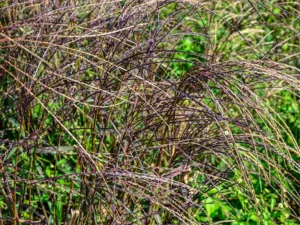
Spikelets become black as they mature. Flowering responds to rainfall, so the timing and duration of displays vary with local growing conditions.
Where to Grow Windmill Grass
- Sunny Australian native gardens.
- Naturalistic and meadow-style landscapes.
- Mixed native grass and wildflower plantings.
- Locally appropriate grassland revegetation sites.
- Suitable open areas requiring colonising native vegetation.
- Informal planting areas where seasonal seed heads can develop.
When to Sow Windmill Grass Seeds in Australia
These are general planning guides rather than fixed species-specific dates. Choose warm conditions with reliable surface moisture, and assess local suitability before planting.
| Climate Zone | Suitable Sowing Period | Growing Notes |
|---|---|---|
| Cool | Late spring to early summer, where suitable | Wait for warm conditions and protect emerging seedlings from frost. |
| Temperate | Spring to summer with reliable moisture | Avoid cold sowing conditions and prevent the surface from drying. |
| Subtropical | Warm periods with manageable temperatures | Shelter trays from excessive heat and maintain consistent moisture. |
| Tropical | Suitable periods under managed conditions, where appropriate | Confirm species and provenance suitability; protect surface-sown seed from heavy rain. |
| Arid / Semi-arid | Warm periods with dependable rainfall or irrigation | Maintain surface moisture through emergence and arrange establishment watering. |
Tips for Growing Windmill Grass Successfully
- Prepare a clean propagation medium or weed-free seedbed.
- Surface sow and maintain good seed-to-soil contact.
- Avoid covering the small seed deeply.
- Use gentle watering to prevent seed displacement.
- Keep the sowing surface moist during germination.
- Protect young seedlings from frost and extreme heat.
- Control competing weeds during establishment.
- Include longer-lived companion species where permanent vegetation structure is needed.
Frequently Asked Questions
What is Windmill Grass?
Windmill Grass is an Australian native grass botanically known as Chloris truncata. Its common name describes the radiating branches of its flower and seed heads.
Is Windmill Grass perennial?
It is generally a short-lived perennial, sometimes biennial. Individual plants commonly persist for approximately 2–3 years, depending on conditions.
How tall does it grow?
Plants usually reach approximately 10–50 cm, with a low leafy crown beneath the flowering stems.
Should I bury Windmill Grass seed?
Surface sowing is recommended for nursery propagation. Press seed into the medium and use only a light scattering of fine gravel rather than a deep covering.
Does the seed need hot-water treatment?
Hot-water scarification is not part of the standard nursery sowing method. Follow any specific instructions supplied with your seed lot.
Is Windmill Grass drought tolerant?
Established plants have moderate drought tolerance. Germinating seed and young seedlings need reliable moisture.
Can it spread from seed?
Yes. Seed heads can detach and move with the wind, helping disperse seed. Seedlings may establish where moisture and open ground are suitable.
How many seeds are there per gram?
Approximately 3,500 seeds per gram is a guide for standard-grade seed. Counts vary with preparation, and less-cleaned bulk seeding grades can contain substantially fewer seeds per gram.
Grow Windmill Grass from Seed
With its low-growing foliage and distinctive seed heads, Windmill Grass adds seasonal interest to sunny native landscapes and can contribute to suitable mixed revegetation plantings.
Surface sow into a prepared growing medium, maintain warmth and moisture, and give young plants time to establish before exposing them to demanding conditions.
Reviews
There are no reviews yet.