
Heat
Choose varieties suited to warm conditions and protect sensitive seedlings from intense afternoon sun where necessary.



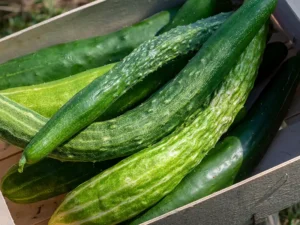
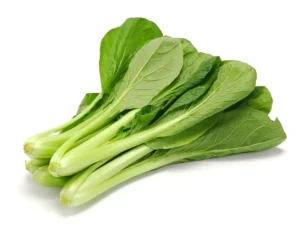
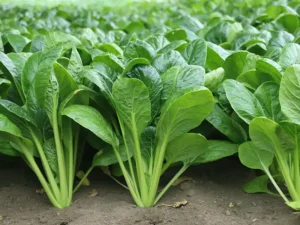
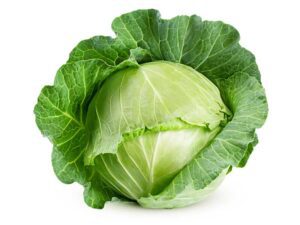
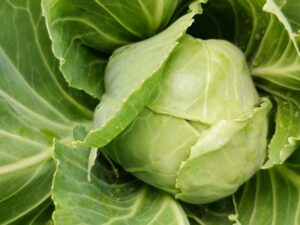
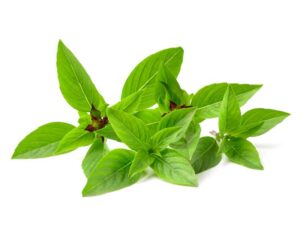
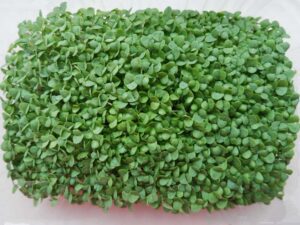
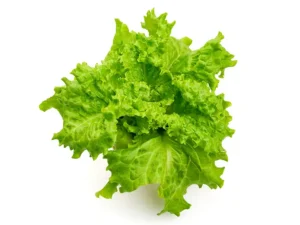
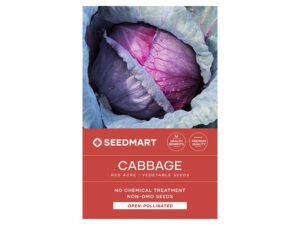
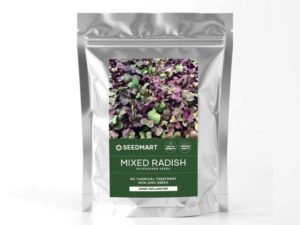
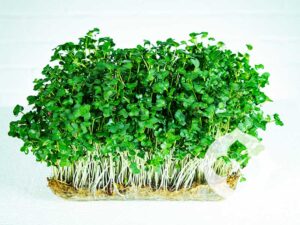
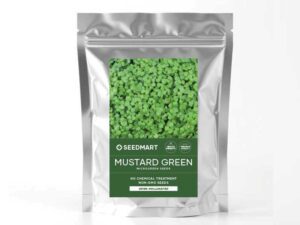
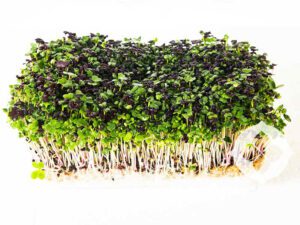
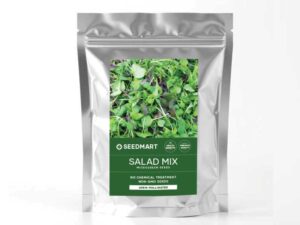
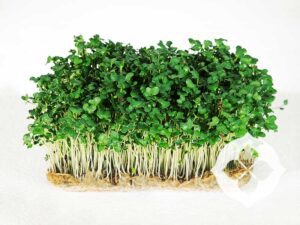
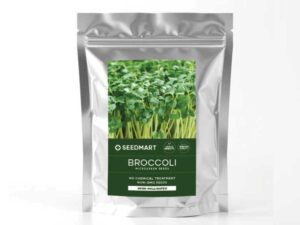
Singapore seed buying guide
Seedmart’s Singapore seed catalogue includes selected vegetable, herb, microgreen and sprouting seed varieties available for delivery within Singapore. The range is intended for home growers, urban farms, educators, restaurants, market gardeners and commercial producers.
Singapore’s warm, humid climate allows many crops to be grown throughout the year, but successful variety selection remains important. Heat tolerance, rainfall, humidity, growing location and production method can all affect germination and crop performance.
Choose seeds according to whether they will be grown outdoors, under protection, indoors as microgreens or in equipment designed for edible sprout production.
Products in this catalogue are selected for customers ordering within Singapore.
Choose from varieties that may be grown in tropical conditions or in protected growing systems.
Many vegetables, herbs, sprouts and microgreens can be grown in containers, trays or compact urban gardens.
Singapore’s climate supports regular sowing when heat, rainfall, moisture and airflow are managed appropriately.
Grow fresh vegetables, herbs, microgreens and sprouts for household or professional use.
Pack options vary by product, with selected larger quantities available for frequent and commercial growers.
The most suitable seed will depend on the available space, growing system, intended use and level of experience.
| Growing Goal | Suitable Seed Types | Why Choose Them? |
|---|---|---|
| Balcony and container growing | Compact vegetables, chillies, herbs and leafy greens | Suitable for pots, planter boxes and other small urban growing spaces. |
| Indoor tray production | Microgreen radish, broccoli, cabbage, mustard and salad mixes | Short production cycles and minimal growing space compared with mature vegetables. |
| Edible sprout production | Mung beans and seed varieties specifically identified for sprouting | Suitable for growing in sprouters, jars or commercial sprouting equipment. |
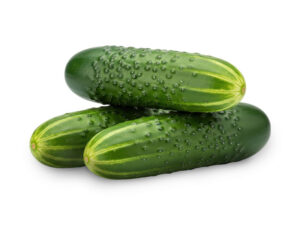
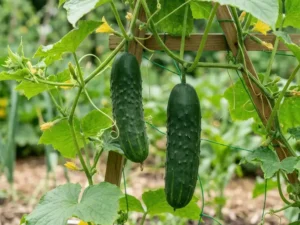
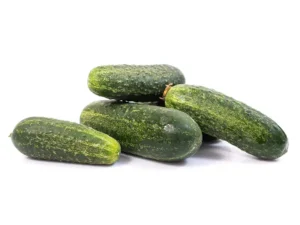
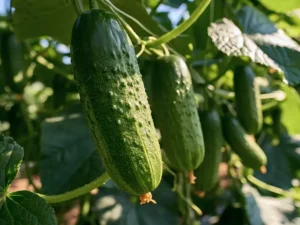
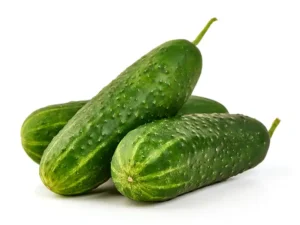
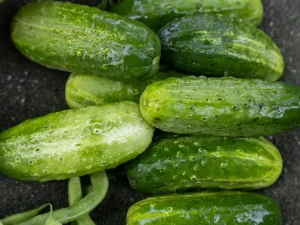
| Warm outdoor conditions | Cucumber, chilli and selected heat-tolerant vegetables | Better suited to warm growing conditions when moisture and disease pressure are managed. |
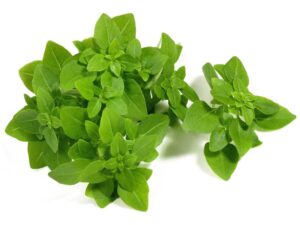
| Fresh culinary herbs | Basil and other herbs suited to warm or protected conditions | Useful for households, cafés, restaurants and fresh herb production. |
| Beginner growing | Radish and mustard microgreens, mung bean sprouts and vigorous vegetables | Generally faster to establish and easier to trial in small quantities. |
| Commercial production | Reliable microgreen, sprouting and vegetable varieties | Suitable for repeated sowing after production trials have confirmed performance. |
Singapore has consistently warm temperatures, high humidity and regular rainfall. These conditions can support rapid plant growth, but they can also increase moisture stress, fungal disease and pest pressure.
Choose varieties suited to warm conditions and protect sensitive seedlings from intense afternoon sun where necessary.
Use free-draining containers or raised growing areas to reduce waterlogging during periods of frequent rainfall.
Provide adequate spacing and airflow, particularly when growing dense leafy crops or microgreens.
Some crops benefit from morning sun and protection during the hottest part of the day.
Not every temperate-climate vegetable will perform reliably in Singapore. Some varieties require cooler temperatures to germinate, flower or produce a satisfactory crop. Check the individual product information and trial unfamiliar varieties on a small scale before beginning larger plantings.
| Seed Type | How It Is Grown | Important Considerations |
|---|---|---|
| Microgreen seeds | Grown in shallow trays using soil, coco coir, hemp mats or another suitable growing medium. | Requires appropriate sowing density, light, airflow and careful moisture management. |
| Sprouting seeds | Grown without soil in jars, sprouters, bags or specialised commercial equipment. | Use only seed identified as suitable for edible sprout production and follow appropriate hygiene procedures. |
| Vegetable seeds | Grown to maturity in garden beds, containers, planter boxes, raised beds or commercial production systems. | Select varieties according to temperature, available space, rainfall and seasonal conditions. |
| Herb seeds | Grown in containers, gardens or protected production systems and harvested as required. | Some herbs tolerate tropical conditions better than others, while heat-sensitive varieties may require shade or cooler growing periods. |
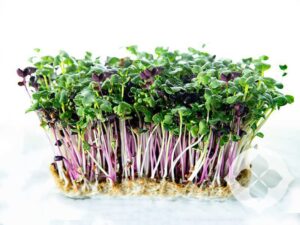
Microgreens and sprouts are different products. Microgreens are grown in a medium and harvested above the root, while sprouts are generally grown without soil and consumed with the seed and root attached.
Smaller packs allow growers to trial varieties before committing substantial growing space or purchasing larger quantities.
Larger seed quantities may be suitable for urban farms, restaurants, microgreen producers, sprout growers and businesses operating repeated planting schedules.
Compare the cost of usable production, not only the pack price. Germination, sowing rate, crop losses, growing time, labour and harvested yield all contribute to the true cost of a crop.
Commercial growers should conduct small production trials before purchasing substantial quantities or committing to regular supply arrangements.
Consistent emergence helps produce uniform trays, predictable harvests and more efficient crop management.
Performance can vary between indoor, shaded, greenhouse and outdoor production systems.
Consider the sowing rate, germination percentage and usable harvested yield rather than relying only on the kilogram price.
Select varieties according to regular customer demand, production performance and achievable selling price.
Stock availability and pack sizes may change. Commercial growers should maintain suitable substitute varieties and avoid relying entirely on a single speciality crop without confirming ongoing availability.
Singapore’s heat and humidity can reduce seed storage life if packets are left exposed to warm or damp conditions.
Avoid frequent temperature changes. Moving seed repeatedly between cold storage and warm, humid air may cause condensation. Keep seed sealed while it adjusts to room temperature.
The products shown in this category are listed for customers purchasing seeds in Singapore. Availability and pack sizes vary by product and may change as stock is sold or replenished.
Many vegetables can be grown throughout the year, but performance depends on the variety, rainfall, temperature, sunlight, airflow and growing system. Heat-sensitive crops may perform better under shade, protection or during relatively cooler periods.
Fast-growing microgreens, mung bean sprouts, herbs and vigorous warm-season vegetables can be practical starting points. The easiest choice will depend on whether the crop is grown indoors, outdoors, in containers or under protection.
Yes. Many herbs, compact vegetables and leafy crops can be grown in containers on balconies with suitable sunlight, drainage and protection from extreme heat or heavy rain.
Yes. Microgreens may be grown indoors where they receive suitable light and airflow. Clean equipment, appropriate sowing density and careful watering are especially important in warm, humid conditions.
No. Use only products specifically identified for edible sprout production. Vegetable or microgreen seed should not automatically be assumed to be suitable for growing edible sprouts.
Selected products are available in larger pack sizes. Options vary according to the variety and current stock availability. Commercial growers should trial each crop under their own production conditions before purchasing substantial quantities.
Keep seeds sealed, dry and protected from heat, sunlight and humidity. Store opened packets inside an airtight container and avoid exposing cold seed to warm, humid air until the container has returned to room temperature.
Seeds available in Singapore
Browse Seedmart’s Singapore range of vegetable, herb, microgreen and sprouting seeds. Pack sizes and availability vary by product, with options for home growers, urban farms, restaurants and commercial producers.
Review each product page for current pack sizes, variety information and growing guidance before ordering.