
Cool to Mild Temperatures
Cauliflower forms its best heads during steady, mild conditions. Sudden heat, prolonged cold or fluctuating temperatures can interrupt development.
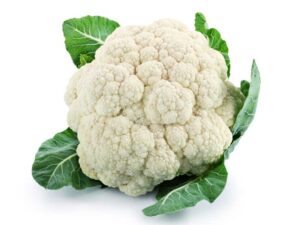
Cauliflower seed buying and growing guide
Cauliflower is a cool-season vegetable grown for its compact edible head, known as the curd. It belongs to the brassica family alongside broccoli, cabbage, kale, Brussels sprouts and kohlrabi. Although cauliflower is often associated with white heads, varieties can differ in head size, maturity time, leaf coverage, uniformity and suitability for different climates.
Seedmart supplies cauliflower seeds in Australia for backyard gardeners, market gardeners, schools, community gardens and commercial growers. Our current range includes reliable white-heading varieties suitable for autumn, winter and cool-season vegetable production.
The best cauliflower seed will depend on your local climate, planting season, available space, required harvest period and whether you are growing for household use, market sales or larger commercial production.
Cauliflower grows best during mild conditions and is particularly useful in autumn and winter vegetable gardens.
Each healthy plant can produce a dense central head suitable for fresh use, cooking, freezing and preserving.
Successive sowings can help extend the harvest period where seasonal conditions remain suitable.
Use cauliflower fresh, steamed, roasted, mashed, pickled, baked or prepared as cauliflower rice.
Grow cauliflower in vegetable beds, raised gardens, larger containers or organised market-garden rows.
Choose smaller quantities for household growing or larger packs for frequent sowing and commercial production.
Cauliflower varieties can differ in maturity, head size, plant habit and tolerance of seasonal conditions. Choosing a variety suited to your production window is important because cauliflower is sensitive to heat, moisture stress and interrupted growth.
| Growing Goal | Recommended Type | Why Choose It? |
|---|---|---|
| Reliable home-garden crop | Traditional white-heading cauliflower | Produces the familiar compact white curd used for fresh eating and cooking. |
| Earlier harvesting | Early to mid-season varieties | Useful where the mild growing period is limited or an earlier crop is required. |
| Compact garden spaces | Moderately sized, uniform varieties | Easier to accommodate in raised beds, smaller vegetable gardens and organised rows. |
| Successive harvesting | Several small sowings of a reliable variety | Staggered sowing can reduce the likelihood of every head becoming ready at the same time. |
| Market-garden production | Uniform varieties with consistent maturity | Even growth and head development can simplify planting, harvesting and packing. |
| Bulk planting | Varieties available in larger seed quantities | Larger packs may provide better value where substantial plant numbers are required. |
Selection 174 is an Australian open-pollinated cauliflower producing dense, white, dome-shaped heads. It is a vigorous and relatively early-maturing variety suited to home gardens and market growing.
Snowball Improved is a compact heirloom variety producing smooth, uniform white heads protected by upright wrapper leaves. It is well suited to smaller gardens and cool-season production.
Check individual product specifications before ordering. Seed treatment, pack sizes, sowing information and availability can differ between varieties and seed lots.
Cauliflower grows best when the plant can establish and form its head during cool to mild weather. Excessive heat can cause poor head formation, loose curds, small heads or premature flowering. The ideal sowing period therefore varies substantially between Australian climate zones.
| Australian Climate | General Sowing Period | Growing Considerations |
|---|---|---|
| Tropical | Sow during the coolest and least humid part of the year. | Avoid hot, humid conditions during head development. Good airflow and drainage are essential. |
| Subtropical | Sow mainly from late summer through autumn for winter harvesting. | Time planting so the crop matures after the strongest summer heat has passed. |
| Temperate | Sow from late summer into autumn, with suitable varieties also raised in late winter. | Autumn sowing commonly allows plants to mature during cooler conditions. |
| Cool temperate | Sow in spring or late summer to early autumn, depending on frost and local conditions. | Avoid having young plants exposed to severe cold or mature heads developing during excessive heat. |
| Arid and inland | Sow in the cooler parts of the year while avoiding peak summer heat. | Provide reliable irrigation, mulch and protection from extreme temperature fluctuations. |
These planting periods are general guides only. Local elevation, frost dates, coastal influence, seasonal weather and variety selection can alter the best sowing time.
Cauliflower forms its best heads during steady, mild conditions. Sudden heat, prolonged cold or fluctuating temperatures can interrupt development.
Choose a position receiving approximately six or more hours of direct sunlight each day. Light shade may be useful during unusually hot conditions.
Prepare the bed with mature compost or another suitable source of organic matter before planting. Cauliflower requires consistent nutrition to develop substantial heads.
Keep the soil evenly moist throughout growth, particularly while the head is forming. Irregular watering can reduce head size and quality.
The soil should hold useful moisture without remaining waterlogged. Poor drainage can restrict root development and increase disease pressure.
Allow sufficient space for the broad outer leaves. Overcrowding can restrict airflow, light and head development.
Cauliflower seeds generally germinate readily under cool to mild conditions. The seed can be started in trays, cells or small pots before transplanting, or sown directly where local conditions are suitable.
How long do cauliflower seeds take to germinate? Germination commonly occurs within approximately 5–10 days under suitable conditions, although cool soil, excessive moisture or old seed can delay emergence.
Cauliflower grows best without interruption. Heat, drought, root restriction, nutrient shortages and transplant stress can all result in undersized or poorly formed heads.
Cauliflower plants develop a broad spread of leaves around the central head. Adequate spacing supports airflow, root development and head size.
| Growing Method | General Spacing | Considerations |
|---|---|---|
| Home garden beds | Approximately 30–45 cm between plants | Use the wider spacing where larger plants or heads are expected. |
| Rows | Approximately 50–60 cm between rows | Allow enough room for access, airflow, weeding and harvesting. |
| Intensive raised beds | Approximately 35–45 cm in each direction | Maintain fertile soil and avoid crowding plants merely to increase plant numbers. |
| Containers | Generally one plant per large pot | Restricted root volume can reduce head size and increase watering requirements. |
Follow variety-specific directions where they differ from these general spacing recommendations.
Cauliflower can be grown in a container, but the plant requires more room than many compact vegetables.
Container-grown cauliflower requires particularly consistent watering and nutrition because the limited volume of potting mix can dry out quickly.
Can cauliflower grow in pots? Yes, although a large container is needed for each plant. Plants grown in small pots may become root-restricted and produce undersized heads.
The time from sowing to harvest varies with variety, planting season, temperature, nutrition and whether the crop experiences stress. Product maturity periods are often measured from transplanting rather than from the date the seed was sown.
| Growth Stage | Typical Period | Important Factors |
|---|---|---|
| Seed germination | Approximately 5–10 days | Soil temperature, moisture, sowing depth and seed condition. |
| Seedling development | Approximately 4–6 weeks | Light, nutrition, temperature, container size and transplant timing. |
| Transplanting to harvest | Approximately 55–80 days for the current Seedmart varieties | Variety, climate, plant health and uninterrupted growth. |
| Total seed-to-harvest period | Often approximately 3–4 months | Seasonal conditions and the length of the seedling stage. |
These periods are general guides rather than guaranteed harvest dates. Check the individual product page for the maturity information supplied for each variety.
The edible cauliflower head is a compact mass of undeveloped flower tissue that forms at the centre of the plant. The broad surrounding leaves collect energy and protect the developing curd.
Healthy plants normally produce leaves first, followed by the central head when the plant reaches the appropriate stage and seasonal conditions are suitable. The head gradually expands but should remain dense and tightly formed until harvest.
Does cauliflower grow above the ground? Yes. The edible head develops above the soil at the centre of the plant, surrounded and partly protected by large leaves.
Most traditional heading cauliflowers produce one main central head per plant. After that head is harvested, the plant does not normally produce a second head of equivalent size.
Some plants may form small side shoots after the main head is removed, but these should be considered an occasional secondary harvest rather than a replacement crop. Gardeners planning a continuous supply should make several successive sowings instead of relying on individual plants to regrow.
Harvest cauliflower while the head is firm, compact and has reached a useful size for the variety. Do not rely on head diameter alone because different varieties naturally produce different-sized curds.
| Head Condition | What It Means | Recommended Action |
|---|---|---|
| Firm and tightly closed | The curd is compact and has not begun separating. | Harvest once it reaches the preferred size. |
| Beginning to loosen | Individual sections are becoming more visible or uneven. | Harvest promptly before quality declines further. |
| Open, grainy or flowering | The head has become overmature or has been affected by stress. | Harvest immediately if still usable; it will not return to a compact form. |
| Small but no longer developing | Growth may have been restricted by heat, stress, crowding or root disturbance. | Assess the head for use rather than waiting indefinitely for substantial enlargement. |
Use a clean, sharp knife to cut through the main stem beneath the head. Leave several outer leaves attached if they are needed to protect the curd during handling or short-term storage.
Harvest during the cooler part of the day where possible and cool the head promptly after cutting.
Traditional white cauliflower can discolour when the developing head is exposed to strong sunlight. Some varieties have upright or self-wrapping leaves that naturally provide useful coverage.
Where additional protection is needed, several large outer leaves can be gently drawn over the developing head and loosely secured. This process is known as blanching. Do not bind the leaves so tightly that airflow is restricted or moisture becomes trapped around the head.
Blanching the head is different from blanching cauliflower in the kitchen. In the garden, the term refers to shielding a white curd from sunlight while it develops.
Plants may remain leafy because of heat, unsuitable planting time, excess nitrogen, root restriction or delayed maturity.
Button-sized heads can result from transplant stress, cold shock, overcrowding, inadequate nutrition or interrupted growth.
Warm temperatures and delayed harvesting can cause the compact head to separate and lose quality.
Direct sunlight can yellow white cauliflower curds. Cover the developing head with outer leaves where required.
Cabbage moth and cabbage white butterfly caterpillars can rapidly damage brassica leaves. Inspect both sides of the foliage regularly.
Aphids may gather in curled leaves and around the developing head. Early detection makes infestations easier to manage.
Young transplants can be damaged severely during cool, damp weather. Protect seedlings while they establish.
Cool, wet and poorly ventilated conditions can favour brassica diseases. Maintain spacing, airflow and appropriate watering practices.
Broccoli and cauliflower have similar requirements and can be grown in the same vegetable garden. Both prefer fertile soil, regular moisture and cool to mild conditions.
Because they belong to the same plant family, they also attract many of the same pests and diseases. Planting them together can simplify crop care, but it may also allow caterpillars, aphids or disease to move easily between plants.
Rotate brassica crops between garden beds. Avoid repeatedly planting cauliflower, broccoli, cabbage, kale, Brussels sprouts and related vegetables in the same soil where practical.
Smaller quantities are suitable for gardeners growing several plants, trialling cauliflower for the first time or making successive household sowings.
Larger seed quantities may suit growers producing substantial numbers of transplants or scheduling repeated plantings.
Compare seed quantities as well as pack prices. Cauliflower seed is relatively small, with approximately 250–350 seeds per gram listed for the current Seedmart varieties. Actual seed count can vary between lots.
Commercial cauliflower production requires careful variety selection, transplant scheduling and seasonal planning. Germination, plant uniformity, head size, maturity concentration, pest pressure and market specifications all affect the usable crop and cost of production.
Even emergence helps produce transplant batches of a similar size and simplifies field establishment.
The crop should be scheduled so head development occurs during conditions suitable for the chosen variety.
Consistent curd size, shape and maturity can improve harvesting efficiency and market presentation.
Check whether each seed lot is untreated or treated and ensure the product is suitable for the intended growing system.
Australian cauliflower seed availability can vary. Commercial growers should confirm stock, pack size, treatment status and required quantity before finalising a propagation schedule.
Sow cauliflower seeds approximately 5–10 mm deep in moist seed-raising mix. Keep the mix under cool to mild conditions and provide strong light after germination. Transplant healthy seedlings into fertile soil with adequate spacing, then maintain steady moisture and nutrition until the central head forms.
Planting time depends on climate. In subtropical and temperate areas, cauliflower is commonly sown from late summer into autumn for cool-season harvesting. In tropical areas, grow it during the coolest months. Cool-climate gardeners may also sow suitable varieties in spring.
Cauliflower seeds commonly germinate within approximately 5–10 days under suitable conditions. Cold, saturated or excessively dry seed-raising mix can delay or reduce emergence.
Sow cauliflower seed approximately 5–10 mm deep and cover it lightly with fine seed-raising mix. Avoid planting the small seed too deeply.
Sow one or two seeds in each cell or planting position. Where both seeds germinate, retain the strongest seedling and remove or transplant the other before the roots become entangled.
Cauliflower commonly takes approximately three to four months from sowing to harvest, although timing varies by variety and conditions. The current Seedmart varieties are generally listed at approximately 55–80 days from transplanting.
Yes. Cauliflower is a cool-season vegetable and is commonly grown through autumn and winter in many parts of Australia. Planting must still be timed for the local climate because severe frost, prolonged cold or warm winter conditions can affect development.
Cauliflower can be grown during summer in some cool districts or with a variety suited to the season, but high temperatures commonly reduce head quality. In warm regions, the crop is generally more reliable during autumn and winter.
Yes. Use one plant per large, free-draining container filled with premium vegetable potting mix. Container-grown plants require consistent watering, feeding and sufficient space for their broad leaves.
Cauliflower generally grows best in full sun, particularly during cool weather. In hot climates, limited protection from intense afternoon sun may help reduce stress, but excessive shade can restrict growth and head formation.
Space plants approximately 30–45 cm apart, with about 50–60 cm between rows. Larger varieties and plants grown in humid conditions may benefit from wider spacing.
Most traditional heading cauliflowers produce one main central head. Small side shoots may occasionally form after harvest, but they generally do not replace the main crop.
Harvest when the head is firm, compact and has reached a useful size. Cut it before the curd begins loosening, separating or producing visible flower stems.
Head formation can be delayed or prevented by unsuitable temperatures, excess nitrogen, insufficient sunlight, root restriction, poor nutrition or an inappropriate planting season. Some varieties also require more time than others to begin heading.
Small or button-sized heads can result from cold shock, transplant stress, overcrowding, inadequate moisture, nutrient shortages or heat. Cauliflower performs best when growth remains steady from seedling establishment through head formation.
Yes. They have similar growing requirements and can share a garden area. Because both are brassicas, they also share pests and diseases, so provide adequate spacing, inspect plants regularly and rotate the crop between beds.
No. Broccoli and cauliflower are distinct cultivated forms of Brassica oleracea. They are closely related, but cauliflower is selected for its dense undeveloped flower curd while broccoli produces branching flower heads and stems.
Seed can be saved from suitable open-pollinated varieties, but cauliflower is a biennial crop and must flower before seed can be collected. It also cross-pollinates readily with compatible brassicas, so isolation is required to maintain a variety accurately. Do not save seed from hybrid varieties where true-to-type offspring are required.
Cauliflower seed for Australian growers
Seedmart supplies cauliflower seed for backyard gardens, raised beds, community gardens, market gardens and larger vegetable production. Pack sizes vary by variety, with larger quantities available for selected lines.
Review the individual product pages for pack options, seed-treatment information, sowing guidance and variety-specific maturity details before ordering.