
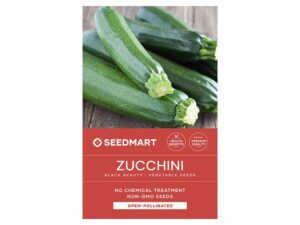
Black Beauty
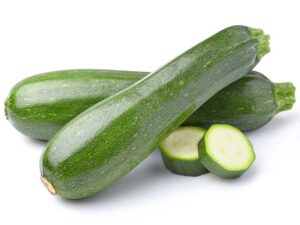
A traditional zucchini producing smooth, dark-green fruit with the familiar shape expected by many household and market customers.
Zucchini seed buying and growing guide
Zucchini is a fast-growing warm-season vegetable belonging to the squash and cucurbit family. Varieties differ in fruit colour, shape, skin pattern, plant habit, maturity period and suitability for different climates and markets.
Seedmart supplies zucchini seeds in Australia for backyard gardeners, container growers, market gardeners and commercial vegetable producers. The range includes traditional dark-green zucchini, pale Lebanese types, golden fruit and yellow crookneck squash.
The best zucchini seed will depend on your climate, available space, preferred fruit colour, harvest size and whether the crop is intended for household use, fresh-market sales or larger commercial production.
Many zucchini varieties begin producing usable fruit within approximately six to nine weeks under suitable conditions.
Plants can continue flowering and setting fruit when young zucchini are harvested regularly.
Choose from dark green, pale green, golden yellow and yellow crookneck varieties.
Grow compact zucchini plants in garden beds, raised planters or substantial pots.
Harvest tender zucchini fruit and selected fresh flowers from productive plants.
Choose smaller packs for household growing or larger quantities for frequent and commercial planting.
Zucchini varieties should be selected according to fruit appearance, plant habit, climate and intended market. Dark-green types provide a familiar commercial appearance, while pale and golden varieties add colour and product differentiation.
| Growing Goal | Variety or Type to Consider | Why Choose It? |
|---|---|---|
| Traditional dark-green fruit | Black Beauty | Produces familiar dark-green cylindrical zucchini for household and fresh-market use. |
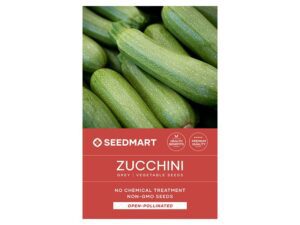
| Pale Lebanese-style fruit | Grey Lebanese | Produces light green fruit with a distinctive appearance and tender young texture. |
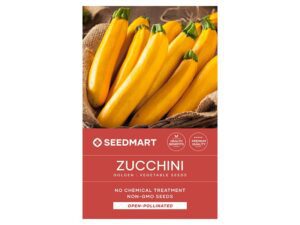
| Bright yellow fruit | Golden Zucchini | Adds strong colour to mixed harvests, market displays and home gardens. |
| Curved yellow squash | Yellow Crookneck | Produces yellow fruit with a curved neck and textured skin, harvested while young. |
| Container growing | Compact bush zucchini | Bush plants require less space than trailing squash but still need a substantial container. |
| Frequent market harvests | Uniform, productive bush varieties | Regular picking supports consistent fruit size and continued plant production. |
| Colour-varied production | Green, pale and golden varieties | Several fruit colours can broaden household choice or fresh-market presentation. |
A traditional zucchini producing smooth, dark-green fruit with the familiar shape expected by many household and market customers.
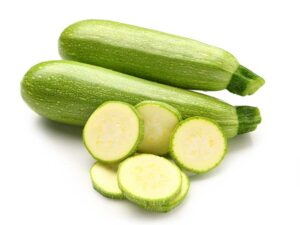
Produces pale green fruit that is commonly harvested while short, tender and relatively slender.
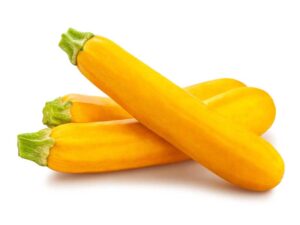
Bright yellow fruit provides strong colour contrast while being harvested and used in a similar way to green zucchini.
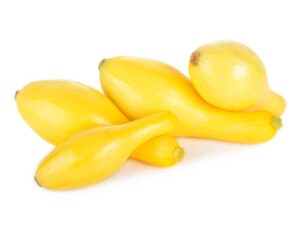
A yellow summer squash with a curved neck and distinctive shape, generally harvested before the skin becomes coarse.
Yes. Zucchini and courgette are regional names for the same general vegetable. The term zucchini is widely used in Australia, Italy and North America, while courgette is more common in Britain, France and parts of Europe.
Searching for courgette seeds? In Australia, courgette varieties are generally sold as zucchini seeds.
Botanically, zucchini is a fruit because it develops from a flower and contains seeds. In gardening, retail and cooking, it is normally treated as a vegetable because the immature fruit is used in savoury dishes.
Zucchini belongs to the cucurbit family with squash, pumpkins, cucumbers, melons and gourds.
Zucchini is a type of summer squash. It is usually harvested while the fruit remains young, the skin is tender and the seeds are immature.
| Zucchini | Other Squash |
|---|---|
| A specific summer-squash type, commonly cylindrical and harvested young. | A broader group including pattypan, crookneck, Gem, spaghetti and mature storage squash. |
| Most common varieties have compact or semi-bush growth. | Varieties may be compact, semi-trailing or strongly vining. |
| Fruit is usually picked while the skin remains soft. | Fruit may be harvested young or allowed to develop a firm mature rind. |
| Usually requires frequent harvesting during peak production. | Harvest timing varies greatly between summer and mature squash types. |
Looking for pattypan, Gem or spaghetti squash? Browse Seedmart’s squash seeds category for additional summer and mature squash varieties.
Zucchini requires warm soil, frost-free conditions and a period of reliable warmth for flowering and fruit production. The correct planting time depends on climate, local frost risk and seasonal heat and humidity.
| Australian Climate | General Sowing Approach | Important Considerations |
|---|---|---|
| Tropical | Sow during warm but comparatively settled and less humid conditions. | Avoid prolonged heavy rain, severe waterlogging and peak wet-season disease pressure. |
| Subtropical | Sow from late winter through spring and during other mild warm periods. | Protect young plants from cold nights and manage fungal disease during humid weather. |
| Warm temperate | Sow from spring into early summer after frost danger has passed. | Later crops may also be possible where autumn remains warm. |
| Cool temperate | Start seed under protection before transplanting after frost. | Use a warm, sheltered site and avoid delaying the crop into cool autumn weather. |
| Arid and inland | Sow after frost risk declines and before the most severe summer heat. | Provide reliable irrigation, mulch and protection from hot drying winds. |
These planting periods are general guides. Local elevation, frost dates, rainfall and seasonal temperatures can alter the best sowing time.
Zucchini seed germinates most reliably in warm growing media. Cold soil can delay emergence and increase the risk of decay.
Keep the growing medium moist without leaving it saturated around the large seed.
Sow zucchini seed approximately 20–30 mm deep or follow the directions supplied for the variety.
Zucchini seedlings grow quickly and should be transplanted before becoming root-bound.
How long do zucchini seeds take to germinate? Zucchini commonly begins germinating within approximately five to ten days under warm, evenly moist conditions.
Avoid overwatering zucchini seed. Cold, saturated seed-raising mix is a common cause of seed decay before emergence.
Zucchini can be sown directly into warm prepared soil or started in pots before transplanting. Direct sowing avoids root disturbance, while protected propagation can provide an earlier start in cooler regions.
| Direct Sowing | Raising Seedlings |
|---|---|
| Seed is planted where the zucchini will mature. | Seed is started in pots or large cells under protection. |
| Avoids transplant disturbance. | Provides greater control over warmth and moisture. |
| Requires reliably warm soil. | Useful where outdoor soil remains cold. |
| Young seedlings require protection from pests. | Seedlings can be protected until outdoor conditions improve. |
| Extra seedlings may require thinning. | Plants must be moved before roots become restricted. |
Zucchini plants produce broad leaves and require sufficient room for airflow, pollinator access and harvesting.
| Growing Method | General Spacing | Considerations |
|---|---|---|
| Compact bush varieties | Approximately 60–80 cm apart | Suitable where plant growth remains relatively compact. |
| Large bush plants | Approximately 80–120 cm apart | Provides room for broad leaves and harvesting access. |
| Raised beds | Generally one plant per substantial section | Avoid positioning several mature plants in a narrow bed. |
| Containers | One plant per large container | Multiple plants in a small pot compete heavily for water and nutrients. |
| Commercial rows | Depends on machinery and production system | Allow sufficient access for cultivation, crop protection and regular harvesting. |
Follow the individual product information where a variety requires different spacing.
Zucchini can grow in containers, but each mature plant needs substantial root space and a stable volume of growing medium.
Potted zucchini dries quickly and requires closer watering and fertiliser management than plants growing in open soil.
Can zucchini grow in a pot? Yes. Use a substantial free-draining container and grow only one mature plant unless the planter is exceptionally large.
Zucchini generally performs best with at least six to eight hours of direct sunlight. Strong light supports vigorous foliage, flowering and fruit development.
Temporary protection from severe afternoon heat may be helpful in extremely hot inland conditions, but deep shade can reduce flowering and crop production.
Zucchini can be trained more upright, although most common varieties are bush plants rather than natural climbing vines. Vertical training can reduce the plant’s ground footprint and make fruit easier to inspect.
| Vertical Growing Requirement | Recommended Approach | Important Considerations |
|---|---|---|
| Strong support | Use a sturdy stake, post or frame installed while the plant is young. | A mature zucchini plant becomes heavy and should not rely on a thin cane. |
| Regular tying | Secure the main stem loosely with soft ties as it lengthens. | Do not constrict the stem or attach ties around leaf stalks. |
| Leaf management | Remove only damaged or badly diseased lower leaves where necessary. | Excessive leaf removal reduces photosynthesis and exposes fruit to sun damage. |
| Container stability | Use a heavy pot that will not overturn as the plant becomes taller. | Wind exposure can destabilise trained container plants. |
Zucchini does not climb like a cucumber or bean. Upright growing requires regular support and tying rather than a trellis alone.
Growing time varies with variety, temperature, sowing method and the size at which fruit is harvested.
| Growth Stage | Indicative Period | General Characteristics |
|---|---|---|
| Seed germination | Approximately 5–10 days | Rapid emergence from warm, evenly moist soil. |
| Seedling development | Approximately 3–5 weeks | Plants establish quickly and should not remain in small pots for long. |
| First flowers | Approximately 4–7 weeks | Male flowers commonly appear before the first female flowers. |
| First harvest | Approximately 45–70 days | Timing varies with variety, temperature and establishment. |
| Continued production | Several weeks or months | Healthy plants can continue flowering while warm conditions remain suitable. |
These periods are broad guides rather than guaranteed maturity dates. Review individual product information for variety-specific guidance.
Zucchini plants usually produce separate male and female flowers on the same plant. Male flowers provide pollen, while female flowers have a small immature zucchini immediately behind the petals.
| Male Zucchini Flower | Female Zucchini Flower |
|---|---|
| Grows on a relatively long, slender stem. | Has a small immature fruit behind the flower. |
| Produces pollen but does not become a zucchini. | Can develop into fruit after successful pollination. |
| Often appears before female flowers. | Usually becomes more frequent as the plant develops. |
| Can be used as the pollen source for hand pollination. | Must receive viable pollen while the flower is receptive. |
Male flowers dropping is normal. They release pollen and decline without producing fruit.
Hand pollination may help when female flowers are developing but bee and insect activity is limited. Perform it in the morning while newly opened flowers are fresh.
The female flower may not have received enough viable pollen to support continued fruit development.
Rain, wind, cool weather or low insect numbers can reduce flower visits.
Cold nights or severe heat can interfere with pollen performance and fruit set.
Drought or waterlogging can cause young fruit to stop growing.
Root damage, disease, poor nutrition and insufficient sunlight can reduce fruit retention.
A stressed plant may abort some new fruit while supporting fruit already developing.
Zucchini requires consistent soil moisture during active growth, flowering and fruit production. The correct frequency depends on soil, temperature, wind, rainfall and plant size.
| Crop Stage | Watering Approach | What to Avoid |
|---|---|---|
| Germinating seed | Keep the soil evenly moist until emergence. | Cold, saturated soil or complete drying. |
| Young plants | Water deeply enough to encourage expanding roots. | Repeated severe wilting and shallow surface watering. |
| Flowering plants | Maintain consistent root-zone moisture. | Large fluctuations that contribute to flower and fruit loss. |
| Fruit production | Continue regular deep watering according to soil conditions. | Prolonged drought or waterlogged roots. |
| Container crops | Check frequently because pots dry rapidly. | Leaving containers permanently standing in water. |
Direct water towards the soil rather than repeatedly wetting the foliage. Mulch can reduce evaporation and soil splash around the plant.
Zucchini is normally harvested while the fruit remains young, glossy and tender. Fruit can grow rapidly during warm weather and should be checked frequently.
| Fruit Condition | What It Means | Recommended Action |
|---|---|---|
| Small and tender | The skin is soft and the immature seeds are fine. | Harvest for tender texture and continued production. |
| Medium-sized and glossy | The fruit has expanded but remains actively growing. | Harvest promptly before the skin and seeds become coarse. |
| Oversized with dull skin | The fruit has remained on the plant beyond the preferred stage. | Remove it promptly and use where suitable. |
| Hard mature fruit | The seeds and skin have developed substantially. | Retain only where mature seed saving is intended and the variety is suitable. |
Cut fruit from the plant using clean secateurs or a sharp knife. Leave a short section of stem attached and avoid twisting or pulling, which can damage the plant.
Regular picking encourages continued production. Leaving several oversized zucchini on the plant can reduce the resources available for new flowers and fruit.
Yes. Fresh male and female zucchini flowers are edible. Male flowers are generally preferred for harvesting because removing them does not directly remove a developing fruit.
Retain enough male flowers to provide pollen for female flowers. Harvest clean, newly opened flowers and inspect them carefully for insects before use.
Do not remove every male flower. Female flowers require compatible pollen for reliable fruit development.
Some older lower leaves naturally yellow and decline, but widespread yellowing can indicate environmental, nutritional or root problems.
| Possible Cause | Common Signs | Management Approach |
|---|---|---|
| Natural leaf ageing | Oldest lower leaves yellow while new growth remains healthy. | Remove badly declining leaves where necessary. |
| Waterlogging | General yellowing, weak growth and persistently wet soil. | Improve drainage and reduce excessive watering. |
| Drought stress | Wilting, dry soil and damaged leaf margins. | Water more deeply and consistently. |
| Nutrient shortage | Pale growth, reduced vigour or patterned yellowing. | Review soil fertility and apply an appropriate vegetable fertiliser. |
| Pest or disease pressure | Distortion, spotting, silvering or uneven discolouration. | Inspect both surfaces of the leaves and the growing crown. |
White powdery growth on zucchini leaves is commonly powdery mildew. It often develops as plants mature or where conditions favour fungal growth.
Some zucchini varieties also have natural pale silver markings along the leaf veins. These markings are flat and form a consistent pattern, while powdery mildew generally appears as irregular dusty patches that spread across the leaf surface.
Zucchini generally does not require heavy pruning. Removing old, damaged or badly diseased lower leaves can improve access and airflow, particularly where plants are trained upright.
Do not remove large numbers of healthy leaves. The foliage produces the energy required for flowering and fruit development and protects fruit from intense sunlight.
Prune selectively rather than routinely. Remove leaves only where there is a clear structural, access or plant-health reason.
The soil may be too cold, saturated, dry or compacted around the seed.
Male flowers commonly appear first. Female flowering usually increases as plants develop.
Incomplete pollination and plant stress are common causes of aborted young zucchini.
Powdery mildew commonly affects ageing zucchini foliage and can reduce plant vigour.
Large leaves can wilt temporarily during hot afternoons, but persistent wilting indicates moisture or root stress.
Incomplete pollination, physical damage and interrupted growth can produce uneven fruit.
Poor pollination, moisture stress, physical damage and decay can affect the end of developing fruit.
Insufficient sunlight, excessive nitrogen, immaturity and temperature stress can limit production.
Zucchini can share garden space with crops that have compatible warm-season requirements. Its broad leaves can shade smaller plants, so sufficient spacing remains important.
| Planting Option | General Compatibility | Considerations |
|---|---|---|
| Sweet corn | Shares warm-season growing conditions | Allow enough space so mature crops do not severely shade one another. |
| Climbing beans | Can share a larger summer growing area | Provide separate support and keep bean vines away from the zucchini crown. |
| Radish and fast greens | Can mature before zucchini leaves cover the soil | Harvest early crops before the canopy expands. |
| Herbs and flowers | May increase garden diversity and attract pollinating insects | Select plants suited to similar heat and watering requirements. |
| Other cucurbits | Have similar soil and seasonal requirements | They share powdery mildew, viruses and several insect pests. |
Rotate cucurbit crops where practical. Avoid repeatedly growing zucchini, squash, pumpkin, cucumber, melon and gourds in the same soil.
Smaller quantities suit gardeners growing several plants, comparing fruit colours or trialling a new zucchini type.
Larger quantities may suit growers producing regular summer crops for farm shops, restaurants and fresh vegetable markets.
Compare commercial value by more than seed price. Germination, plant uniformity, fruit specification, harvest frequency, labour, grading losses and customer demand all influence the real value of a zucchini crop.
Commercial zucchini production requires careful variety selection, crop scheduling and frequent harvesting. Plant habit, pollination, fruit uniformity, picking labour and market specification all affect production efficiency.
Rapid, even establishment supports uniform plants and a more predictable first harvest.
Select varieties according to colour, shape, length, skin appearance and target harvest size.
Successful fruit set depends on compatible pollen, receptive flowers and sufficient pollinator activity.
Zucchini may require picking several times each week during peak production.
Australian zucchini-seed availability can vary. Commercial growers should confirm current stock, pack size, treatment status and required quantity before finalising planting schedules.
Sow zucchini seed approximately 20–30 mm deep in warm, moist and free-draining soil or seed-raising mix. Plant outdoors after frost danger has passed, provide full sun, maintain consistent moisture and leave enough room for the mature plant.
Zucchini seed commonly germinates within approximately five to ten days under warm, evenly moist conditions.
Sow zucchini seeds approximately 20–30 mm deep. Follow the individual product directions where a different depth is specified.
Yes. Direct-sow after frost danger has passed and the soil has warmed. Seed can also be raised in pots where an earlier protected start is required.
Zucchini is planted for warm, frost-free conditions. Temperate and cool-climate gardeners generally sow from spring into early summer. Tropical and subtropical gardeners should avoid prolonged cold, extreme heat and peak wet-season conditions.
Zucchini generally performs best with at least six to eight hours of direct sunlight each day.
Yes. Use a large, free-draining container filled with premium vegetable potting mix and grow one mature plant per pot.
Compact varieties may be planted approximately 60–80 cm apart, while larger plants generally require around 80–120 cm.
Yes. A zucchini plant can be trained upright against a strong stake or frame, but it must be tied regularly because it does not climb naturally.
Zucchini may begin producing usable fruit within approximately 45–70 days, depending on variety, temperature and establishment.
Pick zucchini while the fruit remains young, glossy and tender. Check plants frequently because fruit can grow rapidly in warm weather.
Cut the fruit from the plant with clean secateurs or a sharp knife, leaving a short section of stem attached.
Regularly removing tender fruit can help the plant direct resources towards new flowers and developing zucchini rather than maintaining oversized fruit.
Yes. Zucchini and courgette are regional names for the same general summer-squash vegetable.
Zucchini is botanically a fruit because it develops from a flower and contains seeds. It is normally treated as a vegetable in cooking and horticultural retail.
Yes. Zucchini is a type of summer squash that is usually harvested while the fruit is young and tender.
Male flowers grow on slender stems. Female flowers have a small immature zucchini immediately behind the petals.
Male flowers commonly appear first while plants are young. Female flowers usually become more frequent as the plant develops and conditions improve.
Incomplete pollination is a common cause. Heat, cold, water stress, disease and poor plant health can also cause young fruit to stop developing.
Yes. Transfer fresh pollen from a newly opened male flower to the stigma of an open female flower during the morning.
Yes. Male and female zucchini flowers are edible. Male flowers can be harvested without removing a developing fruit, but retain enough flowers for pollination.
Older leaves naturally decline, but widespread yellowing may indicate waterlogging, drought, nutrient shortage, pest damage or disease.
Irregular white dusty patches are commonly powdery mildew. Natural zucchini leaf markings are generally flat, regularly patterned and concentrated around the veins.
Remove only old, damaged or badly diseased leaves where necessary. Heavy pruning reduces the healthy foliage available to support fruit production.
They can share a warm-season garden area where sufficient spacing, sunlight, airflow and water are provided. They also share several pests and diseases.
Seed can be saved from fully mature fruit of suitable open-pollinated varieties. Zucchini can cross-pollinate with compatible squash varieties, so isolation is required where varietal purity is important. Seed from hybrid plants may not reproduce the parent accurately.
Zucchini seed for Australian growers
Seedmart supplies zucchini seed for backyard gardens, raised beds, containers, market gardens and larger vegetable production. The range includes dark-green, pale-green, golden and yellow summer-squash varieties, with larger quantities available on selected lines.
Review the individual product pages for current availability, pack options, plant habit, fruit characteristics and variety-specific growing information before ordering.