
Kentucky Wonder
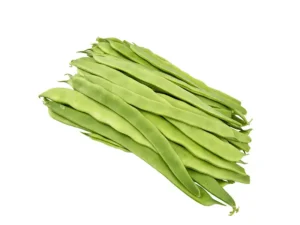
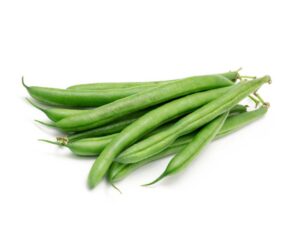
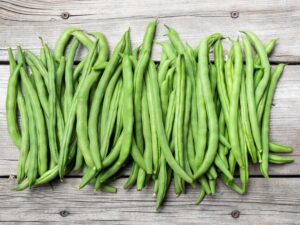
Kentucky Wonder is a traditional climbing bean producing long, fleshy green pods. Its extended harvest habit suits market gardens and fresh-market production where regular picking is practical.
Climbing bean seed buying and growing guide
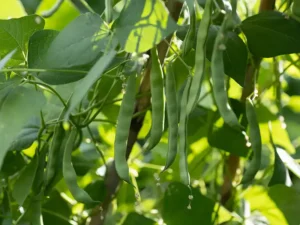
Climbing beans are vigorous, productive legumes grown vertically on trellises, netting, poles or other support systems. Varieties differ considerably in pod length, shape, colour, texture, maturity and market use, ranging from conventional green snap beans to broad flat beans, purple-podded types and runner beans.
Seedmart supplies climbing bean seeds for market gardens, small-scale farms, commercial vegetable production and home growers throughout Australia. The range includes established varieties such as Kentucky Wonder and Blue Lake, European-style flat beans such as Vitalis, coloured varieties such as Purple King and selected runner and specialty beans.
The best climbing bean variety will depend on your climate, production window, trellis system, available harvest labour, preferred pod characteristics and target market.
Climbing beans use vertical growing space efficiently and can produce substantial crops from relatively narrow production rows.
Many climbing varieties continue flowering and setting pods over an extended period when mature beans are picked regularly.
Well-managed climbing beans can provide repeated harvests of marketable pods from the same planting.
Choose from green, purple, flat, round, long and specialty bean varieties for different markets and culinary uses.
Regular hand harvesting allows growers to select young, tender pods for farm-gate, market, restaurant and specialty produce sales.
Choose smaller quantities for variety trials or larger packs across selected varieties for repeated and commercial sowings.
Different climbing bean varieties suit different production systems and markets. Pod characteristics and harvest requirements should be considered before selecting a variety.
| Growing Goal | Suggested Type or Variety | Why Choose Them? |
|---|---|---|
| Traditional green beans | Kentucky Wonder and Blue Lake | Productive climbing varieties producing familiar green pods for fresh-market and general culinary use. |
| Flat green beans | Vitalis and other flat-podded varieties | Produce broad, fleshy pods suited to growers seeking European or Roma-style beans. |
| Specialty coloured beans | Purple King | Produces distinctive purple pods that provide visual differentiation for direct and specialty markets. |
| Extended fresh-market picking | Productive pole and climbing beans | Indeterminate climbing plants can continue setting pods while conditions remain favourable and mature pods are regularly removed. |
| Vertical production | Climbing and pole beans | Use trellises and vertical structures to increase productive canopy area without requiring wide ground coverage. |
| Specialty runner beans | Scarlet Runner and selected runner varieties | Produce vigorous climbing plants and distinctive flowers and pods, with growing requirements that differ from ordinary climbing French beans. |
| Market garden production | Blue Lake, Kentucky Wonder, Vitalis and selected specialty varieties | Suitable for repeated hand harvesting where growers have established markets for fresh climbing beans. |
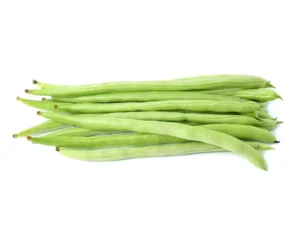
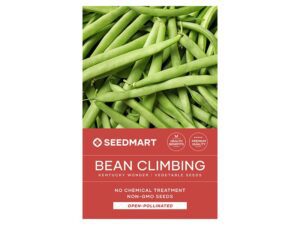
Kentucky Wonder is a traditional climbing bean producing long, fleshy green pods. Its extended harvest habit suits market gardens and fresh-market production where regular picking is practical.
Blue Lake is a vigorous climbing bean producing smooth green pods that are stringless when harvested young. It is suitable for fresh sales as well as freezing and processing.
Vitalis produces long, broad, flat green pods characteristic of European or Roma-style beans. Its distinctive pod shape is useful for specialty fresh-market and restaurant supply.
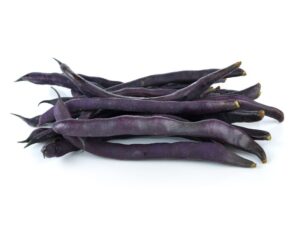
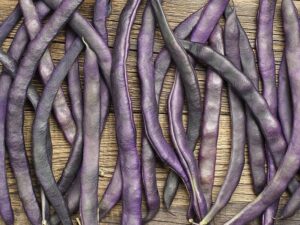
Purple King produces distinctive purple pods on vigorous climbing plants. The unusual pod colour provides strong visual contrast for farmers’ markets, produce boxes and specialty retail.
Scarlet Runner is a vigorous climbing runner bean with distinctive flowers and large pods. Runner beans generally prefer milder growing conditions than common climbing French beans.
Climbing beans can be particularly useful for diversified vegetable growers because they combine vertical production with an extended harvest period. Unlike many dwarf beans that produce a more concentrated crop, climbing varieties may continue flowering and setting pods while growing conditions remain favourable.
The trade-off is additional infrastructure and labour. Commercial plantings require strong trellising and repeated harvesting, making climbing beans particularly relevant to fresh-market and higher-value production systems where growers can recover the additional picking cost.
Potential markets include farmers’ markets, farm shops, produce boxes, restaurants, independent grocers, specialty vegetable wholesalers and direct farm sales.
Most common climbing beans are warm-season crops that perform best in full sun, warm soil and free-draining growing conditions. They are frost tender and should generally be planted once frost danger has passed and soil temperatures are suitable for rapid establishment.
Select a sunny production site with sufficient room for trellising and convenient access for repeated harvesting.
Beans perform best in fertile soil that drains readily. Avoid cold, saturated ground where seed may rot before emergence.
Install trellis netting, mesh, poles or wire-supported structures before the plants develop vigorous climbing growth.
Consistent moisture is particularly important during flowering and pod development. Avoid prolonged drought stress and waterlogging.
Most common climbing beans are frost-tender warm-season crops. Planting time varies considerably between Australia’s tropical, subtropical, temperate, cool and arid growing regions.
| Climate Zone | General Planting Guide | Growing Notes |
|---|---|---|
| Cool | Late spring to early summer | Wait until frost risk has passed and soil temperatures are consistently warm before sowing. |
| Temperate | Spring to early summer | Sow after frost danger has passed. Successive sowings may be possible while sufficient warm growing weather remains. |
| Subtropical | Late winter through spring and suitable warm periods | Use frost-free planting windows and avoid periods of extreme heat and humidity where ordinary climbing beans may perform poorly. |
| Tropical | Suitable warm-season production windows | Avoid scheduling susceptible varieties through periods of excessive heat, prolonged heavy rainfall and high disease pressure. |
| Arid / inland | Frost-free mild to warm periods | Provide reliable irrigation and avoid establishment during severe frost or extreme heat. |
These are general guides for common climbing beans. Runner beans and specialty species can have different temperature requirements. Check the individual product description before sowing.
Climbing beans are generally best direct-sown into their final growing position. Establish the trellis system before or shortly after sowing so developing vines can climb without disturbing the root system.
A strong trellis is essential for most climbing bean varieties. The structure must support the combined weight of mature vines, foliage and pods and remain stable during wind and wet weather.
Climbing beans grown for fresh pods should generally be harvested while the pods are young, tender and before developing seeds become excessively prominent. The ideal harvest size varies with variety and market specification.
Harvest while pods have good colour, firmness and tenderness and before they become coarse or fibrous.
Harvest according to the expected width and length of the variety while the pods remain tender and fleshy.
Select pods for strong, consistent colour and suitable size for the intended fresh market.
Inspect productive crops regularly. Picking mature pods encourages many climbing varieties to continue flowering and setting beans.
Pod quality is particularly important where climbing beans are being grown for direct and premium fresh-market channels. Buyers may assess beans according to pod length, straightness, colour, tenderness, fibre, seed development and overall appearance.
Harvest during the cooler part of the day where practical and move picked beans out of direct sunlight promptly. Appropriate post-harvest cooling and moisture management can help maintain quality after picking.
Climbing and bush beans have different production characteristics. Neither growth habit is universally preferable; the appropriate choice depends on infrastructure, labour availability and the intended market.
| Production Factor | Climbing Beans | Bush Beans |
|---|---|---|
| Growth habit | Produce long vines and require vertical support. | Form compact, generally self-supporting plants. |
| Trellising | Required for efficient production. | Generally not required. |
| Harvest pattern | Often provide an extended picking period. | Often provide a more concentrated harvest. |
| Harvest labour | Repeated hand harvesting is generally required. | Harvest can be more concentrated depending on the variety and production system. |
| Ground area | Use vertical space efficiently. | Require production area primarily at ground level. |
| Commercial fit | Well suited to diversified and higher-value fresh-market production where trellising and hand picking are practical. | Useful for scheduled production where a more concentrated harvest is preferred. |
Smaller quantities allow growers to evaluate unfamiliar varieties before increasing production.
Bulk climbing bean seed can provide better value for repeated plantings and larger production areas.
Commercial climbing bean production requires varieties suited to the intended production window, trellis system, harvest specification and target customer.
Consider pod length, width, straightness, colour, tenderness, fibre and uniformity according to the intended market.
Climbing beans normally require repeated hand harvesting, so picking efficiency should be considered when designing rows and trellises.
Select planting dates and varieties according to local temperatures, rainfall, humidity and expected market demand.
Standard green beans may have broad familiarity, while flat, purple and specialty varieties can provide differentiation for selected customers.
Climbing bean seeds for Australian growers
Seedmart supplies climbing bean seed for market gardens, small-scale farms, commercial vegetable production and home growers throughout Australia. Choose from traditional green climbing beans, flat beans, coloured varieties, runner beans and specialty climbing types for fresh-market, direct-sale and other production systems.
Review the individual product pages for available pack sizes, pod characteristics, maturity, trellis requirements and variety-specific growing information before ordering.