
English Spinach
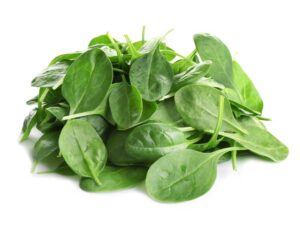
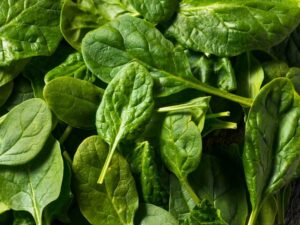
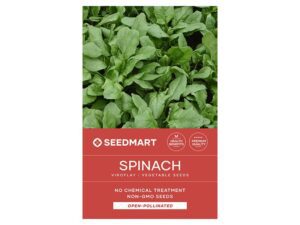
True spinach, Spinacia oleracea, is a cool-season leafy vegetable grown for tender baby leaves and mature foliage.







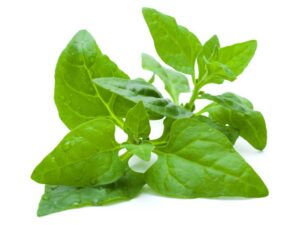

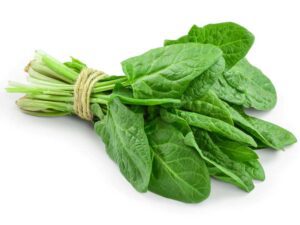

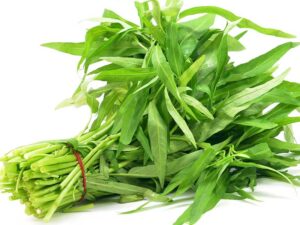
Spinach seed buying and growing guide
Spinach is a productive leafy vegetable grown for tender baby leaves, mature foliage and repeated fresh harvests. The name spinach is also commonly applied to several related or unrelated leafy greens that resemble true spinach in appearance, flavour or culinary use.
Seedmart supplies spinach seeds for home gardeners, market gardeners and commercial leafy vegetable growers throughout Australia. Choose true English spinach for cool-season salads and cooking, silverbeet or perpetual spinach for vigorous repeated picking, or warm-climate alternatives such as Ceylon spinach, Egyptian spinach, Warrigal greens and water spinach.
The best spinach seed will depend on your climate, preferred leaf texture, harvest stage, growing season, production system and intended culinary or commercial use.
Baby spinach and young true-spinach leaves can be ready within several weeks under suitable conditions.
Many spinach, silverbeet and warm-climate leafy-green varieties can be picked repeatedly.
Choose smooth baby leaves, crinkled savoy foliage, broad silverbeet leaves or succulent warm-climate greens.
Grow spinach in pots, troughs, raised planters, window boxes and compact urban gardens.
Use tender leaves in salads or cook mature foliage in soups, curries, pasta, eggs and stir-fries.
Choose smaller packs for household gardens or larger quantities for repeated and commercial production.
True spinach, silverbeet and warm-climate spinach alternatives have different seasonal requirements, leaf textures and culinary uses.
| Growing Goal | Recommended Type | Why Choose It? |
|---|---|---|
| Traditional cool-season spinach | Winter Giant, Bloomsdale and Viroflay | True spinach varieties suited to cool-weather baby leaf, mature-leaf and cooking production. |
| Baby spinach leaves | Baby Leaf Spinach | Selected for tender young foliage and dense salad-leaf production. |
| Crinkled savoy leaves | Bloomsdale | Produces dark green, textured foliage with traditional spinach flavour. |
| Large vigorous true spinach | Winter Giant and Viroflay | Develops substantial leaves during cool conditions for fresh and cooked use. |
| Repeated mature-leaf harvests | Perpetual Spinach and Silverbeet Barese | Longer-lived plants provide repeated picking and greater heat tolerance than true spinach. |
| Hot and humid conditions | Ceylon Spinach and Water Spinach | Warm-season leafy vegetables suited to conditions in which true spinach bolts or struggles. |
| Australian native leafy green | Warrigal Greens | Produces spreading succulent foliage suited to warm-weather cooked-leaf production. |
| Tropical leafy vegetable | Egyptian Spinach | A heat-loving crop producing tender leaves and shoots for cooking. |
| Commercial baby leaf production | Baby Leaf Spinach and suitable true-spinach varieties | Rapid young-leaf production supports scheduled sowings and repeated cutting. |
True spinach, Spinacia oleracea, is a cool-season leafy vegetable grown for tender baby leaves and mature foliage.
Bloomsdale develops dark green, crinkled leaves with a traditional savoy texture and rich spinach flavour.
These true-spinach varieties develop broad leaves suited to bunching, cooking and repeated cool-season harvests.
Perpetual spinach is a leaf-beet type valued for long production, repeated cutting and greater heat tolerance.
Ceylon spinach produces succulent leaves on vigorous climbing stems during hot weather.
These crops provide leafy production in climates and seasons that are unsuitable for true English spinach.
True spinach is the cool-season leafy vegetable botanically known as Spinacia oleracea. It forms a low rosette of tender green leaves and is commonly grown for baby leaf, mature foliage and bunching.
True-spinach varieties include:
True spinach generally performs best during cool to mild weather. Increasing heat and day length can cause plants to bolt, producing a tall flower stem and smaller, stronger-flavoured leaves.
These names commonly describe different varieties or harvest stages of true spinach.
| Spinach Type | General Characteristics | Common Uses |
|---|---|---|
| English spinach | General Australian name for true Spinacia oleracea. | Salads, cooking, bunching, freezing and baby leaf. |
| Baby spinach | True spinach harvested while the leaves are young, small and tender. | Salads, sandwiches, wraps, smoothies and light cooking. |
| Savoy spinach | Dark green leaves with strongly crinkled or blistered surfaces. | Cooking, bunching and traditional mature-leaf spinach dishes. |
| Semi-savoy spinach | Moderately textured foliage between smooth and strongly crinkled types. | Fresh and cooked production with easier washing than full savoy leaves. |
| Smooth-leaf spinach | Flat or lightly textured leaves that are generally easier to wash. | Baby leaf, commercial processing, salads and cooking. |
Baby spinach is generally the same species as mature English spinach. The primary difference is the stage at which the leaves are harvested.
| Baby Spinach | Mature Spinach |
|---|---|
| Harvested while leaves are small and tender. | Allowed to develop larger leaves and stronger stems. |
| Generally has a mild flavour and soft texture. | Usually has a more pronounced spinach flavour. |
| Commonly eaten raw. | Commonly cooked, although tender mature leaves can also be eaten raw. |
| Produced at relatively close plant spacing. | Requires greater spacing for full rosette development. |
| Provides rapid crop turnover. | Produces greater individual leaf weight and repeated mature harvests. |
No. Silverbeet and true spinach are different crops, although both are leafy vegetables used in similar dishes.
Silverbeet is a form of Beta vulgaris, the same species that includes beetroot and Swiss chard. True spinach is Spinacia oleracea.
| True Spinach | Silverbeet |
|---|---|
| Botanical name: Spinacia oleracea. | Botanical name: Beta vulgaris. |
| Forms a low rosette of relatively tender leaves. | Develops larger leaves and substantial upright stalks. |
| Prefers cool to mild weather. | Generally tolerates a broader temperature range. |
| Bolts relatively quickly as heat and day length increase. | Can provide repeated leaf harvests over a longer season. |
| Baby leaves are commonly used raw. | Mature leaves and stalks are generally cooked. |
| Has soft, tender stems when young. | Produces thicker stalks that may require separate cooking. |
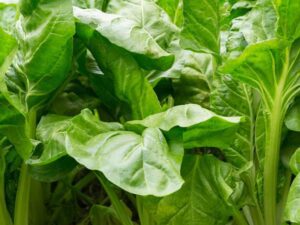
Perpetual spinach is not true spinach. It is a leaf-beet or chard type selected for relatively narrow stalks and abundant green leaves.
It combines several useful characteristics:
Perpetual spinach is useful where growers want a long-lived leafy vegetable rather than a rapid cool-season baby-spinach crop.
True spinach performs poorly during prolonged hot weather. Several separate crops are commonly grown as warm-climate spinach alternatives.
| Crop | Growth Habit | General Use |
|---|---|---|
| Ceylon spinach | Heat-loving climbing or trailing vine with succulent leaves. | Stir-fries, soups, curries and cooked leafy dishes. |
| Water spinach | Fast-growing tropical leafy vegetable with hollow stems. | Stir-fries, soups and Asian vegetable dishes. |
| Egyptian spinach | Upright warm-season plant producing tender shoots and leaves. | Soups, stews and cooked leafy preparations. |
| Warrigal greens | Spreading Australian native or naturalised coastal leafy plant. | Cooked as a warm-season spinach substitute. |
| Perpetual spinach | Long-lived leaf beet with repeated mature-leaf production. | Steaming, sautéing, pies, soups and cooked dishes. |
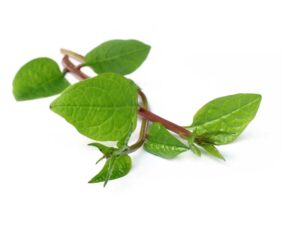
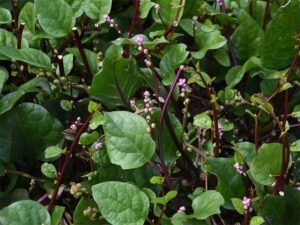
Ceylon spinach, also called Malabar spinach, is a warm-season climbing leafy vegetable. It is botanically distinct from true spinach and is generally classified within the genus Basella.
The plant produces succulent leaves and fleshy stems during hot weather. Green-stem and red-stem forms are grown for both edible foliage and ornamental appearance.
Ceylon spinach:
Water spinach, Ipomoea aquatica, is a tropical leafy vegetable grown for its tender hollow stems and leaves. It is also known by names including kangkong, kangkung and morning glory.
It thrives in warm and humid conditions but has different growing, biosecurity and environmental considerations from true spinach.
Growers should follow current state and territory requirements concerning the cultivation, possession and movement of water spinach. Product availability does not override local weed or biosecurity controls.
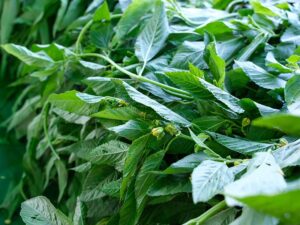
Warrigal greens, Tetragonia tetragonioides, are a spreading leafy vegetable native to Australia, New Zealand and parts of the Pacific region.
The plant tolerates warmer conditions and can provide leafy growth when true spinach is out of season.
Warrigal greens are generally cooked before eating. Harvest young tips and leaves regularly to encourage branching and continued growth.
True spinach has a mild green flavour with slightly earthy, sweet and mineral notes. Flavour varies with leaf age, variety, season and preparation.
Young spinach leaves are soft and mild enough for salads, sandwiches and smoothies.
Larger leaves develop stronger flavour and are particularly suited to cooking.
Crinkled savoy leaves provide substantial texture and hold sauces well when cooked.
Silverbeet generally has firmer stalks and a more pronounced leafy flavour.
Ceylon, water and Egyptian spinach have their own flavours and should not be expected to taste identical to English spinach.
Brief cooking reduces volume and develops a tender texture suited to sauces, curries and egg dishes.
True spinach is a cool-season leafy vegetable requiring fertile, free-draining soil, consistent moisture and mild temperatures.
Plan crops so most leaf development occurs before prolonged heat causes bolting.
Loose, improved soil supports rapid leaf development and healthy roots.
Regular watering helps produce tender leaves and reduces stress-related flowering.
Pick outer leaves or cut baby crops while foliage remains fresh and tender.
True spinach is generally planted from late summer through winter or during suitable spring conditions. The ideal period depends on local heat and frost.
| Climate Zone | General Sowing Period | Growing Notes |
|---|---|---|
| Cool | February to October | Sow from late summer through spring, avoiding severe waterlogging and extreme flowering frost. |
| Temperate | February to September | Autumn and winter are generally reliable, with early spring crops possible before heat arrives. |
| Subtropical | March to August | Grow true spinach through autumn and winter before warm spring weather causes bolting. |
| Tropical | May to July | Use the coolest part of the dry season or select a warm-climate spinach alternative. |
| Arid | March to August | Maintain reliable moisture and avoid hot, drying conditions. |
These sowing periods are general guides for true spinach. Ceylon, Egyptian and water spinach require warm-season planting rather than cool-season conditions.
Planting periods should be adjusted according to local frost, winter drainage and the arrival of spring heat.
| Location | General Planting Guide | Key Considerations |
|---|---|---|
| Brisbane and South East Queensland | March to August | Grow true spinach through autumn and winter. Use Ceylon or other warm-season alternatives during hot weather. |
| Sydney and coastal New South Wales | February to September | Autumn and winter are reliable, with early spring sowing possible in cooler districts. |
| Inland New South Wales | February to August | Allow for frost while avoiding crops that mature in late spring heat. |
| Melbourne and Victoria | February to October | Cool conditions support an extended season where soil drainage remains adequate. |
| Canberra and cool inland districts | February to April and August to October | Use autumn and spring windows while protecting young crops from severe frost. |
| Adelaide and South Australia | March to September | Maintain moisture during dry autumn and spring weather. |
| Perth and south-west Western Australia | March to September | Autumn and winter generally provide suitable temperatures and rainfall. |
| Tasmania | February to October | Spinach can be grown across a broad cool-season window where drainage is adequate. |
| Darwin and tropical northern Australia | May to July | True spinach has a limited cool-season window; warm-climate alternatives are generally more reliable. |
Warm-season spinach alternatives should not be planted according to the same calendar as true English spinach.
| Crop | Preferred Conditions | General Planting Period |
|---|---|---|
| Ceylon spinach | Warm to hot, frost-free weather | Spring through summer in temperate regions; extended warm-season planting in the tropics and subtropics. |
| Egyptian spinach | Warm soil and sustained heat | Spring through summer after frost risk. |
| Water spinach | Warm, humid and frost-free conditions | Warm season, subject to local regulatory requirements. |
| Warrigal greens | Mild to warm weather | Spring through autumn in many climates. |
| Perpetual spinach | Cool to warm conditions | Broad planting window, avoiding severe heat during establishment. |
True spinach is generally direct-sown because it grows quickly and can respond poorly to severe root disturbance. It may also be raised in individual cells for carefully spaced mature plants.
Plant true-spinach seeds approximately 1–2 cm deep. Cover them with fine soil and water gently.
Use the shallower end of the range where soil remains moist.
Slightly deeper planting can help maintain moisture.
True-spinach seeds commonly germinate within approximately 7–14 days under suitable cool to mild conditions.
Cool to mild soil supports germination, while hot soil can substantially reduce establishment.
Maintain even moisture without repeatedly saturating the seedbed.
Waterlogged soil can cause swollen seed to decay before emergence.
Older spinach seed can lose vigour and produce uneven emergence.
Soaking is optional. True-spinach seed can be sown dry into prepared, moist soil.
A short soak may help hydrate the seed before sowing, particularly where conditions are dry. Do not soak for an extended period or plant soaked seed into waterlogged soil.
Where soaking is used:
Yes. Spinach seedlings can be transplanted while young, although direct sowing is generally more efficient for baby-leaf production.
Raise individual seedlings in cells and move them before roots become densely bound. Harden them gradually and transplant during mild conditions.
Avoid damaging the central growing point or burying the crown deeply.
Spacing depends on whether spinach will be harvested as baby leaf, small plants or mature rosettes.
| Harvest Goal | Approximate Plant Spacing | General Result |
|---|---|---|
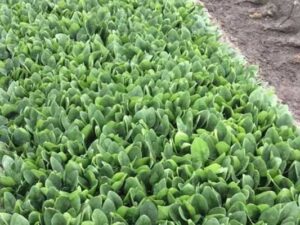
| Baby leaf | Approximately 2–5 cm or densely sown rows | High plant population for tender young-leaf cutting. |
| Small whole plants | Approximately 8–12 cm | Compact plants for early harvest and small bunches. |
| Mature true spinach | Approximately 15–25 cm | Provides room for larger rosettes and repeated leaf picking. |
| Silverbeet or perpetual spinach | Approximately 25–40 cm | Allows substantial mature leaves and stalks to develop. |
| Ceylon spinach | Approximately 30–60 cm | Provides room for branching vines and trellis access. |
| Row spacing | Approximately 25–45 cm | Allows access for weeding, watering and harvesting. |
True spinach can produce baby leaves within approximately 25–35 days, while mature plants commonly require around 40–60 days.
| Harvest Stage | Typical Period | General Characteristics |
|---|---|---|
| Baby spinach | Approximately 25–35 days | Tender young leaves suited to salads and mixed-leaf crops. |
| Small whole plants | Approximately 35–45 days | Compact rosettes suitable for fresh bunching and cooking. |
| Mature true spinach | Approximately 40–60 days | Larger leaves for repeated harvests, bunching and cooking. |
| Silverbeet and perpetual spinach | Approximately 50–70 days | Longer-lived plants producing repeated mature-leaf harvests. |
| Ceylon spinach | Approximately 55–80 days | Warm-season vine harvested repeatedly after establishment. |
| Egyptian spinach | Approximately 50–70 days | Warm-season shoots and leaves for repeated cutting. |
Growing time varies with variety, temperature, sunlight, soil fertility, water, plant density and preferred harvest size.
Yes. True spinach can provide several harvests when the outer leaves are removed without damaging the central crown.
Silverbeet, perpetual spinach, Ceylon spinach, Warrigal greens and Egyptian spinach are particularly well suited to repeated picking.
Cut-and-come-again performance depends on:
Remove the largest outer leaves and leave the small central foliage intact.
For dense baby-leaf crops, cut the leaves several centimetres above the soil without damaging the crown.
Use clean scissors or a sharp harvesting knife. Ragged cuts and crushed crowns can slow regrowth.
After harvesting:
Spinach grows well in pots, troughs, window boxes and raised containers.
Choose a container wide enough for the intended plant population.
Potted spinach can dry rapidly during warm or windy weather.
True spinach can tolerate partial shade and may benefit from afternoon protection in warmer climates.
Full sun generally produces the strongest growth through cool weather. Light shade can delay bolting as seasonal temperatures rise.
Deep shade may result in weak, elongated foliage and slower growth. Provide several hours of direct or strong filtered light each day.
Spinach can be grown indoors where it receives strong light, cool temperatures, airflow and adequate drainage.
A bright window may support small crops, but insufficient light commonly produces pale, weak growth. Horticultural lighting may be required where natural light is limited.
Indoor spinach should be:
Consistent moisture supports tender leaves and reduces stress-related bolting.
Water deeply enough to moisten the active root zone while avoiding permanently saturated soil.
Spinach generally benefits from:
Bolting occurs when true spinach begins producing a flower stem rather than continuing vegetative leaf growth.
Common causes include:
Increasing temperatures accelerate reproductive growth.
Seasonal day length can trigger flowering in true spinach.
Repeated wilting can cause plants to bolt prematurely.
Older plants naturally progress towards flowering.
Crowded or pot-bound plants may become stressed and bolt sooner.
Crops established too close to warm weather may have only a short harvest period.
Sow new crops successively rather than attempting to keep one true-spinach planting productive indefinitely.
Spinach may be harvested from the baby-leaf stage through to full maturity.
Baby leaves are ready once they reach a useful size, commonly around 5–10 cm long. Mature outer leaves can be harvested before they become tough or the plant begins flowering.
Signs of harvest readiness include:
There are three common harvesting methods.
| Harvest Method | How It Works | Best Suited To |
|---|---|---|
| Baby leaf cutting | Cut young leaves above the crown using clean equipment. | Salads, baby leaf mixes and rapid crop turnover. |
| Outer-leaf picking | Remove the largest outside leaves while leaving central growth intact. | Extended household and market harvesting. |
| Whole-plant harvest | Cut the entire rosette near soil level. | Final crop harvest, bunching or single-cut commercial production. |
Harvest during the cooler part of the day where practical and cool the leaves promptly.
Yes. Tender baby spinach and young true-spinach leaves are commonly eaten raw.
Raw uses include:
Combine spinach with vegetables, fruit, grains, herbs, cheese, nuts and dressings.
Use young leaves in sandwiches, burgers, rolls and wraps.
Blend washed baby leaves with fruit, vegetables and other ingredients.
Use tender leaves to add colour and soft texture to finished dishes.
Mature silverbeet, Ceylon spinach and Warrigal greens have different textures and preparation requirements and are generally used cooked.
Spinach can hold soil and grit around the leaves and stems, particularly crinkled savoy varieties.
Spinach cooks quickly and reduces substantially in volume.
Cook briefly with oil, butter, garlic or seasoning until just wilted.
Steam lightly until the leaves soften and retain fresh colour.
Add spinach near the end of cooking because the leaves wilt rapidly.
Add chopped spinach during the final stage of cooking.
Wilt leaves before adding them to egg dishes to reduce excess moisture.
Combine spinach with sauces, legumes, cheese, spices, noodles and grains.
Wash and dry the spinach thoroughly. Heat a small amount of oil or butter in a wide pan.
Add garlic or other aromatics where required, followed by the spinach. Turn the leaves until they are evenly wilted.
Avoid overcrowding the pan with wet leaves, as this causes steaming and releases additional liquid.
Season after the leaves reduce in volume. Drain excess moisture where the spinach will be used in pies, pastries or filled dishes.
Silverbeet and perpetual spinach have thicker stalks than true spinach.
Separate substantial stalks from the leaf blades where necessary. Slice and begin cooking the stalks first, then add the leaves once the stems begin softening.
Suitable cooking methods include:
Spinach is a delicate leafy vegetable and should be cooled promptly after harvest.
Remove damaged foliage and excess moisture before storage.
For household storage:
Spinach is best used while the leaves remain crisp and fresh.
Storage life depends on freshness at harvest, leaf condition, moisture and refrigerator temperature.
Fresh dry leaves generally keep longer than bruised or wet spinach. Baby leaves often deteriorate more rapidly than robust mature foliage.
Use spinach promptly and inspect it regularly. Discard leaves that become slimy, mouldy, strongly discoloured or unpleasant smelling.
Yes. Spinach can be frozen for later cooked use.
Blanching reduces bulk and prepares the leaves for longer frozen storage.
Frozen leaves lose their raw salad texture but remain useful in cooked dishes.
Yes. Baby spinach can be frozen, although the leaves become soft after thawing.
It is best used in cooked dishes, sauces, smoothies, soups and fillings rather than fresh salads.
Blanching before freezing generally provides more compact portions and more predictable storage quality.
Baby-leaf and mature spinach use different plant densities and harvest systems.
| Baby Leaf Spinach | Mature Spinach |
|---|---|
| Grown at relatively high plant density. | Spaced more widely for full rosette development. |
| Harvested while leaves are young and tender. | Harvested as large outer leaves or complete plants. |
| Commonly ready within approximately 25–35 days. | Commonly ready within approximately 40–60 days. |
| Primarily used in salads and mixed leafy products. | Used for cooking, bunching and repeated harvests. |
| Requires uniform emergence and clean low cutting. | Requires greater spacing and longer crop maintenance. |
Hot soil, waterlogging, old seed and dry seedbeds can reduce emergence.
Warm weather, long days, plant age and drought stress can trigger flowering.
Old foliage, waterlogging, nutrient imbalance and root stress can cause yellowing.
Caterpillars, slugs, snails and other leaf-eating pests may damage foliage.
Crowding, prolonged wet foliage and poor airflow can encourage disease.
Heat, drought and plant maturity can reduce tenderness and increase flavour intensity.
Spinach can be affected by caterpillars, aphids, leaf miners, slugs, snails and other foliage pests.
Management options include:
Spinach can share beds with crops that prefer similar cool-season conditions and regular moisture.
Potential neighbouring crops include:
Spinach can also be harvested as an early crop before slower-growing vegetables require the full bed.
Smaller seed quantities are suitable for household gardens, containers and growers comparing true spinach with warm-climate alternatives.
Bulk spinach seed can be more economical for repeated baby-leaf, bunching and mature-leaf production.
Commercial spinach production requires varieties and planting systems suited to the intended harvest stage, seasonal window and customer specification.
True spinach, silverbeet and warm-climate alternatives require different seasons, spacing and harvest systems.
Consistent size, colour and shape improve baby-leaf mixes, bunches and retail presentation.
Planting date and variety influence how long true spinach remains suitable for leaf production.
Baby leaf, whole plants and repeated mature-leaf picking require different densities and schedules.
Cool leaves promptly and protect them from crushing, excess moisture and dehydration.
Clearly identify English spinach, silverbeet, Ceylon spinach and other substitutes so customers receive the crop they expect.
True spinach is Spinacia oleracea, a cool-season leafy vegetable grown for baby leaves and mature foliage.
English spinach is the common Australian name for true Spinacia oleracea spinach.
Baby spinach is generally true spinach harvested while the leaves are small and tender. Mature spinach is the same crop allowed to grow larger.
No. Silverbeet is a form of Beta vulgaris, while true spinach is Spinacia oleracea. They are used similarly but are different crops.
No. Perpetual spinach is a leaf-beet or chard type selected for repeated foliage production.
Ceylon or Malabar spinach is a heat-loving climbing leafy vegetable in the genus Basella. It is not true spinach.
Water spinach is the tropical leafy vegetable Ipomoea aquatica, also known as kangkong or kangkung.
Warrigal greens are the spreading leafy vegetable Tetragonia tetragonioides, commonly grown as a warm-season cooked-spinach alternative.
True spinach has a mild, slightly earthy and subtly sweet green flavour. Mature and savoy leaves generally taste stronger than baby spinach.
Sow true-spinach seed approximately 1–2 cm deep into fertile, free-draining soil during cool weather. Maintain even moisture and thin according to the intended harvest.
True spinach is generally planted from late summer through winter. Cool-climate growers may continue into spring, while tropical growers have a shorter winter window.
True spinach is generally planted around Brisbane from March to August. Warm-season alternatives are better suited to hot weather.
Spinach can generally be planted around Melbourne from late summer through winter and into spring while conditions remain cool.
Plant true-spinach seeds approximately 1–2 cm deep and keep the seedbed evenly moist.
True-spinach seeds commonly germinate within approximately 7–14 days. Hot soil and waterlogging can reduce emergence.
Soaking is optional. A short soak may help hydrate the seed, but suitable soil temperature and moisture are more important.
Yes. Transplant seedlings while young and before they become root-bound. Direct sowing is generally more efficient for baby leaf.
Baby leaf crops can be spaced approximately 2–5 cm apart, while mature true spinach generally requires around 15–25 cm.
Baby spinach may be ready in approximately 25–35 days, while mature true spinach commonly requires around 40–60 days.
Yes. Remove outer leaves or cut above the crown while leaving the central growing point intact.
Pick the largest outer leaves and leave the small central foliage intact, or cut baby leaves several centimetres above the crown.
Several harvests may be possible while plants remain healthy and vegetative. Regrowth declines when true spinach begins bolting.
Yes. Use a container with approximately 15–25 cm of soil depth, good drainage and enough width for the intended plant spacing.
Spinach tolerates partial shade and may benefit from afternoon protection during warmer conditions. Deep shade can cause weak growth.
Yes. Indoor spinach requires strong light, cool temperatures, airflow and containers with reliable drainage.
Warm weather, long days, drought stress and plant maturity commonly cause true spinach to bolt.
They remain edible, but the leaves generally become smaller, tougher and more strongly flavoured.
Harvest baby leaves once they reach a useful size, or pick mature outer foliage before the plant develops a flower stem.
Cut baby leaves above the crown, pick mature outer leaves individually or cut the complete plant near soil level.
Yes. Baby spinach and tender young true-spinach leaves are commonly eaten raw in salads, sandwiches and smoothies.
Remove damaged foliage, wash thoroughly to remove grit, drain or dry the leaves and trim coarse mature stems where necessary.
Spinach can be sautéed, steamed, stir-fried or added to soups, curries, pasta and egg dishes. It cooks and reduces in volume quickly.
Dry the washed leaves, then cook them briefly in a wide hot pan with oil, butter, garlic or seasoning until just wilted.
Refrigerate promptly in a suitable produce bag or container and protect the leaves from crushing, excess moisture and dehydration.
Storage life varies with freshness, moisture and temperature. Use spinach while it remains crisp and discard slimy, mouldy or unpleasant-smelling leaves.
Yes. Wash, blanch, cool and drain the leaves before freezing them in portions for cooked dishes.
Yes. Frozen baby spinach loses its salad texture but remains suitable for soups, curries, sauces, smoothies and cooked fillings.
Possible causes include old foliage, waterlogging, drought, nutrient imbalance, root stress or disease.
Hot soil, waterlogging, dry seedbeds, old seed and unsuitable sowing depth can reduce germination.
Spinach can share beds with lettuce, radish, onions, carrots, peas, beetroot and selected brassicas where sufficient light and spacing are maintained.
Yes, from suitable open-pollinated varieties. Allow healthy plants to flower and produce mature dry seed before collecting it.
No. The category includes true spinach, silverbeet and several warm-climate spinach alternatives. Review the botanical name and product description before ordering.
Specifications can vary between products and seed lots. Review each product page for treatment status, botanical species, hybrid status and available pack sizes.
Spinach seeds for Australian growers
Seedmart supplies spinach seed for household gardens, raised beds, containers, market gardens and commercial leafy vegetable production. Choose true English spinach for cool-season baby and mature leaves, silverbeet or perpetual spinach for repeated harvesting, or warm-climate alternatives for subtropical and tropical production.
Review the individual product pages for available pack sizes, botanical species, leaf characteristics, seed treatment and variety-specific planting information before ordering.