
Pak Choi, Tatsoi and Mizuna
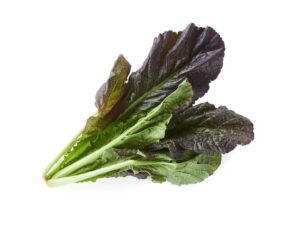
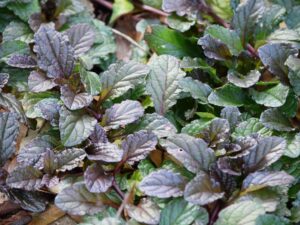
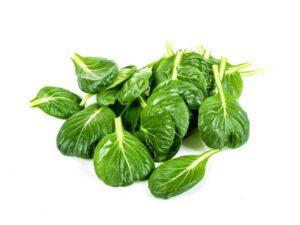
These compact leafy vegetables are grown for their tender leaves and stems. They are suitable for stir-fries, soups, steaming and young-leaf salads.












Asian vegetable seed buying guide
Asian vegetables include a broad range of leafy greens, brassicas, root crops, herbs, beans, eggplants, gourds and other productive vegetables used throughout East Asian, Southeast Asian and South Asian cuisines.
Seedmart supplies Asian vegetable seeds for home gardens, market gardens and commercial production throughout Australia. The range includes quick-growing leafy vegetables for repeated harvests as well as warm-season climbing and fruiting crops suited to longer growing periods.
The best variety will depend on your climate, planting season, available space, preferred flavour and how you intend to use the harvest.
Pak choi, tatsoi, mizuna, mustard greens and other leafy crops can produce useful harvests within a relatively short growing period.
Grow cool-season brassicas during mild weather and heat-loving beans, gourds, amaranth and eggplants during warmer months.
Many leafy Asian vegetables can be grown in raised beds, courtyard gardens and containers with adequate depth and drainage.
Choose from mild, sweet, peppery, mustard-like, earthy, aromatic and pleasantly bitter vegetables.
Use freshly harvested vegetables in stir-fries, soups, curries, salads, dumplings, pickles and fermented dishes.
Select smaller packs for household growing or larger quantities for frequent sowing and commercial production.
Some Asian vegetables are selected for fast leafy harvests, while others are grown for roots, pods, fruit, shoots or long-season production.
| Growing Goal | Recommended Varieties | Why Choose Them? |
|---|---|---|
| Easy leafy vegetables | Pak choi, tatsoi, mizuna and Chinese mustard | Generally quick to establish and suitable for garden beds, raised planters and larger containers. |
| Fast harvests | Mizuna, tatsoi, mustard greens, pak choi and radish | Useful for growers wanting short crop cycles and regular sowings. |
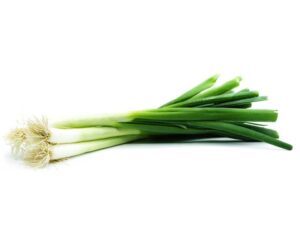
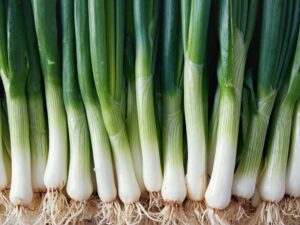
| Mild flavour | Pak choi, Chinese cabbage, tatsoi and bunching onion | Versatile vegetables suited to stir-fries, soups, salads and steamed dishes. |
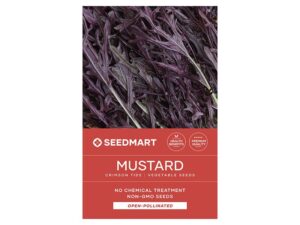
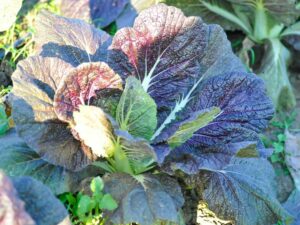
| Strong or mustard flavour | Chinese mustard, red mustard, Osaka mustard and mizuna | Add distinctive peppery or mustard-like flavour to cooked dishes and mixed salads. |
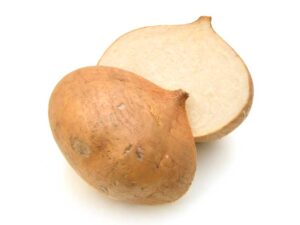
| Root production | Daikon radish and yam bean | Produce substantial edible roots for fresh use, cooking or pickling. |
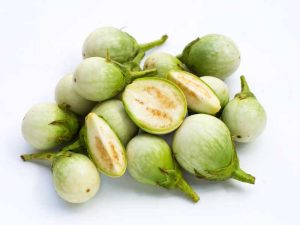
| Hot-weather production | Snake beans, water spinach, amaranth, okra and Thai eggplant | Warm-season crops that perform best when soil and air temperatures are consistently warm. |
| Climbing crops | Snake beans, angled luffa, sponge gourd, hairy gourd and wax gourd | Productive vines that can make efficient use of vertical growing space. |
| Market garden production | Pak choi, Chinese broccoli, daikon, bunching onion, mizuna and tatsoi | Recognisable crops suited to repeated plantings and fresh vegetable sales. |
These compact leafy vegetables are grown for their tender leaves and stems. They are suitable for stir-fries, soups, steaming and young-leaf salads.
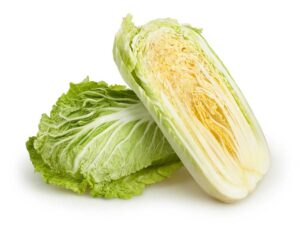
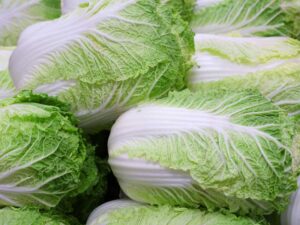
Chinese cabbages produce substantial heads with crisp ribs and tender leaves. They are commonly used fresh, cooked, pickled or fermented.
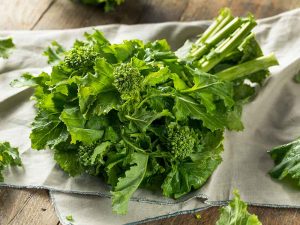
These vegetables are harvested for their stems, leaves and developing flower shoots. Their flavour ranges from mild and cabbage-like to pleasantly bitter.
Root-forming Asian vegetables require loose, well-prepared soil that allows the edible portion to develop without restriction.
These crops prefer warm conditions and are generally planted after cold weather has passed.
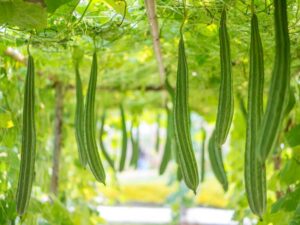
Vigorous climbing crops benefit from strong trellising, regular harvesting and sufficient space for vines to develop.
Planting Asian vegetables in the appropriate season can improve establishment, reduce premature flowering and produce better-quality leaves, roots and fruit.
| Growing Group | Examples | General Growing Conditions |
|---|---|---|
| Cool-season leafy greens | Pak choi, tatsoi, mizuna and Chinese mustard | Usually perform best during mild weather. Excessive heat can encourage rapid flowering or reduce leaf quality. |
| Cool-season brassicas | Chinese cabbage, Chinese broccoli and broccoli raab | Prefer fertile soil, steady moisture and moderate temperatures during establishment. |
| Cool-season roots | Daikon radish | Develop best in loose soil during mild conditions, with adequate depth for straight root formation. |
| Warm-season leafy crops | Water spinach, amaranth and Ceylon spinach | Prefer warm soil and air temperatures and can provide leafy harvests during conditions that are too hot for many brassicas. |
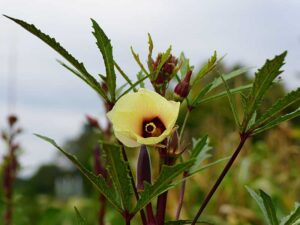
| Warm-season fruiting crops | Thai eggplant, okra and chillies | Require warmth, sunlight and a sufficiently long growing period to flower and produce fruit. |
| Warm-season vines | Snake beans, hairy gourd, wax gourd and angled luffa | Grow vigorously in warm weather and generally require support, space and consistent moisture. |
Planting times vary considerably across Australia’s tropical, subtropical, temperate and cool-climate regions. Check the individual product description before sowing.
Many Asian brassicas grow particularly well during the milder parts of the year. Pak choi, tatsoi, mizuna, Chinese cabbage, mustard greens and daikon may be planted through autumn, spring or other locally suitable cool periods.
Warm climates provide an extended growing season for snake beans, gourds, water spinach, amaranth, okra and Asian eggplants. Cool-season brassicas are generally better planted during the mildest part of the year.
Pak choi produces crisp stems and tender leaves with a mild flavour. It is suitable for stir-fries, soups, steaming and harvesting at either baby or mature size.
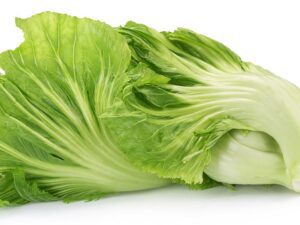
Also commonly called wombok, Chinese cabbage forms dense or elongated heads used in salads, stir-fries, dumplings, pickles and kimchi-style ferments.
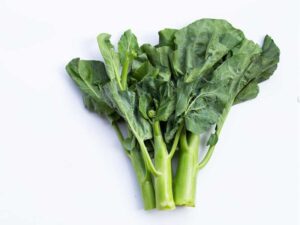
Chinese broccoli, also known as kailaan or gai lan, is grown for its thick stems, leaves and developing flower shoots.
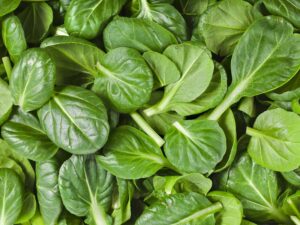
Tatsoi develops dark green spoon-shaped leaves in a compact rosette. Young leaves may be used fresh, while mature plants are suitable for cooking.
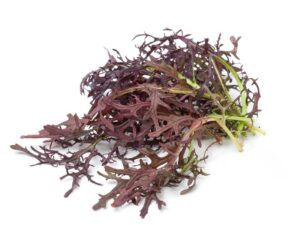
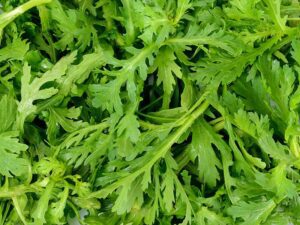
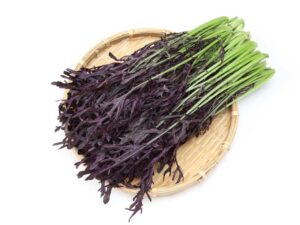
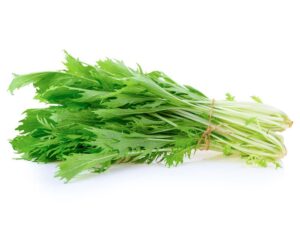
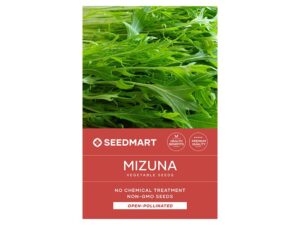
Mizuna produces finely divided leaves with a mild mustard flavour. It is well suited to salads, stir-fries and repeated young-leaf harvesting.
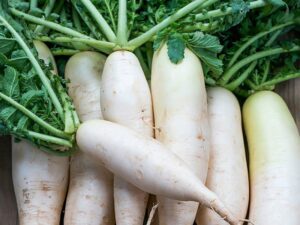
Daikon produces long, crisp roots that may be eaten fresh, cooked or pickled. Deep, loose soil encourages straighter and more uniform roots.
Snake beans are warm-season climbing legumes that produce long edible pods. Regular picking encourages continued pod production.
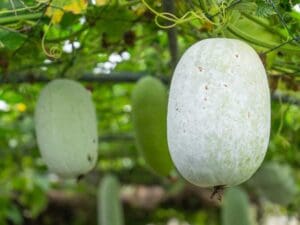
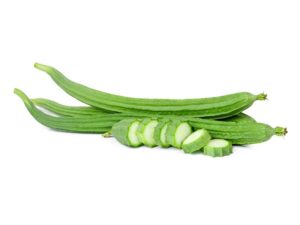
Wax gourd, hairy gourd, angled luffa and sponge gourd are vigorous warm-season vines grown for their edible immature or mature fruit, depending on the variety.
Smaller seed quantities are suitable for household gardens, raised beds and growers trialling unfamiliar vegetables.
Larger seed quantities can be more economical for growers planting successive crops or supplying restaurants, retailers and farmers markets.
Commercial production requires varieties that suit the local season, expected market, crop schedule and preferred harvest stage.
Select warm-season and cool-season crops separately rather than attempting to grow every variety under the same conditions.
Consider whether the crop will be sold as baby leaf, bunching vegetables, mature heads, roots, pods or individual fruit.
Fast leafy crops can support frequent turnover, while gourds, eggplants and climbing beans occupy growing space for longer periods.
Choose varieties that suit the preferences of local households, restaurants, grocers and cultural communities.
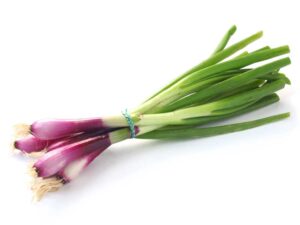
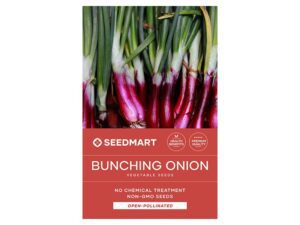
Pak choi, tatsoi, mizuna, mustard greens and bunching onions are useful starting points when planted in suitable weather. Warm-climate growers may also find amaranth, snake beans and water spinach productive during summer.
Mizuna, tatsoi, mustard greens, pak choi and some radishes are among the faster-growing choices. Harvest time depends on temperature, variety, spacing and whether the crop is picked as baby leaf or allowed to mature.
Planting time depends on the crop and location. Pak choi, tatsoi, mizuna, Chinese cabbage and daikon generally prefer mild conditions. Snake beans, water spinach, gourds, okra, amaranth and Asian eggplants require warm weather.
Yes. Compact leafy vegetables can grow well in containers with sufficient depth, drainage, sunlight and moisture. Larger roots, climbing vines and fruiting crops require substantially more soil volume and growing space.
Grow pak choi during suitable mild weather, maintain consistent moisture and minimise transplant stress. High temperatures, sudden environmental changes and overcrowding can encourage premature flowering.
Most snake beans, luffas and climbing gourds benefit from strong support. Trellising improves access, airflow and fruit visibility while keeping vigorous vines under better control.
Yes, but varieties must be matched to local conditions. Gardeners in cool and temperate regions can concentrate on brassicas during mild seasons, while subtropical and tropical growers have a longer season for heat-loving vegetables.
No. The range may include open-pollinated varieties, F1 hybrids and selected treated seed products. Review the specifications on each product page before ordering, particularly when seed saving or untreated seed is important.
These names are often used for closely related forms of Chinese cabbage grown for their edible leaves and stems. Naming varies between regions, seed suppliers and individual cultivars, so the product description should be used to confirm the characteristics of each variety.
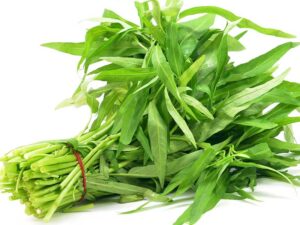
Snake beans, water spinach, amaranth, okra, Thai eggplant, luffa and many gourds are suited to warm summer conditions. The best selection will depend on local temperature, rainfall and the length of the growing season.
Asian vegetable seeds for Australian growers
Seedmart supplies Asian vegetable seeds for household gardens, market gardens and commercial vegetable production. The range includes fast-growing leafy greens, cool-season brassicas, root vegetables, climbing beans, gourds and warm-season fruiting crops.
Review the individual product pages for available pack sizes, seed specifications, planting guidance and variety-specific growing information before ordering.