
Green Manure
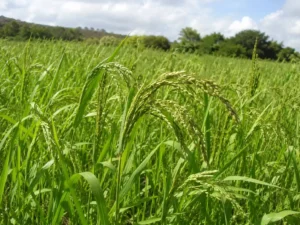
Japanese Millet is widely grown as a summer green manure crop. Its rapid growth produces abundant organic matter that can be incorporated into the soil or left as surface mulch to improve soil structure and protect against erosion.

Millet seed buying guide
Millet seeds are fast-growing warm-season annual grasses valued for green manure, cover cropping, forage, fodder, grain production and soil improvement. They establish rapidly in warm conditions, producing dense biomass that helps suppress weeds, reduce erosion and improve soil structure while protecting bare ground throughout summer.
Seedmart supplies carefully selected millet varieties for home gardeners, market gardeners, livestock producers, broadacre farming and regenerative agriculture throughout Australia. Whether you’re looking for a productive green manure crop, quality livestock forage, birdseed production or a fast summer cover crop, our range includes varieties suited to a wide range of growing conditions.
The best millet variety depends on your growing goals. French Millet is commonly grown for grain and birdseed, Japanese Millet is one of Australia’s most popular summer green manure and forage crops, while Shirohie Millet produces vigorous leafy growth for grazing and hay production.
Different millet varieties have been developed for different growing purposes. Some produce dense biomass for green manure and soil improvement, while others are better suited to forage, grazing, hay production or birdseed. Choosing the right variety will depend on how you intend to use the crop, your climate and the length of your growing season.
| Growing Goal | Recommended Variety | Why Choose It? |
|---|---|---|
| Green manure and cover cropping | Japanese Millet | Produces abundant summer biomass, excellent ground cover and useful organic matter for improving soil health. |
| Fast weed suppression | Japanese Millet | Rapid establishment and vigorous growth help shade the soil and compete with weeds. |
| Livestock forage and grazing | Shirohie Millet | Leafy, productive growth suitable for grazing, silage and hay production under warm conditions. |
| Hay production | Shirohie Millet | Produces high-quality forage with good seasonal yields when managed correctly. |
| Birdseed and grain production | French Millet | Produces fine seed heads commonly used for birdseed and grain production. |
| Soil improvement between crops | Japanese Millet | Fibrous roots improve soil structure while the leafy growth contributes valuable organic matter. |
| General-purpose summer crop | Japanese Millet | A versatile variety suitable for cover cropping, forage and soil improvement across much of Australia. |
Tip: Millet is a grass rather than a legume, so it does not fix atmospheric nitrogen. For a balanced summer cover crop, many growers mix millet with warm-season legumes such as Sunn Hemp, Cowpea or Lablab.
Most millet varieties germinate quickly in warm soil and establish rapidly, making them excellent choices for summer cover cropping, forage production and short growing windows.
Millet produces abundant leafy growth that can be incorporated into the soil as green manure or left as mulch to increase organic matter and improve soil structure.
Dense summer growth helps shade the soil surface, reducing weed competition and protecting bare ground between cropping cycles.
Several millet varieties provide productive grazing, hay and silage options for livestock during the warmer months when managed correctly.
The fibrous root system helps reduce erosion, improves soil structure and supports healthier soils by protecting exposed ground from heavy rain and summer heat.
Millet performs best during spring and summer, making it an excellent choice for Australian growers looking for a productive warm-season crop.
Did you know? Millet grows much faster than many traditional pasture grasses and is commonly used as a short-term summer crop before vegetables, winter cereals or pasture renovation.
Millet is one of the most versatile warm-season crops grown in Australia. Different varieties are used for green manure, cover cropping, livestock forage, birdseed production and improving soil health. Whether you’re growing vegetables, managing livestock or establishing a regenerative farming system, millet can provide valuable benefits during the warmer months.
Japanese Millet is widely grown as a summer green manure crop. Its rapid growth produces abundant organic matter that can be incorporated into the soil or left as surface mulch to improve soil structure and protect against erosion.
Millet establishes quickly in warm soil, forming dense ground cover that helps suppress weeds, reduce moisture loss and protect bare soil between cropping cycles.
Shirohie Millet is commonly grown for grazing, hay and silage. It produces leafy, palatable forage that can provide valuable feed during the warmer months.
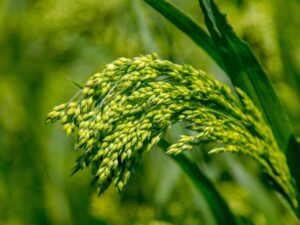
French Millet produces fine seed heads that are widely used in birdseed mixes and grain production, making it a popular choice for both commercial growers and hobby farmers.
Millet develops an extensive fibrous root system that helps improve soil structure, increase organic matter and support healthier soils when used in crop rotations.
Millet is frequently included in regenerative farming systems because it produces large amounts of biomass, protects soil from erosion and complements nitrogen-fixing legumes in mixed cover crop plantings.
Many growers combine millet with warm-season legumes such as Sunn Hemp, Cowpea or Lablab. While millet contributes rapid biomass and ground cover, legumes help fix atmospheric nitrogen, creating a more balanced summer cover crop.
Millet is a warm-season crop that performs best when sown into warm soil after the risk of frost has passed. Germination is rapid under favourable conditions, and the crop responds well to adequate moisture and full sun. Sowing times vary across Australia depending on climate and local temperatures.
| Climate Zone | Best Sowing Time | Suitability | Growing Notes |
|---|---|---|---|
| Cool | Late Spring to Summer | Moderate | Sow only after frosts have finished and the soil has warmed. |
| Temperate | Spring to Mid Summer | Excellent | Ideal as a fast-growing summer cover crop or forage crop. |
| Subtropical | Spring to Early Autumn | Excellent | Warm temperatures and seasonal rainfall promote vigorous growth. |
| Tropical | During the Warm Growing Season | Excellent | Produces abundant biomass where moisture and drainage are adequate. |
| Arid | Spring to Summer with Irrigation or Rainfall | Good | Requires moisture during establishment for reliable growth. |
Millet is frost sensitive. For the best results, wait until soil temperatures are consistently warm before sowing. Most millet varieties establish quickly once conditions become favourable.
Millet is an easy crop to grow provided it is sown into warm soil with adequate moisture. Good seedbed preparation, correct sowing depth and timely management will produce vigorous growth for green manure, forage or grain production.
Growing Tip: For maximum soil improvement, incorporate millet before seed heads mature while the stems remain green and succulent. This allows the plant material to break down more quickly and return valuable organic matter to the soil.
Millet is grown for green manure, cover cropping, livestock forage, hay, silage, birdseed and grain production. Different millet varieties are better suited to different applications, with Japanese Millet commonly used for green manure, Shirohie Millet for forage and French Millet for birdseed and grain.
Millet should be sown during spring and summer once soil temperatures have warmed and the risk of frost has passed. The ideal sowing time varies depending on your local climate and seasonal conditions.
Millet establishes quickly in warm conditions and can produce useful biomass within 6 to 10 weeks. Crops grown for grain or birdseed are generally left to mature for a longer period.
No. Millet is a grass rather than a legume and does not fix atmospheric nitrogen. Many growers sow millet with legumes such as Sunn Hemp, Cowpea or Lablab to combine rapid biomass production with nitrogen fixation.
Japanese Millet is one of Australia’s most popular green manure crops because it establishes rapidly, produces abundant biomass and provides excellent summer ground cover.
Yes. Certain millet varieties, particularly Shirohie Millet, are widely grown for grazing, hay and silage. Grazing management should follow local agricultural recommendations to maintain plant health and livestock safety.
Yes. Millet is suitable for vegetable gardens, orchards and small hobby farms where a fast-growing summer cover crop or green manure is required. It can also be grown in larger paddocks for forage and soil improvement.
For green manure and cover cropping, millet is generally slashed before the seed heads mature. This returns maximum organic matter to the soil and helps prevent unwanted self-seeding.
Smaller packet sizes are ideal for vegetable gardens, orchards, hobby farms and trial plantings. Millet is easy to establish during the warmer months and provides a fast-growing cover crop for improving soil health between seasonal plantings.
Bulk millet seed offers excellent value for broadacre cover cropping, forage production, livestock grazing and regenerative farming. Larger pack sizes reduce costs while making it easier to establish paddocks and larger planting areas.
Buying in bulk? Larger pack sizes generally provide the lowest cost per kilogram and are ideal for paddocks, pasture renovation, forage crops and large-scale green manure plantings.
Whether you’re improving soil, establishing a summer cover crop, producing livestock forage or growing grain, Seedmart supplies quality millet seed for Australian growing conditions.
Browse the varieties above to compare French Millet, Japanese Millet and Shirohie Millet, with packet and bulk quantities available for home gardeners, farmers and commercial growers.