
TASMANIAN PEPPERBERRY Seeds
Botanical Name: Tasmannia lanceolata
Other Names: Tasmanian Pepperberry, Mountain Pepper, Native Pepper
- Australian native shrub with glossy green foliage and aromatic leaves.
- Adapted to temperate and cool-climate forests, highly hardy in shaded or semi-shaded environments.
- Produces attractive clusters of small white flowers followed by peppery berries that add colour and flavour to gardens.
- Highly tolerant of frost, wind, and a range of soil types including sandy and loamy soils.
- Valuable shrub for bushfood gardens, ornamental plantings, and habitat creation for native wildlife.
- Edible leaves and berries traditionally used as a spice with a distinctive peppery flavour.
- Provides food and shelter for birds, insects, and small mammals.
Plant Details
- Plant Type: Medium-sized native shrub
- Plant Height: 2–5 m tall; spreads 1–3 m wide
Sowing Information
- Germination: 2–6 weeks (can be variable)
- Depth: Surface sow to 5 mm deep
- Position: Full sun to partial shade
- Sow Where: Seed trays, tubes, or direct sow in prepared sites
- Soil Type: Free-draining soils; tolerates sandy, loamy, and slightly acidic soils
- Spacing: 1–2 m between plants
Growing Tips
- Use a well-drained, low-nutrient mix; avoid rich fertilisers.
- Keep soil lightly moist during establishment, then reduce watering.
- Highly frost- and drought-tolerant once established, suited to low-maintenance plantings.
- Prune lightly to maintain shape and encourage berry production.
Flowering & Fruiting
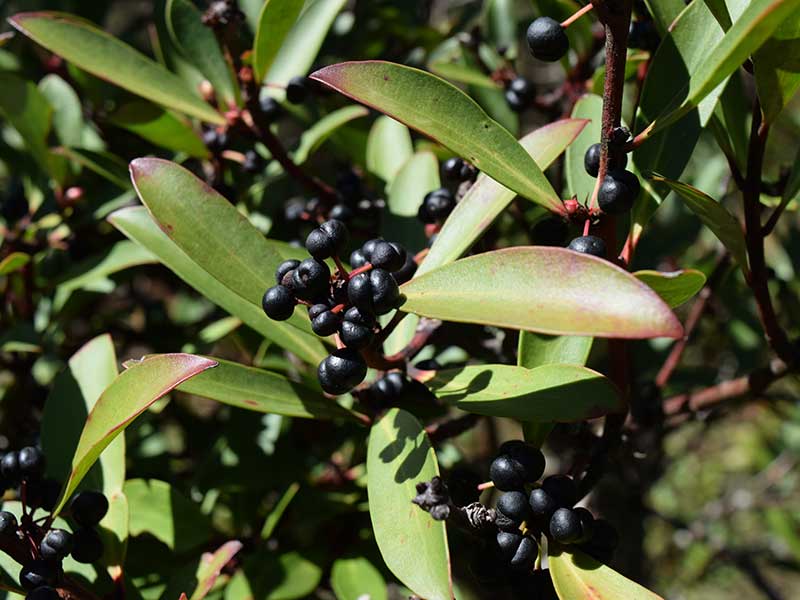
Small, creamy-white flowers appear in spring, followed by dark red to black berries that ripen in summer to autumn, providing food for wildlife and a bushfood harvest.
Traditional & Practical Uses
- Berries and leaves traditionally used by Indigenous Australians as a spice.
- Used in modern cuisine for sauces, marinades, and seasoning.
- Widely planted in native gardens, bushfood orchards, and for habitat creation.
When to Sow Tasmanian Pepperberry in Your Climate
| Climate Zone | Best Planting Time | Tips |
|---|---|---|
| Temperate | September–November | Warm spring soils improve germination and establishment. |
| Subtropical | April–June | Avoid peak heat and humidity during early growth. |
| Tropical | May–July | Best sown in the dry season with good airflow. |
| Cool | October–November | Sow after frosts have passed. |
| Arid | August–September | Time sowing to coincide with mild temperatures and rainfall. |
Reviews
There are no reviews yet.