
Genovese Basil
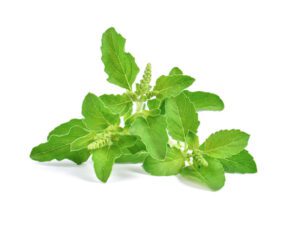
Genovese is the traditional choice when you want large green leaves, a sweet basil aroma and classic flavour for pesto, pasta, pizza and tomato dishes.






Basil seed buying guide
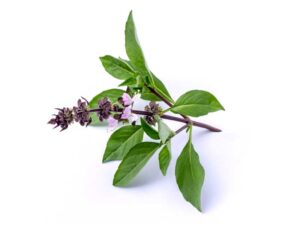
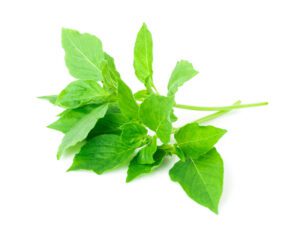
Basil is one of the most popular culinary herbs to grow from seed, with varieties ranging from traditional sweet Italian basil to Thai basil, citrus-scented lemon basil, compact Greek basil, purple-leaved types and aromatic Holy Basil or Tulsi.
Seedmart supplies basil seeds for home gardeners, kitchen gardens, restaurants, market gardeners and commercial herb growers throughout Australia. Choose smaller packets for household growing or larger quantities across selected varieties for repeated sowing and commercial production.
The best basil variety will depend on the flavour you want, how you intend to use the leaves, your available growing space and your local climate.
Grow basil for pesto, pasta, salads, curries, stir-fries, soups, teas, garnishes and fresh summer cooking.
Growing from seed gives you access to Italian, Thai, lemon, purple, compact and Holy Basil varieties that may be difficult to find as seedlings.
Regular picking encourages branching and allows established basil plants to produce fresh leaves repeatedly through the growing season.
Basil grows well in garden beds, raised beds, patio pots, balcony containers and productive kitchen gardens.
Basil thrives during warm, frost-free conditions and is an excellent spring and summer herb across much of Australia.
Choose smaller quantities for home gardens or larger packs across selected varieties for frequent and commercial sowing.
Basil varieties differ considerably in flavour, aroma, leaf colour, plant habit and culinary use. Choosing the right type is easier when you start with what you want to use the harvest for.
| Growing Goal | Recommended Basil | Why Choose It? |
|---|---|---|
| Traditional pesto | Genovese Basil | Large, tender and highly aromatic leaves with the traditional sweet basil flavour associated with Italian pesto. |
| Italian cooking | Genovese or Sweet Italian Basil | Excellent for pasta, pizza, tomato dishes, salads, sauces and fresh Mediterranean-style cooking. |
| Thai and Southeast Asian dishes | Thai Basil or Siam Queen | Distinctive sweet, spicy and anise-like flavour suited to curries, soups, noodle dishes and stir-fries. |
| Pad kra pao and stronger Thai flavour | Thai Holy Basil | More peppery and clove-like than Thai sweet basil and traditionally used in strongly flavoured Thai dishes. |
| Citrus flavour | Lemon Basil | Fresh lemon aroma suited to seafood, salads, teas, dressings, Asian dishes and summer cooking. |
| Small pots and compact spaces | Greek Basil | Forms compact plants with small aromatic leaves, making it particularly useful for pots, balconies and borders. |
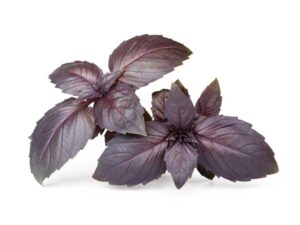
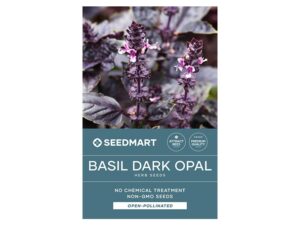
| Colour and ornamental appeal | Dark Opal Basil | Deep purple foliage provides strong colour contrast while remaining useful as a culinary herb and garnish. |
| Aromatic Tulsi | Green Holy Basil | Warm, clove-like aromatic foliage suited to herbal infusions, kitchen gardens, containers and pollinator plantings. |
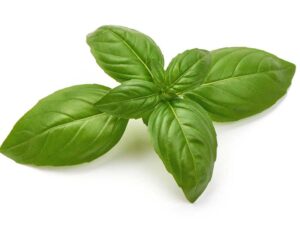
Genovese is the traditional choice when you want large green leaves, a sweet basil aroma and classic flavour for pesto, pasta, pizza and tomato dishes.
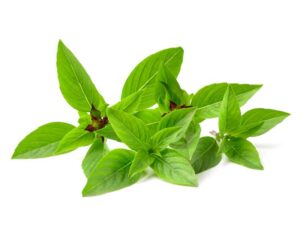
Thai basil combines sweetness with a distinctive anise or liquorice-like aroma. It is particularly suited to curries, noodle soups, stir-fries and Asian salads.
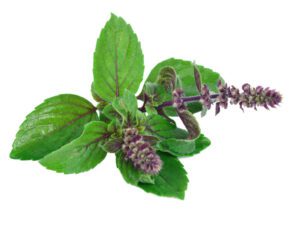
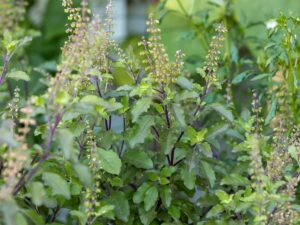
Holy Basil or Tulsi has a warmer, stronger and more peppery character than sweet basil, often with noticeable clove-like notes.
Lemon basil combines familiar basil flavour with a distinctive citrus fragrance that works particularly well with seafood, salads, teas and fresh summer dishes.
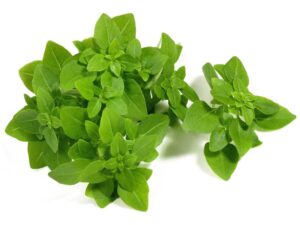
Greek basil forms compact plants with small leaves and concentrated basil flavour, making it an excellent choice for pots and small-space gardens.
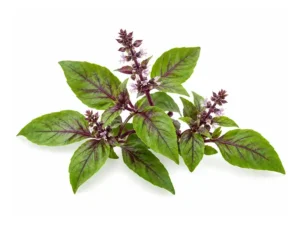
Dark Opal produces attractive purple foliage that adds colour to herb gardens, salads, garnishes and mixed plantings.
These three groups are sometimes confused, but they have noticeably different flavours and culinary uses.
| Basil Type | Typical Flavour | Best Uses |
|---|---|---|
| Sweet / Genovese Basil | Sweet, fragrant and traditionally basil-like | Pesto, pasta, pizza, tomato dishes, salads and Mediterranean cooking |
| Thai Basil | Sweet, aromatic and noticeably anise or liquorice-like | Thai curries, noodle soups, stir-fries and Southeast Asian dishes |
| Holy Basil / Tulsi | Peppery, spicy, strongly aromatic and often clove-like | Thai cooking, herbal infusions, aromatic gardens and traditional Tulsi growing |
Looking specifically for Holy Basil? Browse our Holy Basil and Tulsi seed collection, including green and red varieties.
Basil is a warm-season herb that grows rapidly when temperatures are suitable. It prefers warm soil, good light, adequate moisture and well-drained growing media.
| Growing Requirement | General Guide | What to Know |
|---|---|---|
| Sowing depth | Approximately 3–5 mm | Cover seeds lightly with fine soil or seed-raising mix rather than planting deeply. |
| Germination temperature | Approximately 18–25°C | Warm soil generally produces faster and more reliable germination than cold soil. |
| Germination time | Approximately 5–14 days | Timing varies with variety, temperature, moisture and growing conditions. |
| Position | Full sun | Strong light encourages compact plants and productive leaf growth. Light afternoon protection can help during extreme heat. |
| Plant spacing | Approximately 20–30 cm | Spacing varies according to variety and whether plants are being grown in beds, pots or commercial rows. |
| Watering | Regular and consistent | Keep actively growing plants adequately watered but avoid permanently saturated soil. |
| Harvest | Once plants are well established | Pick growing tips regularly to encourage branching and continued leaf production. |
These are general growing guides only. Climate, season, variety and local conditions can change germination and growth. Check individual product descriptions for variety-specific information.
Basil prefers warm conditions and is sensitive to frost. The ideal planting window therefore varies considerably between Australian climate zones.
Sow during spring and summer once frost risk has passed. Seeds can be started under protection before outdoor conditions are sufficiently warm.
Spring through summer is the main growing period. Wait until soil temperatures have warmed before direct sowing outdoors.
Basil can be grown through an extended warm season. Very cold winter conditions should be avoided, while excessive summer humidity may require additional airflow and careful watering.
Basil can be grown for much of the year where drainage and disease pressure are managed. Heavy rainfall and prolonged humidity can affect plant health.
Basil dislikes cold soil and frost. In cooler districts, waiting for genuinely warm spring conditions usually gives better establishment than sowing too early.
Basil is particularly well suited to container growing. A sunny patio, balcony, courtyard or kitchen garden can provide enough space for a productive supply of fresh leaves.
In garden beds, basil benefits from fertile soil containing organic matter, adequate spacing and regular moisture during active growth.
Smaller packs are suitable for kitchen gardens, pots, raised beds and customers wanting to grow several different basil varieties.
Larger quantities may provide better value for market gardeners, fresh-herb growers, nurseries and customers sowing basil regularly.
Choose basil by intended use rather than price alone. Genovese, Thai, Holy, Lemon, Greek and purple basils can differ substantially in flavour, plant habit and market appeal.
Regular harvesting helps keep basil productive. Rather than removing individual leaves continuously, harvesting growing tips can encourage the plant to branch and produce additional leafy stems.
Basil is primarily grown for its aromatic leaves, but plants allowed to flower can also become useful additions to pollinator-friendly gardens. The small flowers attract bees and other visiting insects during the warmer months.
If your main goal is culinary leaf production, flower stems are usually pinched out to keep plants producing tender vegetative growth. Alternatively, allow some plants to flower while continuing to harvest others.
Seed can be collected from suitable open-pollinated basil varieties by allowing healthy plants to flower and the seed heads to mature fully.
Stop pinching selected plants and allow flower spikes to develop naturally until the seed-bearing structures become mature and dry.
Collect mature flower stems during dry conditions before excessive seed is lost from the plant.
Separate the seed from dried plant material and store thoroughly dry seed in a labelled container in a cool, dry location.
Different basil varieties flowering together may cross. Appropriate isolation is needed where maintaining varietal purity is important.
Genovese basil is the traditional choice for pesto. It produces large, tender, aromatic green leaves with the familiar sweet basil flavour associated with Italian cooking.
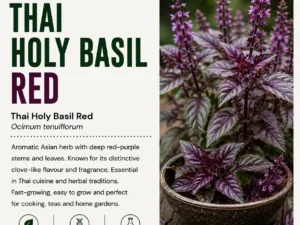
Thai basil generally has a sweeter flavour with a noticeable anise or liquorice character. Holy Basil, also known as Tulsi, is more strongly aromatic, peppery and clove-like. Thai Holy Basil is traditionally used in dishes such as pad kra pao.
Most basil varieties can be grown successfully in containers. Greek basil is particularly useful where space is limited because of its compact plant habit, while Genovese, Thai, Lemon and Holy Basil also perform well in suitably sized pots.
Basil is generally sown during warm, frost-free weather. Spring and summer are the main growing seasons in cool and temperate areas, while subtropical and tropical regions can have a considerably longer planting window.
Basil commonly germinates in approximately 5–14 days when seeds are sown shallowly and kept warm and consistently moist. Cold conditions can considerably slow germination.
Basil generally performs best with plenty of sunlight. In very hot Australian conditions, some protection from intense afternoon heat can be useful, particularly for plants growing in containers.
No. Basil seed can normally be sown directly into moist seed-raising mix or prepared soil without soaking. Sow shallowly and maintain consistent moisture while the seed germinates.
Removing developing flower shoots encourages the plant to continue producing vegetative growth and tender leaves. However, flowers can be left in place when growing basil for pollinators or when saving seed.
Yes, but basil requires strong light to remain compact and productive. A bright sunny position or suitable supplementary growing light is generally required for successful long-term indoor production.
Yes. Tulsi is a commonly used name for Holy Basil, particularly plants belonging to Ocimum tenuiflorum. Different forms of Tulsi can vary in leaf colour, aroma, flavour and customary use.
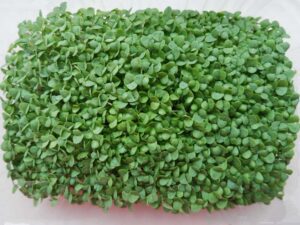
Yes. Suitable untreated basil seed can also be grown as microgreens. Basil is slower than many common microgreen crops and is usually grown for its distinctive aroma and flavour rather than rapid crop turnover.
Keep unused seed in a cool, dry and stable environment away from moisture, heat and direct sunlight. Seed longevity depends on the variety, seed lot and storage conditions.
Growing Holy Basil? Read our Thai Holy Basil growing guide for more detailed information about Holy Basil, Tulsi, sowing, harvesting and the differences between Holy Basil and Thai sweet basil.
Basil seed for Australian growers
Seedmart supplies basil seeds for home herb gardens, pots, raised beds, restaurants, market gardens and commercial herb production. Choose from traditional Genovese basil, Thai varieties, Lemon Basil, Greek Basil, Dark Opal and aromatic Holy Basil or Tulsi.
Pack sizes vary by variety, with larger quantities available across selected lines. Review the individual product pages above for current pack sizes, treatment status and variety-specific growing information before ordering.