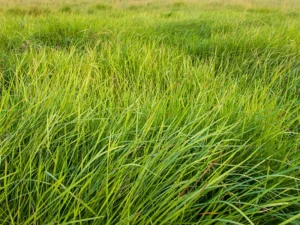
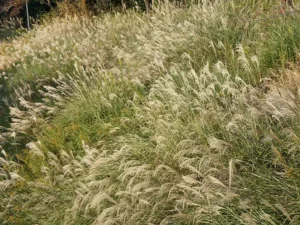
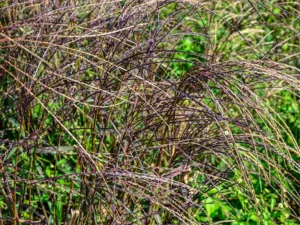
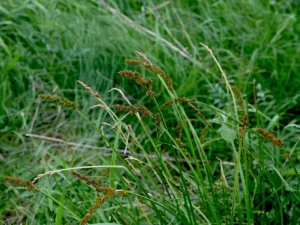
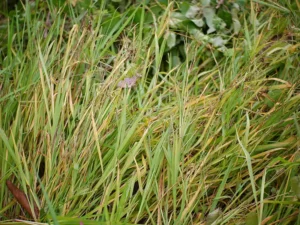
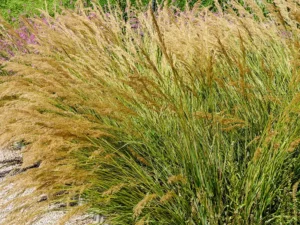
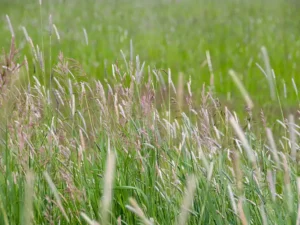
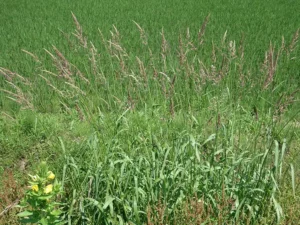
Seedmart supplies Australian native grass seeds for home gardeners, landscapers, nurseries and revegetation projects throughout Australia. Our range includes Weeping Grass, and Kangaroo Grass, alongside Common Tussock Grass and grass-like natives such as Spiny-headed Mat-rush. Pack sizes vary by variety, with options for small garden plantings and larger landscape projects.
Native grasses bring texture, movement and lasting groundcover to Australian gardens and landscapes. Selected varieties can be grown as native lawns, while others form attractive tussocks suited to garden borders, habitat plantings and naturalistic landscapes. Whether you’re establishing a soft lawn, adding hardy foliage to a native garden or planning a revegetation planting, you’ll find seed options to suit a range of growing conditions.
$9.99–$24.99Price range: $9.99 through $24.99 AUD incl gstSelect options
This product has multiple variants. The options may be chosen on the product page
$12.99–$499.99Price range: $12.99 through $499.99 AUD incl gstSelect options
This product has multiple variants. The options may be chosen on the product page
$6.99–$14.99Price range: $6.99 through $14.99 AUD incl gstSelect options
This product has multiple variants. The options may be chosen on the product page
$14.99–$599.99Price range: $14.99 through $599.99 AUD incl gstSelect options
This product has multiple variants. The options may be chosen on the product page
$12.99–$69.99Price range: $12.99 through $69.99 AUD incl gstGet notified
This product has multiple variants. The options may be chosen on the product page
$9.99–$59.99Price range: $9.99 through $59.99 AUD incl gstSelect options
This product has multiple variants. The options may be chosen on the product page
$9.99–$979.99Price range: $9.99 through $979.99 AUD incl gstSelect options
This product has multiple variants. The options may be chosen on the product page
$12.99–$79.99Price range: $12.99 through $79.99 AUD incl gstSelect options
This product has multiple variants. The options may be chosen on the product page
$9.99–$39.99Price range: $9.99 through $39.99 AUD incl gstSelect options
This product has multiple variants. The options may be chosen on the product page
$9.99–$44.99Price range: $9.99 through $44.99 AUD incl gstSelect options
This product has multiple variants. The options may be chosen on the product page
$9.99–$49.99Price range: $9.99 through $49.99 AUD incl gstSelect options
This product has multiple variants. The options may be chosen on the product page
$14.99–$279.99Price range: $14.99 through $279.99 AUD incl gstSelect options
This product has multiple variants. The options may be chosen on the product page
$54.99–$349.99Price range: $54.99 through $349.99 AUD incl gstSelect options
This product has multiple variants. The options may be chosen on the product page
Native grass seed buying guide
Choose the Right Australian Native Grass Seeds
Australian native grasses offer practical options for lawns, garden borders, habitat plantings and larger landscapes. Their foliage, seed heads and varied growth habits can create anything from a soft, mown groundcover to an informal planting of tall, flowing tussocks.
Seedmart supplies native grass seeds for home gardeners, landscapers, nurseries and customers planning suitable revegetation projects. The range includes lawn-forming Weeping Grass, ornamental Kangaroo Grass, substantial Common Tussock Grass and grass-like natives such as Spiny-headed Mat-rush.
The best choice depends on your climate, soil, available moisture and intended use. Start by deciding whether you want a lawn, individual landscape plants or a mixed native planting.
Why Grow Native Grasses?
↻
Perennial Groundcover
Suitable perennial species provide lasting vegetation and can persist for many years where growing conditions meet their needs.
□
Native Lawn Options
Weeping Grass offers an Australian native option for mown lawns, including suitable areas receiving partial shade.
✦
Texture and Movement
Fine leaves, rounded tussocks and seasonal seed heads add interest to borders, mass plantings and naturalistic gardens.
+
Habitat Structure
Native grass plantings can provide shelter for insects and small animals, especially when combined with other locally appropriate native plants.
↓
Soil Protection
Established roots and ground-level vegetation can help protect exposed soil in appropriately designed landscape and revegetation plantings.
✓
Practical Landscape Choices
Match the species to your site to create useful plantings for sunny gardens, shaded areas, cooler climates or seasonally dry conditions.
Native Grass Seeds for Different Growing Goals
Native grasses vary considerably in height, growth habit and moisture requirements. A species suited to a mown lawn may perform very differently from one grown for tall tussocks or ornamental seed heads.
Growing Goal
Varieties to Consider
Why Choose Them?
Australian native lawn
Weeping Grass and Griffin Weeping Grass
Soft foliage and tolerance of mowing. Griffin is a selected lawn form with a low-growing habit.
Lawn areas receiving partial shade
Weeping Grass and Griffin Weeping Grass
Useful where reduced sunlight limits some conventional lawn grasses, provided sufficient moisture is available.
Ornamental seed heads
Kangaroo Grass
Distinctive reddish-brown seed heads and seasonal foliage colour for naturalistic gardens.
Large landscape tussocks
Common Tussock Grass
Substantial clumps provide structure and movement, particularly in cooler areas with reasonably reliable moisture.
Grass-like foliage for mass planting
Spiny-headed Mat-rush
Dense clumps of strap-shaped leaves suit garden borders and landscape plantings. Mat-rush is a grass-like perennial rather than a true grass.
Seasonally dry garden positions
Kangaroo Grass
Established plants need relatively little water where the species is suited to the local climate and site.
Habitat and revegetation plantings
Locally appropriate native grasses and grass-like species
Choose species and seed provenance that match the local vegetation community and project requirements.
Explore Native Grasses by Growth Habit
Native Lawn
Weeping Grass
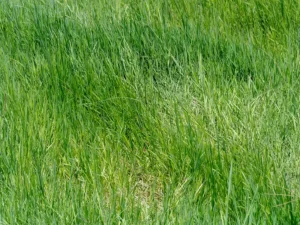
Microlaena stipoides produces fine, soft foliage and can be maintained as a mown native lawn. It is particularly useful in suitable temperate gardens and areas receiving partial shade.
Best for: Native lawns, informal groundcover and suitable shaded garden areas.
Growing notes: Prepare a clean seedbed, maintain moisture during establishment and allow seedlings to develop before mowing or regular foot traffic.
Selected Lawn Form
Griffin Weeping Grass
Microlaena stipoides ‘Griffin’ is a selected form of Weeping Grass grown for its fine foliage and low-growing habit. It suits customers looking specifically for a native lawn option.
Best for: Mown native lawns and suitable landscapes where a shorter groundcover is preferred.
Growing notes: Use the lawn sowing guidance on the product page. Weed control and reliable early watering are important for developing even coverage.
Ornamental Grass
Kangaroo Grass
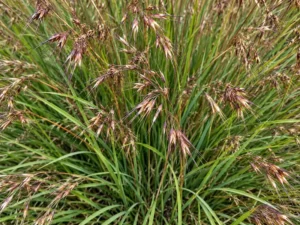
Themeda triandra forms upright clumps with distinctive reddish-brown seed heads. Its seasonal colour and natural form make it attractive in native gardens and meadow-style plantings.
Best for: Ornamental borders, habitat gardens and suitable native grassland plantings.
Growing notes: Choose a sunny to partly shaded position. Seed dormancy can affect germination, so follow the instructions supplied for the seed rather than expecting rapid, uniform emergence.
Landscape Tussocks
Common Tussock Grass
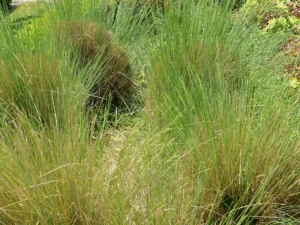
Poa labillardierei forms substantial tussocks with fine flowering stems. It provides a strong landscape presence in repeated groups, broad drifts and mixed native plantings.
Best for: Cool-climate gardens, mass plantings and suitable sites with reasonably reliable soil moisture.
Growing notes: Allow space for mature clumps and avoid treating it as a close-mown lawn grass. Provide moisture while young plants establish.
Grass-like Native
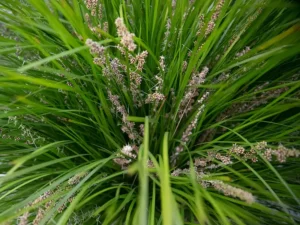
Spiny-headed Mat-rush
Lomandra longifolia is a tufted native perennial with long, strap-shaped leaves. Although it resembles a grass, it belongs to a different plant family.
Best for: Garden borders, mass landscaping and suitable embankment or revegetation plantings.
Growing notes: Raise seedlings in trays or tubes for controlled placement. Keep the growing medium moist during germination and allow time for variable emergence.
Native Lawns vs Tussock Plantings
Deciding how you want to use the area will help narrow your choice. A lawn needs a grass that tolerates mowing, while a tussock planting is usually allowed to develop its natural height and shape.
Native Lawns
Tussock and Landscape Plantings
Use lawn-suitable species or selections such as Weeping Grass and Griffin Weeping Grass.
Choose species such as Kangaroo Grass, Common Tussock Grass or grass-like Mat-rush according to the site.
Usually established to create relatively continuous, shorter groundcover.
Often planted as individual clumps, groups or mixed native communities.
Mowing helps maintain the preferred height and appearance.
Maintenance may include occasional removal of old foliage or species-appropriate cutting back.
Allow sufficient establishment before regular use and assess suitability for expected foot traffic.
Use paths or stepping stones where access through the planting is needed.
Seed quantities depend on the species, seed form and required lawn density.
Seed quantities depend on the propagation method, spacing and desired plant coverage.
Choose lawn seed by its intended use. Kangaroo Grass and Common Tussock Grass are generally better suited to naturalistic or landscape plantings than to a short, regularly mown household lawn.
Growing Native Grasses from Seed
Native grasses can be established by direct sowing or raised in trays and tubes before planting out. The most practical method depends on the species, area to be planted and level of control needed during establishment.
Direct Sowing
Direct sowing can suit native lawns and some larger grass plantings where the site can be prepared and managed carefully.
Remove competing weeds before sowing
Prepare the seedbed to suit the species and seed form
Distribute seed evenly at an appropriate sowing rate
Maintain moisture and monitor weed growth during establishment
Trays and Forestry Tubes
Raising seedlings first provides greater control over plant numbers and placement in borders, mass plantings and smaller revegetation areas.
Use clean containers and a suitable seed-raising medium
Follow species-specific sowing and treatment instructions
Allow seedlings to develop a useful root system
Plant out before roots become congested and water plants in well
General Native Grass Establishment Method
Choose a species suited to the site.
Match the plant to your climate, sunlight, soil moisture and intended use.
Control existing weeds.
Reduce competition before sowing or planting. Young native seedlings can be overtaken by faster-growing weeds.
Check the seed instructions.
Sowing depth, seed preparation and germination behaviour vary between species.
Sow into a prepared seedbed or propagation medium.
Ensure suitable seed-to-soil contact and avoid burying seed more deeply than recommended.
Maintain reliable early moisture.
Keep the seed zone moist during germination without prolonged waterlogging.
Protect developing plants.
Continue weed control and limit trampling or disturbance while roots and foliage develop.
Manage the planting for its purpose.
Begin mowing lawn grasses once established, or allow landscape tussocks to develop their natural form.
Drought tolerance develops with establishment. Even species that cope with dry conditions as mature plants need suitable moisture while germinating and developing their root systems.
Choosing Seed for Landscaping and Revegetation
Native grass seed can contribute to garden landscapes, habitat plantings and ecological restoration. For larger projects, species selection should reflect the site’s conditions and the vegetation you are aiming to establish.
Species Suitability
Check whether the species belongs in the local area and whether it suits the site’s soil, climate and moisture conditions.
Seed Provenance
Restoration projects may specify where seed must originate. Confirm provenance requirements before selecting or ordering seed.
Seed Form and Quality
Cleaned seed, awned seed and florets handle differently. Compare the supplied seed form and available quality information when planning sowing quantities.
Establishment Planning
Allow for site preparation, weed control, watering and follow-up maintenance. Successful establishment depends on more than seed selection alone.
Check project specifications before ordering. Mining rehabilitation, civil construction and ecological restoration projects may require particular species, provenance records and seed test documentation. Confirm that the proposed seed meets those requirements before purchase.
Frequently Asked Questions
Which Australian native grass is suitable for a lawn?
Weeping Grass and Griffin Weeping Grass are options for suitable native lawns. Griffin is a selected lawn form with fine foliage and a low-growing habit. Consider your climate, available moisture, sunlight and expected foot traffic before choosing.
Can native grasses grow in partial shade?
Some can. Weeping Grass is particularly useful in suitable partly shaded areas. Common Tussock Grass and Spiny-headed Mat-rush can also grow in partial shade where other site conditions meet their needs.
Are all native grasses drought tolerant?
No. Moisture requirements vary between species. Kangaroo Grass can need relatively little water once established, while Common Tussock Grass generally performs best with more reliable moisture. All newly sown plants need suitable moisture during establishment.
Can Kangaroo Grass be grown as a lawn?
Kangaroo Grass is generally better suited to informal grassland, ornamental and habitat plantings where its clumping habit and seed heads can develop. For a shorter, regularly mown native lawn, consider Weeping Grass or Griffin Weeping Grass.
Is Spiny-headed Mat-rush a true grass?
No. Spiny-headed Mat-rush, Lomandra longifolia, is a grass-like native perennial belonging to the family Asparagaceae. Its tufted foliage makes it useful alongside true grasses in native landscape plantings.
When should I sow native grass seeds?
The best time depends on the species and your local climate. Choose a period with suitable soil temperatures and enough moisture for establishment. Follow the individual product instructions rather than using one sowing season for every native grass.
How long do native grass seeds take to germinate?
Germination varies with species, seed dormancy, temperature and moisture. Some seeds emerge relatively promptly under suitable conditions, while others germinate over a longer period. Kangaroo Grass can have seed dormancy, so emergence may be uneven.
How much native grass seed do I need?
The quantity depends on the species, seed form, area and planting purpose. A dense lawn requires a different sowing approach from spaced landscape tussocks or revegetation. Check the product guidance and calculate quantities for your intended method.
Can I scatter native grass seed over an existing lawn?
Simply scattering seed into dense existing turf is unlikely to establish an even native planting. Existing grass competes for light, water and nutrients, and can prevent seed from reaching the soil. Prepare the area and reduce competition before sowing.
Can these seeds be used for revegetation projects?
Selected species may suit revegetation where they match the local vegetation community and site conditions. Check any provenance, seed quality and documentation requirements before ordering for a specified restoration or rehabilitation project.
Native Grass Seeds to Explore
Weeping Grass Seeds Soft native grass for suitable lawns, groundcover and partly shaded areas.
Native grass seed for Australian gardens and landscapes
Grow a Native Lawn or Landscape from Seed
Seedmart supplies native grass and grass-like seed options for household gardens, landscaping and suitable revegetation plantings. Choose lawn-forming grasses for softer groundcover or taller tussock species for texture, movement and habitat structure.
Review the individual product pages for pack sizes, sowing guidance and species-specific growing information before ordering.