

Bunch Speargrass Grass Seeds
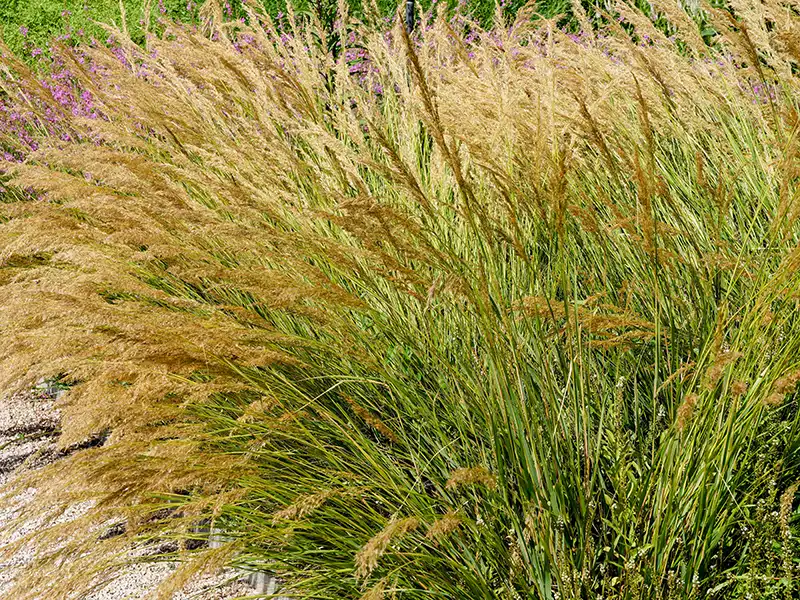
Grow an Australian native perennial grass suited to naturalistic landscapes, grassy woodland plantings and appropriate revegetation projects. Bunch Speargrass (Heteropogon contortus), also known as Black Speargrass, forms upright tussocks with narrow leaves and distinctive seed heads bearing long, twisted awns.
This warm-season grass occurs naturally in parts of Queensland, New South Wales, the Northern Territory and Western Australia. It is particularly associated with tropical and subtropical grasslands, open forests and grassy woodlands.
Bunch Speargrass Seed Details
| Botanical name | Heteropogon contortus |
|---|---|
| Common names | Bunch Speargrass, Black Speargrass, Speargrass |
| Family | Poaceae |
| Plant type | Australian native warm-season perennial grass |
| Growth habit | Tufted, upright and tussock-forming |
| Approximate height | Commonly approximately 0.3–1.5 m; size varies with provenance and conditions |
| Foliage | Narrow green leaves that dry to straw-brown as growth matures or conditions become dry |
| Seed heads | Slender seed heads with dark, twisted awns and sharply pointed seed units |
| Flowering period | Timing varies with location, rainfall and provenance; flowering commonly occurs during the warmer growing season |
| Position | Full sun to light shade |
| Soil | A range of suitably drained soils, including sandy loams and clay loams |
| Uses | Naturalistic landscapes, grassy woodland restoration, native grassland plantings and suitable revegetation projects |
Why Grow Bunch Speargrass?
- Australian native grass with a distinctive upright tussock habit.
- Provides seasonal texture and structure in naturalistic plantings.
- Useful for restoring suitable grassy woodland and grassland communities.
- Adapted to warm growing seasons and seasonal dry periods.
- Can grow in open positions and light woodland shade.
- Can contribute perennial vegetation to appropriately designed revegetation plantings.
How to Grow Bunch Speargrass from Seed
Bunch Speargrass seed can exhibit dormancy, particularly when freshly harvested. Germination depends on seed age, processing, temperature and moisture, so emergence may be uneven.
- Check the supplied seed guidance. Follow any batch-specific instructions for seed preparation and dormancy management.
- Prepare the growing medium. Use clean, free-draining seed-raising mix in trays or tubes, or a prepared seedbed free of competing weeds.
- Sow shallowly. Cover lightly and avoid sowing deeper than approximately 10 mm.
- Water gently. Settle the seed without washing it away.
- Maintain suitable warmth and moisture. Keep the seed zone moist without prolonged waterlogging.
- Monitor emergence. Allow for variable germination rather than expecting every seed to emerge together.
- Establish seedlings carefully. Harden tray-grown plants gradually and water after planting out.
Bunch Speargrass for Landscaping
Bunch Speargrass suits informal planting schemes where upright native tussocks and seasonal seed heads are desired. Place it in groups within suitable native landscapes, allowing room for its mature growth.
It is better suited to naturalistic plantings than a short, regularly mown lawn.
Bunch Speargrass for Revegetation and Woodland Restoration
Bunch Speargrass can be included in restoration projects where it forms part of the local vegetation community. Species choice, seed provenance and establishment methods should match the site and project specifications.
For mining rehabilitation or civil construction projects, confirm any seed quality, provenance and documentation requirements before ordering.
Seasonal Growth and Seed Heads
Active growth occurs when warmth and soil moisture are available. Plants may become dormant and foliage may dry during cooler or drier periods.
The long awns twist as they dry and change shape with moisture. This movement, together with the pointed seed tip, assists natural seed burial.
Where to Grow Bunch Speargrass
- Suitable warm-climate native landscapes.
- Naturalistic grass plantings.
- Open grassy woodland plantings.
- Locally appropriate grassland restoration.
- Revegetation areas matching the species and provenance requirements.
When to Sow Bunch Speargrass Seeds in Australia
Choose warm conditions with reliable moisture for establishment. The following are general planning guides rather than fixed sowing dates.
| Climate Zone | Suitable Sowing Period | Growing Notes |
|---|---|---|
| Cool | Late spring to early summer, where locally suitable | Confirm suitability for the site and protect young plants from frost. |
| Temperate | Spring to early summer after soil warms | Allow establishment during the warm growing season. |
| Subtropical | Spring to summer with reliable rainfall or irrigation | Avoid allowing the seedbed to dry between watering or rainfall events. |
| Tropical | Around the onset of reliable wet-season conditions | Avoid sowing immediately before heavy rain likely to wash seed away. |
| Arid / Semi-arid | Warm periods with dependable establishment moisture | Confirm local suitability and provide follow-up watering where required. |
Tips for Growing Bunch Speargrass Successfully
- Control competing weeds before sowing.
- Follow the instructions for the supplied seed batch.
- Sow shallowly into a suitably drained medium.
- Maintain moisture during germination and early establishment.
- Allow for delayed or uneven emergence.
- Handle awned seed carefully.
- Match seed provenance to restoration requirements.
Frequently Asked Questions
What is Bunch Speargrass?
Bunch Speargrass is Heteropogon contortus, a perennial tussock grass also known as Black Speargrass.
Is Bunch Speargrass suitable for a lawn?
It is better suited to naturalistic landscapes and appropriate restoration plantings than closely mown household lawns.
Does Bunch Speargrass grow in shade?
It tolerates light shade, including suitable open woodland conditions. Full sun to light shade is preferable to dense shade.
Does the seed germinate quickly?
Not always. Dormancy, seed age and growing conditions can affect both the timing and uniformity of emergence.
Can it be used for revegetation?
Yes, where the species and supplied provenance are appropriate to the local vegetation community and project requirements.
Does it stay green throughout the year?
Not necessarily. Foliage can dry and growth can become dormant during cooler or drier periods.
Grow Bunch Speargrass from Seed
Choose Bunch Speargrass for upright native tussocks and suitable grassy woodland or landscape plantings. Prepare the site carefully, follow the supplied seed guidance and maintain moisture while young plants establish.
Reviews
There are no reviews yet.