
Couch Grass
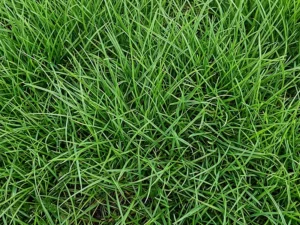
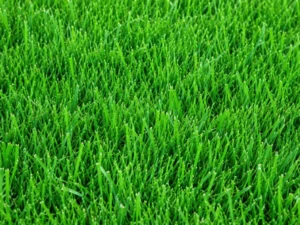
Couch is a fine-leaved warm-season grass suited to sunny lawns. Once established under suitable conditions, it can develop into a dense turf and respond well to regular mowing.
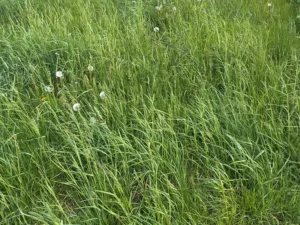
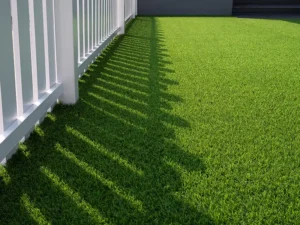


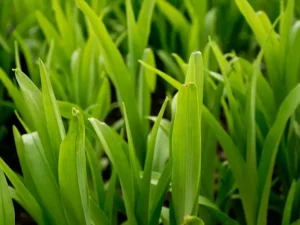





Lawn seed buying guide
Growing a lawn from seed can be an economical way to establish new grass, repair bare areas or improve an existing lawn. The right seed will depend on your climate, sunlight, soil, available irrigation, desired appearance and how the area will be used.
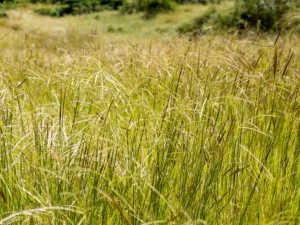
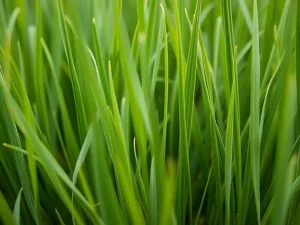
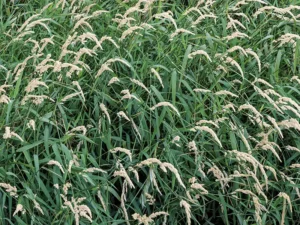
Seedmart supplies lawn seeds for Australian home gardens, landscaping projects and larger grassed areas. Choose from Couch Grass for a fine-textured warm-season lawn, Dichondra repens for a low-growing lawn alternative, or a Premium Turf Lawn Grass blend for broader lawn establishment.
Before choosing lawn seed, consider how much sun the area receives, your local temperatures, access to water and the amount of wear the finished lawn will receive.
Seed can be a practical option for establishing lawns and grassed areas where laying turf would require substantial quantities.
Growing from seed can reduce the initial material cost compared with purchasing established turf for the same area.
Suitable grass seed can be used to establish new areas or repair bare and damaged sections of compatible lawns.
Warm-season grasses such as Couch are well suited to sunny conditions across many parts of Australia.
Choose between traditional fine-leaved turf grass and lower-growing alternatives such as Dichondra.
Pack sizes across selected products allow seed to be purchased for smaller repairs, home lawns or larger planting projects.
There is no single lawn seed that is best for every property. The right choice depends on the site and the type of lawn or groundcover you want to establish.
| Growing Goal | Recommended Seed | Why Choose It? |
|---|---|---|
| Fine traditional lawn | Couch Grass | Produces a fine-textured warm-season turf that can form a dense lawn under suitable growing conditions. |
| Sunny locations | Couch Grass | Couch performs best with good sunlight and is widely grown in warm Australian conditions. |
| Low-growing lawn alternative | Dichondra repens | Forms a soft, creeping groundcover with small rounded leaves rather than conventional grass blades. |
| Lightly used areas | Dichondra repens | Useful where a low-growing green groundcover is wanted and heavy foot traffic is not the main requirement. |
| General lawn establishment | Premium Turf Lawn Grass | A blended option designed to provide broader establishment characteristics rather than relying on a single grass type. |
| Repairing bare areas | Match the existing lawn where possible | Using compatible seed helps repaired sections blend more successfully with the surrounding lawn. |
Couch is a fine-leaved warm-season grass suited to sunny lawns. Once established under suitable conditions, it can develop into a dense turf and respond well to regular mowing.
Dichondra is not a true grass. It forms a low-growing mat of small rounded leaves and can be used as an alternative lawn or groundcover in suitable locations.
A lawn seed blend can combine the characteristics of different grasses and provide an alternative to establishing a lawn from a single species.
Couch and Dichondra can both create green groundcover, but they produce very different finished surfaces and should not be treated as interchangeable lawn plants.
| Couch Grass | Dichondra repens |
|---|---|
| A true warm-season turf grass. | A creeping broadleaf groundcover rather than a true grass. |
| Produces fine, narrow grass blades. | Produces small, rounded green leaves. |
| Best suited to areas receiving good sunlight. | Can suit sun to partially shaded locations depending on climate and growing conditions. |
| Suitable for a conventional mown lawn appearance. | Creates a softer, informal groundcover appearance. |
| Can tolerate regular mowing once established. | Can be kept low but generally requires less conventional lawn-style mowing. |
| Better suited where a traditional turf surface is required. | Better suited to ornamental and lower-traffic areas. |
Dichondra is not a direct substitute for hard-wearing turf. It is best considered a low-growing lawn alternative or groundcover for areas where appearance and coverage are more important than resistance to frequent heavy traffic.
The amount of direct sunlight reaching the site is one of the most important considerations. Couch generally performs best in sunny locations, while other groundcovers may tolerate some partial shade.
Warm-season grasses become most active as soil temperatures rise. Local winter temperatures, frost and summer heat can all influence establishment and seasonal appearance.
Newly sown lawn seed requires reliable moisture during germination and early establishment. Sites that cannot be watered consistently can be difficult to establish successfully.
Consider whether the lawn will be mainly ornamental or regularly used by children, pets and people. Not every lawn species has the same wear tolerance.
Good seed-to-soil contact, suitable soil structure and adequate drainage help young roots establish. Compacted or poorly drained sites should be prepared before sowing.
Different lawns vary in mowing, watering and feeding requirements. Choose a lawn that suits the level of maintenance you are prepared to provide.
The best sowing period depends on the grass species and local climate. Warm-season lawn grasses generally establish most successfully when soil temperatures are warm and active growth can continue for long enough to develop a strong root system.
For grasses such as Couch, spring and summer are generally the main establishment periods across much of Australia.
Calendar dates alone do not determine whether lawn seed will establish successfully. Conditions can vary substantially between Australian regions.
Do not judge lawn establishment by air temperature alone. Soil temperature is particularly important for warm-season grasses. Sowing too early into cold soil can result in slow or uneven germination.
Good site preparation is one of the most important parts of establishing a lawn from seed. Fine seed needs close contact with moist soil to germinate and develop a reliable root system.
Reduce existing weeds and unwanted vegetation before sowing so young lawn seedlings are not immediately competing for light, water and nutrients.
Hard or compacted surfaces should be cultivated sufficiently to create a suitable rooting zone while maintaining a stable finished surface.
Remove large stones and debris and correct major depressions or high points before sowing. A reasonably even surface makes establishment and later mowing easier.
The upper soil layer should be fine enough for small seed to make good contact without being buried deeply beneath large clods.
Even seed distribution matters. Applying too much seed does not necessarily create a better lawn. Excessive density can increase competition between seedlings, while insufficient seed can leave gaps that are vulnerable to weeds.
Water management is particularly important during germination. Newly sown seed is positioned close to the soil surface, where it can dry quickly during warm, sunny or windy conditions.
Germination time varies considerably between lawn species and is affected by soil temperature, moisture, sowing depth and seedbed preparation. Warm-season grasses can be particularly slow when soil temperatures are below their preferred range.
| Stage | What to Expect | Important Considerations |
|---|---|---|
| Germination | The first seedlings begin emerging once moisture and temperature requirements are met. | Do not allow the surface to dry while germination is underway. |
| Early establishment | Young seedlings begin developing leaves and roots but remain vulnerable to drying and disturbance. | Limit traffic and continue careful watering. |
| Coverage | Plants begin expanding and filling gaps as roots and shoots develop. | The rate depends strongly on species, season, soil fertility and growing conditions. |
| Established lawn | The grass becomes increasingly able to tolerate normal mowing and use. | A seeded lawn takes considerably longer to establish than instant turf. |
Germination and establishment times vary substantially. Check the individual lawn seed product page for more specific sowing rates and variety information.
Small bare or thinning areas can often be repaired with seed where the existing lawn type is compatible. Simply scattering seed over compacted or dead turf, however, usually produces poor seed-to-soil contact.
There is no single lawn grass that is best throughout Australia. Climate, sunlight, soil, rainfall, irrigation, traffic and preferred appearance all influence the right choice. Couch is a useful warm-season option for sunny sites, while Dichondra provides a very different low-growing groundcover alternative.
Couch grass is well suited to sunny locations and warm growing conditions. Adequate water is particularly important while a newly seeded Couch lawn is establishing.
No. Dichondra repens is a creeping broadleaf plant rather than a true grass. It produces small rounded leaves and forms a low-growing groundcover that can be used as an alternative to a conventional lawn in suitable areas.
Dichondra can create an attractive lawn-like groundcover, particularly in lower-traffic areas, but it does not have the same appearance or wear characteristics as conventional turf grass. Consider how the area will be used before choosing it.
Couch is a warm-season grass and is generally best sown once soil temperatures have warmed and there is sufficient warm weather remaining for establishment. Spring through summer is the main sowing period across many Australian regions.
It is possible to repair or overseed compatible lawn areas, but the seed needs contact with soil to establish reliably. Rake away dead material, expose the soil surface and correct compaction or other underlying problems before sowing.
Newly sown seed should be kept consistently moist during germination. The exact watering frequency depends on temperature, wind, soil and rainfall, so there is no universal schedule. Light watering may be required more frequently during hot or windy weather.
Fine lawn seed should generally not be buried deeply. Good seed-to-soil contact is important, so seed may be lightly raked or pressed into a prepared surface according to the requirements of the particular grass.
Common causes include soil that is too cold, insufficient or inconsistent moisture, seed being buried too deeply, poor seed-to-soil contact, erosion, unsuitable site conditions or simply not allowing enough time for the species being grown.
Traffic should be minimised while lawn seedlings are germinating and establishing. Young plants have small root systems and can be easily displaced or damaged before the lawn develops sufficient density.
Seed generally has a lower initial material cost than established turf, particularly over larger areas. However, a seeded lawn takes longer to establish and requires careful site preparation, watering and weed management during the establishment period.
Lawn seed for Australian gardens
Seedmart supplies lawn seed for home lawns, landscaping, lawn repairs and larger grassed areas throughout Australia. Choose Couch Grass for fine warm-season turf, Dichondra repens for a low-growing lawn alternative, or Premium Turf Lawn Grass for general lawn establishment.
Review the individual product pages above for current pack sizes, sowing rates and variety-specific growing information before ordering.