
Cool to Mild Conditions
Turnip and swede seed germinates readily under cool to mild temperatures.
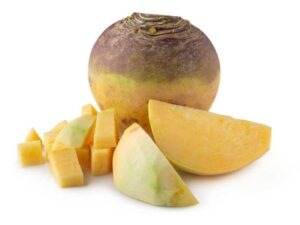
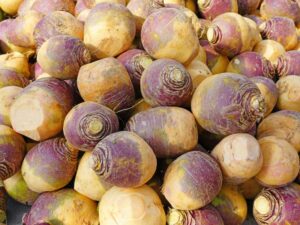
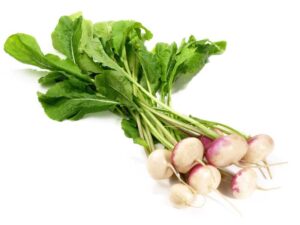
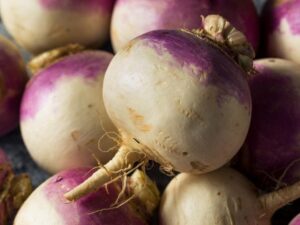
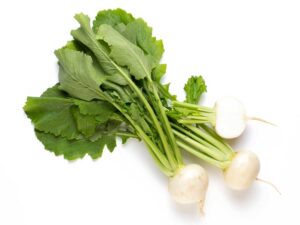
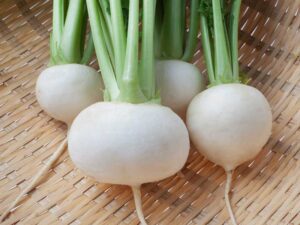
Turnip and swede seed buying and growing guide
Turnips and swedes are cool-season brassica vegetables grown primarily for their enlarged edible roots. Although they are closely related and sometimes confused with one another, they differ in maturity, root size, flesh colour, flavour and preferred growing period.
Seedmart supplies turnip and swede seeds in Australia for backyard gardeners, container growers, market gardeners and commercial vegetable producers. The range includes fast Japanese turnips, traditional purple-top turnips and golden-fleshed swedes suited to longer cool-season production.
The best variety will depend on your local climate, planting season, available soil depth, preferred root size and whether you require tender young turnips, mature storage roots or edible turnip greens.
Many turnip varieties can produce young usable roots within approximately five to eight weeks.
Turnips and swedes perform best during cool to mild weather and suit autumn and winter planting in many regions.
Turnips can provide both edible roots and young leafy tops from the same planting.
Small batches of turnips can be sown regularly for an extended harvest period.
Grow smaller turnips in raised beds and pots or use deeper soil for large swede roots.
Choose smaller packs for household growing or larger quantities for market and commercial production.
Turnips and swedes should be selected according to root size, maturity, planting season and intended market. Quick Japanese turnips suit tender young harvesting, while swedes require more space and a substantially longer growing period.
| Growing Goal | Variety or Type to Consider | Why Choose It? |
|---|---|---|
| Fast tender roots | Japanese Tokyo Market Turnip | Produces smooth white roots suited to young harvesting and quick cool-season crops. |
| Traditional purple-top roots | Purple Top Milan Turnip | Produces familiar flattened roots with purple colouring around the exposed shoulder. |
| Larger golden-fleshed roots | Aspen Swede | Requires a longer growing period and develops a denser root suited to mature harvesting. |
| Container growing | Japanese and smaller-rooted turnips | Require less soil depth and mature more quickly than full-sized swedes. |
| Young leafy greens | Turnip varieties | Young leaves can be harvested selectively while allowing sufficient foliage for root growth. |
| Successive fresh-market crops | Fast turnip varieties | Small sowings can be staggered to provide roots over a longer harvest window. |
| Longer cool-season production | Swede | Larger roots and slower maturity suit growers planning an extended autumn or winter crop. |
| Turnip | Swede | Rutabaga |
|---|---|---|
| Usually classified as Brassica rapa subsp. rapa. | Usually classified as Brassica napus var. napobrassica. | The North American name commonly used for swede. |
| Generally produces smaller and faster-maturing roots. | Generally produces larger, denser and slower-maturing roots. | Refers to the same general vegetable sold as swede in Australia. |
| Flesh is commonly white, although varieties differ. | Flesh is commonly cream to yellow or golden. | Flesh and root characteristics depend on the particular swede variety. |
| Often harvested young for a mild flavour and tender texture. | Usually allowed to develop into a substantial mature root. | Normally harvested as a mature root crop. |
| Young leaves are commonly harvested as turnip greens. | Leaves are edible but are usually not the main crop. | The same general uses apply as for swede. |
Swede and rutabaga refer to the same general vegetable. Swede is the standard Australian and British name, while rutabaga is more commonly used in North America.
No. Turnips and swedes are closely related brassica root vegetables, but they are different crops. Turnips generally mature faster, produce smaller roots and have white flesh. Swedes usually require more growing time and produce larger roots with denser yellow or golden flesh.
The confusion is increased by regional naming. In some parts of the United Kingdom, small white turnips and larger yellow swedes may both be referred to informally as turnips.
Choose by botanical and variety name rather than common name alone. This is especially important when comparing Australian, British and North American growing information.
A turnip is a cool-season brassica grown for its enlarged root and edible leaves. The root develops partly below the soil, while the upper shoulder may remain visible above the surface.
Turnips range from small smooth Japanese varieties harvested while tender to larger purple-top types grown for mature roots. Their growth rate and preferred harvest size vary by variety.
The main turnip root develops in the soil, but the upper section often expands at or above soil level. This exposed shoulder may develop green, purple or another colour where it receives light.
Turnips should not be repeatedly covered with additional soil in the same way as potatoes. The root needs loose soil around it, but the crown and leaf bases should remain unobstructed.
Turnips and swedes generally perform best when most root development occurs during cool to mild weather. High temperatures can cause poor root quality, stronger flavour, bolting and increased pest pressure.
| Australian Climate | General Sowing Approach | Important Considerations |
|---|---|---|
| Tropical | Sow during the coolest and least humid part of the year. | Fast turnips are generally more practical than long-season swedes in warm lowland conditions. |
| Subtropical | Sow mainly from late summer through autumn and winter. | Time swedes early enough to complete root development before warm spring conditions. |
| Warm temperate | Sow turnips through autumn and winter, with spring sowings possible in cool districts. | Swedes generally benefit from an extended cool growing period. |
| Cool temperate | Sow from spring through autumn, depending on winter severity. | Avoid having young seedlings exposed to waterlogged or frozen soil for prolonged periods. |
| Arid and inland | Sow during the cooler parts of the year with reliable irrigation. | Protect young crops from hot drying winds and large moisture fluctuations. |
These periods are general guides. Local elevation, frost, seasonal temperatures and variety maturity can change the best planting time.
Yes. Turnips are commonly grown through autumn and winter in many Australian regions. Cool conditions usually support crisp roots and reduce premature flowering.
Growth becomes slower during severe cold, frost and short days. In very cold districts, sow early enough for plants to establish before the harshest winter conditions or delay planting until soil conditions improve.
Turnips can grow during mild summers, but severe heat commonly reduces root quality and encourages plants to flower. In subtropical and warm-temperate regions, autumn and winter crops are generally more reliable.
Turnip and swede seed germinates readily under cool to mild temperatures.
Both crops are generally sown where they will mature because transplanting can disturb the developing root.
Sow approximately 10–15 mm deep in fine, loose and evenly moist soil.
Seedlings should be thinned before their roots become crowded and distorted.
How long do turnip seeds take to germinate? Turnip seed commonly begins germinating within approximately three to ten days under suitable conditions. Swede emergence may be similar but crop maturity takes considerably longer.
Avoid transplanting established seedlings. Disturbing the main root can produce forked, twisted or undersized turnips and swedes.
Sow turnip and swede seeds approximately 10–15 mm deep in fine soil. The seed should be covered enough to retain moisture without being buried deeply.
Heavy soil should be broken down into a fine surface tilth before sowing. Deep planting, crusted soil and surface drying can all reduce emergence.
Spacing depends on the mature root size. Japanese turnips can be grown relatively closely, while mature purple-top turnips and swedes require more room.
| Growing Goal | General Plant Spacing | Considerations |
|---|---|---|
| Baby turnips | Approximately 3–5 cm apart | Harvest while roots remain small and tender. |
| Japanese turnips | Approximately 5–8 cm apart | Provides room for smooth, rounded young roots. |
| Mature globe turnips | Approximately 8–12 cm apart | Suitable for larger purple-top and similar turnips. |
| Swedes | Approximately 15–25 cm apart | Larger roots and longer growth require substantially more room. |
| Commercial rows | Depends on machinery and market specification | Allow sufficient access for weed control, irrigation and harvesting. |
Follow the individual product information where a variety requires different spacing.
Small and medium turnips grow well in containers where the pot provides adequate depth and drainage.
Potted turnips dry more rapidly than plants growing in open soil and require consistent watering.
Can swedes grow in pots? They can, but their larger roots and longer growing period require substantially deeper and wider containers than quick turnips.
Turnips generally produce their best roots in full sun during cool weather. Approximately five to six hours of direct sunlight supports steady leaf and root development.
Light afternoon shade may help during warmer conditions. Deep shade can produce excessive leafy growth and undersized roots.
Growing time depends on variety, temperature, spacing and the size at which the roots are harvested.
| Crop Stage or Type | Indicative Period | General Characteristics |
|---|---|---|
| Seed germination | Approximately 3–10 days | Rapid emergence from cool, evenly moist soil. |
| Turnip microgreens | Approximately 7–14 days | Young stems and seed leaves with a mild brassica flavour. |
| Turnip greens | Approximately 25–40 days | Young leaves harvested before complete root maturity. |
| Baby Japanese turnips | Approximately 30–45 days | Small smooth roots harvested while tender. |
| Mature turnips | Approximately 45–70 days | Timing varies with root size and variety. |
| Swedes | Approximately 90–140 days | Large dense roots requiring an extended cool growing period. |
These periods are broad guides rather than guaranteed maturity dates. Review individual product information for variety-specific guidance.
Turnips should be harvested once the roots reach the expected size for the variety and before they become woody, fibrous or overmature.
| Harvest Stage | What to Look For | Harvest Method |
|---|---|---|
| Baby turnips | Small rounded roots with smooth skin and tender foliage. | Pull gently from moist, loose soil. |
| Japanese turnips | Roots have reached the intended small to medium diameter and remain smooth. | Loosen the soil where necessary and lift by the base of the foliage. |
| Mature purple-top turnips | The exposed shoulder has reached the expected diameter. | Lift before the flesh becomes fibrous or the root begins splitting. |
| Turnip greens | Young healthy leaves have reached a usable size. | Remove selected outside leaves without stripping the entire plant. |
The upper shoulder of a turnip is commonly visible above the soil and provides a useful indication of root diameter. Compare the exposed root with the expected size of the variety.
Swedes require substantially more time than turnips and should be allowed to develop into firm, substantial roots. The exposed shoulder provides an indication of size, but full maturity also depends on the variety and length of the growing period.
| Root Condition | What It Means | Recommended Action |
|---|---|---|
| Small immature root | The swede has not reached its intended market or storage size. | Allow further growth where weather and plant health remain suitable. |
| Firm mature shoulder | The root has developed substantial size and dense flesh. | Harvest according to the expected maturity of the variety. |
| Split or damaged root | Moisture fluctuations, overmaturity or physical damage have reduced quality. | Harvest promptly and separate from sound roots. |
| Flower stem developing | The plant is entering reproductive growth. | Harvest usable roots before further quality decline. |
Yes. Young turnip leaves, commonly called turnip greens or turnip tops, are edible. Their flavour is fresh and brassica-like, with mature leaves generally becoming stronger and coarser.
Where the root is the main crop, avoid removing excessive foliage. The leaves supply energy needed for root enlargement.
Harvest greens selectively. Remove a limited number of outside leaves while retaining sufficient healthy foliage for continued root development.
Turnips can be grown as microgreens and harvested shortly after germination. Young plants provide tender seed leaves and a mild to moderately peppery brassica flavour.
| Turnip Microgreens | Root Turnips |
|---|---|
| Grown densely in shallow trays. | Direct-sown with individual room for root expansion. |
| Usually harvested within approximately 7–14 days. | Usually harvested after approximately 30–70 days. |
| Cut above the growing medium. | Lifted as complete roots. |
| Selected for young leaf appearance and flavour. | Selected for root shape, colour, maturity and texture. |
Growing turnips at the seedling stage? Browse Seedmart’s microgreen seeds range for crops intended for regular tray production.
Closely packed seedlings compete for space and may fail to expand into useful roots.
Heavy nitrogen feeding can encourage leafy growth at the expense of root development.
High temperatures can trigger flowering and poor root quality.
Deep shade may produce weak foliage and undersized roots.
Hard, stony or crusted soil can restrict root enlargement and produce irregular shapes.
Roots that remain crowded during early development may never expand evenly.
Turnips can become fibrous, coarse or strongly flavoured when they are left to become overmature or exposed to heat and moisture stress.
Turnip roots can split when dry soil is followed by heavy rain or irrigation. Rapid water uptake causes the internal root tissue to expand faster than the outer skin.
Consistent watering and prompt harvesting reduce the likelihood of severe cracking. Split roots should be harvested and inspected rather than left in wet soil.
Bolting occurs when a turnip or swede shifts from root production to flowering. The plant develops an elongated central stem and root quality generally declines.
| Possible Cause | Effect | Management Approach |
|---|---|---|
| High temperatures | Flowering develops before roots reach useful size. | Plant the main crop during cooler conditions. |
| Cold followed by warming | Established plants may complete their reproductive cycle. | Use appropriate seasonal sowing times. |
| Long days | Some varieties enter flowering as day length increases. | Harvest promptly and select varieties suited to the season. |
| Moisture stress | Root growth slows and plants may mature prematurely. | Maintain more consistent soil moisture. |
| Overmaturity | Old plants naturally move towards flowering. | Check crops regularly and harvest at the intended size. |
Turnips have a relatively short growing period and can share space with crops that prefer similar cool-season conditions. Companion planting does not eliminate pests or replace suitable spacing and crop rotation.
| Planting Option | General Compatibility | Considerations |
|---|---|---|
| Peas | Share cool-season planting periods | Position supports so climbing peas do not heavily shade the roots. |
| Lettuce | Both prefer cool to mild growing conditions | Allow enough room and moisture for each crop. |
| Onions and spring onions | Upright foliage uses relatively little horizontal space | Maintain clear rows for thinning and root harvest. |
| Carrots | Can share prepared, stone-free soil | Keep rows separate enough to avoid damaging carrot roots when turnips are lifted. |
| Herbs and flowers | Can increase garden diversity | Select species suited to similar seasonal and irrigation conditions. |
| Other brassicas | Have similar soil and weather requirements | They share caterpillars, flea beetles, aphids and several diseases. |
Rotate brassica crops where practical. Avoid repeatedly planting turnips, swedes, cabbage, broccoli, cauliflower, kale, radish and mustard in the same soil.
The seedbed may be too dry, saturated, compacted or covered too deeply.
Overcrowding, shade, heat and excessive nitrogen can restrict root development.
Delayed harvest, heat and moisture stress can produce coarse internal tissue.
Large moisture fluctuations can cause the root to crack.
Stones, compacted soil, fresh manure and root disturbance can distort development.
Small chewing insects can produce numerous holes in young turnip leaves.
Turnips and swedes may be attacked by cabbage moth and cabbage white butterfly caterpillars.
Heat, increasing day length, cold exposure and plant maturity can trigger bolting.
Smaller quantities suit gardeners planting short rows, trialling turnips and swedes or making several successive sowings.
Larger quantities may suit growers producing baby turnips, mature roots, leafy tops or extended cool-season crops.
Compare commercial value by more than seed price. Germination, root uniformity, maturity, harvest labour, grading losses and customer demand all influence the real value of a turnip or swede crop.
Commercial turnip and swede production requires careful variety selection, precise direct sowing and harvest scheduling. Root specification, crop uniformity, maturity concentration, leaf quality and market requirements all affect production efficiency.
Rapid, even emergence helps produce roots of a consistent size and maturity.
Select varieties according to root shape, colour, diameter, flesh type and intended market.
Quick Japanese turnips and long-season swedes require very different production schedules.
Root damage, splitting, uneven size and poor leaf condition can reduce the saleable crop.
Australian turnip and swede seed availability can vary. Commercial growers should confirm current stock, pack size, seed treatment and required quantity before finalising planting schedules.
A turnip is a cool-season brassica vegetable grown for its enlarged edible root and leafy tops. Turnip roots are generally smaller and faster to mature than swedes.
No. They are closely related but distinct crops. Turnips generally mature faster and have white flesh, while swedes usually produce larger, denser roots with yellow or golden flesh.
Yes. Rutabaga is the common North American name for the vegetable generally called swede in Australia and Britain.
Sow turnip seed directly into loose, moist soil approximately 10–15 mm deep. Thin seedlings promptly, maintain consistent moisture and harvest the roots once they reach the expected size for the variety.
Turnip seed commonly germinates within approximately three to ten days under cool to mild, evenly moist conditions.
Sow turnip and swede seeds approximately 10–15 mm deep and cover them lightly with fine soil.
Turnips are best direct-sown. Transplanting can disturb the developing main root and produce forked or misshapen roots.
Turnips are generally planted for cool to mild conditions. In subtropical regions, sow mainly from late summer through winter. In temperate and cool climates, sowing can continue through a longer part of the year where severe heat or frozen soil is avoided.
Sow swedes early enough to provide a long cool growing period. Autumn planting is common in many temperate and subtropical regions, while spring or summer sowing may suit cooler districts.
Yes. Turnips are well suited to winter production in many Australian climates, although growth slows during severe cold and short days.
They can grow during mild summer conditions, but severe heat commonly causes woody roots, strong flavour and premature flowering.
Turnips generally grow best in full sun during cool weather. Light afternoon shade can be helpful during warmer conditions.
Yes. Use a wide, free-draining container with approximately 20–30 cm of soil depth. Fast Japanese and smaller-rooted turnips are particularly suitable.
Baby turnips can be spaced approximately 3–5 cm apart. Mature turnips generally require around 8–12 cm, while swedes need approximately 15–25 cm.
Baby and Japanese turnips may be ready within approximately 30–45 days. Larger mature turnips commonly require around 45–70 days.
Swedes commonly require approximately 90–140 days to produce substantial mature roots, depending on variety and growing conditions.
Harvest turnips once they reach the expected size for the variety and before the roots become woody, fibrous or split.
Inspect the exposed root shoulder and compare its diameter with the expected size of the variety. Harvest one test plant where maturity is uncertain.
Harvest once the roots have developed their expected mature size and dense flesh. Do not leave roots until they split, bolt or begin declining.
The main root grows in the soil, but the upper shoulder often develops partly above ground and may change colour after exposure to light.
Yes. Young leaves can be harvested as turnip greens. Avoid removing too much foliage where the root is the main crop.
Yes. Turnip microgreens can be grown densely in trays and are commonly harvested within approximately 7–14 days.
Overcrowding, excessive nitrogen, compacted soil, heat and insufficient sunlight can produce leafy plants with poor root development.
Overmaturity, heat and moisture stress can produce fibrous or coarse roots. Harvest quick varieties promptly and maintain consistent watering.
Turnip roots commonly split when dry soil is followed by heavy rain or irrigation. Maintain more consistent moisture and harvest mature roots promptly.
Turnips may bolt in response to heat, long days, cold followed by warming conditions, moisture stress or plant maturity.
Yes, provided the rows are separated clearly and both crops have enough space. Harvest turnips carefully to avoid disturbing slower-growing carrot roots.
Seed can be saved from suitable open-pollinated varieties. Turnips are biennial and commonly flower after exposure to cold conditions. They can cross-pollinate with compatible forms of Brassica rapa, so isolation is required where varietal purity is important.
Turnip and swede seed for Australian growers
Seedmart supplies turnip and swede seed for backyard gardens, container growing, market gardens and larger vegetable production. The range includes quick Japanese turnips, traditional purple-top turnips and golden-fleshed swedes, with larger quantities available on selected lines.
Review the individual product pages for current availability, pack options, root characteristics, maturity and variety-specific growing information before ordering.