
Young Garden Cress
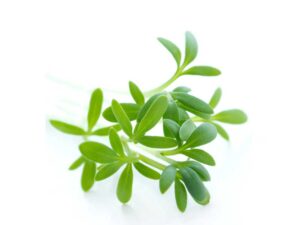
Tender shoots provide concentrated peppery flavour that works well in sandwiches and fresh garnishes.



Cress seed buying and growing guide
Cress is a general name applied to several peppery leafy plants that can be grown as young shoots, microgreens or mature salad greens. Garden cress, watercress and upland cress have related culinary uses, but they are botanically distinct plants with different moisture requirements, growth habits and harvest periods.
Seedmart supplies cress seeds in Australia for household growing, cafés, restaurants, market gardens and commercial production. The range includes fast-growing Curled Garden Cress, semi-aquatic Watercress and soil-grown American Upland Cress.
The best cress seed will depend on how quickly you want to harvest, whether you are growing indoors or outdoors, the amount of moisture available and whether you require tender shoots, microgreens or mature leafy growth.
Garden cress can produce tender shoots within approximately one to two weeks under suitable conditions.
Grow cress in shallow trays, pots, garden beds or compact protected growing areas.
Fresh cress adds a sharp, mustard-like flavour to salads, sandwiches, garnishes and cooked dishes.
Small sowings made regularly can provide repeated harvests of young cress throughout the growing season.
Depending on the variety, cress may be harvested as young shoots, microgreens or established leafy plants.
Choose smaller packs for occasional household sowing or larger quantities for frequent and commercial production.
Cress varieties vary significantly in their preferred growing conditions. Garden cress is selected for speed and easy tray production, while watercress and upland cress are generally grown for more established leafy plants.
| Growing Goal | Recommended Cress | Why Choose It? |
|---|---|---|
| Fast young shoots | Curled Garden Cress | Germinates rapidly and can be harvested while the seedlings are still small and tender. |
| Indoor tray growing | Curled Garden Cress | Suitable for shallow containers on a bright windowsill or under controlled lighting. |
| Microgreen production | Curled Garden Cress | Produces fine, strongly flavoured growth for salads, sandwiches and garnishes. |
| Moist growing sites | Watercress | Prefers consistently moist conditions and is grown as a mature peppery leafy green. |
| Watercress-like flavour in soil | American Upland Cress | Produces peppery leaves without requiring the semi-aquatic conditions associated with watercress. |
| Garden-bed production | Upland Cress or mature Garden Cress | Can be established in fertile, moisture-retentive soil for repeated leaf harvesting. |
| Frequent commercial sowing | Garden Cress in larger seed quantities | Rapid crop cycles suit repeated tray production where steady demand is available. |
| Type | Botanical Name | Growing Habit | Typical Use |
|---|---|---|---|
| Garden Cress | Lepidium sativum | Fast-growing annual suited to trays, pots and garden soil. | Young shoots, microgreens, salads, sandwiches and garnishes. |
| Watercress | Nasturtium officinale | Moisture-loving perennial or short-lived perennial commonly grown around clean, wet conditions. | Mature leaves and stems for salads, soups, sandwiches and cooking. |
| American Upland Cress | Barbarea verna | Cool-season leafy plant grown in soil rather than aquatic conditions. | Peppery salad leaves with a flavour resembling watercress. |
Garden cress and watercress are not the same plant. They share a peppery flavour and belong to the brassica family, but they require different growing conditions and should not be treated as interchangeable crops.
Cress generally has a fresh, peppery or mustard-like flavour. The strength depends on the variety, growing conditions and harvest stage.
Tender shoots provide concentrated peppery flavour that works well in sandwiches and fresh garnishes.
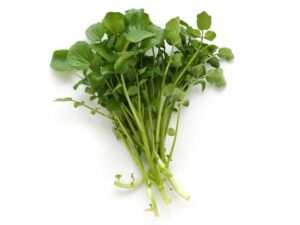
Mature watercress has a fresh, tangy character that can become stronger as the leaves develop.
Upland cress produces a substantial leaf with a watercress-like flavour while growing in ordinary garden soil.
Microgreen crops combine fine stems, small leaves and a strong flavour suited to small serving quantities.
Cress is regarded as a fast crop, but the harvest period depends on the species and the stage at which it is cut. Garden cress grown for young shoots is substantially faster than mature watercress or upland cress.
| Crop or Harvest Stage | Typical Period | General Characteristics |
|---|---|---|
| Garden cress germination | Approximately 2–5 days | Fine seed that emerges rapidly when kept evenly moist. |
| Young garden cress shoots | Approximately 7–14 days | Tender stems and seed leaves suited to sandwiches and garnishes. |
| Garden cress microgreens | Approximately 8–15 days | Harvested after the seed leaves open and early true leaves begin developing. |
| Mature garden cress leaves | Approximately 3–5 weeks | Larger and more substantial leaves with stronger flavour. |
| Upland cress | Approximately 6–10 weeks | A cool-season leafy crop grown to a more established stage. |
| Watercress | Usually several weeks to first substantial harvest | Requires time to establish a healthy root system and spreading leafy growth. |
Growing time is affected by variety, temperature, light, moisture, sowing density and the stage at which the crop is harvested.
Garden cress and upland cress generally perform best during cool to mild weather. Watercress also prefers mild conditions with continuous access to moisture. In protected environments, garden cress can be produced through much of the year.
| Australian Climate | General Sowing Approach | Important Considerations |
|---|---|---|
| Tropical | Sow during the cooler and less humid part of the year. | Protect crops from excessive heat, heavy rain and stagnant wet conditions. |
| Subtropical | Sow mainly from autumn through spring, with protected indoor production possible at other times. | Use shade and careful watering during warmer periods. |
| Temperate | Sow through autumn, winter and spring, with summer crops possible in a cool position. | Maintain consistent moisture and protect fine seedlings from drying winds. |
| Cool temperate | Sow from spring through autumn or raise crops indoors during severe weather. | Growth may slow substantially during very cold conditions. |
| Indoor tray production | Sow throughout the year where temperature, moisture, light and airflow can be controlled. | Avoid dark, stagnant or excessively humid growing conditions. |
These periods are general guides. Local temperature, elevation, seasonal weather and protected growing conditions may change the most suitable sowing time.
Garden cress seed germinates quickly and does not require deep planting. It can be grown in seed-raising mix, fine potting mix or on a moisture-retentive mat where the crop will be harvested young.
How long do cress seeds take to germinate? Garden cress commonly begins germinating within approximately two to five days when the seed remains moist and temperatures are suitable.
Garden cress seed should be surface-sown or covered only very lightly. The main requirements during germination are close contact with a moist growing surface and protection from drying.
Although strong light is not the principal trigger required for germination, the seedlings need adequate light promptly after emergence. Cress grown in insufficient light becomes pale, elongated and weak.
Do not bury garden cress seed deeply. Deep sowing can reduce emergence because the fine seedlings have limited energy to reach the surface.
Garden cress is well suited to indoor tray growing because it develops rapidly and requires little vertical space.
Indoor crops can fail when they receive insufficient light or remain excessively wet and humid.
Can cress grow indoors? Yes. Garden cress can be grown indoors throughout the year where adequate light, moisture, hygiene and airflow are provided.
Garden cress can be grown for young shoots on cotton wool, paper towel or another clean moisture-retentive material. This method is most suitable for a short crop harvested at the seedling stage rather than for mature plants.
Soilless cress should be treated as a short-duration seedling crop. Cotton wool and paper provide moisture support but do not supply the root space or nutrition needed for mature plants.
| Growing Medium | Advantages | Limitations |
|---|---|---|
| Seed-raising mix | Supports both young shoots and continued plant development. | Requires clean handling and can leave soil attached near the harvested stems. |
| Cotton wool | Simple for small household or educational crops. | Can remain excessively wet and is unsuitable for mature growth. |
| Paper towel | Readily available and suitable for demonstrating rapid germination. | Dries quickly and may deteriorate before an extended crop is complete. |
| Commercial growing mat | Provides a clean, uniform surface for tray production. | Performance and water-holding capacity vary by material. |
Watercress differs from garden cress and should be grown as an established moisture-loving plant rather than as a quick cotton-wool crop. It prefers rich, consistently wet growing conditions but should not be placed in uncontrolled natural waterways.
Use clean water and controlled growing conditions. Do not harvest watercress from unknown streams, drains or waterways where the water may be contaminated.
Upland cress produces a watercress-like leaf but grows in ordinary fertile soil. It is suited to cool-season gardens where consistent moisture can be maintained without semi-aquatic conditions.
All cress crops require reliable moisture, but their requirements are not identical. Garden cress needs a consistently damp seedbed while germinating, whereas watercress requires a persistently wet root zone after establishment.
| Cress Type | Watering Requirement | What to Avoid |
|---|---|---|
| Young Garden Cress | Keep the growing surface evenly moist from sowing until harvest. | Dry patches, forceful watering and deep standing water. |
| Mature Garden Cress | Water regularly to maintain tender leaf growth. | Repeated wilting, which can make growth coarse and strongly flavoured. |
| Upland Cress | Maintain consistently moist garden soil with adequate drainage. | Prolonged drought or stagnant water around the crown. |
| Watercress | Maintain a wet root environment using clean water and a managed system. | Contaminated water, stagnant decay and uncontrolled release into waterways. |
Harvest timing depends on whether cress is being grown as young shoots, microgreens or mature leaves.
| Harvest Stage | What to Look For | Harvest Method |
|---|---|---|
| Young shoots | Upright tender stems with fully opened seed leaves. | Cut just above the growing surface using clean scissors. |
| Microgreens | Open seed leaves with the first true leaves beginning to develop. | Cut cleanly above the growing medium and use promptly. |
| Mature Garden Cress | Healthy green leaves before flowering or coarse growth begins. | Cut individual stems or harvest the plant above its growing point. |
| Upland Cress | Well-developed, tender outer leaves. | Pick individual leaves or cut sections while leaving the centre to continue growing. |
| Watercress | Clean, vigorous leafy tips on established plants. | Cut stems above the base to allow further growth. |
Garden cress grown densely as young shoots is normally treated as a single-cut crop. Cutting the seedlings close to the growing surface removes much of their active growth, and any regrowth is often uneven and less productive than a new sowing.
Established upland cress and watercress are more capable of repeated harvesting. Cut healthy outer leaves or stems while leaving sufficient established growth for the plant to recover.
For regular garden cress production, sow again rather than relying on regrowth. The seed germinates quickly, and a fresh crop is generally more uniform and reliable than a second cut.
The growing surface may have dried out, the seed may have been buried too deeply or the tray may be exposed to unsuitable temperatures.
Long yellow or pale stems usually indicate insufficient light after germination.
Excess moisture, stagnant air, contaminated trays and overly dense sowing can contribute to seedling losses.
Irregular seed distribution, dry sections of the growing medium or inconsistent temperatures can produce patchy crops.
Heat, drought and delayed harvesting can produce coarser leaves with a stronger flavour.
Warm temperatures, long days, dry conditions and plant maturity can trigger flowering and reduce leaf quality.
Inspect mature outdoor crops regularly, particularly around tender new growth and the undersides of leaves.
Constant saturation, high humidity and insufficient airflow can encourage algae and unwanted surface growth in trays.
| Young Cress and Microgreens | Mature Cress Plants |
|---|---|
| Usually grown densely in shallow trays. | Require more spacing and root room. |
| Harvested within approximately one to two weeks for garden cress. | Allowed to develop for several weeks or longer. |
| Cut above the growing surface and commonly treated as a single harvest. | Some types may tolerate repeated selective harvesting. |
| Valued for fine texture and concentrated flavour. | Produce larger, more substantial leaves and stems. |
| Suitable for indoor tray and commercial microgreen production. | More commonly grown in pots, beds or managed wet systems. |
Planning regular tray production? Browse Seedmart’s microgreen seeds range for additional crops suited to harvesting at the seedling stage.
Smaller quantities suit households growing occasional trays, trialling different types of cress or producing fresh leaves for personal use.
Bulk cress seed may be more economical for growers producing regular trays or supplying cafés, restaurants, retailers and farmers markets.
Compare value by crop output rather than pack price alone. Germination, sowing density, growing time and usable harvested yield all influence the actual cost of cress production.
Commercial cress production requires more than selecting the lowest-priced seed. Germination, seed distribution, crop hygiene, tray density, airflow, harvest stage, labour and shelf life all influence production efficiency.
Rapid, even emergence helps create a consistent tray and reduces variation at harvest.
Overcrowding can reduce airflow and increase crop losses, while sparse sowing lowers harvested yield per tray.
Clean equipment and controlled watering are particularly important for densely sown crops harvested close to the growing surface.
Harvest timing, crop dryness and rapid cooling affect the appearance and usable life of cut cress.
Australian cress seed availability can vary. Commercial growers should confirm stock, pack size and required quantity before finalising a regular production schedule.
Sowing rates vary with tray size and required harvest stage. Conduct small trials under your own growing conditions before committing to larger commercial sowings.
Cress is a general name used for several peppery leafy plants. Common types include garden cress, watercress and upland cress. They are related brassica-family plants but differ in botanical identity, growth habit and moisture requirements.
Garden cress is Lepidium sativum, a fast-growing annual commonly raised for tender shoots, microgreens and young peppery leaves. It can be grown in trays, pots or garden soil.
No. Garden cress and watercress are different plants. Garden cress is a fast annual that grows readily in soil or shallow trays, while watercress is a moisture-loving plant commonly grown to produce mature leafy stems.
Upland cress is a cool-season leafy plant with a peppery flavour similar to watercress. Unlike watercress, it grows in fertile garden soil and does not require semi-aquatic conditions.
Scatter garden cress seed across moist seed-raising mix or another suitable growing surface. Press it gently into place, keep it consistently moist and provide bright light after germination. Young shoots may be ready to harvest within approximately 7–14 days.
Garden cress commonly begins germinating within approximately two to five days. Temperature, moisture, seed condition and sowing depth can influence the result.
Garden cress may be harvested as young shoots after approximately 7–14 days. More developed leaves require several weeks, while watercress and upland cress take longer to establish.
Cress seed should be surface-sown or covered only very lightly. Moisture and close contact with the growing surface are critical during germination. Once the seedlings emerge, they require adequate light to develop strong green growth.
Garden cress seed should be pressed onto the surface or covered with only a very fine layer of growing medium. Avoid burying the small seed deeply.
Yes. Garden cress can be grown indoors in shallow trays where it receives bright light, even moisture and adequate airflow. Indoor growing is particularly useful for short young-shoot and microgreen crops.
Garden cress can be grown for young shoots on clean cotton wool, paper towel or a commercial growing mat. These materials support a short seedling crop but do not provide the root space and nutrition required for mature plants.
Place damp cotton wool in a shallow clean container, scatter the seeds evenly across the surface and keep the material moist without leaving deep standing water. Provide bright light after germination and cut the shoots while young.
Yes. Garden cress grows readily in fine, fertile soil that remains consistently moist. It can be sown densely for young leaves or thinned where larger plants are required.
Garden cress needs consistently moist growing media, particularly during germination. It should not be left in deep stagnant water. Watercress has a greater moisture requirement and prefers a persistently wet root zone.
Cress grows well in full sun during cool weather but may benefit from light shade in warmer conditions. Indoor crops require bright natural light or suitable supplementary lighting.
Garden cress can be harvested once the young shoots reach a useful height, generally within approximately 7–14 days. It may also be left longer for true leaves to develop. Harvest before the foliage becomes coarse or the plants begin flowering.
Cut garden cress above the growing surface with clean scissors. Harvest mature upland cress and watercress by selecting healthy outer leaves or cutting leafy stems while leaving sufficient established growth for recovery.
Young garden cress is usually treated as a single-cut crop because regrowth is often weak and uneven. Established watercress and upland cress can provide further harvests when sufficient healthy growth is left behind.
Cress may be described as a leafy vegetable, salad green or culinary herb. It is grown for its edible peppery leaves and young stems rather than for a root or fruit crop.
Yes. Garden cress is well suited to microgreen production because it germinates rapidly and develops a strong peppery flavour at a young stage.
Seed can be saved from suitable open-pollinated garden cress plants. Allow selected healthy plants to flower and produce mature dry seed pods rather than harvesting them for leaves.
Cress seed for Australian growers
Seedmart supplies cress seed for windowsill trays, home gardens, cafés, restaurants, market gardens and commercial production. The range includes Garden Cress, Watercress and Upland Cress, with larger quantities available on selected varieties.
Review the individual product pages for current availability, pack options, sowing instructions and variety-specific growing information before ordering.