
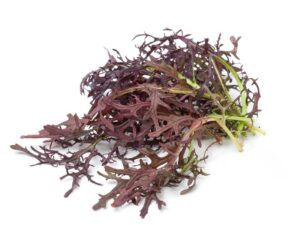
Gai Choy
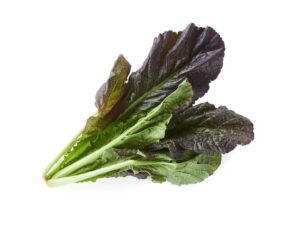
Chinese mustard develops broad, substantial leaves and thick stems with a pronounced mustard flavour.
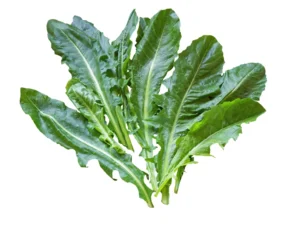
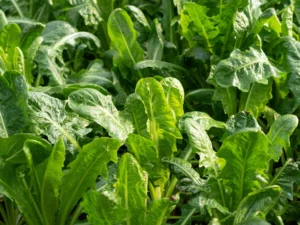

Mustard greens seed buying and growing guide
Mustard greens are fast-growing leafy vegetables belonging to the brassica family. They are grown for their edible leaves, stems and young shoots, which can range from mild and fresh to strongly peppery or mustard-like in flavour.
Seedmart supplies mustard greens seeds in Australia for backyard gardeners, container growers, restaurants, market gardeners and commercial vegetable producers. The range includes broad-leaved Chinese mustard, colourful red and purple varieties, deeply cut Mizuna and compact spoon-leaved Tatsoi.
The best mustard green seed will depend on your preferred flavour, leaf shape, harvest stage, local growing season and whether you are producing microgreens, baby leaf, mature bunches or Asian vegetables for cooking.
Many mustard varieties provide baby leaves within several weeks of sowing.
Choose from mild, fresh leaves through to strongly peppery and pungent mustard greens.
Grow green, lime, burgundy, purple and contrastingly veined leaves for salads and market displays.
Outer leaves can be picked while the central growing point continues producing.
Grow mustard as microgreens, baby leaf, mature leafy vegetables or flowering brassica plants.
Choose smaller packs for household planting or larger quantities for frequent and commercial production.
Mustard greens differ significantly in leaf size, shape, colour, texture and pungency. The most attractive variety is not necessarily the best choice for every market or harvest method.
| Growing Goal | Recommended Variety or Type | Why Choose It? |
|---|---|---|
| Large cooking leaves | Chinese Mustard Gai Choy | Produces substantial leaves and stems suited to stir-fries, soups, braising and preserving. |
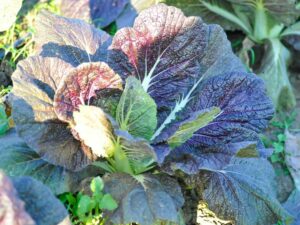
| Deep red-purple foliage | Red Giant or Osaka Purple | Adds strong colour and mustard flavour to baby-leaf mixes, mature bunches and ornamental vegetable beds. |
| Fine lime-coloured leaves | Lime Streaks | Produces deeply divided, bright foliage suited to colourful salads and mixed-leaf production. |
| Colourful serrated baby leaf | Crimson Tide | Provides deeply cut foliage and contrasting colour for salads, garnishes and premium mixes. |
| Mild, finely divided leaves | Green or Purple Mizuna | Produces feathery leaves with a generally milder flavour than broad-leaved mustard types. |
| Compact spoon-shaped leaves | Tatsoi | Forms low rosettes of dark green leaves with pale, tender stems. |
| Microgreen production | Red Giant, Mizuna and selected leaf mustards | Fast germination, strong colour and peppery flavour suit short tray production. |
| Bulk vegetable production | Varieties available in larger seed quantities | Larger packs may provide better value where substantial plant numbers are required. |
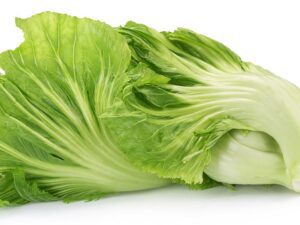
Chinese mustard develops broad, substantial leaves and thick stems with a pronounced mustard flavour.
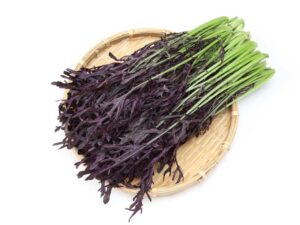
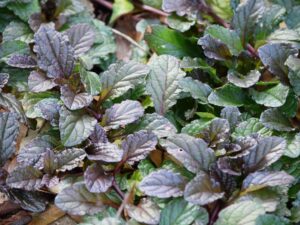
These varieties combine red or purple pigmentation with broad leaves and a robust flavour.
Deeply divided foliage adds fine texture and colour to baby-leaf salads and fresh-market mixes.
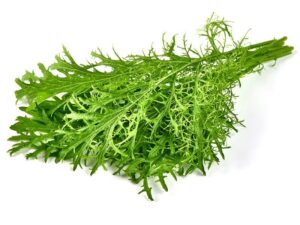
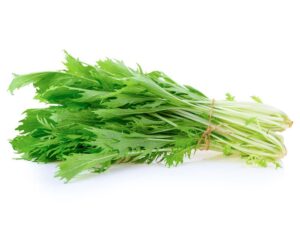
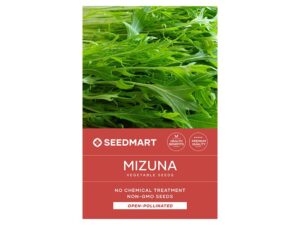
Mizuna produces narrow, finely cut leaves with a fresh flavour generally milder than large Chinese mustard.
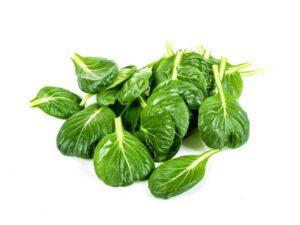
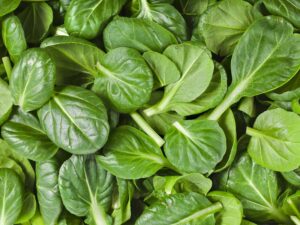
Tatsoi forms compact rosettes of smooth, rounded leaves with crisp pale stems.
Young mustard crops provide colourful stems and concentrated peppery flavour within a short growing period.
Mustard greens are the edible leaves of mustard-family vegetables, particularly cultivated forms of Brassica juncea. They are related to cabbage, kale, broccoli, cauliflower, Mizuna, Tatsoi and other brassica vegetables.
The term can refer narrowly to broad-leaved mustard varieties or more generally to several Asian brassica greens with a mustard-like flavour. Individual products should therefore be selected by their variety name and growing characteristics rather than by the word “mustard” alone.
What are mustard greens called in Australia? They are usually sold as mustard greens, leaf mustard, Chinese mustard or by variety-specific names such as Gai Choy, Mizuna and Tatsoi.
| Vegetable Type | Typical Appearance | General Flavour | Common Harvest Use |
|---|---|---|---|
| Broad-leaved mustard | Large green, red or purple leaves with flat, wrinkled or crinkled surfaces | Medium to strongly peppery | Baby leaf, mature bunches, stir-fries, soups and preserving |
| Mizuna | Narrow, deeply divided and feather-like leaves | Mild to moderately peppery | Baby leaf, salad mixes, stir-fries and mature bunches |
| Tatsoi | Dark spoon-shaped leaves forming a low rosette | Mild mustard or brassica flavour | Baby leaf, whole rosettes, soups and stir-fries |
| Gai Choy | Large broad leaves with substantial pale or green stems | Strong and distinctive mustard flavour | Cooking, braising, soups, fermentation and pickling |
No. Mustard greens and collard greens are related brassica vegetables, but they are different crops.
| Mustard Greens | Collard Greens |
|---|---|
| Often derived from Brassica juncea and related mustard types. | Usually classified within Brassica oleracea. |
| Commonly have a peppery or mustard-like flavour. | Generally have a milder cabbage-like flavour. |
| Leaves may be broad, crinkled, purple or deeply divided. | Usually produce broad, smooth or lightly textured green leaves. |
| Many varieties grow quickly and suit baby-leaf production. | Commonly grown longer for large mature leaves. |
Mustard greens are generally described as peppery, pungent or mustard-like rather than chilli-hot. Their flavour is produced by compounds characteristic of brassica vegetables.
The strength varies with variety, leaf age, temperature and growing conditions. Young leaves are usually milder and more tender, while mature leaves can develop a stronger flavour and firmer texture.
Mustard greens perform most reliably during cool to mild weather. High temperatures can produce stronger flavour, tougher leaves and premature flowering.
| Australian Climate | General Sowing Approach | Important Considerations |
|---|---|---|
| Tropical | Sow during the coolest and least humid part of the year. | Provide airflow and protect plants from excessive heat, heavy rain and concentrated pest pressure. |
| Subtropical | Sow mainly from late summer through autumn and winter. | Young-leaf crops may also be produced during mild parts of spring. |
| Temperate | Sow through autumn, winter and spring. | Summer production is possible in cooler positions but bolting may occur rapidly. |
| Cool temperate | Sow from spring through autumn, with protected production during severe winter weather. | Growth may slow during frost, very cold soil and short days. |
| Protected production | Sow over a longer period where temperature, irrigation and airflow can be managed. | Prevent heat and humidity from building inside protected structures. |
These planting periods are general guides. Local elevation, frost, seasonal weather and variety selection can alter the best sowing period.
Yes. Mustard greens are commonly grown through autumn and winter in many Australian regions. Cool conditions support tender leaf growth and can delay premature flowering.
Growth slows during severe cold, frost and short days. Young seedlings may require protection even where established plants tolerate cool weather.
Mustard greens can grow during summer, but hot conditions usually reduce leaf tenderness and encourage rapid bolting. In warm climates, they are generally more reliable as autumn and winter crops.
Mustard seed germinates readily under cool to mild temperatures and does not require heated propagation in most seasons.
Sow approximately 5–10 mm deep or follow the directions supplied for the individual variety.
Keep the seedbed consistently moist without allowing it to remain saturated.
Provide strong light promptly after emergence to encourage compact, vigorous seedlings.
How long do mustard green seeds take to germinate? Mustard greens commonly begin germinating within approximately 3–8 days under suitable conditions.
Mustard greens can be direct-sown into prepared soil or raised in trays and transplanted. Direct sowing is particularly useful for baby-leaf rows and rapid successive crops.
| Direct Sowing | Raising Seedlings |
|---|---|
| Seed is planted where the crop will mature. | Seed is started in cells, punnets or small pots. |
| Suitable for baby leaf and dense salad rows. | Useful for mature plants requiring precise spacing. |
| Requires thinning where full-sized plants are wanted. | Allows selected seedlings to be transplanted at final spacing. |
| Young growth must be protected from drying and pests. | Seedlings can be protected during their most vulnerable stage. |
Plant spacing depends on whether mustard is grown for microgreens, baby leaves or mature bunches.
| Growing Goal | General Spacing | Considerations |
|---|---|---|
| Microgreens | Densely sown across shallow trays | Harvest shortly after the seed leaves open. |
| Baby leaf | Approximately 3–10 cm apart or densely sown in rows | Cut while plants remain young and tender. |
| Medium plants | Approximately 15–25 cm apart | Suitable for repeated harvesting before maximum plant size. |
| Full-sized broad-leaved mustard | Approximately 25–40 cm apart | Provides room for substantial leaves, airflow and harvesting access. |
| Commercial rows | Depends on machinery and harvest specification | Allow access for crop inspection, cultivation and picking. |
Follow the individual product directions where a variety requires different spacing.
Mustard greens grow well in containers because they establish quickly and can be harvested before reaching maximum size.
Container-grown mustard requires regular watering and feeding because the limited potting mix can dry and lose nutrients quickly.
Can mustard greens grow in pots? Yes. Mizuna, Tatsoi, coloured leaf mustards and regularly harvested baby-leaf crops are particularly suited to substantial containers.
Mustard greens generally grow well in full sun during cool weather. Approximately four to six hours of direct sunlight supports strong leaf development.
During warmer conditions, light afternoon shade can reduce moisture stress and premature flowering. Deep shade may produce weak, elongated growth.
Growing time varies with variety, temperature, spacing and the stage at which the crop is harvested.
| Harvest Stage | Indicative Period | General Characteristics |
|---|---|---|
| Seed germination | Approximately 3–8 days | Rapid emergence under moist, cool to mild conditions. |
| Microgreens | Approximately 7–14 days | Young stems and seed leaves with concentrated mustard flavour. |
| Baby leaf | Approximately 20–35 days | Tender foliage suited to salads and mixed-leaf production. |
| First mature leaves | Approximately 35–60 days | Substantial leaves suitable for bunching and cooking. |
| Established repeated harvest | Several weeks or months | Outer leaves are removed while central growth continues. |
These periods are broad guides rather than guaranteed maturity dates. Review individual product information for variety-specific guidance.
Mustard greens can be harvested as microgreens, baby leaves, whole young plants or mature outer leaves.
| Harvest Stage | What to Harvest | Method |
|---|---|---|
| Microgreens | Seed leaves and early true leaves | Cut above the growing medium with clean scissors. |
| Baby leaf | Young tender foliage | Cut individual leaves or harvest densely planted rows. |
| Mature plants | Large outside leaves | Remove the oldest usable leaves while leaving the central growth intact. |
| Whole young plants | Leaves, stems and crown | Cut or lift the complete plant where regrowth is not required. |
| Gai Choy bunches | Substantial leaves and stems | Cut mature plants at the base or harvest large outer leaves selectively. |
Harvest mustard greens once the leaves reach the size and flavour required for their intended use. Young leaves are generally more tender and milder than mature foliage.
Mustard greens continue producing when individual outer leaves are removed and the central growing point remains undamaged. This allows established plants to provide several harvests.
Baby-leaf crops cut above their growing points may produce a second flush, although regrowth may be less uniform and slower than the first crop.
Harvest from the outside in. Remove mature outer foliage while leaving the smaller central leaves and crown intact.
Mustard is a popular microgreen crop because it germinates rapidly and develops strong flavour and colour at a young stage.
| Mustard Microgreens | Baby and Mature Mustard Greens |
|---|---|
| Grown densely in shallow trays. | Grown with greater root space and wider spacing. |
| Usually harvested within approximately 7–14 days. | Harvested after several weeks or longer. |
| Cut once above the growing medium. | Outer leaves may be picked repeatedly. |
| Provide concentrated peppery flavour. | Develop stronger varietal leaf shape and texture. |
| Suitable for garnishes and mixed microgreen trays. | Suitable for salads, bunches, soups and cooked dishes. |
Growing mustard at the seedling stage? Browse Seedmart’s microgreen seeds range for mustard and other crops intended for tray production.
Leaf mustard varieties are selected primarily for edible foliage. Agricultural mustard varieties grown as cover crops or green manure may be selected for rapid biomass, soil coverage or specific crop-management characteristics instead.
Although both groups may belong to related mustard species, an edible leaf mustard should not automatically be described as a specialised biofumigant or broadacre green-manure variety.
| Edible Mustard Greens | Green Manure Mustard |
|---|---|
| Selected mainly for leaf quality, colour, flavour and harvest characteristics. | Selected mainly for biomass, soil coverage and agricultural crop rotation. |
| Harvested as microgreens, baby leaves or mature greens. | Generally incorporated or terminated before mature seed is produced. |
| Includes Gai Choy, Red Giant, Mizuna and Tatsoi types. | Includes dedicated cover-crop and biofumigation mustard varieties. |
| Usually planted at vegetable or baby-leaf spacing. | Usually broadcast or drilled at agricultural sowing rates. |
Mustard does not fix atmospheric nitrogen. Mustards are brassicas rather than legumes. Their residues may recycle nutrients already present in the soil, but they do not form the nitrogen-fixing association characteristic of peas, beans, clovers and other legumes.
The seedbed may be too dry, saturated, compacted or exposed to unsuitable temperatures.
Long, pale stems generally indicate insufficient light after germination.
Cabbage moth and cabbage white butterfly caterpillars can rapidly damage mustard foliage.
Aphids may gather within curled leaves, around stems and on tender central growth.
Young mustard plants are particularly vulnerable during cool, damp conditions.
Heat, drought, plant age and delayed harvesting can produce coarser, stronger-flavoured leaves.
Heat, long days, maturity and moisture stress can trigger bolting.
Widespread yellowing may indicate ageing foliage, nutrient shortage, waterlogging or root stress.
Mustard greens can share garden space with crops that prefer similar cool-season conditions. Companion planting does not prevent pests, so spacing, hygiene and crop rotation remain important.
| Planting Option | General Compatibility | Considerations |
|---|---|---|
| Lettuce and leafy greens | Share cool-season growing conditions | Avoid overcrowding and excessive competition for water. |
| Onions and spring onions | Upright growth occupies limited horizontal space | Maintain sufficient fertility and moisture for both crops. |
| Radish | Both establish quickly and suit successive sowing | Harvest promptly to prevent crowding. |
| Peas | Share cool growing periods | Position supports so peas do not heavily shade mustard plants. |
| Herbs and flowers | Can increase garden diversity and attract insects | Select species suited to the same season and irrigation regime. |
| Other brassicas | Have similar soil and seasonal requirements | They share caterpillars, aphids and diseases, concentrating pest pressure. |
Rotate mustard and related brassicas where practical. Avoid repeatedly planting mustard, kale, cabbage, broccoli, cauliflower, Mizuna and Tatsoi in the same soil.
Smaller quantities suit gardeners growing several varieties, trialling different leaf types or making successive household sowings.
Larger quantities may suit growers producing microgreens, baby leaf, mature bunches or repeated cool-season crops.
Compare commercial value by more than seed price. Germination, crop uniformity, leaf yield, harvest labour, shelf life and customer demand all influence the real value of a mustard-green crop.
Commercial mustard-green production requires careful variety selection and harvest planning. Seedling uniformity, leaf specification, crop density, flavour, harvest labour and market requirements all affect production efficiency.
Rapid, even emergence helps create uniform plantings and predictable harvest schedules.
Microgreen, baby-leaf and mature-bunch crops require different spacing, sowing rates and harvest methods.
Select varieties by colour, shape, stem thickness, flavour and intended market.
Commercial plantings require regular monitoring for caterpillars, aphids and brassica diseases.
Australian mustard-green seed availability can vary. Commercial growers should confirm current stock, pack size, seed treatment and required quantity before finalising planting schedules.
Mustard greens are edible brassica leaves with a mild to strongly peppery flavour. The term includes broad-leaved mustard varieties and may also be used more generally for crops such as Gai Choy, Mizuna and Tatsoi.
They are generally called mustard greens, leaf mustard or Chinese mustard. Individual types may be sold under names such as Gai Choy, Mizuna, Tatsoi, Red Giant or Osaka Purple.
Sow mustard seed approximately 5–10 mm deep in moist, fine soil or seed-raising mix. Maintain cool to mild conditions, provide bright light after germination and thin or transplant plants to the spacing required for baby leaves or mature bunches.
Mustard greens commonly germinate within approximately 3–8 days under evenly moist, cool to mild conditions.
Sow mustard green seeds approximately 5–10 mm deep and cover them lightly with fine soil or seed-raising mix.
Yes. Mustard greens can be direct-sown into prepared soil. Keep the seedbed moist and thin seedlings after emergence where mature plants are required.
Mustard greens are generally planted for cool-season production. In subtropical regions, sow mainly from late summer through winter. In temperate and cooler climates, sowing may continue through autumn, winter and spring.
Yes. Mustard greens are well suited to autumn and winter production in many Australian climates, although growth may slow during severe cold and short days.
They can grow in summer, but heat commonly produces stronger flavour, tougher leaves and rapid bolting. Baby-leaf production with afternoon shade is usually more practical than mature summer crops.
Mustard greens generally grow well in full sun during cool weather. Light afternoon shade can improve leaf quality during warmer conditions.
Yes. Use free-draining containers filled with premium vegetable potting mix. Wide planters suit baby-leaf production, while mature plants require more individual root space.
Baby-leaf crops can be grown closely. Medium plants generally require approximately 15–25 cm, while full-sized broad-leaved varieties may need around 25–40 cm.
Mustard microgreens may be ready within approximately 7–14 days, baby leaves in around 20–35 days and mature leaves in approximately 35–60 days, depending on variety and conditions.
Pick mature outer leaves while leaving the central crown intact, or cut densely planted baby-leaf crops above their growing points. Complete young plants may also be harvested where regrowth is not required.
They continue growing when outer leaves are removed and the central growing point remains intact. Baby-leaf crops may also produce a less-uniform second flush.
Mustard greens can taste mild, peppery or strongly pungent depending on variety, leaf age and growing conditions. Their flavour is mustard-like rather than chilli-hot.
Some mature or heat-stressed leaves can develop a strong or slightly bitter flavour. Young leaves grown rapidly during cool conditions are usually milder.
No. They are related brassica vegetables but differ botanically, in flavour and in typical leaf form. Mustard greens generally have a more peppery flavour.
Yes. Gai Choy is a Chinese mustard green grown for its broad leaves and substantial stems.
Mizuna is a closely related Japanese brassica green with finely divided leaves and a mild mustard-like flavour. It is commonly grouped with mustard greens and Asian leafy vegetables.
Tatsoi is a related Asian brassica vegetable that forms compact rosettes of spoon-shaped leaves. It has a mild mustard or cabbage-like flavour.
Bok choy is a related brassica vegetable but is normally classified and sold separately from leaf mustard. It is selected for its broad leaves and thick, succulent stems.
Yes. Mustard is a fast-growing microgreen crop valued for colourful stems and a concentrated peppery flavour.
No. Mustards are brassicas, not nitrogen-fixing legumes. They may capture and recycle soil nutrients as they grow, but they do not fix atmospheric nitrogen.
Seed can be saved from suitable open-pollinated varieties. Allow selected plants to flower and form mature dry pods. Mustards can cross-pollinate with compatible brassicas, so isolation is required where varietal purity is important.
Mustard greens seed for Australian growers
Seedmart supplies mustard greens seed for backyard gardens, container growing, microgreens, restaurants, market gardens and larger vegetable production. The range includes broad-leaved Chinese mustard, coloured leaf mustard, Mizuna and Tatsoi, with larger quantities available on selected varieties.
Review the individual product pages for current availability, pack options, leaf characteristics and variety-specific growing information before ordering.