
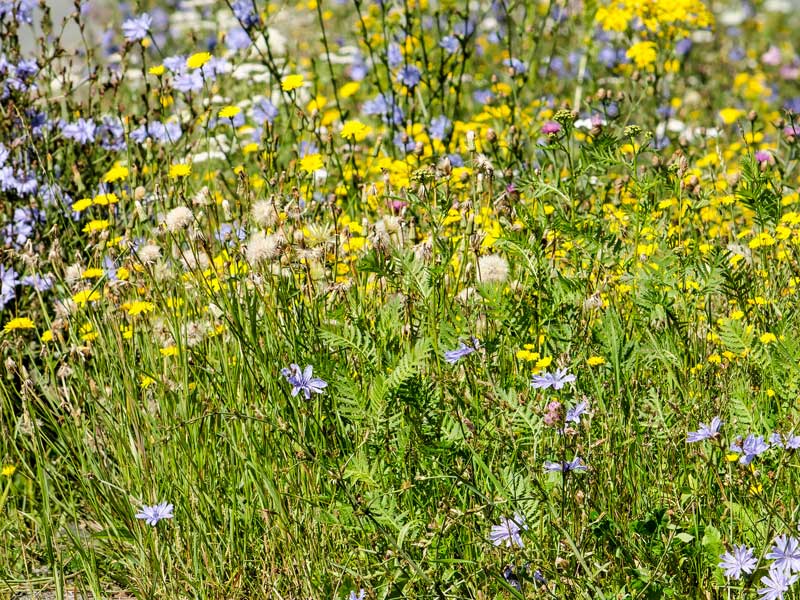

Spring & Summer Pollinator & Bee Seed Mix
Spring & Summer Pollinator Seed Mix is a warm-season blend of flowering green manure, cover crop, and insectary plants designed to improve soil health while attracting bees, butterflies, hoverflies, and other beneficial insects. This mix provides colourful seasonal flowers, living ground cover, weed suppression, organic matter, and soil protection through the warmer months.
Ideal for vegetable gardens, orchards, vineyard rows, food forests, regenerative farms, raised beds, paddocks, and pollinator strips, this mix combines fast-growing legumes, flowering species, and deep-rooted soil improvers. It can be grown for pollinator support, chopped and returned to the soil as green manure, or cut and left on the surface as mulch in no-dig systems.
- Warm-season pollinator seed mix for bees, butterflies, hoverflies, and beneficial insects.
- Combines flowering green manure, cover crop, legume, and soil-improving species.
- Helps suppress weeds, protect bare soil, and reduce summer soil heat.
- Adds organic matter when chopped and incorporated or used as surface mulch.
- Includes species such as Butterfly Pea, Cowpea, Sunn Hemp, Phacelia, clover, buckwheat, chicory, plantain, and tillage radish.
- Suitable for orchards, food forests, vegetable beds, vineyard rows, raised beds, and regenerative systems.
- Best grown in warm, frost-free conditions with reliable moisture.
Plant Details
- Plant Type: Warm-season flowering green manure, cover crop, and insectary seed mix
- Growth Habit: Mixed annual and short-term species with flowering, leafy, legume, and deep-rooted growth
- Main Use: Pollinator support, soil improvement, weed suppression, biodiversity, and green manure
- Flowering: Seasonal blooms that support bees and beneficial insects
- Root Benefits: Includes fibrous, nitrogen-fixing, and deep-rooted species for soil structure and nutrient cycling
- Best Position: Full sun
- Coverage: Approx. 100–200 m² per kg depending on sowing rate and site conditions
Best Uses
- Pollinator strips and bee-friendly gardens
- Spring and summer green manure
- Warm-season cover cropping
- Orchard and food forest inter-rows
- Vineyard rows and paddock edges
- Vegetable crop rotations
- No-dig garden mulch
- Regenerative farming and biodiversity plantings
- Weed suppression and bare soil protection
Mix Benefits
| Plant Type | Role in the Mix |
|---|---|
| Flowering species | Attract bees, butterflies, hoverflies, and beneficial insects. |
| Legumes | Support nitrogen fixation when grown with suitable rhizobia and add leafy biomass. |
| Fast-growing cover crops | Quickly shade soil, suppress weeds, and reduce bare ground. |
| Deep-rooted species | Help improve soil structure, water infiltration, and nutrient cycling. |
Sowing Information
- Best Sowing Time: Spring to summer once soil is warm and frost risk has passed
- Germination Time: Approximately 5–14 days depending on species, soil temperature, and moisture
- Sowing Depth: 5–15 mm; cover lightly and avoid burying small seeds too deeply
- Position: Full sun for best flowering and biomass
- Soil Type: Adaptable to most soils; best in well-drained soil with good seed-to-soil contact
- Watering: Keep moist until established; irrigate during hot or dry periods if needed
- Sow Where: Garden beds, orchards, food forests, vineyard rows, inter-rows, paddocks, and pollinator strips
Sowing Rate and Coverage
| Use | Sowing Rate | Approx. Coverage |
|---|---|---|
| Pollinator Strip / Standard Cover | 5–8 g per m² | 1 kg covers approx. 125–200 m² |
| Green Manure / Dense Cover | 8–10 g per m² | 1 kg covers approx. 100–125 m² |
| Large Areas / Inter-Rows | 50–100 kg per hectare | Use higher rates for faster cover and weed suppression |
Seed Quantity Guide
| Seed Pack Size | Standard Pollinator Coverage | Dense Green Manure Coverage |
|---|---|---|
| 100 g | 12–20 m² | 10–12 m² |
| 250 g | 30–50 m² | 25–30 m² |
| 500 g | 60–100 m² | 50–60 m² |
| 1 kg | 125–200 m² | 100–125 m² |
| 5 kg | 625–1,000 m² | 500–625 m² |
| 10 kg | 1,250–2,000 m² | 1,000–1,250 m² |
Coverage is a guide only. Use higher rates for faster soil cover, stronger weed suppression, poor seedbeds, exposed sites, or areas with high bird pressure.
When to Sow Spring & Summer Pollinator Seed Mix in Australia
| Climate Zone | Best Planting Time | Suitability | Growing Notes |
|---|---|---|---|
| Tropical | Warm season; best with reliable rainfall or irrigation | Good | Avoid waterlogged sites and extreme wet-season wash-off. |
| Subtropical | Spring to early autumn | Excellent | Ideal warm-season mix for pollinators, cover cropping, and soil improvement. |
| Temperate | Spring to midsummer | Very good | Sow after frost risk has passed and soil has warmed. |
| Cool | Late spring to midsummer | Moderate | Needs a warm, frost-free growing window for best results. |
| Arid | After rain or with irrigation in warm months | Moderate with moisture | Establishment depends on reliable moisture. Mulch or irrigate if needed. |
How to Sow Spring & Summer Pollinator Seed Mix
- Choose a sunny position with well-drained soil.
- Remove weeds and prepare a fine, firm seedbed.
- Broadcast seed evenly at the recommended sowing rate.
- Lightly rake or cover seed with approximately 5–15 mm of soil.
- Press or roll the soil surface gently for good seed-to-soil contact.
- Water gently and keep moist until seedlings establish.
- Allow plants to flower for pollinator support, or cut earlier for green manure use.
Management
- Keep soil moist during germination and early establishment.
- Water during hot or dry periods if flowering and biomass are desired.
- Cut before heavy seed set if self-seeding is not wanted.
- Allow flowering if the main goal is pollinator support.
- Mow or slash before planting the next crop.
- Leave chopped material as surface mulch in no-dig systems.
Harvest and Incorporation
For green manure use, cut or chop the mix when plants have produced good leafy growth or before heavy seed set. Incorporate the biomass into the soil 2–3 weeks before planting the next crop, or leave the cut material on the surface as mulch. If pollinator support is the main goal, allow the mix to flower before cutting.
Soil Benefits and Use
This spring and summer pollinator mix helps improve soil health by protecting bare soil, reducing erosion, supporting beneficial insects, adding organic matter, and increasing plant diversity. Legumes can support nitrogen fixation when compatible rhizobia are present, while deep-rooted species help improve soil structure and water movement. Fast-growing cover crops help shade the soil and reduce weed competition during warm weather.
Important Notes
- This is a warm-season mix and should be sown after frost risk has passed.
- Species performance will vary depending on climate, rainfall, soil type, and sowing time.
- Use higher sowing rates where fast cover or strong weed suppression is needed.
- Cut before seed set if you do not want volunteer plants.
- Some legumes benefit from suitable inoculant for stronger nitrogen fixation.
Quick Growing Guide
| Feature | Details |
|---|---|
| Product Type | Warm-season pollinator, green manure, and cover crop mix |
| Best Uses | Pollinator strips, green manure, orchards, vineyards, vegetable gardens, soil improvement |
| Germination | Approximately 5–14 days depending on species and conditions |
| Sowing Depth | 5–15 mm |
| Sunlight | Full sun |
| Water Needs | Moisture needed for establishment; irrigate during dry periods if needed |
| Growth Period | Approx. 6–10 weeks to flowering or useful green manure growth |
| Coverage | Approx. 100–200 m² per kg depending on sowing rate |
| Management | Allow to flower for pollinators or cut before seed set for green manure |
Reviews
There are no reviews yet.