

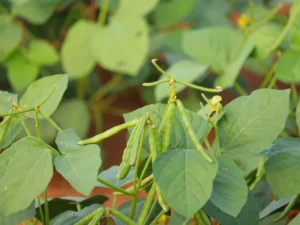

Soil Conditioner Green Manure & Cover Crop Seed Mix
Includes: Forage Sorghum, Cowpea/Lablab, Sunn Hemp, Sunflowers, Millet, Tillage Radish and Chia.
Soil Conditioner Cover Crop Mix is designed to improve soil structure, increase microbial diversity and support soil nitrogen building. The supplier’s blend combines Forage Sorghum, Cowpea/Lablab, Sunn Hemp, Sunflowers, Millet, Tillage Radish and Chia for a diverse planting of grasses, legumes and broadleaf cover crops.
Forage Sorghum and Millet provide fibrous roots, ground cover and biomass. Cowpea/Lablab and Sunn Hemp offer nitrogen fixation potential when compatible rhizobia are present. Sunflowers and Tillage Radish add contrasting root systems, while Chia adds another flowering broadleaf species. Together, their living roots and plant residues help support soil organisms and add organic matter.
Use this mix in vegetable garden rotations, orchards, market gardens, fallow areas and regenerative growing systems. Sow during warm, frost-free growing periods with reliable moisture, and manage the crop before unwanted seed set.
- Warm-season soil conditioner seed mix for green manure and cover cropping.
- Builds organic matter, improves soil structure, and supports microbial diversity.
- Includes legumes for nitrogen fixation and soil fertility improvement.
- Forage Sorghum, Millet, Sunflowers and Tillage Radish provide varied root systems, biomass and soil conditioning benefits.
- Fast canopy growth helps suppress weeds and protect bare soil.
- Suitable for gardens, orchards, paddocks, market gardens, and regenerative farming.
- Best grown in warm, frost-free conditions with reliable moisture.
Plant Details
- Mix Type: Warm-season multi-species green manure and cover crop blend
- Main Uses: Soil conditioning, organic matter, nitrogen fixation, weed suppression, biomass, and soil structure improvement
- Growth Habit: Combination of grasses, legumes, and broadleaf species
- Root Benefits: Combines fibrous grass roots, legume roots, taproots, and deep-rooted broadleaf growth
- Best Position: Full sun
- Frost Tolerance: Low; this is a warm-season mix
- Coverage: Approx. 100–200 m² per kg depending on sowing rate and site conditions
Best Uses
- Summer green manure
- Warm-season cover crop
- Soil conditioning and structure improvement
- Organic matter production
- Nitrogen fixation and fertility building
- Weed suppression and bare soil protection
- Vegetable garden rotations
- Orchard and food forest inter-rows
- Paddock and broadacre soil improvement
- Regenerative farming and soil-building systems
Mix Benefits
| Species | Role in the Mix |
|---|---|
| Forage Sorghum | Fast-growing warm-season grass for fibrous roots, biomass, ground cover, and soil structure. |
| Cowpea or Lablab | Warm-season legumes that support nitrogen fixation, leafy biomass, and soil fertility. |
| Sunn Hemp | Rapid summer legume for nitrogen fixation potential, weed suppression, and organic matter. |
| Sunflower | Deep-rooted broadleaf crop that adds biomass, soil conditioning, and pollinator flowers. |
| Millet | Warm-season grass for fibrous roots, ground cover and organic matter. |
| Tillage Radish | A brassica with a strong taproot that can help create root channels and capture available soil nutrients. |
| Chia | Adds broadleaf diversity and flowers for visiting insects when allowed to bloom. |
Sowing Information
- Best Sowing Time: Spring to summer once soil is warm and frost risk has passed
- Germination Time: Approximately 5–14 days depending on species, soil temperature, and moisture
- Sowing Depth: 15–30 mm; cover larger seeds well and avoid burying too deeply
- Position: Full sun for best biomass production
- Soil Type: Suitable for a range of soils; performs best in warm, well-drained soil with good seed-to-soil contact
- Watering: Keep moist during germination and establishment; irrigate during dry periods if needed
- Sow Where: Garden beds, paddocks, fallow blocks, orchards, food forests, market gardens, and broadacre rotations
- Inoculation: Use inoculants matched to the legume species in the blend; one inoculant may not suit every legume component.
Sowing Rate and Coverage
The following rates are general planning guidance. Follow any batch-specific sowing recommendations supplied with your seed.
| Use | Sowing Rate | Approx. Coverage |
|---|---|---|
| Standard Green Manure | 5 g per m² | 1 kg covers approx. 200 m² |
| Dense Biomass / Weed Suppression | 8–10 g per m² | 1 kg covers approx. 100–125 m² |
| Large Areas / Broadacre | 50–100 kg per hectare | Use higher rates for fast cover and maximum biomass |
Seed Quantity Guide
Available pack sizes: 1 kg, 5 kg and 20 kg.
| Seed Pack Size | Standard Coverage | Dense Biomass Coverage |
|---|---|---|
| 1 kg | Approx. 200 m² | Approx. 100–125 m² |
| 5 kg | Approx. 1,000 m² | Approx. 500–625 m² |
| 20 kg | Approx. 4,000 m² (0.4 ha) | Approx. 2,000–2,500 m² (0.2–0.25 ha) |
Coverage is a guide only. Adjust rates to the seedbed, planting purpose and available moisture. Coverage figures below are general estimates based on the stated sowing rates, rather than supplier-confirmed coverage.
When to Sow Soil Conditioner Mix in Australia
| Climate Zone | Best Planting Time | Suitability | Growing Notes |
|---|---|---|---|
| Tropical | Warm season; often early wet season where drainage is good | Good | Avoid waterlogged soils and heavy wash-off during intense rain. |
| Subtropical | Spring to early autumn | Excellent | Ideal warm-season soil conditioner mix for rapid biomass and soil cover. |
| Temperate | Late spring to midsummer | Very good | Sow after frost risk has passed and soil has warmed. |
| Cool | Late spring to midsummer | Moderate | Needs a warm, frost-free growing window for strong growth. |
| Arid | After rain or with irrigation in warm months | Moderate with moisture | Requires reliable rainfall or irrigation for establishment and biomass production. |
How to Sow Soil Conditioner Mix
- Choose a sunny position with warm, well-drained soil.
- Remove weeds and prepare a firm seedbed.
- Broadcast seed evenly at the recommended sowing rate.
- Cover seed with approximately 15–30 mm of soil.
- Press or roll the soil surface gently for good seed-to-soil contact.
- Water well after sowing if soil moisture is low.
- Keep moist until seedlings are established.
- Allow the mix to grow until useful biomass is produced, then chop and incorporate or leave as mulch.
Management
- Keep soil moist during germination and early growth.
- Use suitable inoculant where nitrogen fixation is a priority.
- Cut before heavy seed set if self-seeding is not wanted.
- Chop at early to mid flowering for a balance of biomass and easier breakdown.
- Leave chopped material as surface mulch in no-dig systems.
- Allow 3–6 weeks for residues to break down before planting sensitive seedlings.
Harvest and Incorporation
For green manure use, mow, slash, or flail the mix when strong biomass has formed or when the legumes begin flowering. Incorporate the chopped material into the soil 3–6 weeks before planting the next crop, or leave it on the surface as mulch in no-dig systems. Earlier cutting produces softer material that breaks down faster, while later cutting provides more bulk and longer-lasting surface residue.
Soil Benefits and Use
Soil Conditioner Mix is designed to improve soil through plant diversity, root activity, nitrogen fixation, organic matter, and living ground cover. The combination of grasses, legumes, and broadleaf species helps protect bare soil, support soil biology, improve structure, suppress weeds, and recycle nutrients during warm growing periods.
Important Notes
- This is a warm-season mix and should be sown after frost risk has passed.
- Nitrogen fixation is strongest when compatible rhizobia are present in the soil or applied as inoculant.
- Species performance will vary depending on climate, rainfall, soil type, sowing time, and management.
- Cut before seed set if volunteer plants are not wanted.
- If used around livestock, manage carefully. Forage Sorghum can pose livestock risks at certain growth stages or under stress, so confirm suitability before grazing.
- Use higher sowing rates where fast cover and weed suppression are priorities.
Quick Growing Guide
| Feature | Details |
|---|---|
| Product Type | Warm-season soil conditioner, green manure and cover crop mix |
| Best Uses | Soil conditioning, green manure, biomass, weed suppression, nitrogen fixation |
| Germination | Approx. 5–14 days depending on species and conditions |
| Sowing Depth | Approx. 15–30 mm |
| Sunlight | Full sun |
| Water Needs | Moisture needed for establishment; irrigate in dry conditions |
| Growth Period | Approx. 6–12 weeks for useful biomass, depending on climate and season |
| Coverage | Approx. 100–200 m² per kg depending on sowing rate |
| Incorporation | Chop at early to mid flowering and incorporate or leave as surface mulch |
Reviews
There are no reviews yet.