
Aurora Lucerne Green Manure Seeds
Botanical Name: Medicago sativa
Common Name: Lucerne / Alfalfa
Winter Activity Rating: 6 – moderately winter active
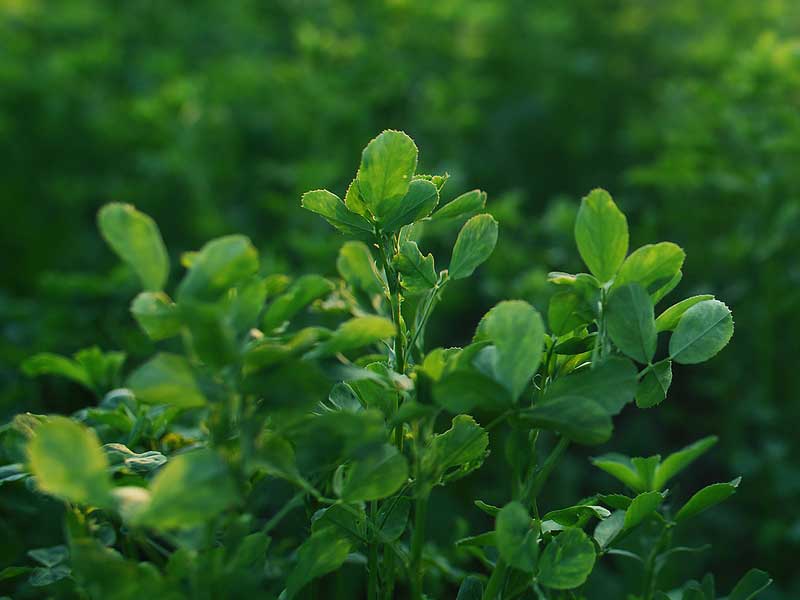
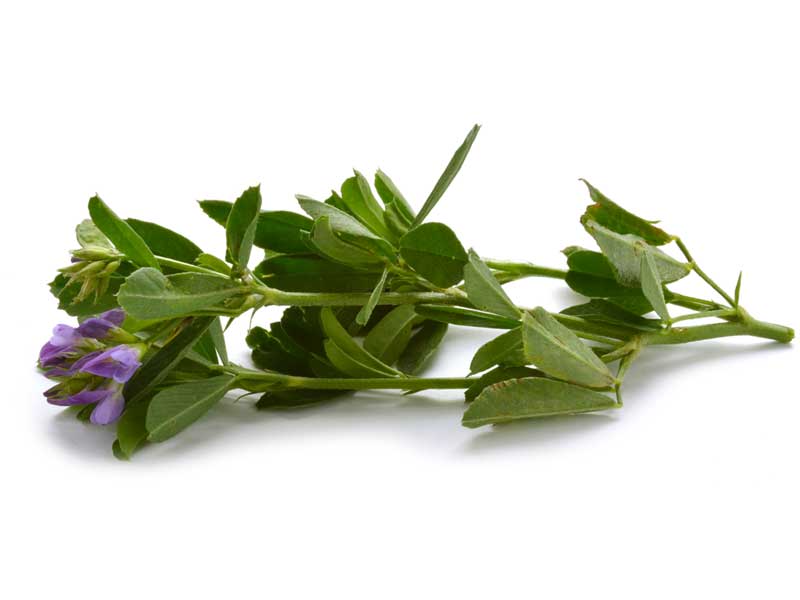
Aurora Lucerne is a productive perennial lucerne variety suited to forage, hay production, pasture improvement, soil conditioning, orchard inter-rows, vineyard systems and green manure use. With a winter activity rating of 6, Aurora offers a practical balance of winter growth, persistence and recovery after cutting or grazing.
Lucerne is valued for its deep taproot, drought tolerance once established, high-protein forage and nitrogen-fixing ability when compatible rhizobia are present. It can help improve soil structure, support water infiltration, build long-term fertility and provide flowering habitat for bees and beneficial insects when allowed to bloom.
- Perennial lucerne seed suitable for pasture, hay, forage and soil improvement.
- Winter activity rating 6 for balanced winter growth and persistence.
- Deep taproots help improve soil structure and access deeper moisture.
- Nitrogen-fixing legume when grown with suitable lucerne inoculant.
- Drought tolerant once established and suited to well-drained soils.
- Useful for grazing systems, hay production, orchards, vineyards and green manure.
- Best suited to temperate, Mediterranean, cool and suitable subtropical regions.
Plant Details
- Plant Type: Perennial legume
- Botanical Name: Medicago sativa
- Common Names: Lucerne, Alfalfa
- Variety: Aurora
- Winter Activity: Rating 6 – moderately winter active
- Growth Height: Approximately 50–80 cm depending on fertility, moisture and management
- Growth Habit: Deep-rooted perennial with regrowth after cutting or grazing
- Root System: Deep taproot for drought tolerance and soil structure support
- Drought Tolerance: High once established
- Waterlogging Tolerance: Low; requires good drainage
- Best Position: Full sun
- Pest Note: Monitor for aphids and other lucerne pests, especially in stressed crops.
Best Uses
- Pasture improvement
- Hay production
- High-protein forage
- Rotational grazing systems
- Orchard and vineyard inter-rows
- Green manure and chop-and-drop mulch
- Pollinator-friendly flowering strips
- Soil structure improvement
- Nitrogen fixation and long-term soil fertility
Sowing Information
- Best Sowing Time: Autumn or spring, depending on region and moisture
- Germination Time: Approximately 7–14 days in suitable conditions
- Sowing Depth: 5–15 mm; avoid sowing too deeply
- Position: Full sun
- Soil Type: Fertile, well-drained soils preferred
- Soil pH: Best around pH 6.0–8.0; avoid strongly acidic soils unless corrected
- Watering: Keep moist during establishment; drought tolerant once roots are established
- Inoculation: For best nodulation and nitrogen fixation, use a suitable lucerne/alfalfa inoculant.
Sowing Rate and Coverage
| Use | Sowing Rate | Approx. Coverage |
|---|---|---|
| Light Oversowing / Mixed Pasture | 2–5 kg per hectare | 1 kg covers approx. 0.2–0.5 ha |
| General Pasture Mix | 5–10 kg per hectare | 1 kg covers approx. 0.1–0.2 ha |
| Dense Lucerne Stand / Hay | 12–20 kg per hectare | 1 kg covers approx. 500–830 m² |
| Small Garden / Green Manure Rows | 1–2 g per m² | Use lower rates for interplanting or mixed cover crops |
Seed Quantity Guide
| Seed Pack Size | Mixed Pasture / Oversowing | Dense Stand / Hay |
|---|---|---|
| 250 g | 500–1,250 m² | 125–208 m² |
| 500 g | 1,000–2,500 m² | 250–416 m² |
| 1 kg | 0.2–0.5 ha | 500–830 m² |
| 5 kg | 1–2.5 ha | 0.25–0.41 ha |
| 20 kg | 4–10 ha | 1–1.66 ha |
Coverage varies depending on sowing method, seedbed preparation, pasture mix, irrigation, soil fertility and desired stand density.
When to Sow Aurora Lucerne in Australia
| Climate Zone | Best Planting Time | Suitability | Growing Notes |
|---|---|---|---|
| Cool | Spring or early autumn | Good | Avoid sowing into severe frost. Establish in mild conditions with reliable moisture. |
| Temperate | Autumn or spring | Excellent | Well suited where drainage is good and soil pH is suitable. |
| Mediterranean / Winter Rainfall | Autumn | Excellent | Autumn sowing uses winter rainfall for establishment and root growth. |
| Subtropical | Autumn to winter | Moderate to good | Best in cooler months on well-drained soil. Avoid humid, waterlogged conditions. |
| Tropical | Generally not recommended except suitable highland areas | Limited | High humidity, waterlogging and heat can reduce persistence. |
| Arid / Semi-Arid | Autumn or spring with irrigation or reliable rainfall | Good with moisture | Deep roots help drought resilience once established, but establishment needs moisture. |
How to Sow Aurora Lucerne Seeds
- Choose a sunny, well-drained area with suitable soil pH.
- Prepare a fine, firm seedbed and remove weeds before sowing.
- Apply suitable lucerne inoculant before sowing where required.
- Broadcast or drill seed shallowly at the recommended sowing rate.
- Cover lightly to approximately 5–15 mm deep.
- Press or roll gently for good seed-to-soil contact.
- Keep soil moist until seedlings are established.
Management
- Allow seedlings to establish a strong root system before grazing or cutting.
- Avoid overgrazing, especially during establishment and recovery periods.
- Rotational grazing or timed cutting improves persistence.
- Do not graze too low; leaving residual leaf area supports regrowth.
- Monitor for aphids, weeds and nutrient deficiencies.
- Avoid waterlogged soils, as lucerne requires good drainage.
Green Manure and Soil Improvement Use
Aurora Lucerne can be used as a long-term soil-improving legume. Its deep taproot helps create channels in the soil, while the plant supports nitrogen fixation when compatible rhizobia are present. For green manure or chop-and-drop use, slash before heavy flowering and either incorporate the biomass or leave it as surface mulch.
Forage, Hay and Grazing Use
Lucerne is a high-protein forage suitable for hay and managed grazing systems. Best results come from allowing plants to recover between grazing or cutting cycles. Avoid grazing too early after establishment, and manage grazing carefully to protect plant crowns and maintain long-term persistence.
Important Notes
- Lucerne performs best in fertile, well-drained soil with suitable pH.
- Strongly acidic soils may need lime before sowing.
- Lucerne does not tolerate prolonged waterlogging.
- Nitrogen fixation is strongest when suitable rhizobia are present or seed is inoculated.
- Establishment is the most important stage for long-term persistence.
- Monitor for aphids and other lucerne pests, especially during stress periods.
Quick Growing Guide
| Feature | Details |
|---|---|
| Plant Type | Perennial legume |
| Winter Activity | Rating 6 – moderately winter active |
| Best Uses | Pasture, hay, forage, soil improvement, green manure, orchards and vineyards |
| Germination | Approx. 7–14 days |
| Sowing Depth | 5–15 mm |
| Sunlight | Full sun |
| Water Needs | Moisture needed for establishment; drought tolerant once mature |
| Nitrogen Fixation | Yes, when compatible rhizobia are present |
| Management | Rotational grazing or cutting with recovery periods for persistence |
Reviews
There are no reviews yet.