

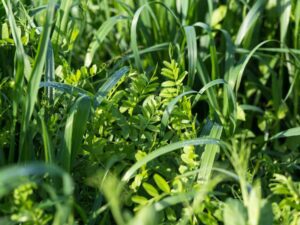

Biofumigation Seed Mix – Root Knot Nematode Control Green Manure Seeds
Botanical Blend: Brassica spp. and Raphanus sativus
High Glucosinolate Brassica Blend for Soil Biofumigation
Biofumigation Seed Mix is a specialist green manure and cover crop blend designed to help suppress root knot nematodes, reduce soil-borne disease pressure, add organic matter, and improve soil structure naturally. This mix combines high-glucosinolate brassicas and biofumigation radish types selected for strong biomass production, fast establishment, and soil improvement benefits.
When these brassica plants are finely chopped and incorporated into moist soil at the correct stage, they release natural compounds from glucosinolates that can help reduce nematode and pathogen pressure. Biofumigation works best when the crop is grown well, incorporated quickly, and the soil is kept moist after incorporation.
- Biofumigation green manure mix for root knot nematode suppression.
- High-glucosinolate brassica blend for soil-borne disease pressure reduction.
- Includes mustard, forage rape, brassica, and radish-type biofumigation species.
- Fast-growing biomass adds organic matter and improves soil biology.
- Deep-rooted radish types help improve soil structure and water movement.
- Useful before vegetable crops, flower beds, orchards, roses, peonies, and crop rotations.
- Best used as part of an integrated soil health and crop rotation program.
What Is Biofumigation?
Biofumigation is the practice of growing selected brassica cover crops and incorporating them into moist soil. Brassicas contain glucosinolates, which can break down into natural bioactive compounds when plant tissue is crushed and mixed into the soil. These compounds may help suppress root knot nematodes, some soil-borne fungal diseases, and other soil pest pressures.
For best results, the crop should be slashed, finely chopped, and incorporated immediately at early flowering. Moisture is important because dry soil reduces the biofumigation effect. Biofumigation is not a guaranteed cure, but it can be a valuable tool when combined with crop rotation, resistant varieties, compost, sanitation, and good soil management.
What’s Inside?
- Black Mustard (Brassica nigra) – High-glucosinolate mustard used for biofumigation and soil pest suppression.
- Ethiopian Mustard (Brassica carinata) – Vigorous brassica with strong biomass production and biofumigation value.
- Forage Rape (Brassica napus) – Fast-growing brassica that adds leafy biomass and organic matter.
- Cappuccino Mustard (Brassica carinata) – Late-flowering mustard type with strong vegetative growth and soil conditioning benefits.
- Biofumigation Radish Types (Raphanus sativus) – Deep-rooted radish types that assist soil structure, compaction relief, and nutrient cycling.
- High-Glucosinolate Brassica Selections – Selected brassica lines chosen for green manure, biomass, and biofumigation potential.
Plant Details
- Plant Type: Cool-season annual biofumigation green manure and cover crop mix
- Botanical Blend: Brassica spp. and Raphanus sativus
- Main Uses: Root knot nematode suppression, soil-borne disease pressure reduction, green manure, organic matter, and crop rotation
- Growth Habit: Fast-growing leafy brassicas with taproot and fibrous root systems
- Best Position: Full sun
- Best Soil: Fertile, moist, well-drained soil with good seed-to-soil contact
- Important: Best results rely on strong biomass, fine chopping, immediate incorporation, and moist soil.
Best Uses
- Root knot nematode suppression
- Biofumigation green manure
- Soil-borne disease break crop
- Vegetable garden rotations
- Orchard and vineyard soil preparation
- Rose, peony, and flower bed preparation
- Organic matter and soil structure improvement
- Regenerative farming and soil health programs
- Fallow bed improvement before sensitive crops
Suitable Before Planting
- Tomatoes, capsicums, chillies, eggplants, and other solanaceous crops
- Carrots and other root vegetables
- Onions, garlic, and alliums
- Roses, peonies, and ornamental flower beds
- Orchard trees and perennial planting areas
- Vegetable beds with a history of nematode or soil disease pressure
Sowing Information
- Best Sowing Time: Late summer to autumn, or early spring in suitable regions
- Germination Time: 5–10 days in suitable conditions
- Sowing Depth: 5–10 mm
- Position: Full sun preferred
- Soil Type: Fertile, moist, well-drained soil preferred
- Watering: Keep evenly moist during germination, establishment, and after incorporation
- Sow Where: Garden beds, paddocks, orchards, flower beds, fallow blocks, and crop rotation areas
- Important: Avoid sowing too deeply. Brassica seed is small and needs shallow coverage for good establishment.
Sowing Rate and Coverage
| Use | Sowing Rate | Approx. Coverage |
|---|---|---|
| Garden Beds / Standard Biofumigation | 2–3 g per m² | 1 kg covers approx. 330–500 m² |
| Dense Biomass / Stronger Suppression | 3–5 g per m² | 1 kg covers approx. 200–330 m² |
| Large Areas / Cover Crop | 20–50 kg per hectare | Use higher rates where strong biomass and fast cover are required |
Seed Quantity Guide
| Seed Pack Size | Standard Coverage | Dense Biomass Coverage |
|---|---|---|
| 100 g | 33–50 m² | 20–33 m² |
| 250 g | 83–125 m² | 50–83 m² |
| 500 g | 165–250 m² | 100–165 m² |
| 1 kg | 330–500 m² | 200–330 m² |
| 5 kg | 0.16–0.25 hectare | 0.1–0.16 hectare |
| 10 kg | 0.33–0.5 hectare | 0.2–0.33 hectare |
Coverage is a guide only. Use higher sowing rates where root knot nematode pressure is high, faster biomass is needed, soil is exposed, or weed pressure is strong.
When to Sow Biofumigation Mix in Australia
| Climate Zone | Best Planting Time | Suitability | Growing Notes |
|---|---|---|---|
| Cool | Late summer to autumn, or spring | Good | Sow early enough to grow strong biomass before severe cold or before spring planting. |
| Temperate | Late summer to autumn, or early spring | Excellent | Ideal after summer crops or before spring/summer vegetable planting. |
| Mediterranean / Winter Rainfall | Autumn to winter | Excellent | Well suited to autumn sowing where winter moisture supports biomass growth. |
| Subtropical | Autumn to winter | Good | Best during cooler months. Avoid hot, humid summer establishment. |
| Tropical | Cool highland areas or dry-season sowing only | Limited to moderate | Use during cooler, drier periods and avoid waterlogged wet-season soils. |
| Arid | Autumn or spring with irrigation | Moderate with moisture | Requires irrigation for establishment, biomass growth, and post-incorporation moisture. |
How to Sow Biofumigation Seed Mix
- Choose a sunny position with prepared, moist soil.
- Remove weeds and create a fine, firm seedbed.
- Broadcast seed evenly at the recommended sowing rate.
- Lightly rake in to approximately 5–10 mm deep.
- Press or roll gently for good seed-to-soil contact.
- Water well and keep soil moist until seedlings establish.
- Grow the crop until strong biomass forms and plants reach early flowering.
How to Use for Maximum Biofumigation Effect
- Cut at early flowering when biomass and glucosinolate activity are generally high.
- Chop, mulch, or slash the plants as finely as possible.
- Incorporate immediately into moist soil to reduce loss of bioactive compounds.
- Irrigate after incorporation if soil is dry.
- Firm or seal the soil surface where practical to help retain moisture.
- Wait 2–4 weeks before planting the next crop.
Management
- Keep soil moist during germination and establishment.
- Grow the crop vigorously for best biomass and biofumigation potential.
- Do not allow the crop to become old, woody, or heavily seeded before incorporation.
- Incorporate quickly after cutting for best results.
- Maintain soil moisture after incorporation to support decomposition and biofumigation effect.
- Use as part of a wider soil health program, not as a standalone cure.
Harvest and Incorporation
For best biofumigation results, chop and incorporate the crop at early flowering while plant tissue is still green and active. Immediate incorporation into moist soil is essential. Finely chopped material releases bioactive compounds more effectively than coarse stems. Allow 2–4 weeks before planting the next crop, depending on soil temperature, moisture, and crop sensitivity.
Soil Benefits and Use
Biofumigation Mix helps improve soil through brassica root activity, fast biomass production, organic matter, nutrient cycling, and potential pest and disease suppression. It is particularly useful before susceptible vegetable, flower, and orchard crops where root knot nematode or soil-borne disease pressure has been a concern.
Important Notes
- Biofumigation can help suppress root knot nematodes and soil-borne disease pressure, but results vary with conditions and management.
- Strong biomass, fine chopping, rapid incorporation, and moist soil are critical for best results.
- This mix does not replace crop rotation, hygiene, resistant varieties, or broader soil health management.
- Do not sow immediately before another brassica crop if brassica disease rotation is a concern.
- Wait 2–4 weeks after incorporation before planting sensitive crops.
- Avoid allowing the crop to set seed if self-sown brassicas are not wanted.
Quick Growing Guide
| Feature | Details |
|---|---|
| Product Type | Biofumigation green manure and cover crop mix |
| Best Uses | Root knot nematode suppression, soil-borne disease pressure reduction, green manure, crop rotation |
| Germination | 5–10 days |
| Sowing Depth | 5–10 mm |
| Sunlight | Full sun preferred |
| Growth Period | Approx. 6–10 weeks to useful biomass, depending on climate and season |
| Best Incorporation Stage | Early flowering, before heavy seed set |
| Key Step | Finely chop and incorporate immediately into moist soil |
| Replanting Delay | Wait 2–4 weeks after incorporation before planting the next crop |
Reviews
There are no reviews yet.