

Japanese Millet Green Manure Seeds
Botanical Name: Echinochloa esculenta / Echinochloa utilis
Common Names: Japanese Millet, Jap Millet, Japanese White Millet
Japanese Millet, often called Jap Millet, is a fast-growing warm-season annual grass used in Australia for green manure, fodder, forage, cover cropping, birdseed production and soil improvement. It establishes quickly in warm soil, produces useful biomass and provides strong summer ground cover.
As a warm-season cover crop, Japanese Millet helps suppress weeds, protect bare soil, reduce erosion and add organic matter when cut and returned to the soil. It is especially useful in vegetable rotations, orchards, paddocks, food plots, forage systems and regenerative growing programs where fast summer biomass is needed.
- Fast-growing warm-season annual millet for green manure, forage and cover cropping.
- Produces strong biomass to add organic matter and protect bare soil.
- Useful for weed suppression, erosion control and summer soil cover.
- Suitable for fodder, birdseed, poultry forage and grain production where allowed to mature.
- Performs best in warm soil with full sun and reliable moisture.
- Useful in gardens, orchards, paddocks, food plots and broadacre systems.
- Best suited to subtropical, tropical, warm temperate and irrigated summer conditions.
Plant Details
- Plant Type: Warm-season annual cereal grass
- Botanical Name: Echinochloa esculenta / Echinochloa utilis
- Common Names: Japanese Millet, Jap Millet
- Growth Height: Approximately 60–120 cm depending on moisture, fertility and sowing density
- Growth Habit: Upright annual grass with leafy stems and seed heads
- Root System: Fibrous grass roots for soil holding and organic matter
- Frost Tolerance: Low; frost sensitive
- Drought Tolerance: Moderate once established; performs best with moisture
- Best Position: Full sun
- Important Note: Japanese Millet is a grass and does not fix nitrogen.
Best Uses
- Warm-season green manure
- Summer cover crop
- Forage and fodder production
- Birdseed and poultry forage
- Weed suppression and soil cover
- Erosion control on exposed soil
- Organic matter production
- Paddocks, food plots and broadacre areas
- Vegetable garden and orchard rotations
Sowing Information
- Best Sowing Time: Spring to summer once soil is warm and frost risk has passed
- Germination Time: Approximately 5–10 days in warm, moist soil
- Sowing Depth: 10–20 mm
- Position: Full sun
- Soil Type: Adaptable to many soils; performs best in moist, fertile, well-drained soil
- Watering: Keep moist during germination and establishment; irrigate during dry spells for best biomass
- Sow Where: Garden beds, paddocks, orchards, food plots, poultry forage areas and summer cover crop rotations
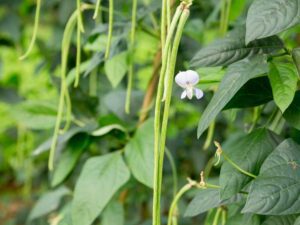
- Companion Crops: Mix with warm-season legumes such as cowpea, lablab or sunn hemp where nitrogen fixation is desired.
Sowing Rate and Coverage
| Use | Sowing Rate | Approx. Coverage |
|---|---|---|
| Garden Beds / Green Manure | 5–10 g per m² | 1 kg covers approx. 100–200 m² |
| Dense Cover / Weed Suppression | 10–15 g per m² | 1 kg covers approx. 65–100 m² |
| Forage / Fodder Areas | 15–25 kg per hectare | Use higher rates for faster canopy closure |
| Mixed Cover Crop Blends | 5–15 kg per hectare | Use lower rates when mixed with legumes or other cover crops |
Seed Quantity Guide
| Seed Pack Size | Standard Green Manure Coverage | Dense Cover Coverage |
|---|---|---|
| 100 g | 10–20 m² | 6–10 m² |
| 250 g | 25–50 m² | 16–25 m² |
| 500 g | 50–100 m² | 33–50 m² |
| 1 kg | 100–200 m² | 65–100 m² |
| 5 kg | 500–1,000 m² | 325–500 m² |
| 10 kg | 1,000–2,000 m² | 650–1,000 m² |
Coverage is a guide only. Use higher rates for faster cover, stronger weed suppression, poor seedbeds, bird pressure or where a thick biomass crop is required.
When to Sow Japanese Millet Seeds in Australia
| Climate Zone | Best Planting Time | Suitability | Growing Notes |
|---|---|---|---|
| Cool | Late spring to summer | Moderate | Sow after frost risk has passed and soil is warm. |
| Temperate | Spring to midsummer | Good | Useful as a fast summer green manure or forage crop. |
| Subtropical | Spring to early autumn | Excellent | Performs well in warm conditions with moisture. |
| Tropical | Warm growing periods; avoid waterlogged conditions | Excellent | Can grow strongly in warm climates if drainage and moisture are suitable. |
| Arid | Spring to summer with rainfall or irrigation | Moderate with moisture | Needs water for establishment and biomass; drought tolerant only after establishment. |
How to Sow Japanese Millet Seeds
- Wait until frost risk has passed and soil has warmed.
- Prepare a firm, weed-free seedbed.
- Broadcast seed evenly or sow in rows 20–30 cm apart.
- Cover seed with approximately 10–20 mm of soil.
- Press or roll lightly for good seed-to-soil contact.
- Water after sowing and keep moist until seedlings establish.
- Cut before seed set for green manure or allow seed heads to mature for grain or birdseed use.
Growing Tips
- Sow into warm soil for quick germination.
- Water regularly during establishment.
- For green manure, cut before seed set while growth is still leafy.
- For forage, cut before stems become too coarse.
- For grain or birdseed, allow seed heads to mature and dry before harvest.
- Mix with cowpea, lablab or sunn hemp for nitrogen-fixing cover crop blends.
Harvest and Use
For green manure, slash or cut Japanese Millet before seed heads fully mature and incorporate the growth into the soil, or leave it as surface mulch in no-dig systems. For fodder, cut while leafy and before stems become too mature. For birdseed or grain, allow seed heads to dry on the plant before harvesting.
Soil Benefits
Japanese Millet helps protect soil during warm weather by producing fast cover, fibrous roots and useful biomass. It can reduce erosion, shade out weeds, add organic matter and provide a quick summer cover crop between rotations. Because it is a grass, it should be mixed with legumes if nitrogen fixation is required.
Important Notes
- Japanese Millet is frost sensitive and should be sown into warm soil.
- It does not fix nitrogen; mix with warm-season legumes for nitrogen benefits.
- Cut before seed set if volunteer millet is not wanted.
- Moisture is important for fast establishment and strong biomass.
- Avoid waterlogged soils, especially during germination.
- Botanical naming can vary in trade; Japanese Millet is commonly listed as Echinochloa esculenta or Echinochloa utilis.
Quick Growing Guide
| Feature | Details |
|---|---|
| Plant Type | Warm-season annual millet grass |
| Best Uses | Green manure, forage, fodder, birdseed, cover crop and soil cover |
| Germination | Approx. 5–10 days in warm, moist soil |
| Sowing Depth | 10–20 mm |
| Sunlight | Full sun |
| Water Needs | Moisture needed for establishment; moderate drought tolerance once established |
| Growth Period | Approx. 6–10 weeks for green manure; longer for seed harvest |
| Nitrogen Fixation | No; mix with legumes for nitrogen benefits |
| Management | Cut before seed set for green manure or mature for birdseed/grain |
Reviews
There are no reviews yet.