

Plantain ‘Tonic’ Green Manure & Forage Seeds
Botanical Name: Plantago lanceolata
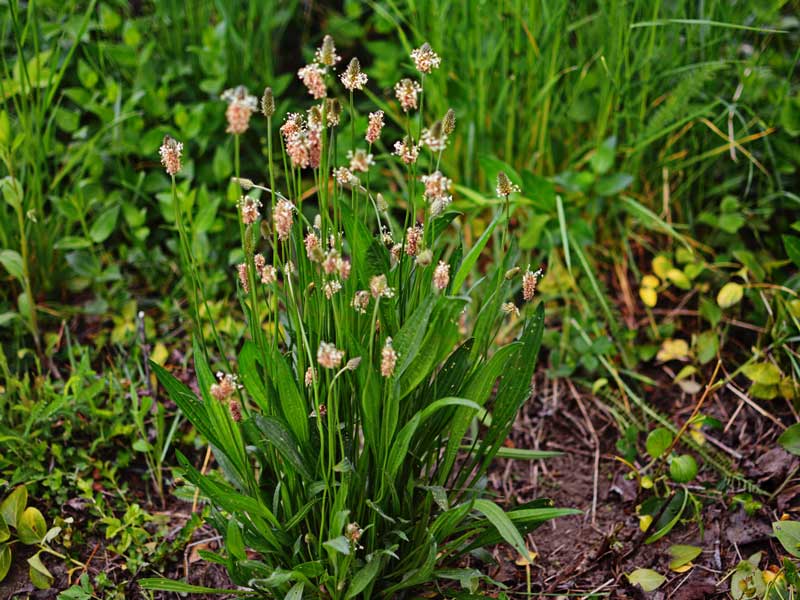
Plantain ‘Tonic’ is a deep-rooted perennial forage herb used for soil conditioning, pasture improvement, living mulch, green manure blends, and regenerative grazing systems. It develops a strong root system that helps improve soil structure, increase water infiltration, and support long-term pasture resilience.
Unlike short-term green manure crops that are usually dug in after one season, Plantain is best used as a long-lived soil improver, pasture herb, orchard understory plant, or perennial cover crop component. Its mineral-rich leaves, drought tolerance once established, and ability to grow in a wide range of soils make it a valuable addition to mixed pastures, cover crop blends, and regenerative systems.
- Deep-rooted perennial forage herb and soil conditioner.
- Helps improve compacted soil, drainage, and water infiltration.
- Useful in pasture mixes, green manure blends, orchards, vineyards, and regenerative systems.
- Mineral-rich leaves are valued in managed grazing and forage systems.
- Tolerates a wide range of soils once established.
- Can be cut and used as surface mulch or included in long-term living cover.
- Best established in moist, mild conditions with good seed-to-soil contact.
Plant Details
- Plant Type: Perennial forage herb, living mulch, and soil conditioner
- Botanical Name: Plantago lanceolata
- Variety: Tonic
- Growth Height: Approximately 30–45 cm leafy growth; taller when flowering
- Growth Habit: Low leafy rosette with upright flower stems
- Root System: Deep, fibrous-rooted perennial herb with strong soil-binding ability
- Frost Tolerance: Good once established
- Drought Tolerance: Good once established
- Best Position: Full sun to part shade
- Soil Preference: Adaptable, but performs best in well-drained soil
Best Uses
- Perennial soil conditioning
- Pasture improvement and forage herb mixes
- Green manure and cover crop blends
- Living mulch and permanent ground cover
- Orchard and vineyard inter-rows
- Regenerative grazing systems
- Food forest and perennial planting systems
- Soil structure improvement and erosion reduction
Sowing Information
- Best Sowing Time: Autumn or spring in most suitable regions
- Germination Time: 7–21 days depending on soil temperature and moisture
- Sowing Depth: 5–10 mm
- Position: Full sun to part shade
- Soil Type: Tolerates many soil types, including moderately acidic, compacted, and lower-fertility soils, once established
- Watering: Keep moist during germination and establishment
- Sow Where: Pastures, garden beds, orchards, vineyards, inter-rows, paddocks, and mixed cover crop areas
- Establishment: Seedlings are small, so prepare a fine, firm seedbed and control weeds early.
Sowing Rate and Coverage
| Use | Sowing Rate | Approx. Coverage |
|---|---|---|
| Green Manure / Soil Conditioner | 0.5–1 g per m² | 1 kg covers approx. 1,000–2,000 m² |
| Dense Cover / Stronger Establishment | 1–1.5 g per m² | 1 kg covers approx. 650–1,000 m² |
| Pasture Mixes / Cover Crop Mixes | 2–4 kg per hectare | Use lower rates when mixed with grasses, clovers, chicory, or other herbs |
| Standalone Forage Herb | 4–6 kg per hectare | Use where Plantain is a major component of the stand |
Seed Quantity Guide
| Seed Pack Size | Standard Coverage | Dense Coverage |
|---|---|---|
| 50 g | 50–100 m² | 33–50 m² |
| 100 g | 100–200 m² | 65–100 m² |
| 250 g | 250–500 m² | 165–250 m² |
| 500 g | 500–1,000 m² | 325–500 m² |
| 1 kg | 1,000–2,000 m² | 650–1,000 m² |
| 5 kg | 0.5–1 hectare | 0.32–0.5 hectare |
Coverage is a guide only. Use higher rates for faster establishment, poorer seedbeds, exposed sites, weed pressure, or where Plantain is being used as a major pasture component.
When to Sow Plantain ‘Tonic’ in Australia
| Climate Zone | Best Planting Time | Suitability | Growing Notes |
|---|---|---|---|
| Cool | Spring to early autumn | Very good | Sow into moist soil and allow plants to establish before severe cold or dry periods. |
| Temperate | Autumn or spring | Excellent | Ideal for pasture mixes, orchards, living mulch, and long-term soil conditioning. |
| Subtropical | Autumn to winter | Good | Best established during cooler months with reliable moisture. |
| Tropical | Cooler highland areas or dry season only | Limited to moderate | Avoid hot, humid, waterlogged lowland conditions. |
| Arid | Autumn or after seasonal rain | Moderate with moisture | Needs rainfall or irrigation for establishment; becomes more drought tolerant once rooted. |
How to Sow Plantain ‘Tonic’ Seeds
- Choose a sunny to partly shaded position with well-drained soil.
- Remove weeds and prepare a fine, firm seedbed.
- Broadcast seed evenly or drill shallow rows.
- Cover lightly with approximately 5–10 mm of soil.
- Press or roll the surface gently for good seed-to-soil contact.
- Water gently and keep moist until seedlings establish.
- Control weeds during early establishment while plants develop strong roots.
Management
- Keep soil moist during germination and early establishment.
- Avoid waterlogged soil, especially while seedlings are small.
- Cut periodically if using as a living mulch or soil conditioner.
- Allow some plants to flower if pollinator support is desired.
- For pasture use, avoid overgrazing and allow recovery between grazing periods.
- Plantain performs best when it has time to develop a strong root system.
Cutting, Grazing and Incorporation
For soil improvement or green manure use, Plantain can be cut and left as surface mulch, chopped into the soil, or included in mixed cover crop stands. In pasture systems, it should be managed with rotational grazing and allowed time to regrow. If incorporating, cut before stems become overly mature and allow plant material to break down before planting the next crop.
Soil Benefits and Use
Plantain ‘Tonic’ is valued for its deep roots, mineral-rich foliage, drought resilience, and ability to improve soil structure over time. Rather than being only a short-term green manure, it is best used as a perennial soil conditioner, forage herb, living mulch, or mixed pasture component where long-term root activity and ground cover are beneficial.
Important Notes
- Plantain is not a nitrogen-fixing legume.
- It is best used for deep rooting, mineral cycling, soil structure, pasture improvement, forage, and biodiversity.
- Good establishment is important before it becomes drought resilient.
- Avoid prolonged waterlogging and heavy grazing during early growth.
- Flowering plants can attract bees and beneficial insects.
- Seedlings are small, so good seedbed preparation and weed control are important.
Quick Growing Guide
| Feature | Details |
|---|---|
| Plant Type | Perennial forage herb and soil conditioner |
| Best Uses | Soil conditioning, pasture, green manure blends, mineral cycling, living mulch |
| Germination | 7–21 days |
| Sowing Depth | 5–10 mm |
| Sunlight | Full sun to part shade |
| Water Needs | Moisture needed for establishment; drought tolerant once well rooted |
| Growth Habit | Leafy rosette with upright flower stems and deep roots |
| Persistence | Perennial under suitable management; persists for years in pasture systems |
| Management | Cut, graze carefully, use in blends, or allow flowering for pollinators |
Reviews
There are no reviews yet.