
Shirohie Millet Seeds – Green Manure, Cover Crop & Forage
Botanical Name: Echinochloa esculenta
Variety: Shirohie Millet
Common Names: Shirohie Millet, Japanese Millet
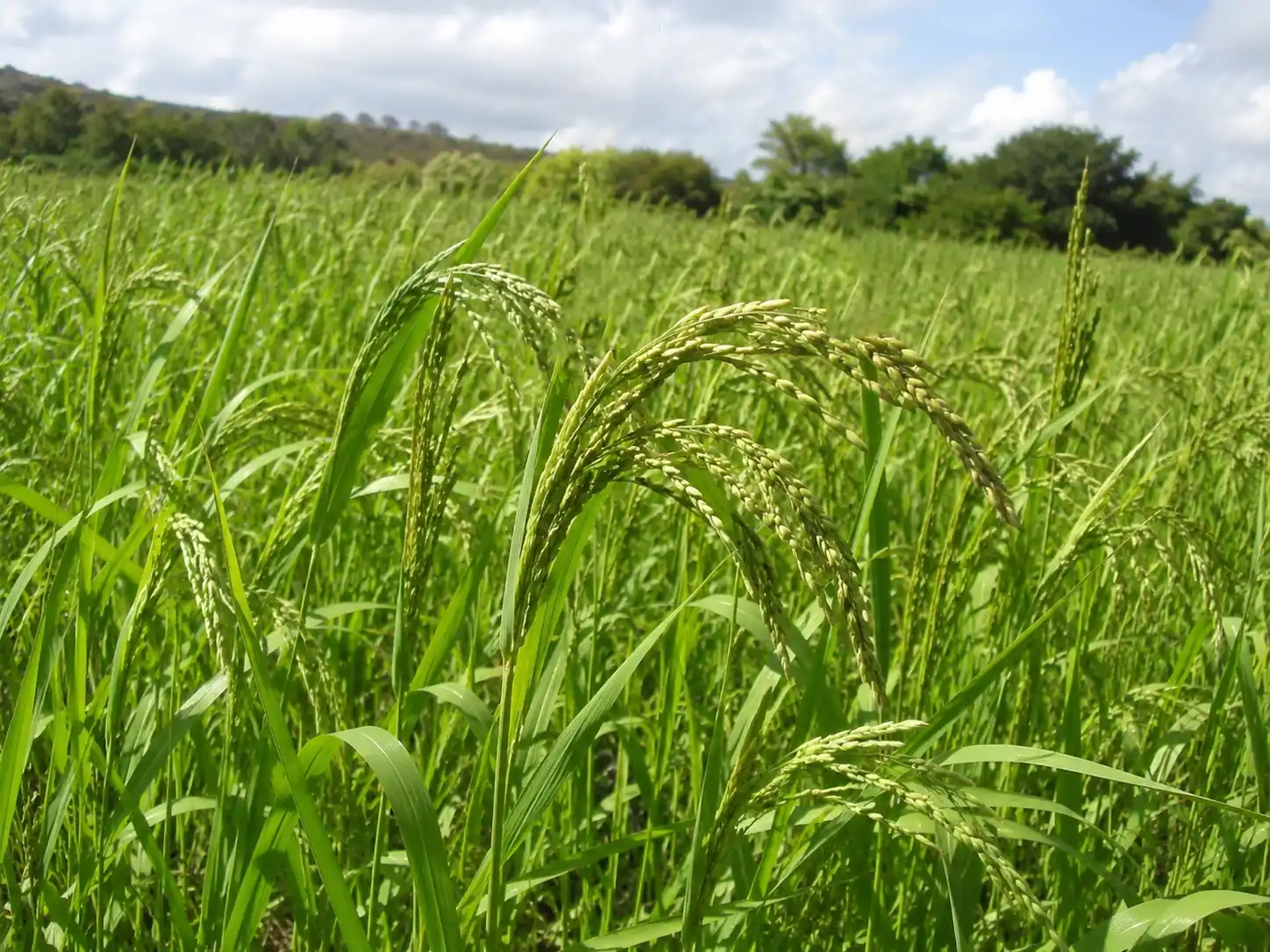
Shirohie Millet is a fast-growing warm-season annual grass widely used for forage, grazing, hay, green manure and summer cover cropping. It establishes rapidly under warm conditions and produces dense, leafy growth, making it particularly useful where quick biomass, ground cover or livestock forage is required.
As a summer cover crop, Shirohie Millet develops a fibrous root system and vigorous above-ground growth that can help suppress weeds, protect exposed soil and reduce erosion. Its rapid growth also makes it useful as a short-term green manure crop between rotations or as a grass component in diverse warm-season cover crop mixes.
- Fast-growing warm-season annual millet for forage, green manure and cover cropping.
- Produces rapid leafy growth and useful summer biomass.
- Suitable for grazing, hay and forage production.
- Provides quick ground cover to help suppress weeds and protect bare soil.
- Fibrous root system helps hold soil and contributes organic residues.
- Useful as a short-term summer cover crop between rotations.
- Can be grown alone or combined with warm-season legumes in cover crop mixes.
- Performs best in warm conditions with adequate soil moisture.
Plant Details
- Plant Type: Warm-season annual forage and cover crop grass
- Botanical Name: Echinochloa esculenta
- Variety: Shirohie
- Growth Height: Approximately 80–150 cm depending on moisture, fertility and growing conditions
- Growth Habit: Upright, leafy and fast growing
- Root System: Dense fibrous grass root system
- Frost Tolerance: Low; frost sensitive
- Drought Tolerance: Moderate once established; best growth occurs with reliable moisture
- Best Position: Full sun
- Important Note: Shirohie Millet is a grass and does not fix nitrogen.
Best Uses
- Warm-season green manure
- Summer cover cropping
- Forage and fodder production
- Grazing
- Hay production
- Rapid biomass production
- Weed suppression and soil cover
- Erosion control
- Organic matter production
- Mixed warm-season cover crops
- Paddocks and broadacre plantings
- Vegetable and orchard rotations
Sowing Information
- Best Sowing Time: Spring to summer once soil temperatures have warmed and frost risk has passed
- Germination Time: Approximately 5–10 days under suitable warm, moist conditions
- Sowing Depth: Approximately 10–20 mm
- Position: Full sun
- Soil Type: Adaptable to a range of soils; performs best where adequate moisture and fertility are available
- Watering: Maintain adequate moisture during germination and establishment; irrigation or rainfall will improve biomass and forage production
- Sow Where: Paddocks, garden beds, orchards, forage areas and summer cover crop rotations
- Companion Crops: Can be mixed with warm-season legumes such as cowpea, lablab or sunn hemp where nitrogen fixation and greater plant diversity are desired.
Sowing Rate and Coverage
| Use | Sowing Rate | Approx. Coverage |
|---|---|---|
| Garden Beds / Green Manure | 5–10 g per m² | 1 kg covers approx. 100–200 m² |
| Dense Cover / Weed Suppression | 10–15 g per m² | 1 kg covers approx. 65–100 m² |
| Forage / Grazing | 15–25 kg per hectare | Increase rate where a denser stand is required |
| Mixed Cover Crop Blends | 5–15 kg per hectare | Use lower rates when mixed with legumes or other cover crops |
Seed Quantity Guide
| Seed Pack Size | Standard Green Manure Coverage | Dense Cover Coverage |
|---|---|---|
| 100 g | 10–20 m² | 6–10 m² |
| 250 g | 25–50 m² | 16–25 m² |
| 500 g | 50–100 m² | 33–50 m² |
| 1 kg | 100–200 m² | 65–100 m² |
| 5 kg | 500–1,000 m² | 325–500 m² |
| 10 kg | 1,000–2,000 m² | 650–1,000 m² |
| 20 kg | 2,000–4,000 m² | 1,300–2,000 m² |
Coverage is a guide only. Increase sowing rates where rapid canopy closure, stronger weed suppression or a particularly dense biomass crop is required.
When to Sow Shirohie Millet Seeds in Australia
| Climate Zone | Best Planting Time | Suitability | Growing Notes |
|---|---|---|---|
| Cool | Late spring to summer | Moderate | Sow after frost risk has passed and soil has warmed. |
| Temperate | Spring to midsummer | Good | Useful for fast summer forage, green manure and ground cover. |
| Subtropical | Spring to early autumn | Excellent | Well suited to warm conditions and rapid summer biomass production. |
| Tropical | Warm growing periods | Excellent | Strong growth where moisture and fertility are adequate. |
| Arid | Spring to summer with rainfall or irrigation | Moderate with moisture | Reliable moisture is important for establishment and useful forage or biomass production. |
How to Sow Shirohie Millet Seeds
- Wait until frost risk has passed and the soil has warmed.
- Prepare a firm, relatively weed-free seedbed.
- Broadcast seed evenly or sow using suitable seeding equipment for larger areas.
- Cover seed with approximately 10–20 mm of soil.
- Firm or roll lightly to improve seed-to-soil contact.
- Water after sowing where rainfall is insufficient and maintain moisture during establishment.
- For green manure, slash before mature seed is produced and incorporate the residue or leave it on the surface as mulch.
Growing Tips
- Sow into warm soil for rapid germination and establishment.
- Adequate moisture and fertility encourage strong leafy growth and biomass production.
- For green manure, slash while plants are actively growing and before mature seed develops.
- For forage or hay, harvest while growth remains leafy and palatable rather than allowing plants to become overly mature.
- Leave slashed material on the surface as mulch or incorporate it into the soil.
- Combine with cowpea, lablab or sunn hemp to add nitrogen-fixing legumes to warm-season cover crop blends.
Forage and Grazing
Shirohie Millet is widely used as a warm-season forage crop because of its rapid establishment and leafy growth. It can be grazed or cut for fodder and hay, with the best forage quality generally obtained while plants are actively growing and before stems and seed heads become overly mature.
For livestock applications, grazing and cutting management should be matched to local growing conditions, livestock requirements and the intended forage system.
Green Manure and Soil Benefits
Shirohie Millet provides rapid summer ground cover and produces both above-ground biomass and a fibrous root system. This can help protect exposed soil, reduce erosion, compete with weeds and contribute organic residues when the crop is slashed.
Because Shirohie Millet is a grass, it does not fix atmospheric nitrogen. Where nitrogen fixation is required, it can be combined with warm-season legumes such as cowpea, lablab or sunn hemp.
Important Notes
- Shirohie Millet is a warm-season annual and is sensitive to frost.
- It does not fix nitrogen; combine with legumes where nitrogen fixation is required.
- Slash before mature seed develops if volunteer millet plants are not wanted.
- Adequate moisture during establishment is important for rapid growth.
- Higher fertility and reliable moisture generally increase forage and biomass production.
- For green manure, manage the crop before mature seed is produced.
Quick Growing Guide
| Feature | Details |
|---|---|
| Plant Type | Warm-season annual forage and cover crop grass |
| Botanical Name | Echinochloa esculenta |
| Variety | Shirohie |
| Best Uses | Forage, grazing, hay, green manure, cover cropping and biomass production |
| Germination | Approx. 5–10 days in warm, moist soil |
| Sowing Depth | Approx. 10–20 mm |
| Sunlight | Full sun |
| Water Needs | Reliable moisture for establishment and best biomass production |
| Nitrogen Fixation | No; combine with legumes for nitrogen-fixing benefits |
| Management | Graze or cut while leafy for forage; slash before mature seed develops for green manure. |
Reviews
There are no reviews yet.