



Basil ‘Dark Opal’ Herb Seeds
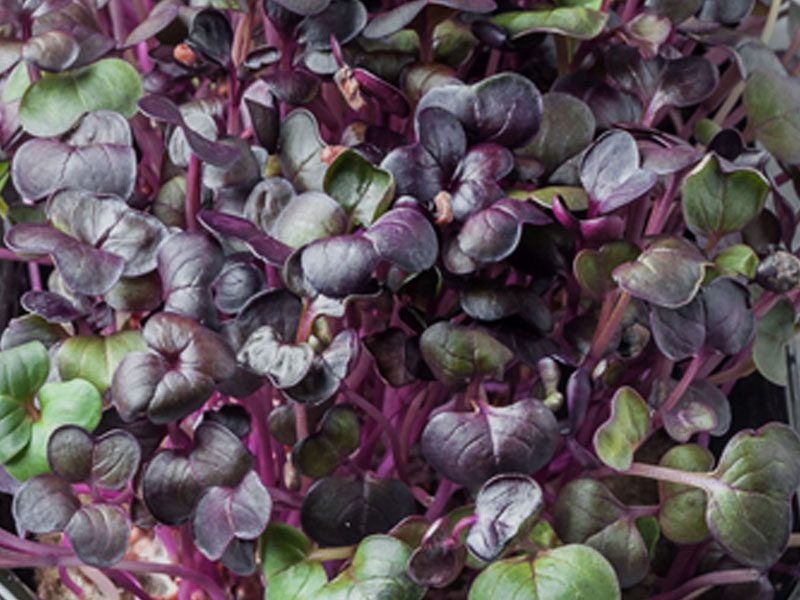
Grow distinctive deep purple basil for fresh culinary use, garnishes, salads and colourful herb production. Dark Opal Basil (Ocimum basilicum) is an open-pollinated purple basil variety producing aromatic, slightly ruffled foliage ranging from deep burgundy-purple to almost black.
The richly coloured leaves provide a striking alternative to traditional green basil and have a strong, aromatic basil flavour. Dark Opal is useful for fresh herb production, specialty salad mixes, garnishes, infused vinegars and other culinary applications where both flavour and colour are desirable.
Plants typically reach approximately 40–45 cm tall and develop attractive purple flowers as they mature. Dark Opal naturally shows some variation in foliage colour, with occasional green or variegated plants occurring within a planting.
Dark Opal Basil Seed Details
| Botanical name | Ocimum basilicum |
|---|---|
| Variety | Dark Opal |
| Seed type | Open-pollinated |
| Plant type | Warm-season annual herb |
| Plant height | Approximately 40–45 cm |
| Foliage | Deep purple to burgundy, slightly ruffled aromatic leaves |
| Leaf size | Approximately 4–8 cm at full size |
| Flower colour | Purple to reddish-purple |
| Position | Full sun |
| Sowing depth | Approximately 5–6 mm |
| Germination | Approximately 5–10 days under suitable warm conditions |
| Maturity | Approximately 70 days from sowing for mature foliage, depending on growing conditions |
Why Grow Dark Opal Basil?
- Distinctive deep purple to burgundy foliage provides strong visual contrast to green basil varieties.
- Aromatic leaves are suitable for fresh culinary use, salads, garnishes and specialty herb production.
- Open-pollinated purple basil variety with an upright, bushy growth habit.
- Suitable for garden beds, raised beds, containers and commercial herb production.
- Young leaves can be harvested progressively throughout the growing season.
- Purple flowers are edible and can also be used as colourful culinary garnishes.
- Useful for specialty fresh-market sales where foliage colour provides product differentiation.
- Regular cutting and removal of flower spikes can encourage continued vegetative growth and leaf production.
How to Grow Dark Opal Basil from Seed
Dark Opal Basil is a warm-season herb that performs best in full sun, warm conditions and fertile, well-drained soil. Seed can be direct sown once conditions are warm or started in trays for later transplanting.
- Choose a warm, sunny position.
Select a location receiving full sun. Strong light supports compact plant growth and good development of the characteristic dark foliage. - Prepare fertile, free-draining soil.
Basil performs best in moderately fertile soil with good drainage and consistent moisture. Incorporate compost or well-rotted organic matter before planting where required. - Sow the basil seeds.
Sow approximately 5–6 mm deep into seed-raising mix or prepared soil. Cover lightly and water gently. - Maintain warm conditions.
Dark Opal Basil generally germinates in approximately 5–10 days at suitable temperatures around 18–21°C or warmer. Keep the growing medium consistently moist but not saturated. - Transplant after frost risk has passed.
Where seedlings are started indoors or under protection, transplant once they have developed several sets of true leaves and outdoor conditions are reliably warm. - Use suitable spacing.
For full-sized plants, approximately 10–20 cm between plants can be used depending on the production system and intended harvest method. Wider spacing encourages larger individual plants, while closer spacing can suit repeated cut production. - Maintain consistent moisture.
Basil performs best with regular moisture. Avoid prolonged drought stress as well as waterlogged soil. - Harvest regularly.
Begin light harvesting once plants are well established. Pinching or cutting stems above a pair of leaves encourages branching and continued production.
When to Plant Basil Seeds in Australia
Dark Opal Basil is a frost-sensitive, warm-season herb. The best sowing period depends on local temperature and frost risk, with basil growing most vigorously once both soil and air temperatures are consistently warm.
| Climate | General Sowing Guide |
|---|---|
| Tropical | Can be grown through much of the year where conditions are suitable; avoid periods of excessive rainfall, waterlogging and severe heat stress. |
| Subtropical | Spring through autumn in warm, frost-free conditions; protect plants from cold winter temperatures. |
| Temperate | Spring through summer after frost danger has passed; seed can be started under protection before outdoor conditions are suitable. |
| Cool / frost-prone | Start indoors or under protection in spring and transplant outdoors after the final frost once conditions have warmed. |
For best results, base sowing decisions on local temperatures and frost risk rather than calendar dates alone. Basil grows poorly in cold conditions and can be damaged or killed by frost.
Why Is Dark Opal Basil Purple?
Dark Opal is selected for its high concentration of purple pigmentation, producing foliage ranging from reddish-purple and burgundy through to very dark purple.
Unlike highly uniform modern purple basil cultivars, Dark Opal can naturally show some variation in foliage colour. Commercial seed descriptions note that a proportion of plants may develop green or variegated foliage.
This variation is characteristic of the variety rather than necessarily indicating that the seed is incorrect. Growers requiring highly uniform purple foliage for commercial bunching should take this characteristic into account when planning production.
Harvesting Dark Opal Basil
Dark Opal Basil can be harvested progressively once plants are sufficiently established. Mature foliage is generally produced at approximately 70 days from sowing, although young leaves can be harvested earlier.
Young leaves: Harvest tender young foliage for garnishes, salads and fresh culinary use.
Full-sized leaves: Mature leaves typically reach approximately 4–8 cm and develop the characteristic dark purple colouring.
Cut-and-regrow harvest: Cut stems above healthy leaf nodes, leaving sufficient foliage on the plant to support regrowth. Plants can produce additional shoots for subsequent harvests while conditions remain favourable.
Harvest timing: Harvest during the cooler part of the day where practical. Basil leaves bruise readily, so handle harvested stems and leaves carefully.
For leaf production, remove flower spikes as they develop. If flowers are required for culinary garnishes or ornamental use, allow selected stems to flower.
How to Use Dark Opal Basil
Dark Opal combines the culinary uses of basil with distinctive dark foliage, making it particularly useful where both flavour and presentation are important.
- Fresh herbs: Use young leaves fresh in dishes where aromatic basil flavour is required.
- Salads: Purple leaves provide colour contrast in fresh salads and specialty leaf mixes.
- Garnishes: The dark foliage provides a distinctive edible garnish for plated dishes.
- Restaurant supply: Useful for chefs seeking a coloured basil for culinary presentation and specialty dishes.
- Infused vinegar: Dark Opal is traditionally used in herb vinegars where the coloured foliage can contribute both flavour and visual interest.
- Edible flowers: Purple flowers can be used as an edible garnish and have a concentrated basil flavour.
- Fresh-market bunches: Dark foliage provides a point of difference from conventional green basil at farmers’ markets and specialty produce outlets.
Dark Opal Basil for Market Gardens & Commercial Herb Production
Dark Opal is particularly useful for growers wanting a coloured basil that provides visual differentiation from standard green varieties. Its deep purple foliage can be marketed as a specialty culinary herb or incorporated into mixed herb and specialty produce ranges.
The variety can be grown for individual leaves, cut stems or fresh bunches. Regular cutting encourages branching and allows repeated harvests while temperatures and plant health remain favourable.
Growers should be aware that Dark Opal is not completely uniform for purple foliage. Some plants can produce green or variegated leaves. This natural variation can be attractive in mixed production but should be considered where customers require uniformly dark-purple bunches.
Dark Opal is also not specifically bred for modern basil disease-resistance packages. Commercial growers in areas with significant basil downy mildew or other disease pressure should consider local disease risk when selecting varieties and production systems.
Frequently Asked Questions
What is Dark Opal Basil?
Dark Opal is an open-pollinated purple basil variety of Ocimum basilicum. It produces aromatic, slightly ruffled leaves ranging from burgundy-purple to very dark purple and develops purple flowers as plants mature.
Is Dark Opal Basil edible?
Yes. Dark Opal is an edible culinary basil. Both the leaves and flowers can be used in food.
What does Dark Opal Basil taste like?
Dark Opal has a strong aromatic basil flavour. Its distinctive colour makes it particularly useful in dishes where both flavour and visual presentation are important.
How tall does Dark Opal Basil grow?
Plants generally reach approximately 40–45 cm tall under suitable growing conditions.
Are all Dark Opal Basil plants completely purple?
No. Dark Opal can naturally produce some green or variegated plants in addition to predominantly purple plants. This variability is a recognised characteristic of the variety.
How long does Dark Opal Basil take to germinate?
Seed generally germinates in approximately 5–10 days under suitable warm conditions, with temperatures around 18–21°C or warmer supporting reliable establishment.
How deep should Dark Opal Basil seeds be planted?
Sow the seeds approximately 5–6 mm deep and cover lightly with seed-raising mix or fine soil.
Does Dark Opal Basil need full sun?
Yes. Dark Opal performs best in full sun. Adequate light also supports strong plant growth and development of the dark foliage.
When should basil seeds be planted in Australia?
Basil is a warm-season, frost-sensitive crop. In temperate and cool areas, sow during spring once conditions warm or start seed earlier under protection. Tropical and subtropical growers generally have a longer production season.
How long does Dark Opal Basil take to mature?
Dark Opal reaches mature foliage production at approximately 70 days from sowing under suitable conditions. Young leaves can be harvested earlier once plants are sufficiently established.
Can Dark Opal Basil be harvested more than once?
Yes. Cut stems above healthy leaf nodes and leave sufficient foliage for regrowth. Regular cutting can provide repeated harvests while plants remain actively growing.
Should Dark Opal Basil flowers be removed?
For continued leaf production, remove flower spikes as they develop. Flowers can instead be retained where edible flowers, ornamental stems or seed production are required.
Can Dark Opal Basil be grown in pots?
Yes. Dark Opal grows well in containers provided they have good drainage, sufficient growing medium, regular moisture and plenty of sunlight.
Is Dark Opal Basil suitable for commercial growers?
Yes. Dark Opal can be grown by market gardeners and commercial herb producers for fresh leaves, bunches, specialty produce and restaurant supply. Growers should account for the natural variation in purple foliage when uniform colour is required.
Is Dark Opal Basil open-pollinated?
Yes. Dark Opal is an open-pollinated basil variety.
Can Dark Opal Basil flowers be eaten?
Yes. The flowers are edible and have a concentrated basil flavour. They can be used as garnishes in salads, drinks, soups, pasta and other dishes.
Where can I buy Dark Opal Basil seeds in Australia?
Seedmart supplies Dark Opal Basil seed for Australian growers seeking a distinctive purple culinary basil for fresh herbs, specialty produce, garnishes and market garden production.
Reviews
There are no reviews yet.