
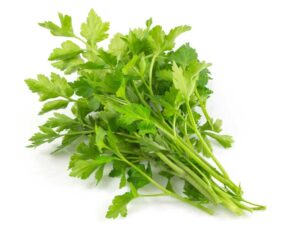

Lemon Balm Herb Seeds
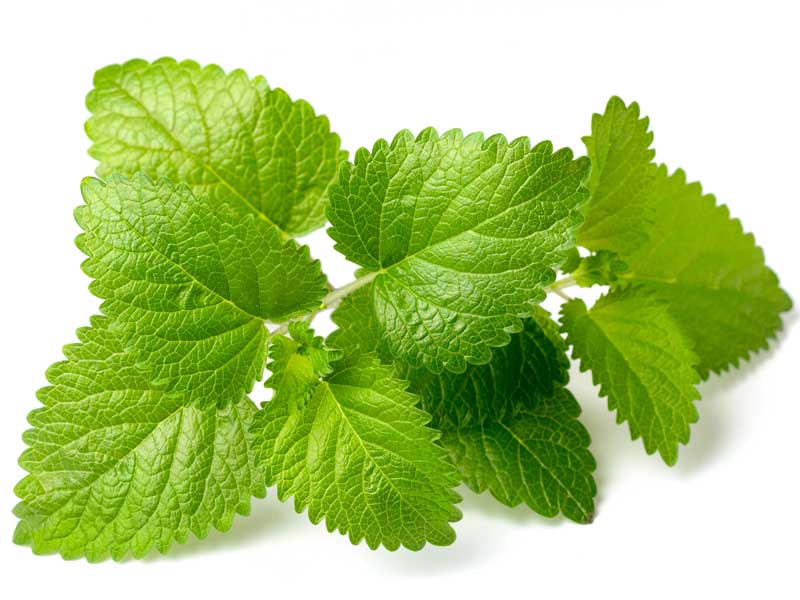
Grow aromatic Lemon Balm for fresh culinary use, herbal teas, edible gardens and specialty herb production. Lemon Balm (Melissa officinalis) is a perennial herb in the mint family, producing soft green leaves with a distinctive fresh lemon fragrance when crushed.
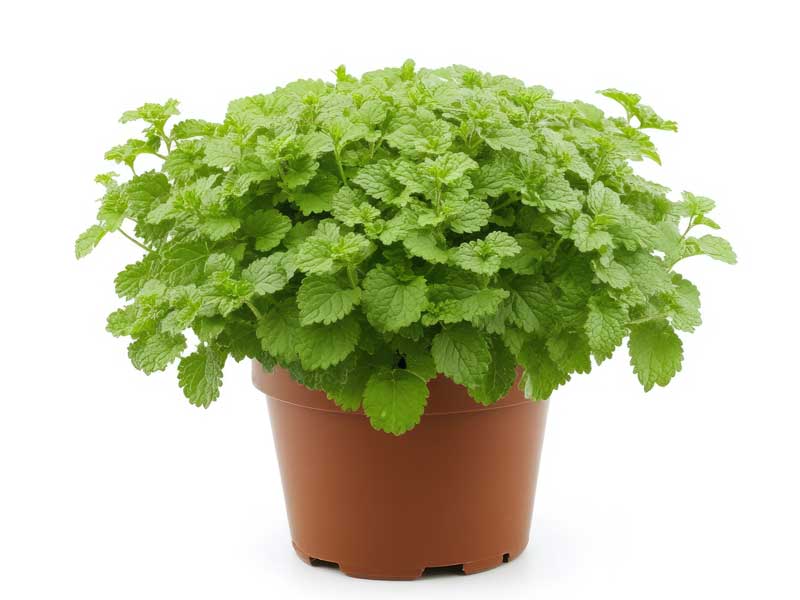
The young leaves have a mild lemony flavour and can be used fresh in herbal teas, cold drinks, salads, desserts and as a culinary garnish. Plants develop into bushy clumps and can be harvested repeatedly during active growth, making Lemon Balm suitable for home herb gardens as well as small-scale and specialty fresh-herb production.
Once established, Lemon Balm is relatively hardy and can persist for several years in suitable conditions. Like many members of the mint family, established plants can spread and may self-seed if flowering stems are allowed to mature.
Lemon Balm Seed Details
| Botanical name | Melissa officinalis |
|---|---|
| Common name | Lemon Balm |
| Plant type | Herbaceous perennial |
| Plant family | Lamiaceae (mint family) |
| Plant height | Approximately 40–70 cm, depending on growing conditions |
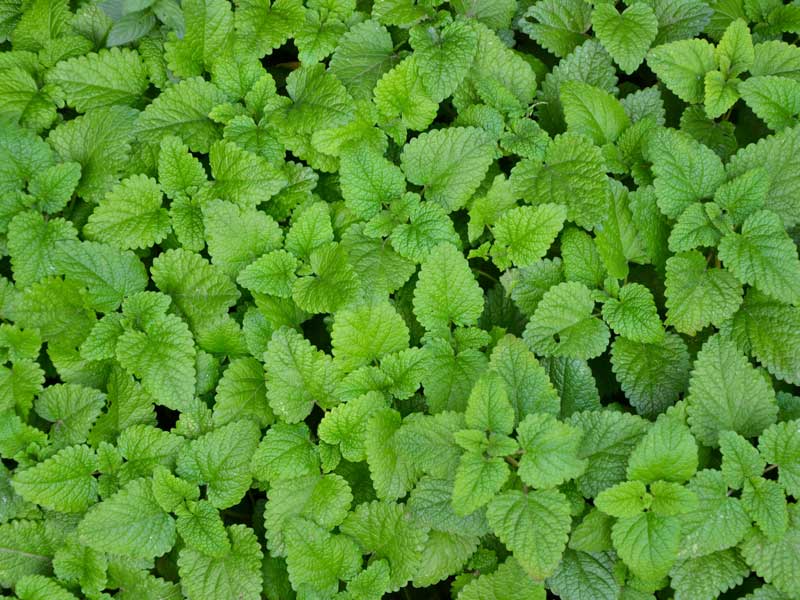
| Foliage | Soft green, slightly crinkled leaves with a lemon fragrance |
| Flavour | Mild, fresh and lemony |
| Position | Full sun to partial shade |
| Sowing depth | Surface sow or cover very lightly; seed requires light for best germination |
| Plant spacing | Approximately 30–45 cm |
| Harvest | Young leaves can be harvested once plants are well established; repeated harvests are possible during active growth |
Why Grow Lemon Balm?
- Produces aromatic green foliage with a distinctive fresh lemon fragrance.
- Young leaves can be used fresh for herbal teas, drinks, desserts, salads and culinary garnishes.
- Perennial plants can provide repeated harvests over successive growing seasons.
- Suitable for herb gardens, raised beds, containers and specialty fresh-herb production.
- Tolerates full sun to partial shade, making it adaptable to a range of growing situations.
- Regular cutting encourages fresh leafy growth and helps maintain a compact plant.
- Small flowers are attractive to bees and other pollinating insects.
- Can be grown commercially for fresh bunches, culinary leaves and dried herb production.
How to Grow Lemon Balm from Seed
Lemon Balm is a hardy perennial herb that performs best in fertile, well-drained soil with reasonably consistent moisture. The small seeds should be surface sown or only very lightly covered because light assists germination.
- Choose a suitable position.
Select a position in full sun to partial shade. In hot Australian climates, some afternoon shade can help protect plants from excessive heat and moisture stress. - Prepare fertile, well-drained soil.
Lemon Balm adapts to a range of soils but performs best where drainage is good and moderate fertility is available. Incorporate compost or well-rotted organic matter where required. - Sow the seeds shallowly.
Surface sow onto moist seed-raising mix or prepared soil and press gently into the surface. Cover only very lightly, if at all, as Lemon Balm seed benefits from light during germination. - Maintain consistent moisture.
Keep the growing medium evenly moist while the seeds germinate, using gentle watering to avoid washing the small seeds away. Do not leave the medium waterlogged. - Allow time for germination.
Lemon Balm can germinate more slowly and irregularly than many annual herbs. Maintain suitable moisture and temperature rather than allowing the seedbed to dry out. - Transplant established seedlings.
Seedlings started in trays can be transplanted once they are large enough to handle and have developed a healthy root system. - Space plants appropriately.
Allow approximately 30–45 cm between established plants. Lemon Balm develops into a branching clump and requires adequate room for airflow and repeated harvesting. - Harvest regularly.
Cut young stems and leaves as required. Regular harvesting encourages new growth and helps prevent plants becoming excessively tall or flowering prematurely.
When to Plant Lemon Balm Seeds in Australia
Lemon Balm is a perennial herb that grows across a broad range of Australian climates. Establishment is generally easiest during mild conditions, avoiding periods of severe heat, waterlogging or heavy frost while seedlings are young.
| Climate | General Sowing Guide |
|---|---|
| Tropical | Best established during the cooler and drier part of the year; provide good drainage and protection from intense afternoon heat where required. |
| Subtropical | Autumn through spring generally provides favourable establishment conditions; partial shade can be useful during hot summers. |
| Temperate | Sow from spring through early autumn, avoiding extreme heat during establishment. Established plants can persist through successive seasons. |
| Cool / frost-prone | Sow in spring after severe frost conditions have eased, or start seed under protection for later transplanting. Established plants may die back during winter and regrow when conditions warm. |
Planting times are general guides. Local temperatures, rainfall, elevation and growing conditions should be considered when planning sowing and transplanting.
Harvesting Lemon Balm
Lemon Balm can be harvested once plants are well established and producing sufficient leafy growth. Young foliage generally provides the best combination of tenderness, aroma and fresh lemon flavour.
Individual leaves: Pick young leaves as required for fresh culinary use, herbal teas and garnishes.
Stem harvest: Cut leafy stems above a healthy node to encourage branching and new growth.
Repeated harvests: Established plants can be cut several times during active growth. Avoid removing all foliage at once, particularly from young or stressed plants.
Before flowering: For fresh herb and dried leaf production, foliage is commonly harvested before or around the beginning of flowering when plants are actively growing and aromatic.
Regular cutting helps maintain compact plants and encourages production of fresh young leaves.
How to Use Lemon Balm
Lemon Balm is valued for its fresh citrus aroma and mild lemon flavour and can be used fresh or dried in a range of culinary applications.
- Herbal tea: Fresh or dried leaves can be steeped in hot water to make a lemon-scented herbal infusion.
- Cold drinks: Fresh leaves can be added to chilled water and other non-alcoholic drinks for a mild lemon aroma.
- Salads: Finely sliced young leaves can add a fresh citrus note to salads.
- Desserts: Young leaves can complement fruit, cakes and other sweet dishes.
- Culinary garnishes: Fresh shoots and leaves can be used as an aromatic edible garnish.
- Fresh herb bunches: Suitable for specialty herb sales and direct supply to restaurants and fresh-produce customers.
- Dried herb: Leaves can be dried for later use, although the aroma is generally strongest in freshly harvested foliage.
Lemon Balm for Market Gardens & Commercial Herb Production
Lemon Balm can be grown as a specialty herb for fresh bunches, loose leaves, restaurant supply, herbal tea products and dried herb production. As a perennial, established plants can provide repeated harvests without requiring the crop to be resown after every cut.
For fresh-market production, regular cutting encourages branching and maintains a supply of younger, more tender foliage. Harvested leaves and stems should be handled carefully to minimise bruising and deterioration.
Plant spacing can be adjusted according to the intended harvest system, equipment and production scale. Wider spacing allows plants to develop into substantial clumps, while closer commercial spacing may be appropriate where plants are regularly cut back.
Growers should also manage flowering and self-seeding. Removing flower stems can extend vegetative production and helps prevent Lemon Balm from spreading beyond the intended production area.
Lemon Balm Flowers & Pollinators
Established Lemon Balm plants produce small pale flowers during the warmer growing season. Although the flowers are relatively inconspicuous, they are attractive to bees and other pollinating insects.
The botanical name Melissa is associated with the Greek word for honeybee, reflecting the plant’s long association with bees.
Where leaf production is the priority, flower stems can be removed as they develop. Where plants are being grown as part of a pollinator garden, selected plants can be allowed to flower.
Allowing flowers to mature may result in self-seeding, so remove spent flower heads before seed ripens where volunteer seedlings are not wanted.
Growing Lemon Balm in Pots
Lemon Balm grows well in containers and pot culture can be particularly useful where growers want to restrict its spread.
Choose a reasonably large container with drainage holes and fill it with a quality, free-draining growing medium. Position the container in full sun or partial shade depending on the local climate.
Container-grown plants require more frequent moisture monitoring than established plants in garden soil, particularly during hot weather. Water when required but avoid leaving the growing medium permanently saturated.
Regular cutting will help maintain a compact plant and provide repeated harvests of fresh young foliage.
Frequently Asked Questions
What is Lemon Balm?
Lemon Balm (Melissa officinalis) is an aromatic perennial herb in the mint family. It produces soft green leaves with a distinctive lemon fragrance and mild citrus flavour.
Is Lemon Balm a perennial?
Yes. Lemon Balm is a herbaceous perennial and can persist for several years where growing conditions are suitable.
What does Lemon Balm taste like?
Young Lemon Balm leaves have a mild, fresh lemon flavour with the aromatic character typical of plants in the mint family.
What is Lemon Balm used for?
The leaves are commonly used for herbal teas, cold drinks, salads, desserts, fresh herb bunches and culinary garnishes. Leaves can be used fresh or dried.
Does Lemon Balm need full sun?
Lemon Balm grows in full sun to partial shade. In hot Australian climates, some afternoon shade can help reduce heat and moisture stress.
How deep should Lemon Balm seeds be planted?
Lemon Balm seed should be surface sown or covered only very lightly. Press the small seeds gently onto moist growing medium and maintain consistent moisture during germination.
Does Lemon Balm seed need light to germinate?
Yes. Lemon Balm seed benefits from light during germination, which is why it should not be deeply buried.
When should Lemon Balm be planted in Australia?
Lemon Balm is best established during mild growing conditions. Spring is suitable in temperate and cool climates, while subtropical and tropical growers can often achieve better establishment during the cooler part of the year.
How far apart should Lemon Balm plants be spaced?
Approximately 30–45 cm between plants is suitable for established plants, although commercial spacing can be adjusted according to the intended harvest system.
How tall does Lemon Balm grow?
Plants commonly reach approximately 40–70 cm tall, although final size varies with climate, soil, moisture, fertility and management.
Can Lemon Balm be harvested more than once?
Yes. Established plants can be harvested repeatedly during active growth. Cutting stems above healthy nodes encourages branching and new foliage.
Can Lemon Balm be grown in pots?
Yes. Lemon Balm performs well in containers, and container growing can help restrict unwanted spreading or self-seeding.
Does Lemon Balm spread?
Lemon Balm forms expanding perennial clumps and can also spread through self-seeding. Removing flower heads before seed matures can help keep plants contained.
Should Lemon Balm flowers be removed?
Remove flower stems where continued leaf production and control of self-seeding are priorities. Alternatively, allow selected plants to flower where pollinator value is desired.
Is Lemon Balm attractive to bees?
Yes. Lemon Balm flowers attract bees and other pollinating insects.
Can Lemon Balm be dried?
Yes. Leaves can be dried for later use in herbal infusions and other applications. Harvest healthy foliage and dry it thoroughly before storage.
Is Lemon Balm suitable for commercial herb production?
Yes. Lemon Balm can be grown for fresh bunches, loose culinary leaves, restaurant supply and dried herb production. Its perennial growth habit also allows repeated harvests from established plantings.
Where can I buy Lemon Balm seeds in Australia?
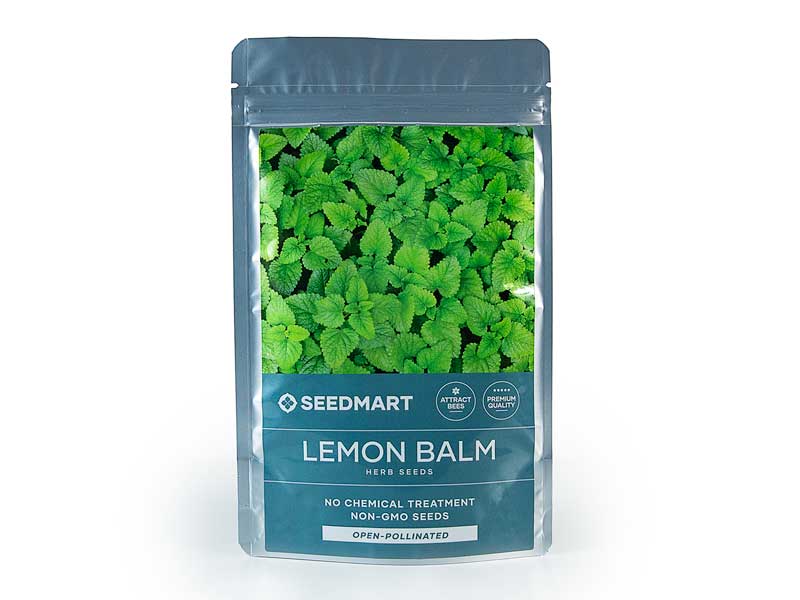
Seedmart supplies Lemon Balm seed for Australian growers producing culinary herbs, fresh herb bunches, herbal tea ingredients and perennial herb plantings.
Phillip Ireland –
Ordered Lemon Balm seeds from Seedmart and received the product within a few days. slow growing but good yield and great flavor.
Jas LOKE –
Hi. Can I plant out in garden and they grow like normal big lemon balm?