

Red Amaranth Microgreen Seeds
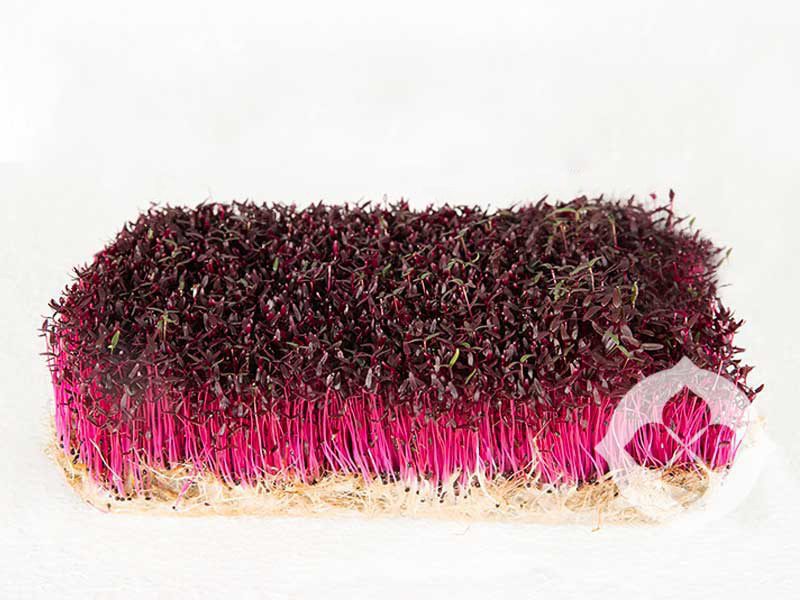
Grow vibrant red amaranth microgreens at home in approximately 12–18 days. Red amaranth microgreen seeds produce delicate seedlings with striking red, burgundy and magenta colouring and a mild, earthy flavour. Their fine stems and colourful leaves make them particularly popular for fresh garnishes, salads and speciality microgreen mixes.
Red amaranth is a slower and more delicate crop than many brassica microgreens, but its distinctive colour makes it highly valued by home growers, chefs, restaurants and commercial microgreen producers. It prefers warm growing conditions and performs best when moisture, airflow and seed density are carefully managed.
Seedmart Red Amaranth Microgreen Seeds are suitable for growing in shallow trays using quality soil, coir or other suitable microgreen growing media and are available in packet and bulk quantities.
Red Amaranth Microgreen Seed Details
| Botanical name | Amaranthus tricolor |
|---|---|
| Variety | Red Garnet |
| Plant family | Amaranthaceae |
| Pre-soak | Not required |
| Approximate sowing rate | Approximately 8–15 g per 10 × 20 inch tray |
| Growing medium | Soil, coir or suitable microgreen growing medium |
| Germination | Approximately 2–4 days under suitable warm conditions |
| Typical harvest | Approximately 12–18 days |
| Availability | Retail packets and bulk quantities |
Why Grow Red Amaranth Microgreens?
- Produces striking red, burgundy and magenta-coloured microgreens.
- Mild, earthy flavour that combines well with other microgreen varieties.
- Excellent for salads, fresh garnishes and restaurant presentation.
- Fine, delicate seedlings provide visual contrast in mixed microgreen trays.
- Suitable for indoor growing throughout the year where warm conditions can be maintained.
- No seed pre-soaking required.
- Can be grown using soil, coir or suitable hydroponic microgreen media.
- Suitable for home growers, chefs and commercial microgreen production.
- Available in smaller packets and economical bulk quantities.
- Supplied by an Australian-owned seed company.
How to Grow Red Amaranth Microgreens
Red amaranth microgreens require slightly more careful management than fast-growing varieties such as broccoli or radish. The seed is extremely small, so even sowing, warm temperatures and controlled moisture are particularly important.
For a standard 10 × 20 inch microgreen tray, approximately 8–15 grams of seed provides a useful starting sowing range. Lower or higher rates may suit particular tray systems and growing conditions.
- Prepare the growing tray.
Add approximately 2–4 cm of moist quality growing medium to a shallow tray and gently level the surface. Soil, coir and other fine-textured microgreen media can be used successfully. - Sow the red amaranth seeds.
Spread the very fine seeds as evenly as possible across the surface. Take particular care to avoid thick patches, as overcrowded amaranth can be more vulnerable to poor airflow and excessive moisture. - Mist gently.
Use a fine spray mister to moisten the seeds without washing them into clusters. The tiny seeds should remain close to the surface rather than being buried deeply. - Cover for germination.
Cover the tray during the initial germination stage to help maintain consistent moisture. Red amaranth prefers warm growing conditions and may germinate or grow slowly when temperatures are too cool. - Maintain careful moisture.
Keep the growing medium evenly moist but not saturated. Red amaranth seedlings are delicate, and persistently wet conditions can increase the risk of damping off and weak growth. - Introduce the seedlings to light.
Once germination is established and the seedlings are pushing upward, remove the covering tray and expose them to suitable natural or artificial growing light. - Water from below where possible.
Once the seedlings are established, bottom watering can help protect the delicate stems and foliage while reducing surface moisture. Maintain good airflow around the crop. - Harvest the microgreens.
Red amaranth microgreens are commonly ready for harvest approximately 12–18 days after sowing, although some growers allow them to develop longer before harvesting at the first true-leaf stage. Cut the stems carefully just above the growing medium.
Red Amaranth Microgreens: Colour and Appearance
Red amaranth is grown as much for its appearance as for its flavour. The fine seedlings develop vivid red, burgundy, magenta and purple tones, producing strong visual contrast against green microgreens and other salad ingredients.
The leaves and stems are smaller and more delicate than many brassica microgreens, giving red amaranth a refined appearance that is particularly useful for restaurant plating and speciality garnishes.
Colour intensity can vary with variety, crop age, temperature, light and other growing conditions.
What Do Red Amaranth Microgreens Taste Like?
Red amaranth microgreens have a mild, earthy flavour with a delicate fresh character. They are generally much less peppery than mustard or radish microgreens.
Their mild taste allows the vivid colour to be used without overpowering other ingredients, making red amaranth particularly suitable for colourful salad mixes, fresh garnishes and dishes where visual presentation is important.
The fine stems and leaves are tender and are best used fresh or added immediately before serving.
How to Use Red Amaranth Microgreens
Red amaranth microgreens are particularly useful where both colour and delicate texture are wanted.
- Add to salads and mixed microgreen blends.
- Use as a colourful garnish for restaurant and café dishes.
- Scatter over grain bowls, vegetable dishes and salads.
- Add to sandwiches and wraps.
- Use as a finishing garnish for soups immediately before serving.
- Combine with green microgreens such as broccoli for strong colour contrast.
- Use in speciality catering and food presentation.
Because the seedlings are delicate, red amaranth microgreens are generally best handled gently and added fresh rather than subjected to prolonged cooking.
Red Amaranth Microgreens vs Broccoli Microgreens
Red amaranth and broccoli can both be grown as microgreens, but they differ considerably in appearance, growing characteristics and crop management.
| Feature | Red Amaranth Microgreens | Broccoli Microgreens |
|---|---|---|
| Appearance | Fine red, burgundy and magenta stems and leaves | Green cotyledons with pale stems |
| Flavour | Mild and earthy | Mild, fresh brassica flavour |
| Typical harvest | Approximately 12–18 days | Approximately 8–14 days |
| Growing difficulty | More delicate and benefits from warm, controlled conditions | Relatively easy and adaptable |
| Best suited to | Colourful garnishes and speciality microgreen mixes | Everyday microgreen production and mild salad mixes |
Red amaranth is particularly useful where intense colour and fine texture are priorities, while broccoli is usually easier and faster for growers wanting a reliable everyday microgreen crop.
Frequently Asked Questions
How long do red amaranth microgreens take to grow?
Red amaranth microgreens are commonly ready for harvest approximately 12–18 days after sowing. Some growers harvest earlier at the cotyledon stage, while others allow the first true leaves to begin developing before cutting.
Do red amaranth microgreen seeds need to be soaked?
No. Red amaranth seeds do not normally require pre-soaking before sowing. Because the seeds are extremely small, they are generally easier to distribute evenly when sown dry.
How many red amaranth seeds should I use in a 10 × 20 tray?
Approximately 8–15 grams of Red Amaranth Microgreen Seeds per standard 10 × 20 inch tray provides a practical starting range. Exact density can be adjusted according to the tray system, growing medium and preferred harvest stage.
How long do red amaranth microgreen seeds take to germinate?
Under suitable warm conditions, red amaranth commonly begins germinating within approximately 2–4 days. Cooler temperatures can slow both germination and subsequent growth.
Do red amaranth microgreens need warm temperatures?
Yes. Red amaranth prefers warmer growing conditions than many brassica microgreens. Consistent warmth generally supports faster germination, stronger growth and a more reliable crop.
Can red amaranth microgreens be grown without soil?
Yes. Red amaranth can be grown using suitable hydroponic or soilless microgreen media as well as soil and coir. The chosen medium should retain adequate moisture while still providing good drainage and airflow.
Do red amaranth microgreens need light?
After the initial germination stage, red amaranth seedlings require suitable natural or artificial growing light. Light supports normal plant development and helps the crop develop its characteristic colouring.
Why are my red amaranth microgreens falling over?
Amaranth seedlings are naturally fine and delicate. Excessive watering, inadequate light, overcrowding, low airflow or unsuitable temperatures can contribute to weak growth. Use an appropriate seeding density and avoid keeping the growing medium saturated.
Why are my red amaranth microgreens not very red?
Colour can vary according to genetics, light intensity, temperature and crop maturity. Seedlings often develop stronger red, burgundy and magenta tones as they become established under suitable growing light.
When should red amaranth microgreens be harvested?
Harvest is commonly around 12–18 days after sowing, depending on growing conditions and preferred crop size. Cut the stems carefully just above the growing medium once the cotyledons are fully developed or as the first true leaves begin to appear.
What do red amaranth microgreens taste like?
Red amaranth microgreens have a mild, earthy flavour and tender texture. Their taste is much less sharp than mustard or radish microgreens.
Can red amaranth microgreens be grown indoors?
Yes. Red amaranth is well suited to indoor microgreen production where suitable warmth, light, airflow and moisture can be maintained.
Are red amaranth microgreens suitable for commercial growers?
Yes. Their intense colour and delicate appearance make red amaranth particularly useful for restaurants, chefs, speciality microgreen growers and mixed microgreen production. They do require more careful crop management than some faster-growing varieties.
Are red amaranth microgreens difficult to grow?
They can be slightly more challenging than broccoli, radish or mustard microgreens because the seedlings are very small and sensitive to excessive moisture and cool growing conditions. Consistent warmth, controlled watering and good airflow improve reliability.
Where can I buy Red Amaranth Microgreen Seeds in Australia?
Seedmart supplies Red Amaranth Microgreen Seeds in packet and bulk quantities for home growers, chefs, market gardeners, commercial microgreen growers and businesses throughout Australia.
Need More Help Growing Red Amaranth Microgreens?
Growing your own Red Amaranth microgreens? Follow our step-by-step guide to growing Red Amaranth microgreens for advice on sowing, germination, blackout, watering, light and harvesting.

Reviews
There are no reviews yet.