




Basil Seeds
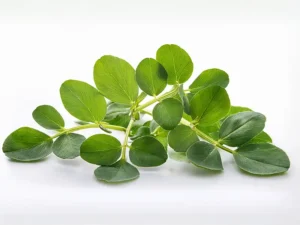
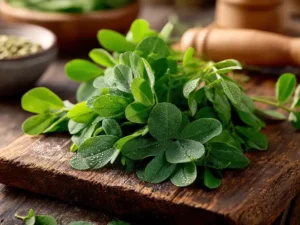
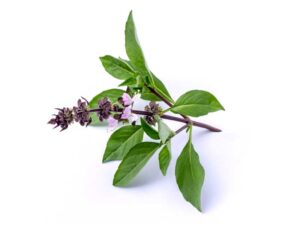
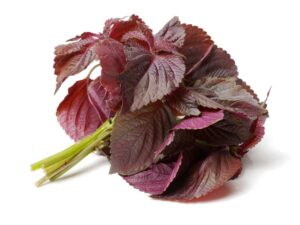
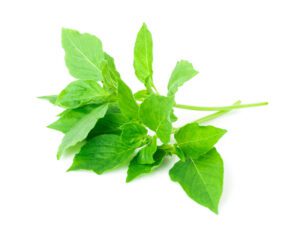
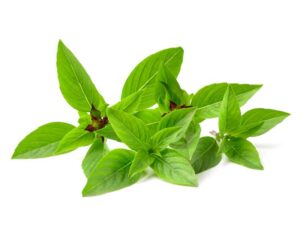
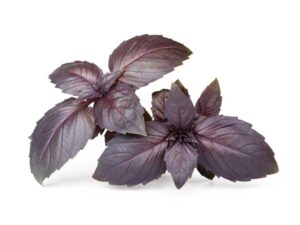
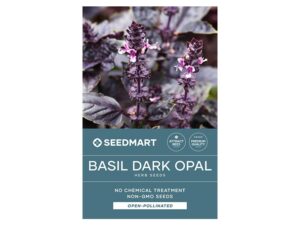
Basil varieties differ in leaf size, flavour, colour, growth habit and climate preference. Options include sweet basil, Genovese basil, Thai basil, holy basil, lemon basil and purple basil.
























Herb seed buying guide
Growing herbs from seed gives gardeners access to a wider selection of culinary, aromatic and specialist varieties than is usually available as established plants. Herbs can be grown in garden beds, raised beds, containers, greenhouses and larger commercial production systems.
Seedmart supplies herb seeds for home gardeners, cafés, restaurants, market gardens, farms and commercial herb growers throughout Australia. The range includes familiar kitchen herbs, Asian herbs, heirloom varieties, open-pollinated selections and less common specialty crops.
The best herb seeds will depend on your climate, available space, preferred flavours, harvest requirements and whether the crop will be grown for fresh leaves, flowers, seed, microgreens or longer-term production.
Choose from classic culinary herbs, regional varieties, Asian herbs, heirloom selections and specialist crops that may be difficult to find as seedlings.
A packet of herb seed can produce many plants, while bulk quantities offer better value for frequent sowing and larger-scale production.
Many herbs can be cut repeatedly through the growing season, while succession sowing helps maintain a steady supply of fresh leaves.
Many herbs grow well in containers, balcony gardens, kitchen gardens and compact raised beds.
Harvest herbs as required for cooking, garnishing, teas, preserving and other household or commercial uses.
Choose packets for household growing or larger quantities for restaurants, growers, nurseries and commercial production.
Herbs vary considerably in growth habit, harvest method, climate preference and time to maturity. Some are fast-growing annuals, while others form permanent perennial plants.
| Growing Goal | Recommended Herbs | Why Choose Them? |
|---|---|---|
| Easy for beginners | Basil, parsley, coriander, dill and chives | Widely grown herbs with straightforward sowing and harvesting requirements. |
| Fast harvests | Coriander, dill, rocket, basil and cress | Useful for quick crops, succession sowing and frequent fresh-leaf production. |
| Container growing | Basil, parsley, thyme, oregano, chives and mint | Can be grown successfully in suitable pots with adequate sunlight, drainage and regular watering. |
| Perennial herb gardens | Rosemary, thyme, oregano, sage, mint and chives | Can produce over multiple seasons when grown in suitable conditions. |
| Hot and dry conditions | Rosemary, thyme, oregano, sage and marjoram | Established plants generally tolerate drier conditions better than soft-leaved annual herbs. |
| Warm-season growing | Basil, Thai basil, holy basil and perilla | Require warmth and are generally sensitive to frost and cold soil. |
| Cool-season growing | Coriander, parsley, dill, chervil and fennel | Often perform best during cooler conditions and may bolt quickly in excessive heat. |
| Asian cooking | Thai basil, holy basil, garlic chives, perilla and Vietnamese mint | Provide distinctive flavours used across a wide range of Asian cuisines. |
| Commercial leaf production | Basil, coriander, parsley, dill, chives and mint | Popular fresh herbs suited to planned sowing, regular cutting and repeated production. |
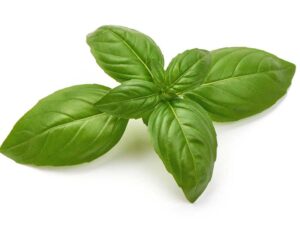
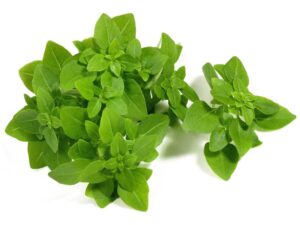
Basil varieties differ in leaf size, flavour, colour, growth habit and climate preference. Options include sweet basil, Genovese basil, Thai basil, holy basil, lemon basil and purple basil.
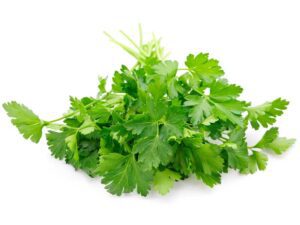
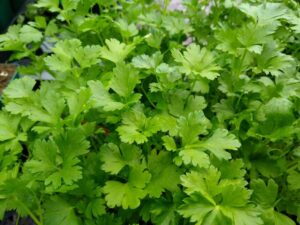
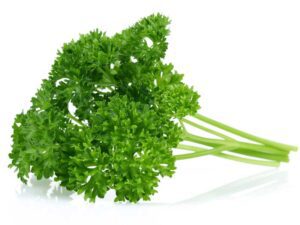
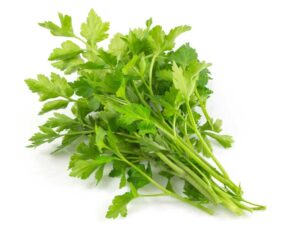
Parsley is available in flat-leaf and curled forms. It is commonly grown for fresh leaves and generally performs best under mild conditions with consistent moisture.
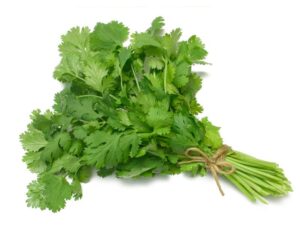
Coriander is grown for fresh leaves, roots and mature seed. It prefers cooler conditions and benefits from repeated sowing because plants may flower quickly in heat.
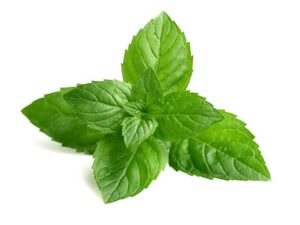
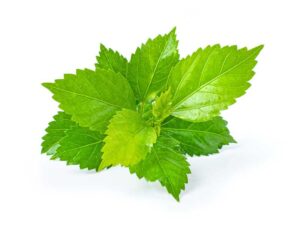
Mint varieties produce aromatic leaves and generally prefer moist soil. Established plants can spread vigorously, so container growing may be useful where control is required.
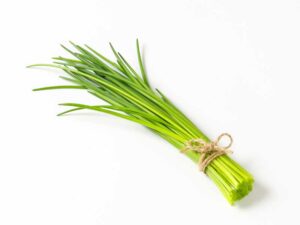
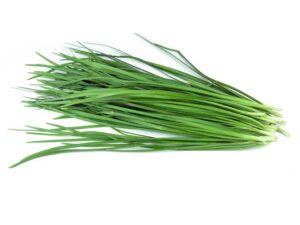
Common chives produce mild onion-flavoured leaves, while garlic chives have flatter leaves and a stronger garlic character. Both can be cut repeatedly.
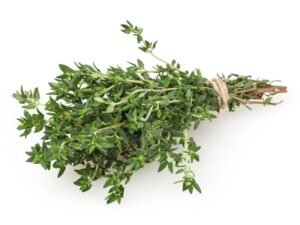
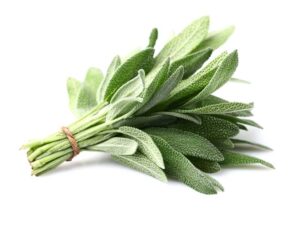
Thyme is a low-growing perennial herb suited to well-drained soil and sunny conditions. Varieties differ in growth habit, flavour and cold tolerance.
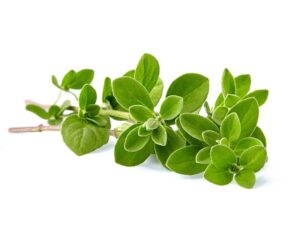
Oregano and marjoram are aromatic herbs used in Mediterranean-style cooking. They generally prefer warmth, good drainage and full sun.
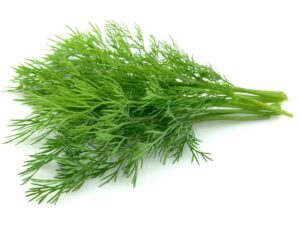
Dill and fennel are grown for foliage, flowers and seed. They develop taproots and are commonly direct sown to reduce transplant disturbance.
These perennial herbs are slower to establish than many annual herbs but can form productive long-lived plants in suitable conditions.
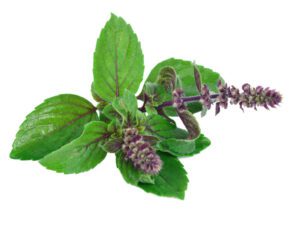
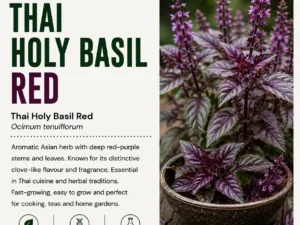
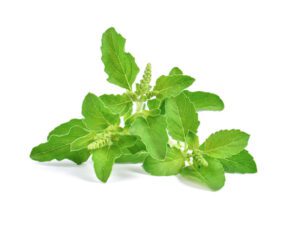
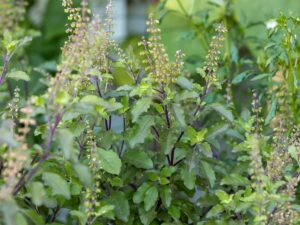
Holy basil, also known as tulsi, is a warm-season basil grown for its aromatic leaves. Several forms are available with differences in colour, flavour and growth habit.
Asian herbs include Thai basil, garlic chives, perilla, Vietnamese coriander and other distinctive crops used in regional cuisines.
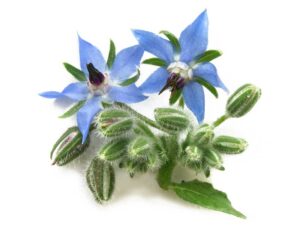
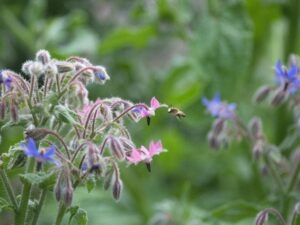
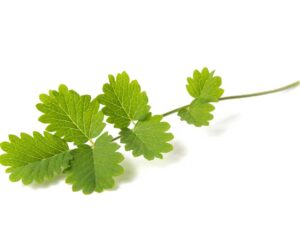
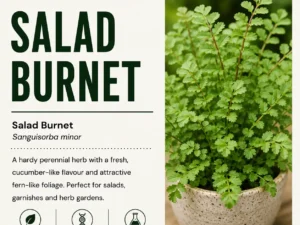
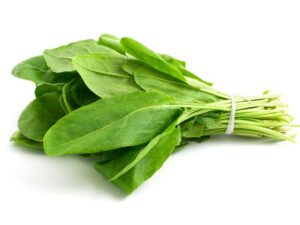
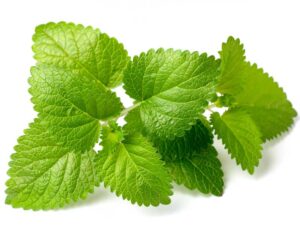
Specialist varieties may include lovage, sorrel, salad burnet, borage, lemon balm, anise hyssop and other less common culinary and aromatic herbs.
Understanding the life cycle of an herb helps with planting, harvesting and replacement planning.
| Life Cycle | Examples | General Characteristics |
|---|---|---|
| Annual herbs | Basil, coriander, dill and summer savory | Complete their life cycle within one growing season and are usually replanted from seed. |
| Biennial herbs | Parsley and some forms of caraway | Generally produce leaves during the first season and flower during the second. |
| Perennial herbs | Thyme, oregano, sage, rosemary, mint and chives | Can live and produce for multiple years when the climate and growing conditions are suitable. |
Plant life cycle can vary with climate. A herb grown as a perennial in a warm frost-free region may behave as an annual or require winter protection in a colder area.
These herbs generally establish best during mild to cool weather and may flower prematurely during prolonged heat.
These herbs prefer warm soil and frost-free conditions and may be damaged by cold weather.
Planting times vary across Australia. Tropical, subtropical, temperate and cool climates have different sowing windows. Check the individual product page and consider local frost, heat, rainfall and humidity.
| Direct Sowing | Raising Seedlings |
|---|---|
| Seed is planted directly into the garden bed, pot or production row. | Seed is started in trays or cells before the seedlings are transplanted. |
| Commonly used for coriander, dill, fennel, chervil and borage. | Commonly used for basil, thyme, oregano, sage, parsley and mint. |
| Reduces transplant disturbance, particularly for herbs with taproots. | Provides greater control over temperature, moisture and early pest protection. |
| Seedlings may be more exposed to weeds, weather and soil pests. | Seedlings require careful handling and gradual hardening before planting out. |
| Thinning may be required after germination. | Plants can be positioned at the correct spacing when transplanted. |
Plant frequently used herbs close to the kitchen or outdoor cooking area for convenient harvesting.
Raised beds provide useful drainage and make it easier to group herbs with similar water and soil requirements.
Basil, parsley, thyme, oregano, chives and mint are well suited to containers. Use a pot with adequate drainage and sufficient root space.
Compact herbs can grow successfully in small spaces where they receive adequate light and regular watering.
Protected growing can extend the season for tender herbs, although airflow, heat management and irrigation remain important.
Commercial growers often select herbs according to regrowth, leaf quality, harvest frequency, customer demand and shelf life.
Seed packets suit household herb gardens, container growers and customers trialling unfamiliar varieties.
Larger pack sizes can reduce the seed cost per sowing for market gardens, nurseries, restaurants and commercial production.
Compare value by seed count and expected plant numbers, not only by pack weight. Fine seeds such as thyme can contain many more seeds per gram than larger seeds such as coriander or fennel.
| Primary Harvest | Examples | Growing Considerations |
|---|---|---|
| Fresh leaves | Basil, parsley, coriander, mint, thyme and chives | Regular cutting encourages continued leaf production in many varieties. |
| Seeds | Coriander, dill, fennel, cumin and caraway | Plants must be allowed to flower and mature fully before dry seed is collected. |
| Flowers | Borage, dill, chives, fennel and basil | Flowers may be grown for culinary presentation, pollinators or seed production, depending on the variety and intended use. |
| Roots | Root parsley, coriander and lovage | Require suitable soil depth and minimal root disturbance. |
Commercial herb production requires varieties suited to the market, climate, harvest method and production system. Seed price alone does not determine crop profitability.
Reliable emergence helps reduce gaps, uneven crop development and the need for resowing.
Compactness, branching, stem length and regrowth affect harvest methods and plant density.
Colour, flavour, leaf size, tenderness and appearance influence suitability for fresh retail and food-service markets.
Coriander, dill, parsley and other herbs may flower quickly under unsuitable temperatures or day lengths.
Varieties differ in regrowth speed and the number of commercially useful cuts they can produce.
Specialist and imported herb varieties may have variable availability. Trial alternatives and plan seed requirements in advance.
Trial new herb varieties before using them at commercial scale. Performance can vary with climate, season, planting density, irrigation and harvest method.
Germination time, sowing depth and spacing vary by variety. Follow the individual product instructions and adjust for your climate, growing medium and production method.
Many herb seeds are supplied untreated, but treatment status may vary by variety and seed lot. Always check the individual product page before ordering or using seed for a particular purpose.
Untreated seed has not received a chemical seed treatment. Product pages identify the current treatment status where information is available.
Treated seed must not be consumed, used for sprouting or fed to animals. Follow all warnings shown on the product page and packaging.
Treatment status, germination and country of origin can change when a new seed lot is received.
Basil, coriander, dill, parsley and chives are popular starting points. The easiest variety will depend on the season, temperature, sunlight and watering conditions.
Planting time depends on the herb and climate zone. Warm-season herbs such as basil are generally planted in warm, frost-free conditions, while coriander, parsley and dill often perform better during cooler weather.
Sowing depth varies by seed size. Fine seeds are generally sown shallowly, while larger seeds such as coriander and fennel may be covered more deeply. Follow the product instructions for the individual variety.
Some herbs germinate within approximately one to two weeks, while slower varieties such as parsley, thyme and rosemary may take longer. Temperature and moisture have a major effect on germination time.
Common causes include unsuitable temperature, planting too deeply, drying out, waterlogging, old seed, soil crusting and poor contact between the seed and growing medium.
Yes. Basil, parsley, chives, thyme, oregano, mint and many other herbs grow well in containers. Choose an appropriate pot size and provide adequate drainage, light and water.
Coriander, dill, fennel and chervil are commonly direct sown because they can develop taproots and may dislike transplanting.
Basil, parsley, thyme, oregano, sage, mint and many perennial herbs can be raised in trays before transplanting.
Coriander is commonly sown in smaller batches at regular intervals because plants may flower quickly, particularly in warm weather.
Thai basil and holy basil are different basil types with distinct flavours, appearances and culinary uses. Check the botanical name and variety description when selecting seed.
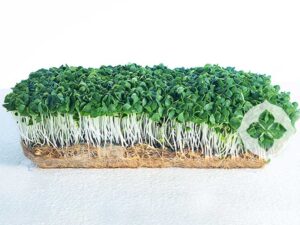
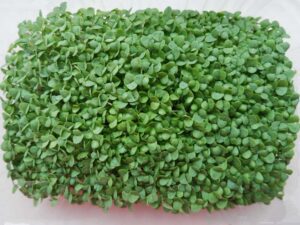
Some herbs, including basil, coriander and dill, can be grown as microgreens. Check that the seed is untreated and review the product description before growing it for consumption at the seedling stage.
Seed can be saved from suitable open-pollinated varieties when plants are allowed to flower and mature fully. Cross-pollination and seed purity should be considered if maintaining a particular variety.
Seed longevity varies by species and storage conditions. Store seed in a cool, dry and stable environment away from moisture, heat and direct sunlight.
Many are untreated, but treatment status can vary by crop and seed lot. Always review the current product page before ordering.
Seedmart does not knowingly supply genetically modified herb seed. Hybrid seed, where offered, is not the same as genetically modified seed.
Herb seeds for Australian growers
Seedmart supplies herb seeds for kitchen gardens, raised beds, containers, market gardens, restaurants, nurseries and commercial production. Choose from familiar culinary herbs, Asian varieties, heirloom selections and specialist crops.
Review the individual product pages for current pack sizes, treatment status, sowing guidance and variety-specific growing information before ordering.

Copyright © Seedmart Australia | Seedmart Asia Pacific 2024