
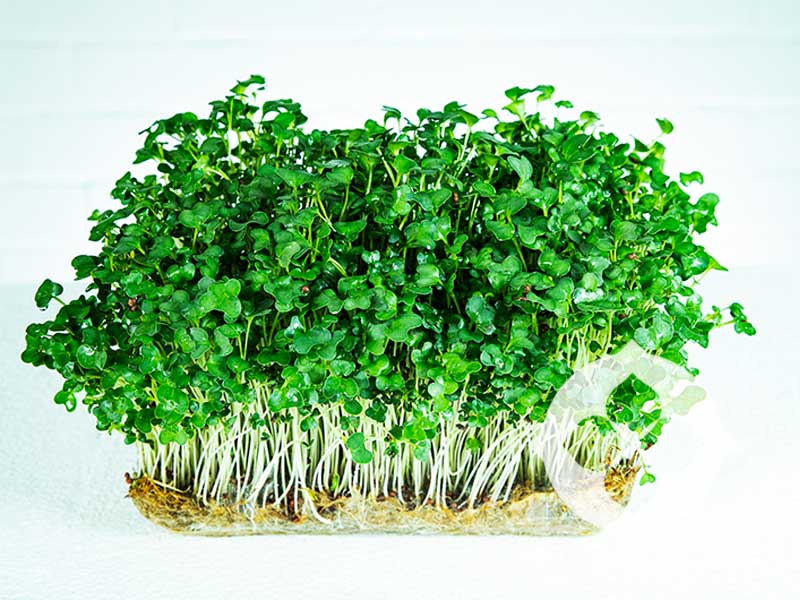

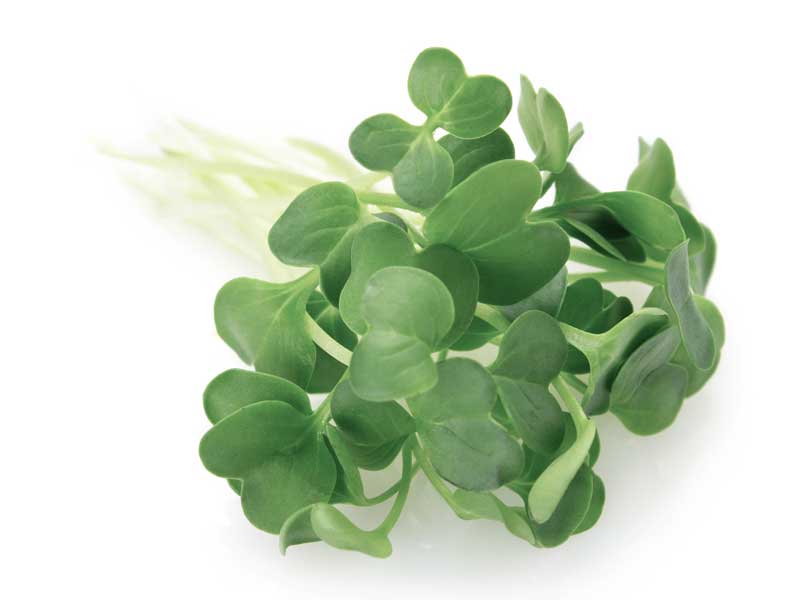
Mustard Microgreen Seeds
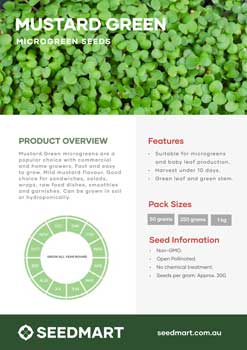
Grow fresh mustard microgreens at home in approximately 8–12 days. Mustard microgreen seeds produce fast-growing green seedlings with a distinctive peppery mustard flavour and tender, crisp texture. They are easy to grow in shallow trays using soil, coir, hemp growing mats or other suitable microgreen growing media.
Mustard is a popular choice for growers looking for a strongly flavoured microgreen that can add colour, texture and a fresh spicy bite to salads, sandwiches, wraps and garnishes. The seedlings develop quickly and can be grown indoors throughout the year with suitable light, moisture and ventilation.
Seedmart mustard microgreen seeds are supplied as untreated seed for growing purposes and are available in packet and bulk quantities for home growers, market gardeners and commercial microgreen production.
Mustard Microgreen Seed Details
| Botanical name | Brassica juncea |
|---|---|
| Common name | Mustard, Indian Mustard, Mustard Greens |
| Seed treatment | Untreated |
| Pre-soak | Not required |
| Approximate sowing rate | Approximately 10–15 g per 10 × 20 inch tray |
| Growing medium | Soil, coir or hemp growing mats |
| Germination | Approximately 3–7 days |
| Typical harvest | Approximately 8–12 days |
| Availability | Retail packets and bulk quantities |
Why Grow Mustard Microgreens?
- Fast-growing microgreen variety with a short crop cycle.
- Distinctive peppery mustard flavour with a fresh, spicy bite.
- Suitable for salads, sandwiches, wraps, bowls and garnishes.
- Suitable for growing indoors throughout the year.
- Can be grown on soil, coir or hydroponic hemp growing mats.
- No seed pre-soaking required.
- Compact crop well suited to shallow microgreen trays.
- Suitable for home and commercial microgreen production.
- Available in smaller packets and economical bulk quantities.
- Supplied by an Australian-owned seed company.
How to Grow Mustard Microgreens
Mustard microgreens are fast and relatively straightforward to grow in shallow trays. The small seeds do not normally require pre-soaking. For a standard 10 × 20 inch microgreen tray, approximately 10–15 grams of mustard seed provides a useful starting sowing rate. Adjust the quantity according to the variety, tray dimensions and preferred growing density.
- Prepare the growing tray.
Add approximately 3–4 cm of moist growing medium to a shallow tray and gently level the surface. Suitable growing media include quality soil, coir or a purpose-made hemp growing mat. - Sow the mustard seeds.
Spread the seeds evenly across the growing surface. Aim for consistent coverage while avoiding heavy piles or overlapping clumps of seed. - Mist thoroughly.
Use a fine spray mister to moisten the seed and growing surface evenly without washing the seeds into clusters. - Cover or stack the tray.
Cover with another tray or place the tray in a dark germination environment during the initial germination period. Light, even pressure can help encourage more uniform establishment. - Maintain even moisture.
Check the crop regularly and keep the growing medium evenly moist without allowing it to become waterlogged. Mustard seeds commonly germinate within approximately 3–7 days, depending on temperature and growing conditions. - Introduce the seedlings to light.
Once the seedlings have germinated and are pushing upward, remove the covering tray and place them under suitable natural or artificial growing light. Maintain good airflow around the crop. - Water as the crop develops.
Bottom watering is useful once the seedlings are established because it helps keep the foliage relatively dry. Water as required rather than allowing the growing medium to remain saturated. - Harvest the microgreens.
Mustard microgreens are commonly ready to harvest approximately 8–12 days after sowing. Cut the stems cleanly just above the growing medium when the seedlings have reached the size, colour and flavour intensity you prefer.
What Do Mustard Microgreens Taste Like?
Mustard microgreens have a distinctive peppery, spicy flavour reminiscent of mature mustard greens, but concentrated into tender young seedlings. Their sharper flavour makes them an excellent choice for growers who prefer a microgreen with more bite than mild varieties such as broccoli.
The fresh mustard flavour works particularly well in salads, sandwiches, wraps, burgers, grain bowls and savoury garnishes. A small amount can add noticeable flavour, making mustard useful both as a standalone crop and as a spicy component in mixed microgreen blends.
Flavour intensity can vary according to the mustard variety, growing conditions and stage of harvest.
How to Use Mustard Microgreens
Freshly harvested mustard microgreens can be used wherever a crisp texture and peppery flavour are wanted. Their stronger flavour means they are particularly useful for adding contrast to otherwise mild dishes.
- Add to salads and mixed leafy greens.
- Use in sandwiches, wraps and burgers.
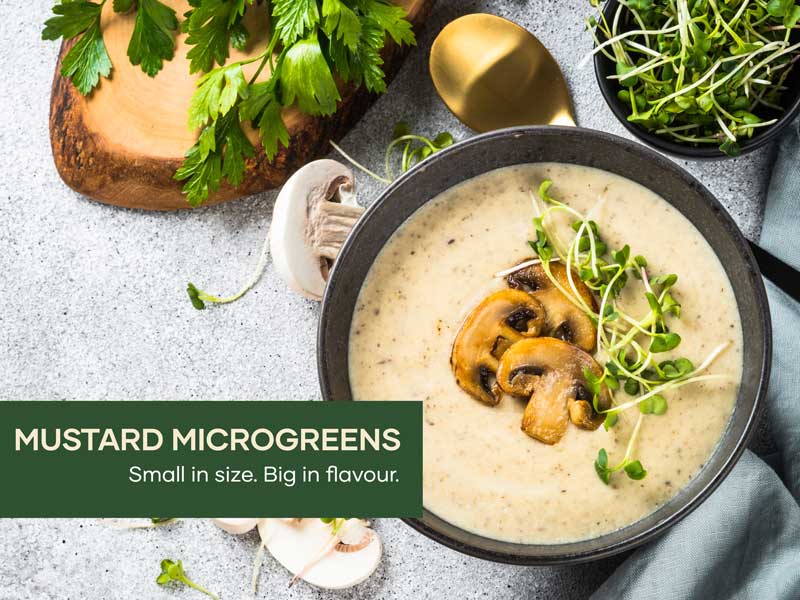
- Scatter over soups, noodles and savoury bowls immediately before serving.
- Add to egg dishes, roasted vegetables and grain bowls.
- Use as a fresh garnish for restaurant and catering dishes.
- Combine with milder varieties when creating mixed microgreen trays or salad blends.
For the freshest texture, mustard microgreens are generally best added after cooking or immediately before serving.
Mustard Microgreens vs Broccoli Microgreens
Mustard and broccoli are both brassica microgreens and can be grown using similar tray-based methods, but their flavour profiles are noticeably different.
| Feature | Mustard Microgreens | Broccoli Microgreens |
|---|---|---|
| Flavour | Peppery, spicy and distinctly mustard-like | Mild, fresh brassica flavour |
| Typical harvest | Approximately 8–12 days | Approximately 8–14 days |
| Pre-soak | Not normally required | Not normally required |
| Best suited to | Growers wanting a stronger, spicy microgreen | Growers wanting a milder, versatile microgreen |
Prefer a milder brassica flavour? View our broccoli microgreen seeds for another fast-growing tray crop.
Frequently Asked Questions
How long do mustard microgreens take to grow?
Mustard microgreens are commonly ready for harvest approximately 8–12 days after sowing. Growth rate varies according to temperature, light, moisture, variety and growing conditions.
Do mustard microgreen seeds need to be soaked?
No. Mustard microgreen seeds do not normally require pre-soaking before sowing. They can be spread directly onto a prepared, moist growing medium.
How many mustard seeds should I use in a 10 × 20 tray?
Approximately 10–15 grams of mustard microgreen seed per 10 × 20 inch tray provides a useful starting rate. Exact density can be adjusted according to seed size, variety, tray dimensions and the type of crop you prefer.
How long do mustard seeds take to germinate?
Mustard seeds commonly germinate in approximately 3–7 days. Germination speed depends on temperature, moisture and other growing conditions.
Can mustard microgreens be grown without soil?
Yes. Mustard microgreens can be grown using suitable soilless media such as coir or purpose-made hemp growing mats. The growing medium should retain sufficient moisture while still allowing appropriate drainage and airflow.
Do mustard microgreens need light?
Light is not required during the initial covered germination stage. Once the seedlings have established, move them into suitable natural or artificial growing light so the seed leaves can develop their normal green colour.
When should I uncover mustard microgreens?
Mustard microgreens can generally be uncovered once germination is well underway and the seedlings are pushing upward. The exact timing depends on temperature, moisture and the growing method being used.
When should mustard microgreens be harvested?
Harvest is commonly around 8–12 days after sowing. Cut the stems just above the growing medium using clean scissors or a suitable harvesting knife. Some growers allow mustard to develop slightly further depending on the size, appearance and flavour they prefer.
What do mustard microgreens taste like?
Mustard microgreens have a fresh, peppery and spicy mustard flavour. They are generally stronger tasting than broccoli microgreens and are useful when a dish needs a noticeable savoury bite.
Are mustard microgreens spicy?
Yes. Mustard microgreens are known for their peppery heat, although the strength varies between varieties and can also change according to the stage at which the crop is harvested.
Can mustard microgreens be grown indoors?
Yes. Mustard is well suited to indoor microgreen production and can be grown throughout the year where suitable light, temperature, airflow and moisture can be provided.
Can mustard microgreens be grown commercially?
Yes. Their rapid growth, relatively low seed requirement per tray and distinctive flavour make mustard suitable for commercial microgreen growers, restaurants, market gardeners and mixed microgreen production.
Where can I buy mustard microgreen seeds in Australia?
Seedmart supplies untreated mustard microgreen seeds in packet and bulk quantities for home growers, market gardeners, microgreen growers and businesses throughout Australia.
Need More Help Growing Mustard Microgreens?
Growing your own mustard microgreens? Follow our step-by-step guide to growing mustard microgreens for advice on sowing, germination, covered growing, watering, light and harvesting.
Rosemary URLWIN –
quick growing, good yield and pleasant tasting, a family favourite
Ross Cotton –
Love this product quick to strike and adds a nice colour and flavour to a mix. Or on its own
Sharon Sutherland –
Perfect grow for micro
Matthew Dent –
Very good except used to like the protective packaging the last lot the bags very very brittle that the seeds came in
Barrie Middleton –
I have tried these before together and have not forgotten how nice they taste when grown together
I have also purchased some gro lights and use them in a horticulture house and that all seems to work well
Tony James –
Seed germination at least 98% – have had a lot of problems lately with other seeds – have now switched to yours – packaging very high quality
SHAI GOLDEN –
The best test ever