


Greek Basil Herb Seeds
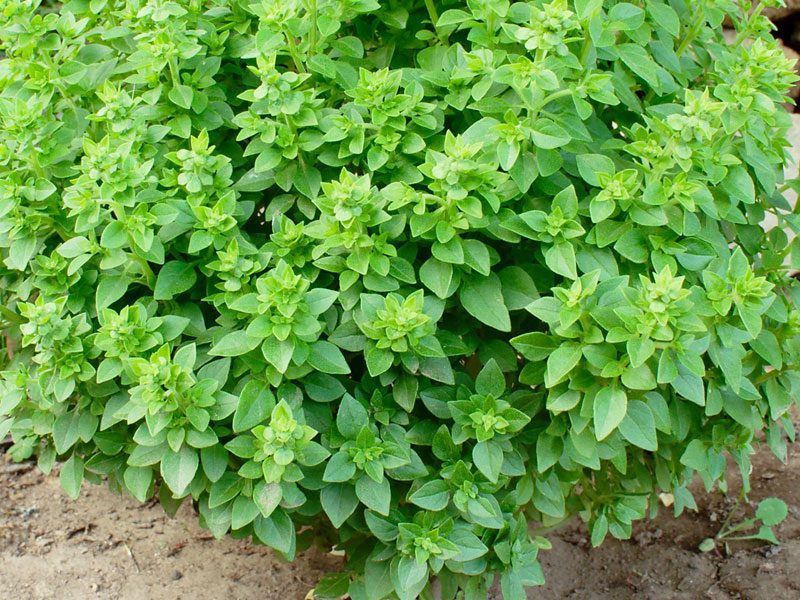
Grow compact, aromatic Greek Basil from seed for pots, herb gardens and fresh culinary use. Greek Basil (Ocimum basilicum) is a compact, small-leaved basil traditionally associated with Mediterranean and Greek cooking. The plants naturally develop into neat, rounded bushes covered with masses of small, fragrant green leaves.
Greek Basil is particularly well suited to pots, containers, balconies, courtyards and smaller gardens where its compact growth habit makes efficient use of space. The strongly aromatic leaves have a classic basil flavour and can be harvested regularly throughout the warm growing season for use in salads, sauces, pasta dishes, Mediterranean recipes and garnishes.
Seedmart Greek Basil herb seeds are supplied as untreated seed for growing purposes and are available in packet and bulk quantities for home gardeners, herb growers and commercial customers.
Greek Basil Seed Details
| Botanical name | Ocimum basilicum |
|---|---|
| Common name | Greek Basil |
| Plant type | Warm-season culinary herb, generally grown as an annual |
| Growth habit | Compact, bushy and naturally rounded |
| Plant height | Approximately 20–30 cm |
| Seed treatment | Untreated |
| Sowing depth | Approximately 3–5 mm |
| Germination | Approximately 5–14 days under suitable conditions |
| Plant spacing | Approximately 20–30 cm |
| Position | Full sun to light partial shade |
| Best sowing season | Spring to summer in temperate climates; longer sowing season in warm and frost-free climates |
| Availability | Retail packets and bulk quantities |
Why Grow Greek Basil?
- Compact basil variety producing masses of small, aromatic green leaves.
- Naturally forms an attractive, rounded and bushy plant.
- Excellent culinary herb for Greek, Mediterranean and Italian-style dishes.
- Particularly well suited to pots, containers, balconies and small gardens.
- Leaves can be harvested repeatedly throughout the growing season.
- Can be grown in garden beds, raised beds or containers.
- Flowers can attract bees and other visiting pollinating insects when plants are allowed to bloom.
- Suitable for home gardens and commercial herb production.
- Available in smaller packets and economical bulk quantities.
- Supplied by an Australian-owned seed company.
How to Grow Greek Basil from Seed
Greek Basil is a warm-season herb that grows best once temperatures have warmed and the risk of frost has passed. Seeds can be started in trays or small pots and transplanted later, or direct sown into their final growing position when conditions are suitably warm.
- Choose a warm growing position.
Select a location with plenty of light. Greek Basil performs well in full sun, although some light afternoon shade can be beneficial in particularly hot conditions. Containers should have adequate drainage holes. - Prepare the soil or growing medium.
Use fertile, free-draining soil enriched with compost or other well-decomposed organic matter. For container growing, use a good-quality potting mix that drains freely while retaining adequate moisture. - Sow the Greek Basil seeds.
Sow the small seeds approximately 3–5 mm deep and cover lightly with fine soil or seed-raising mix. Avoid burying basil seed too deeply. - Keep evenly moist.
Water gently after sowing and maintain consistent moisture during germination. Avoid saturating the growing medium or allowing it to remain waterlogged. - Allow the seedlings to establish.
Under suitable warm conditions, germination commonly occurs within approximately 5–14 days. Provide seedlings with good light once they emerge to encourage compact, sturdy growth. - Thin or transplant.
Once seedlings are large enough to handle, thin or transplant them to approximately 20–30 cm apart. Plants grown in pots should have sufficient space for their rounded, branching growth habit. - Encourage bushy growth.
Regularly pinch or harvest the growing tips once plants are established. This encourages branching and helps maintain the compact, leafy form for which Greek Basil is known. - Harvest regularly.
Pick individual leaves or cut leafy stem tips as required. Regular harvesting encourages continued branching and provides a succession of fresh basil leaves through the warm growing season.
What Does Greek Basil Taste Like?
Greek Basil has a distinctive aromatic basil flavour packed into smaller leaves than those of many common sweet basil varieties. The leaves are fragrant, fresh and savoury, making them particularly useful in Mediterranean-style cooking.
The small leaves can be used whole or chopped and added to salads, tomato dishes, pasta, sauces, vegetables, pizzas and garnishes. Fresh Greek Basil also pairs particularly well with tomatoes, olive oil, garlic and Mediterranean vegetables.
As with other culinary basils, adding the fresh leaves towards the end of cooking helps retain more of their characteristic aroma and flavour.
Growing Greek Basil in Pots and Containers
Greek Basil is an excellent basil variety for container growing because of its naturally compact habit. Rather than producing the larger leaves and taller stems associated with many sweet basil varieties, Greek Basil forms a dense, rounded plant covered with numerous small leaves.
Choose a pot with good drainage and fill it with quality potting mix. Position the container in a warm location receiving plenty of sunlight and water regularly enough to prevent the plant from drying out completely.
Container-grown basil may require more frequent watering than plants growing in garden soil, particularly during hot Australian summer weather. Check the potting mix regularly rather than watering according to a fixed schedule.
Regular harvesting helps keep the plant compact and encourages new branching, making Greek Basil particularly suitable for patios, balconies, courtyards and kitchen herb gardens.
Greek Basil vs Sweet Basil
Greek Basil and Sweet Basil belong to the same species, Ocimum basilicum, but have noticeably different growth habits and leaf characteristics.
| Feature | Greek Basil | Sweet Basil |
|---|---|---|
| Growth habit | Compact, dense and rounded | Generally taller and more upright |
| Leaves | Numerous small green leaves | Typically larger green leaves |
| Typical height | Approximately 20–30 cm | Generally taller, depending on variety and conditions |
| Container growing | Excellent for pots and compact spaces | Also suitable for pots but generally requires more space |
| Culinary use | Greek and Mediterranean dishes, salads, sauces and garnishes | Pesto, Italian dishes, salads, sauces and general culinary use |
How to Use Fresh Greek Basil
Greek Basil is grown primarily for its highly aromatic small leaves, which can be harvested fresh throughout the warmer months. The leaves are particularly useful when a classic basil flavour is wanted without the large leaves produced by traditional sweet basil varieties.
- Add fresh leaves to tomato and cucumber salads.
- Use in Greek and Mediterranean-style dishes.
- Add to pasta, pizza and tomato-based sauces.
- Combine with tomatoes, garlic and olive oil.
- Scatter whole young leaves over salads and finished dishes.
- Use as an aromatic garnish for soups, vegetables and savoury dishes.
- Add freshly harvested leaves towards the end of cooking to preserve their aroma.
Regular harvesting also benefits the plant by encouraging branching and continued production of fresh leaves.
Frequently Asked Questions
What is Greek Basil?
Greek Basil is a compact form of culinary basil (Ocimum basilicum) known for its naturally rounded growth habit and numerous small, aromatic green leaves. It is particularly popular for pots, herb gardens and Mediterranean-style cooking.
How tall does Greek Basil grow?
Greek Basil typically develops into a compact plant approximately 20–30 cm tall, although final size varies according to climate, soil fertility, container size and growing conditions.
When should I sow Greek Basil seeds in Australia?
In temperate parts of Australia, sow Greek Basil during spring and summer when temperatures are warm and the danger of frost has passed. In warmer subtropical and tropical climates, the suitable sowing period can be considerably longer. Local conditions should always be considered when determining the best planting time.
How long do Greek Basil seeds take to germinate?
Greek Basil seeds commonly germinate in approximately 5–14 days under suitable warm and consistently moist conditions. Cooler temperatures can slow germination.
How deep should I sow Greek Basil seeds?
Sow Greek Basil seeds shallowly, approximately 3–5 mm deep. Cover the seed lightly with fine soil or seed-raising mix and keep the surface consistently moist while germination occurs.
Does Greek Basil need full sun?
Greek Basil grows well in a warm position with plenty of sunlight. Full sun is suitable in many locations, while some light afternoon shade may be useful during particularly hot conditions.
Can Greek Basil be grown in pots?
Yes. Greek Basil is particularly well suited to pots and containers because of its naturally compact, rounded growth habit. Use a quality, free-draining potting mix and a container with adequate drainage holes.
How far apart should Greek Basil plants be spaced?
Approximately 20–30 cm between plants provides a useful starting spacing. Plants can be adjusted according to the available space, growing system and desired final size.
How often should Greek Basil be watered?
Water often enough to keep the soil reasonably and consistently moist without leaving it saturated. Container-grown plants can dry more quickly than plants in garden beds and may require more frequent watering during warm weather.
Should I pinch Greek Basil plants?
Yes. Pinching or regularly harvesting the growing tips encourages branching and helps the plant maintain a compact, bushy form. Regular harvesting can also delay flowering and extend leafy growth.
Can you eat Greek Basil flowers?
Basil is primarily grown for its aromatic leaves, although the flowers are also edible. Allowing plants to flower can additionally provide a food source for visiting bees and other pollinating insects.
Is Greek Basil the same as Sweet Basil?
Greek Basil and Sweet Basil are both forms of Ocimum basilicum, but Greek Basil generally has much smaller leaves and a more compact, naturally rounded growth habit. Sweet Basil usually produces larger leaves and taller plants.
Is Greek Basil an annual or perennial?
Greek Basil is generally grown as a warm-season annual. Basil is sensitive to frost and cold conditions, although plants may persist for longer in sufficiently warm, frost-free climates.
Can I harvest Greek Basil more than once?
Yes. Greek Basil can be harvested repeatedly while the plant is actively growing. Cutting or pinching leafy stem tips encourages branching and the production of additional leaves.
Where can I buy Greek Basil seeds in Australia?
Seedmart supplies Greek Basil herb seeds in packet and bulk quantities for home gardeners, herb growers, market gardeners and businesses throughout Australia.
Reviews
There are no reviews yet.