
Bristly Wallaby Grass Seeds
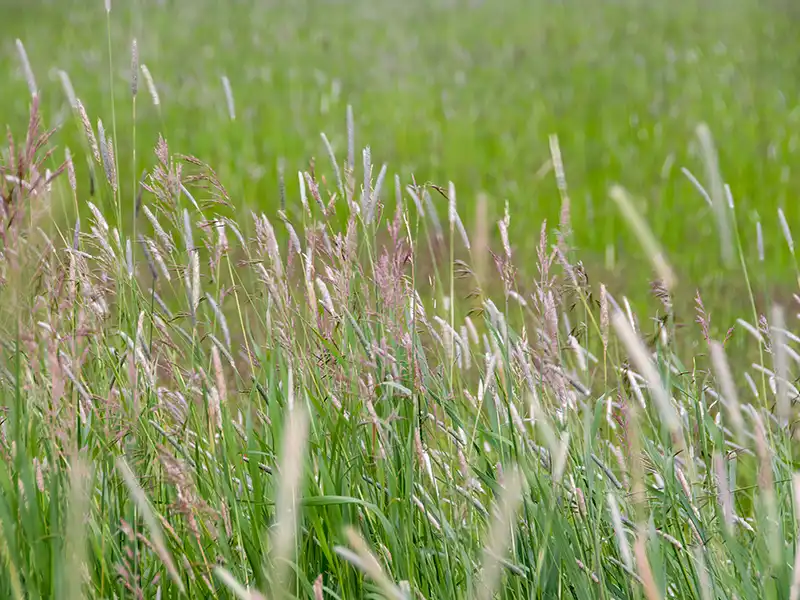
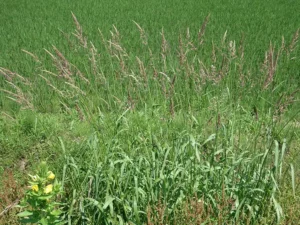
Grow an Australian native perennial grass suited to native gardens, naturalistic landscapes and grassland revegetation. Bristly Wallaby Grass (Rytidosperma setaceum) forms slender tussocks of fine leaves, with upright flowering stems and fluffy seed heads carrying distinctive projecting bristles.
Also known as Small-flowered Wallaby Grass, this species can be incorporated into mixed plantings where fine foliage and seasonal seed heads are valued. Choose a site suited to the supplied provenance and allow young plants time to establish.
Bristly Wallaby Grass Seed Details
| Botanical name | Rytidosperma setaceum |
|---|---|
| Former botanical name | Austrodanthonia setacea |
| Common names | Bristly Wallaby Grass, Small-flowered Wallaby Grass |
| Family | Poaceae |
| Plant type | Australian native perennial grass |
| Growth habit | Slender, erect tussocks; cool-season growth |
| Approximate height | Up to approximately 70 cm, including flowering stems; varies with growing conditions |
| Foliage | Fine, often inward-rolled leaves; hairy forms can appear grey-green |
| Flowers and seed heads | Short flower heads becoming fluffy in seed, with projecting coppery awns |
| Flowering period | Mainly spring to summer; October–January is recorded in Victoria |
| Position | Full sun to light shade |
| Soil | Well-drained sandy, loamy or clay soils, including nutrient-poor sites |
| Seeds per gram | Approximately 1,000 seeds |
| Uses | Native gardens, informal grass landscapes and suitable grassland and woodland restoration |
Why Grow Bristly Wallaby Grass?
- Native perennial with fine foliage and a compact tussock form.
- Distinctive seed heads add seasonal interest.
- Useful in mixed grass and wildflower plantings.
- Seeds provide food for native birds.
- Suitable for locally appropriate rehabilitation projects.
How to Grow Bristly Wallaby Grass from Seed
TreeProject recommends autumn to early spring sowing, with an optimum germination temperature of approximately 15–25°C. Emergence is commonly reported within 2–3 weeks, although winter sowings can take up to eight weeks.
- Prepare the growing medium. Use clean, free-draining seed-raising mix in trays, tubes or pots.
- Sow shallowly. Distribute seed evenly and cover lightly with fine propagation mix.
- Water gently. Use a fine spray to settle seed without displacing it.
- Maintain moisture. Keep the mix evenly moist while allowing excess water to drain.
- Provide protection. Shelter containers from extreme heat, drying winds and severe weather.
- Allow for uneven emergence. Continue caring for trays while seedlings develop.
- Transplant established seedlings. Harden plants gradually before planting into a prepared, weed-free site.
Bristly Wallaby Grass for Landscaping
Use small groups to create a naturalistic planting amongst native wildflowers and other grasses. Position plants where their flowering stems can develop without frequent trimming.
Bristly Wallaby Grass for Revegetation and Groundcover
Incorporate this species into restoration plantings where it occurs naturally. Match seed provenance to project requirements and maintain weed control while seedlings establish.
For slopes or disturbed ground, plan sowing density and accompanying species around the site’s groundcover requirements.
Flowers and Foliage
The contrast between fine leaves and bristly seed heads is a useful feature in informal landscapes. Leave selected plants unmown to display their seasonal form.
Where to Grow Bristly Wallaby Grass
- Open native gardens.
- Naturalistic grass and wildflower plantings.
- Lightly shaded woodland gardens.
- Suitable roadside and embankment rehabilitation.
- Locally appropriate grassland restoration projects.
When to Sow Bristly Wallaby Grass Seeds in Australia
Autumn to early spring is recommended in TreeProject’s nursery guidance. The following table provides general planning guidance across climates. Choose mild conditions with reliable moisture and assess local planting suitability.
| Climate Zone | Suitable Sowing Period | Growing Notes |
|---|---|---|
| Cool | Autumn or early spring; winter under protected conditions | Allow for slower winter emergence and shelter trays from severe weather. |
| Temperate | Autumn to early spring | Maintain moisture and avoid excessive propagation temperatures. |
| Subtropical | Cooler periods, where locally suitable | Check provenance suitability and protect containers from intense heat. |
| Tropical | Controlled nursery conditions, where appropriate | Confirm suitability before planting in hot, humid lowland conditions. |
| Arid / Semi-arid | Cooler periods with dependable rainfall or irrigation | Use suitable provenance and arrange establishment watering. |
Tips for Growing Bristly Wallaby Grass Successfully
- Label containers with the sowing date.
- Remove weeds before planting.
- Water young plants while roots establish.
- Allow room for mature tussocks.
- Adjust maintenance to the intended landscape or restoration outcome.
Frequently Asked Questions
Is Bristly Wallaby Grass perennial?
Yes. It is a tufted perennial in the grass family, Poaceae.
Can it grow in light shade?
Yes. Open sites beneath light tree cover can be suitable.
Why does germination sometimes take longer?
Cool temperatures and seed dormancy can delay emergence.
Is it suitable for revegetation?
Yes, where the species and supplied provenance meet the planting project’s requirements.
Is it the same as Common Wallaby Grass?
No. Bristly Wallaby Grass is Rytidosperma setaceum, a separate species.
Grow Bristly Wallaby Grass from Seed
Add fine foliage and seasonal seed heads to native landscapes with Bristly Wallaby Grass Seeds. Prepare the site carefully and allow seedlings time to establish before regular disturbance.
Reviews
There are no reviews yet.