
Silky Bluegrass Grass Seeds
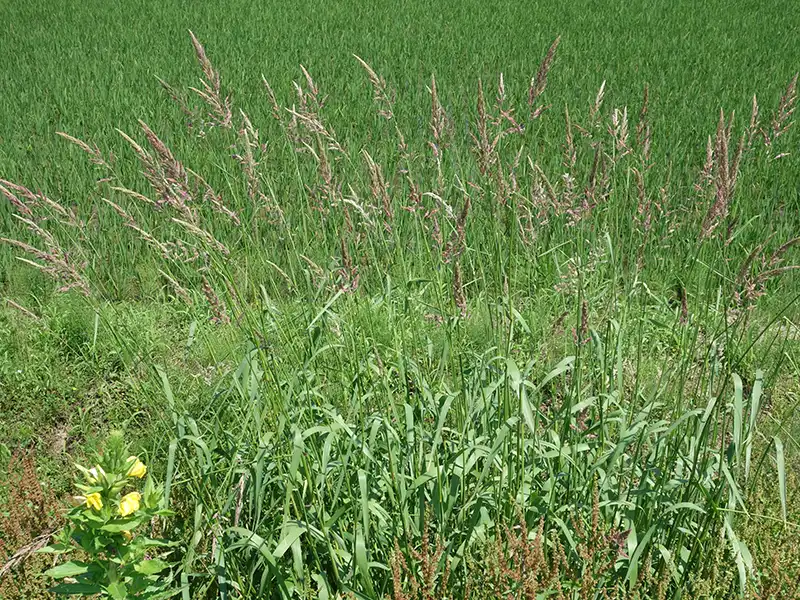
Grow an attractive Australian native perennial grass suited to native gardens, naturalistic landscapes, pasture and revegetation plantings. Silky Bluegrass (Dichanthium sericeum) forms leafy, upright tussocks with distinctive blue-green foliage and softly hairy seed heads.
Also known as Queensland Bluegrass, this species grows actively during warmer months when moisture is available. Its foliage and seasonal flowering stems provide texture in mixed native plantings, particularly on suitable clay and loam soils.
Silky Bluegrass Seed Details
| Botanical name | Dichanthium sericeum |
|---|---|
| Common names | Silky Bluegrass, Silky Blue-grass, Queensland Bluegrass |
| Family | Poaceae |
| Plant type | Australian native perennial grass |
| Growth habit | Leafy, upright tussocks; warm-season growth |
| Approximate height | Approximately 30–80 cm; varies with form and growing conditions |
| Foliage | Narrow, blue-green leaves; colouring and hairiness vary between forms |
| Flowers and seed heads | Small grass flowers followed by straw-coloured spikelets with silky hairs |
| Flowering period | Mainly summer; timing varies with rainfall and location |
| Position | Sunny, open position |
| Soil | Particularly suited to clay soils; also grows on suitable loam and rocky sites |
| Seeds per gram | Approximately 500 seeds. |
| Uses | Native gardens, ornamental grass plantings, suitable pasture systems and locally appropriate revegetation |
Why Grow Silky Bluegrass?
- Australian native perennial with attractive blue-green foliage.
- Silky seed heads provide seasonal texture and movement.
- Useful in mixed native grass landscapes.
- Suited to suitable clay and loam planting sites.
- Provides warm-season growth when moisture is available.
- Suitable for pasture and revegetation projects matched to local conditions.
How to Grow Silky Bluegrass from Seed
Silky Bluegrass needs warmth and reliable moisture for germination. A propagation temperature of approximately 20–30°C is suitable. Fresh seed can show dormancy, with improved germination reported for seed stored for 6–12 months.
- Prepare the growing medium. Use clean seed-raising mix in trays, tubes or pots.
- Sow shallowly. Spread seed over the prepared surface and cover lightly with fine mix. Avoid deep burial.
- Water gently. Use a fine spray to settle the seed without washing it away.
- Maintain moisture. Keep the sowing surface consistently moist while allowing excess water to drain.
- Provide warmth. Keep containers in a protected position and avoid cold propagation conditions.
- Allow time for germination. Emergence may begin within approximately two weeks under suitable conditions, but dormant seed can take longer.
- Transplant established seedlings. Gradually harden plants before planting into a prepared site.
Silky Bluegrass for Landscaping
Plant Silky Bluegrass in groups to highlight its foliage colour and flowering stems. It works well in informal designs where grasses can develop their natural shape.
Growth and appearance change with the seasons. In cooler districts, combine it with suitable cool-season native grasses to extend seasonal interest.
Silky Bluegrass for Revegetation and Groundcover
Include this species in mixed plantings where it is appropriate to the local vegetation community. Established vegetation can contribute to groundcover, but successful establishment depends on site preparation, moisture and weed control.
For restoration projects, confirm species suitability and any seed-provenance requirements before sowing.
Flowers and Foliage
Blue-green leaves distinguish Silky Bluegrass from many other native grasses. The seed heads develop a soft appearance as the silky-haired spikelets mature.
Allow flowering stems to develop in ornamental plantings so their seasonal form remains visible.
Where to Grow Silky Bluegrass
- Sunny Australian native gardens.
- Naturalistic grass and wildflower landscapes.
- Suitable clay-soil planting sites.
- Locally appropriate grassland revegetation.
- Suitable native pasture systems.
When to Sow Silky Bluegrass Seeds in Australia
Choose warm conditions with dependable moisture. These are general planning guides rather than fixed sowing dates. Allow young plants time to establish before cold weather.
| Climate Zone | Suitable Sowing Period | Growing Notes |
|---|---|---|
| Cool | Late spring to early summer, where locally suitable | Provide warm propagation conditions and protect seedlings from frost. |
| Temperate | Late spring to summer with reliable moisture | Avoid surface drying and allow establishment before winter. |
| Subtropical | Spring to early autumn while conditions remain warm | Maintain moisture and shelter propagation trays from excessive heat. |
| Tropical | Warm periods with dependable moisture, where suitable | Use suitable provenance and protect seed from heavy rain. |
| Arid / Semi-arid | Warm periods with reliable rainfall or irrigation | Assess moisture availability and arrange follow-up establishment watering. |
Tips for Growing Silky Bluegrass Successfully
- Prepare a weed-free planting area.
- Keep seed in close contact with the growing medium.
- Check containers frequently during warm weather.
- Allow space for mature tussocks and flowering stems.
- Delay grazing until plants are securely rooted and established.
Frequently Asked Questions
What is Silky Bluegrass?
It is a native perennial grass botanically known as Dichanthium sericeum, also commonly called Queensland Bluegrass.
Does it remain green throughout winter?
It is primarily active in warmer weather. Winter appearance depends on climate, moisture and frost exposure.
Can it be grown on clay soil?
Yes. Clay soils are an important natural habitat for this species.
Is it suitable for pasture?
Yes, in suitable districts. Manage grazing according to plant growth and seasonal conditions.
Can it be used for revegetation?
Yes, where the species and supplied provenance are appropriate to the project.
Does it need hot-water treatment?
The propagation guidance above does not call for hot-water treatment. Seed age, warmth and moisture are important considerations.
Grow Silky Bluegrass from Seed
Add blue-green foliage and softly textured seed heads to suitable native landscapes with Silky Bluegrass Seeds. Sow shallowly, maintain moisture and give seedlings a warm establishment period.
Reviews
There are no reviews yet.